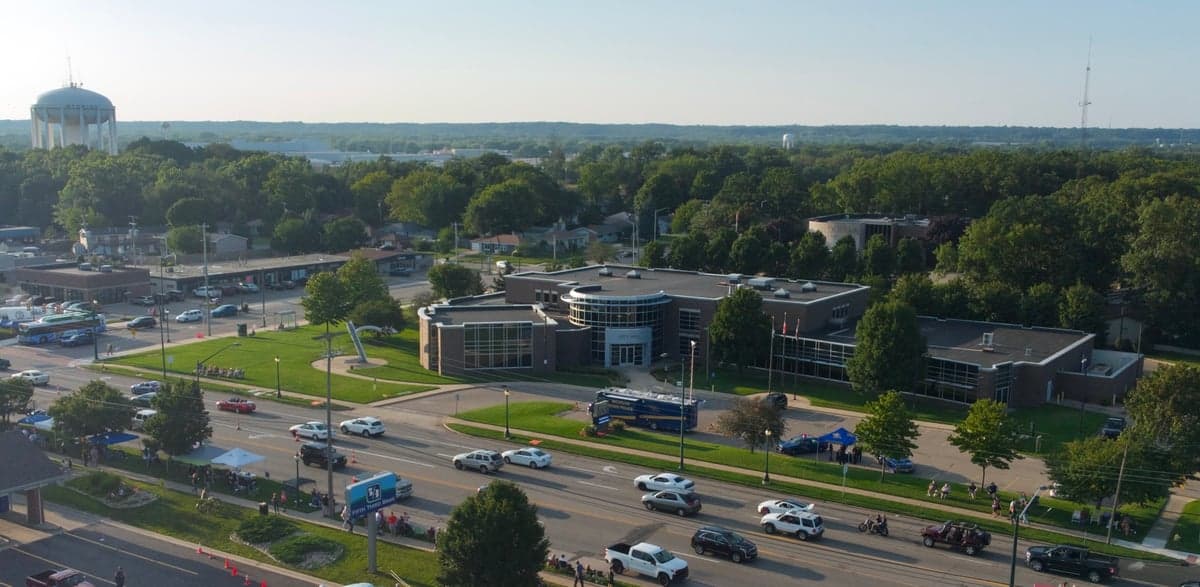
Photo: Wikipedia
Quality of Life in Wyoming, MI
A high quality of life with strong walkability, manageable living costs, healthy neighborhood signals, and solid amenity access.
What does Quality of Life tell us?
Quality of Life blends cost of living, nearby amenities, socioeconomic signals, and neighborhood character. City-level scores represent the whole municipality; individual neighborhoods can differ.
What does this tell us?
Quality of Life blends cost of living, nearby amenities, socioeconomic signals, and neighborhood character. City-level scores represent the whole municipality; individual neighborhoods can differ.
Cost of Living
12% below national average
The Real Cost of Living in Wyoming, MI for 2026
| Tier | Individual | Family (4) |
|---|---|---|
| Survival | $18k | $34k |
| Comfortable | $40k | $58k |
| Luxury | $112k+ | $173k+ |
| Elite (Top 5%) | $131k+ | $204k+ |
124%
The Area Signal
A metric tracking the socioeconomic signals of the area.
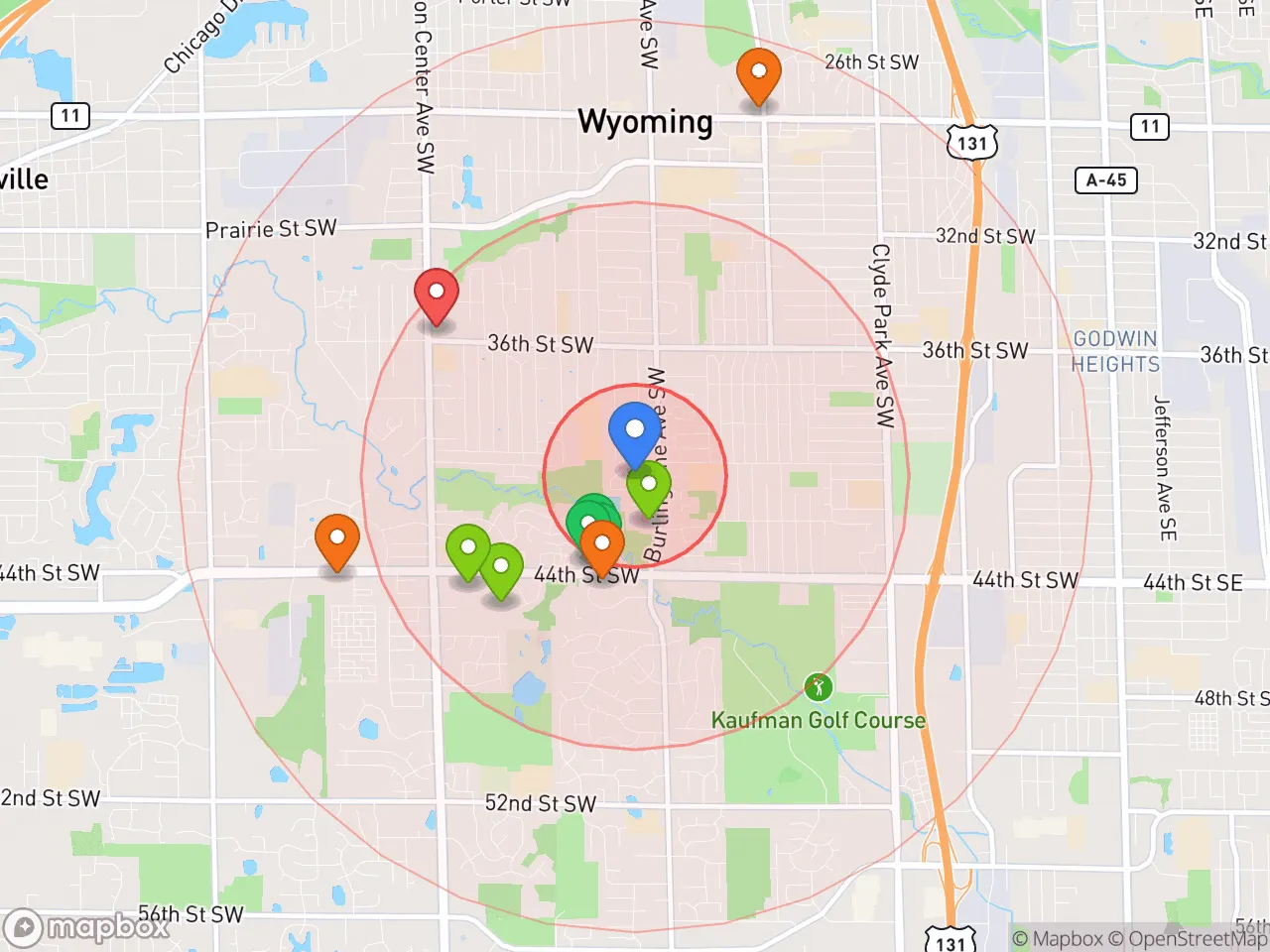
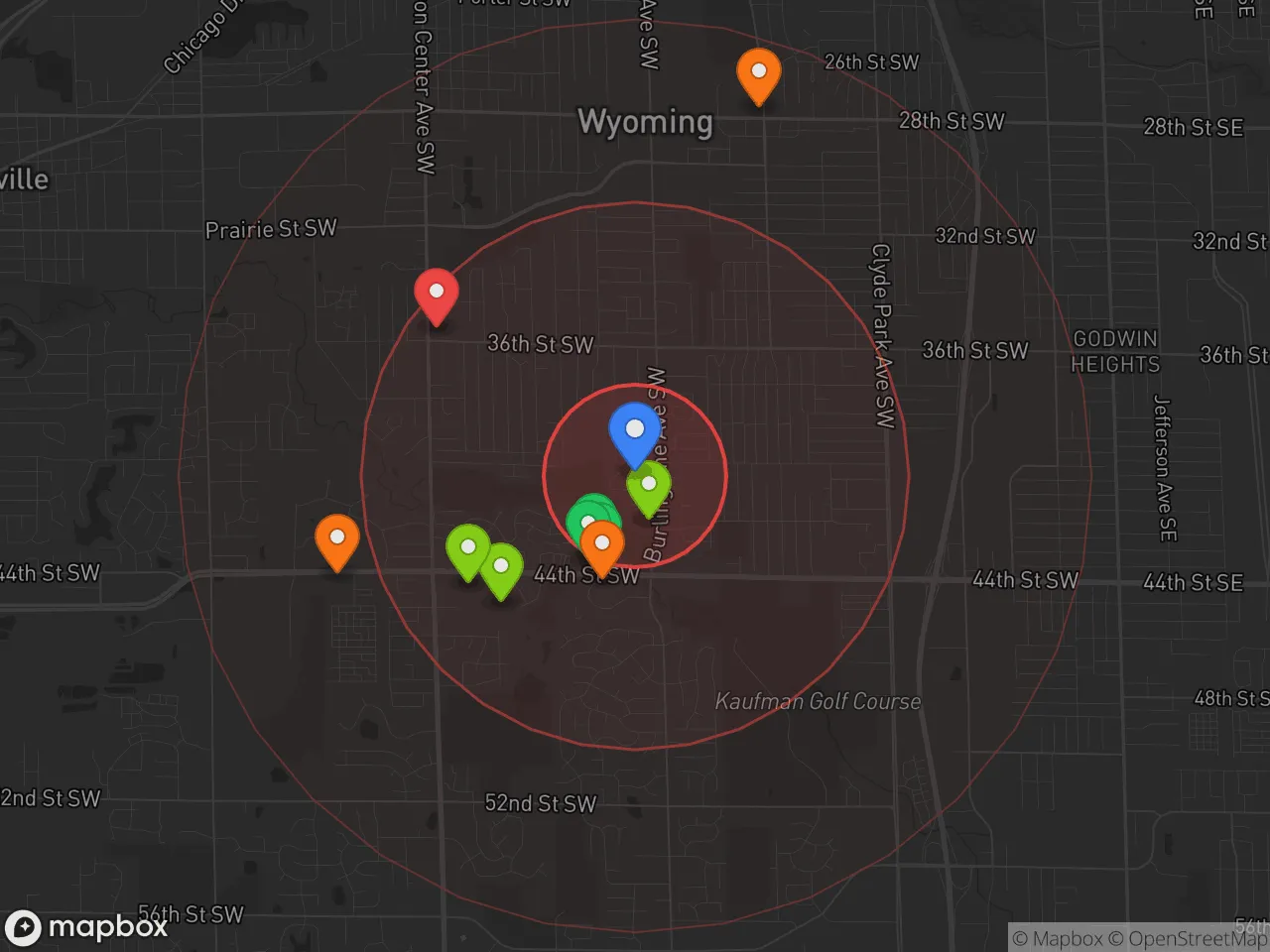
Hobbies
Explore the areaGroceries
5 within 10 miles
Gas
20 within 10 miles
Hospital
8 within 20 miles
Airport
ORD — O'Hare International
Post Office
USPS — Wyoming, MI
Critical Amenities
Quality-of-Life Analysis
Wyoming, Michigan, presents a distinctive quality-of-life profile as an affluent, family-oriented suburb of Grand Rapids, where the median household income of roughly $75,000 significantly outpaces the national average. The city attracts a mix of established professionals, growing families, and long-term residents who value strong schools, low crime rates, and easy access to both urban amenities and outdoor recreation along the Grand River. With a cost-of-living index of 88 — 12 percent below the U.S. average — Wyoming offers a rare combination of relative affluence and genuine affordability that is increasingly hard to find in West Michigan.
Cost of living, housing affordability, and how Wyoming compares to nearby Grand Rapids
Wyoming’s cost-of-living advantage is most visible in its housing market. The median home value of $203,900 is roughly $30,000 lower than Grand Rapids proper and nearly $100,000 below the national median, making homeownership attainable for middle-income buyers. Median rent sits at $1,141, well under the national figure of $1,400, and significantly cheaper than comparable suburbs like East Grand Rapids or Ada, where rents often exceed $1,500. The average commute of just over 21 minutes is shorter than the national average of 27 minutes, and notably faster than commutes from outer-ring suburbs like Rockford or Hudsonville. Property taxes in Wyoming are moderate for Michigan, averaging about 1.4 percent of assessed value, while Michigan’s flat 4.25 percent income tax applies uniformly. For renters and buyers alike, Wyoming delivers more square footage and newer housing stock than central Grand Rapids at a 15–20 percent price discount.
What daily life is like for families: schools, parks, and local amenities
Daily life in Wyoming revolves around its well-regarded public school system, Wyoming Public Schools, which serves roughly 9,000 students across 14 schools and maintains a graduation rate above 85 percent. The district offers several magnet and STEM programs, and nearby private options include Grand Rapids Christian Schools and St. John Vianney. The city’s park system is anchored by the 200-acre Palmer Park, which features sports fields, a disc golf course, and the Wyoming Community Center, while the Buck Creek Trail provides a paved 5-mile route for walking and biking. Retail and dining cluster along 28th Street and Division Avenue, with national chains like Meijer and Target supplemented by local staples such as the Wyoming Farmers Market. The Grand Rapids suburb’s proximity to downtown — a 15-minute drive — means residents can access the Van Andel Arena, ArtPrize, and the Gerald R. Ford Presidential Museum without living in a dense urban core. Healthcare is served by Metro Health–University of Michigan Health, a full-service hospital located within city limits.
Wyoming is best suited for families and professionals who want suburban stability with urban proximity, particularly those working in Grand Rapids’ growing sectors of healthcare, manufacturing, and logistics. The city’s low crime rate — roughly 40 percent below the national average for violent crime — and strong school performance make it a logical choice for parents, while the affordable housing and short commute appeal to young professionals priced out of East Grand Rapids or downtown. Retirees may find the lack of walkable downtown districts a drawback, but the combination of low cost, good services, and easy highway access (I-196 and M-6) makes Wyoming a pragmatic, high-value choice for anyone prioritizing financial stability and daily convenience over urban excitement.

Crime in Wyoming, MI
Crime rates similar to the national median for U.S. locations.
Violent CrimeViolent Crime Analysis
Property CrimeProperty Crime Analysis
Crime Analysis
Wyoming, Michigan, presents a mixed safety profile, with crime rates that significantly exceed both state and national averages. The city recorded a violent crime rate of 463.2 incidents per 100,000 residents and a property crime rate of 1,957.9 per 100,000 in the most recent reporting period. These figures place Wyoming in a higher-risk category compared to many other communities in Kent County and across the state, a situation that prospective residents should weigh carefully.
Crime in context
Wyoming’s violent crime rate of 463.2 per 100,000 is more than double the national average of roughly 380 per 100,000 and substantially higher than Michigan’s state average of approximately 460 per 100,000. Property crime in Wyoming, at 1,957.9 per 100,000, also exceeds the national benchmark of about 1,950 per 100,000 and is notably higher than the Michigan average of roughly 1,200 per 100,000. As a city situated within the Grand Rapids metropolitan area, Wyoming is part of a larger urban corridor where crime patterns are influenced by regional socioeconomic factors. The presence of progressive judicial philosophies in Kent County’s court system, which often prioritize rehabilitation and diversion programs over incarceration, is a contributing factor that can lead to higher recidivism and more offenders remaining on the street. This approach, while intended to reduce prison populations, can undermine public safety by reducing the deterrent effect of prosecution and leaving victims with a perception of inadequate justice.
What residents experience
For those living in Wyoming, the elevated crime rates translate into tangible daily concerns. Property crimes—including theft, burglary, and motor vehicle theft—are the most common offenses, affecting neighborhoods across the city. Violent crimes, while less frequent, are concentrated in specific areas and often involve aggravated assault. Residents report that car break-ins and package thefts are routine occurrences, particularly in areas near major retail corridors like 28th Street and Division Avenue. The city’s police department has implemented community policing initiatives and crime prevention programs, but the overall volume of incidents strains resources. The progressive policies of local prosecutors, who may decline to charge certain low-level offenses or offer plea deals that reduce penalties, can leave residents feeling that the system does not adequately protect them or hold offenders accountable.
Neighborhood-level variation is significant. Areas closer to the Grand Rapids city line, particularly in the northeastern sections of Wyoming, tend to experience higher crime densities. In contrast, the southwestern and southern parts of the city, which are more residential and suburban in character, generally report lower incident rates. Prospective renters and buyers should research specific block-level crime maps and consider visiting neighborhoods at different times of day to assess safety firsthand. While Wyoming offers affordable housing and convenient access to Grand Rapids, the crime data and the local justice system’s philosophical leanings warrant serious consideration for anyone prioritizing personal and property security.
* Values derived from national, state, county, city and local statistics and may differ in a specific area. Last updated: 2026-04-30T02:46:51.000Z
Narrative content on this page is AI-generated and may contain mistakes. Verify any details that matter before acting on them.
ReloMaps may earn a commission from affiliate links at no extra cost to you.

