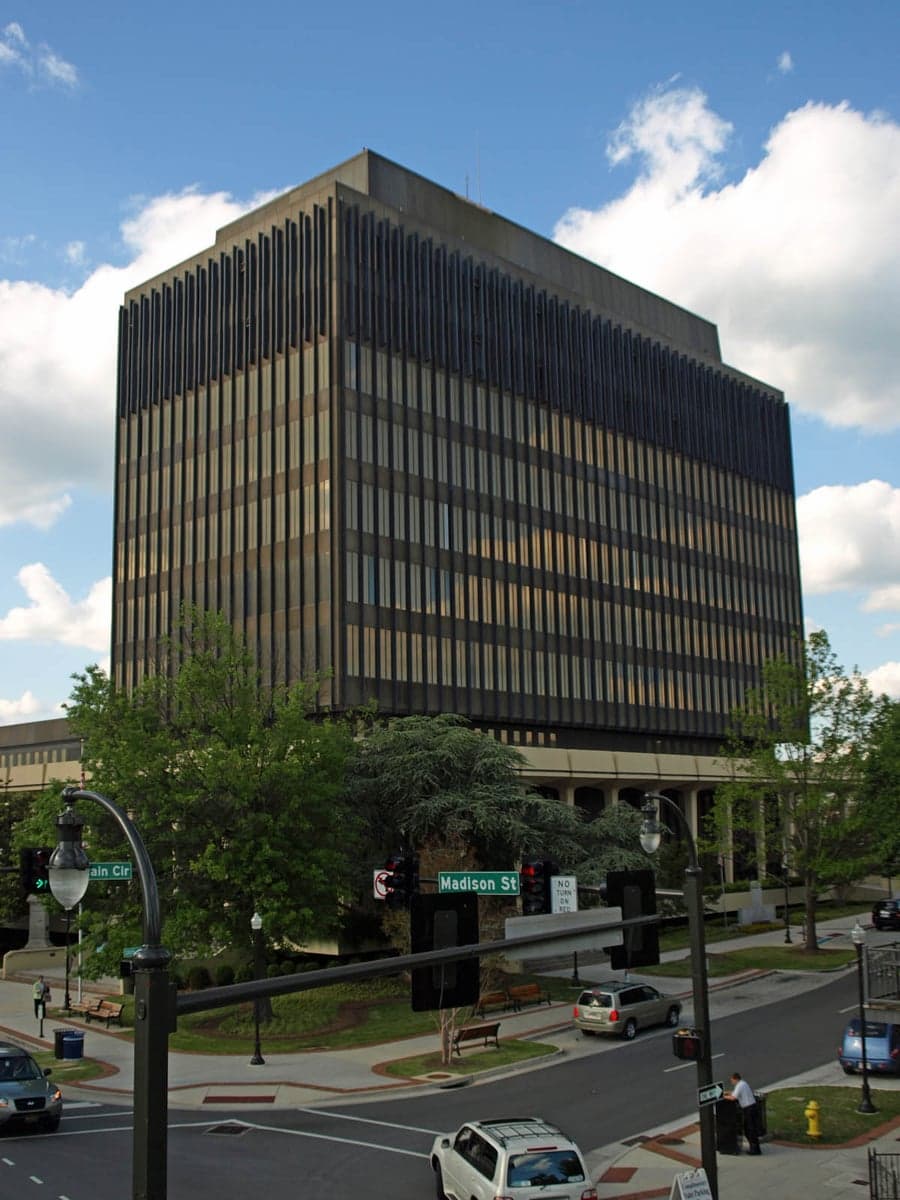
Photo: Wikipedia
Quality of Life in Madison County
A livable area that tracks near national norms for affordability, walkability, and neighborhood health.
What does Quality of Life tell us?
Quality of Life measures an area by evaluating factors like cost of living, nearby amenities, country club access, airport proximity, socioeconomic signals and neighborhood character. For large states, this is a general average — quality of life can vary dramatically between metro areas, suburbs, and rural communities within the same state.
What does this tell us?
Quality of Life measures an area by evaluating factors like cost of living, nearby amenities, country club access, airport proximity, socioeconomic signals and neighborhood character. For large states, this is a general average — quality of life can vary dramatically between metro areas, suburbs, and rural communities within the same state.
Cost of Living
4% below national average
109%
The Real Cost of Living in Madison County for 2026
| Tier | Individual | Family (4) |
|---|---|---|
| Survival | $18k | $33k |
| Comfortable | $52k | $76k |
| Luxury | $151k+ | $234k+ |
| Elite (Top 5%) | $180k+ | $278k+ |
Quality-of-Life Analysis
Madison County, Alabama blends growing suburban centers, historic small towns, and quiet rural stretches, attracting everyone from aerospace engineers commuting to Huntsville to families seeking lower taxes and land for under $300,000. The county's character shifts noticeably between its eastern edge near the Tennessee River, the more developed western corridor toward Huntsville's employment base, and the sparsely populated northern farmland. Residents here often choose their specific location based on commute tolerance, school priorities, and whether they prefer sidewalks or acreage.
Largest town(s) & population centers
Madison City is the county's largest and fastest-growing municipality, with a population now exceeding 60,000. Daily life revolves around a rapidly developed commercial corridor along Highway 72, with national retail chains, local dining, and the highly rated Madison City Schools system drawing families. The town's median home value sits above the county average, but its median rent of $1,116 remains accessible compared to national benchmarks. Neighboring Huntsville, which extends into Madison County, anchors the region's job market with defense contractors like Boeing and Lockheed Martin, as well as Cummings Research Park—one of the largest research parks in the nation. Huntsville's Providence District and downtown areas offer walkable dining and entertainment not yet common in the rest of the county.
Smaller towns & rural pockets
Historic Mooresville, population roughly 60, is the county's smallest incorporated town, preserving antebellum architecture and a slower pace along the Tennessee River. New Market, located north of Huntsville, maintains a rural crossroads feel with a smattering of local businesses and farmland, while Hazel Green and Toney remain predominantly unincorporated areas where residents live on larger lots and commute into Huntsville or Madison for work. The rural stretches along Browns Ferry Road and near the Blackburn Fork of the Flint River offer homes on one to five acres at prices well below the county's $267,800 median. These areas attract buyers willing to trade in-town amenities for more land and lower property tax burdens.
Cost & lifestyle range
Madison County's overall cost of living index of 96 sits below the national average, but the range within the county is wide. At the higher end, Madison City and the Huntsville-side neighborhoods near Jones Valley command home prices often exceeding $375,000 and offer the shortest average commute of just under 22 minutes. On the lower-cost end, New Market and northern rural areas near Elkmont see median home values closer to $180,000, with commute times pushing toward 30 to 35 minutes. Renters benefit from the county's sub-$1,200 median rent, though availability is tightest in Madison proper and Huntsville's influence zone. Property taxes remain low across the entire county, a consistent draw for retirees and remote workers relocating from higher-tax states.
Those who thrive in Madison County are typically professionals, families, and small-town retirees who want proximity to Huntsville's aerospace economy without living inside its urban core. The county rewards residents who are willing to navigate its spread-out geography: longer drives for groceries in rural areas, but a median commute that still beats most metros. Buyers seeking schools, retail, and short commutes gravitate to Madison City, while those prioritizing land, quiet, and lower debt gravitate to New Market's and Mooresville's outskirts. The county's continuum of lifestyle options—from suburban density to riverfront tranquility to working farmland—means its growth attracts people at nearly every income level within Alabama's affordable housing framework.

Crime in Madison County
Crime rates similar to the national median for U.S. locations.
Violent CrimeViolent Crime Analysis
Property CrimeProperty Crime Analysis
Crime Analysis
Madison County, Alabama, presents a crime picture that is mixed relative to other parts of the state. The overall violent crime rate of 349.8 per 100,000 residents and property crime rate of 1,489 per 100,000 place the county near the Alabama average, but specific jurisdictions within the county diverge significantly from this norm. Understanding where you live—whether in Huntsville, Madison, or one of the smaller towns—is critical to accurately assessing personal safety risk.
Crime in context
When compared to national figures, Madison County’s combined crime rate is slightly lower than the U.S. average for similar-sized metro areas. The violent crime rate of 349.8 per 100,000 is below the national median of roughly 380, but it is not among the safest counties in the Southeast. Property crime at 1,489 per 100,000 tracks close to the Alabama state rate (around 1,500), meaning that thefts, burglaries, and motor vehicle thefts are common enough to warrant routine precautions. However, these averages mask a stark divide: the city of Huntsville, the county seat, reports higher violent and property crime rates than the county at large, while the incorporated town of Madison City consistently posts much lower rates—often 30–40% below the county average for both categories. Smaller communities like Owens Cross Roads and New Hope generally see even less crime, with violent incidents being rare.
What residents experience
Residents’ day-to-day experience of safety depends heavily on neighborhood and jurisdictional boundaries. In Huntsville, especially areas near the downtown corridor and along University Drive, property crime—particularly vehicle break-ins and package theft—is a recurring frustration. Some north Huntsville neighborhoods have elevated rates of aggravated assault and robbery. By contrast, the city of Madison (population roughly 60,000) reports fewer than 200 property crimes per 100,000, a figure that rivals many suburban bedroom communities nationally. The ideological stance of the Madison County District Attorney’s office and the local judiciary is a major factor in these disparities. Huntsville, as a growing tech hub, has elected increasingly progressive prosecutors and judges who prioritize diversion programs and reduced sentencing for non-violent offenses. This approach, while well-intentioned, leads to shorter prison terms and more plea deals, which in turn puts more repeat offenders back on the street sooner. Communities under the jurisdiction of the Huntsville municipal courts have seen a corresponding uptick in recidivism-related property crimes. Conversely, areas that fall under the county court system, which tends toward more conservative sentencing, maintain lower crime rates.
Neighborhood-level variation is pronounced. The safest census tracts are concentrated in the far west of the county (around Harvest and Toney), where undeveloped land and lower population density keep crime numbers low. The highest-risk areas are in the center of Huntsville, particularly around the Cummings Research Park and medical district, where property crime clusters. For families seeking the safest environment, the city of Madison remains the standout choice, while those considering Huntsville should research specific zip codes and county court jurisdictions rather than relying on the citywide average. Readers should note that the progressive judicial philosophy in Huntsville has a direct, negative impact on public safety, as it reduces the deterrent effect of prosecution and increases the likelihood of repeat offenses by the same individuals.
* Values derived from national, state, county, city and local statistics and may differ in a specific area. Last updated: 2026-09-13T18:42:45.000Z
Narrative content on this page is AI-generated and may contain mistakes. Verify any details that matter before acting on them.
ReloMaps may earn a commission from affiliate links at no extra cost to you.

