Photo: Wikipedia
Find The Best Places To Live in Anchorage County
PRO TIP! You can paste a Zillow or Redfin link to get info on that property.
Best Places to Live in Anchorage County
Cities & Towns in Anchorage County
Cities in Anchorage County
What It's Like Living in Anchorage County, AK
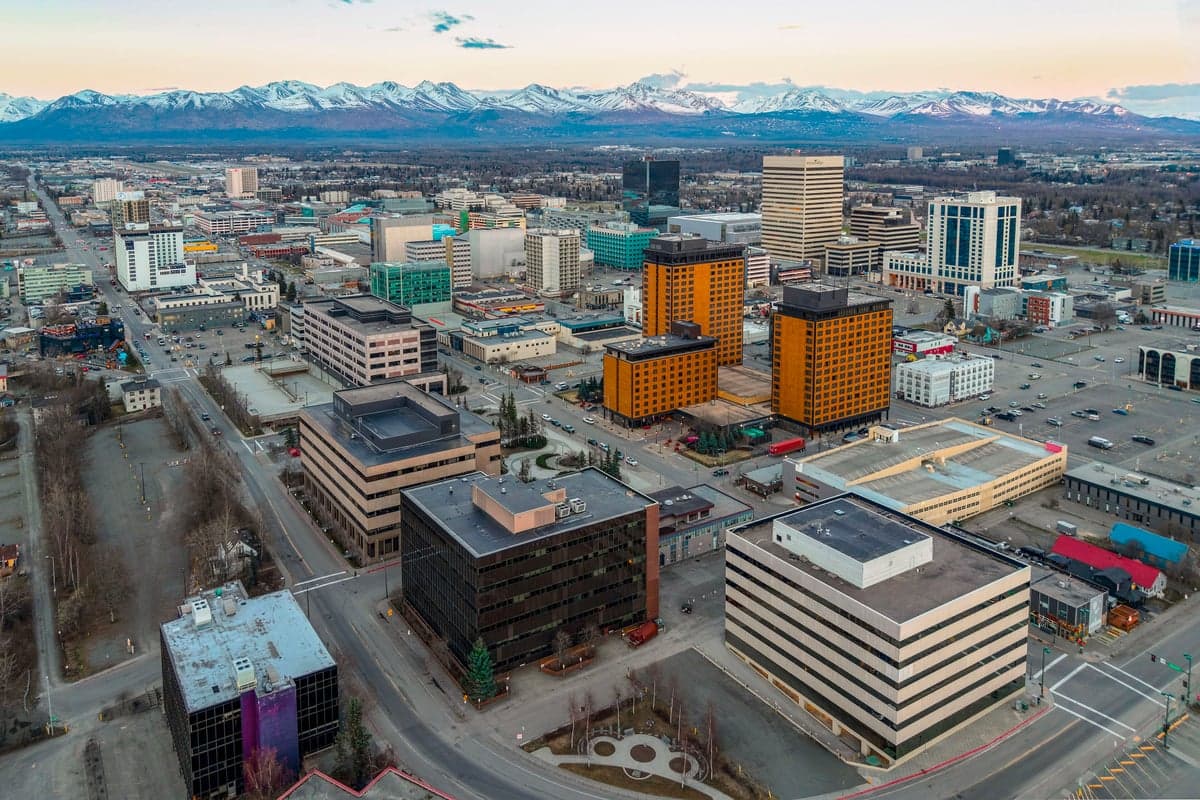
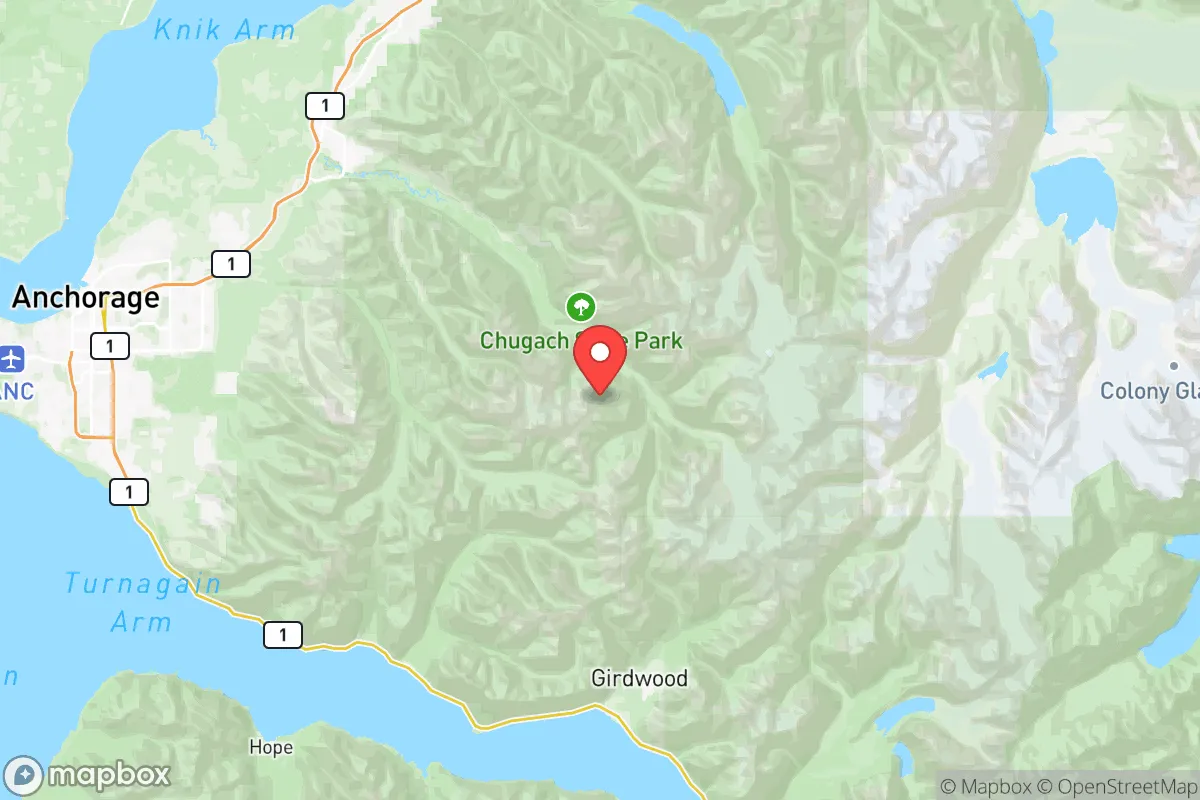
Living in Anchorage County means trading a conventional suburban routine for a life where the Chugach Mountains are your daily backdrop and moose crossings are a legitimate traffic hazard. The county, anchored by the city of Anchorage itself but stretching into quieter pockets like Eagle River, Girdwood, and the rural reaches of Chugiak, offers a blend of frontier independence and modern convenience that attracts a specific kind of person—someone who values access to wilderness but still wants a decent espresso and a reliable internet connection. It’s not for everyone, but for those who fit, it’s hard to imagine living anywhere else.
The Daily Rhythm: Commuting with Mountains and Moose
Most residents live and work within the Anchorage bowl, but the county’s layout means your daily commute can feel like a scenic drive. The average commute is just under 19 minutes, which is remarkably short for a city of nearly 290,000 people. That’s because the job market is concentrated, and traffic, while real during peak hours on the Glenn Highway or Seward Highway, rarely reaches the gridlock of the Lower 48. People in Eagle River or Chugiak might grumble about the 20-minute drive into midtown Anchorage, but they’ll also tell you it’s worth it for the quieter neighborhoods and quicker access to the trails. The median household income sits at $98,152, which helps offset a cost of living index of 128—meaning everyday goods, from groceries to gas, run about 28% higher than the national average. That’s the Alaska tax: you pay more for convenience, but you also get a lifestyle that’s hard to replicate.
Weekends here are defined by the season. In summer, you’ll find families at the Anchorage Market & Festival on Third Avenue, or hiking Flattop Mountain before the afternoon clouds roll in. In winter, the rhythm shifts to skiing at Alyeska Resort in Girdwood or fat-tire biking on groomed trails. The median age is 34.9, which reflects a population that’s young enough to be active but old enough to have settled into careers—often in healthcare, oil and gas, or the military. It’s a place where your coworker might also be your neighbor on the ski patrol, and where the local REI is a social hub as much as a store.
Sports, Community, and the Anchorage Identity
Sports here are less about pro franchises and more about participation and community pride. The University of Alaska Anchorage Seawolves draw decent crowds for hockey at the Avis Alaska Sports Complex, but the real energy is in high school sports and youth leagues. Friday-night football at Dimond High or Service High is a genuine community event, and the state hockey tournaments are a rite of passage for many families. The Fur Rendezvous Festival in February—often called "Rondy"—is the closest thing Anchorage has to a civic holiday, with sled dog races, snow sculpture competitions, and a general embrace of winter that defines the local spirit. For a more laid-back evening, locals head to the 49th State Brewing Company in downtown Anchorage or the Moose's Tooth Pub and Pizzeria, a legendary spot that’s been serving beer and pizza since the 1990s and is packed year-round.
The kind of person who thrives here is self-reliant, outdoorsy, and tolerant of long, dark winters. About 37.7% of adults hold a college degree, which aligns with the professional demands of the local economy, but there’s also a strong blue-collar and trades presence. It’s a mix that works because everyone shares the same reality: you need to be prepared for weather, wildlife, and the occasional power outage. The cultural quirk is that people here measure distance in time, not miles—"it’s about 45 minutes to Girdwood" is a common phrase—and they take pride in knowing how to handle a car in snow, how to dress in layers, and how to spot a moose before it steps into the road.
What’s There to Do: From Glacier Hikes to Brewery Tours
Entertainment in Anchorage County is heavily tied to the outdoors, but there’s a surprising amount of cultural and social life too. The Alaska Zoo in south Anchorage is a family staple, and the Anchorage Museum downtown offers exhibits on state history and art that draw both locals and tourists. For music, the Alaska Center for the Performing Arts hosts everything from Broadway tours to local symphony performances, while smaller venues like Williwaw Social in the downtown core offer live music and a younger crowd. The summer solstice is a big deal, with the Anchorage Solstice Festival and nearly 22 hours of daylight that make it feel like the city never sleeps. In the winter, the Iditarod Trail Sled Dog Race starts in downtown Anchorage, and the ceremonial start is a major event that brings the whole county together.
For families, the schools are a mixed bag—some are excellent, particularly in the Hillside and South Anchorage neighborhoods, while others struggle with funding and overcrowding. The Anchorage School District is the largest in the state, and school choice is a common topic among parents. The violent crime rate of 726.6 per 100,000 is a genuine concern, especially in certain parts of midtown and Mountain View, and it’s something longtime residents will mention as a downside. Property crime, particularly vehicle break-ins, is also an issue. But most people will tell you that common sense—locking doors, not leaving valuables in sight—goes a long way, and the vast majority of neighborhoods feel safe during the day.
Pros and Cons of Living in Anchorage County
- Pro: Unmatched access to wilderness. You can be on a glacier hike or salmon fishing within 30 minutes of leaving your house. Girdwood, just 40 minutes south, offers world-class skiing and a tight-knit resort community.
- Pro: A strong sense of community. People help each other with snow removal, share game meat, and actually know their neighbors. The median home value of $375,900 is high, but it buys space and a lifestyle that many find worth the cost.
- Con: The cost of living is real. A cost of living index of 128 means your dollar doesn’t stretch as far, especially for groceries and heating oil. The median income of $98,152 helps, but newcomers are often surprised by the price of a gallon of milk.
- Con: The darkness. From November through January, daylight is limited to about 5-6 hours, and seasonal affective disorder is a common topic. It’s not for everyone, and some families find it hard to adjust.
- Con: Crime in specific areas. While most of the county is safe, the violent crime rate is significantly above the national average, and property crime is a persistent nuisance, particularly in the downtown and midtown corridors.
Ultimately, Anchorage County is a place of trade-offs. You get the beauty of the Chugach Range, the convenience of a city with real amenities, and a community that values self-sufficiency and outdoor recreation. But you also pay more for it, deal with real crime concerns, and endure a winter that tests your resolve. For the right person—someone who sees a moose in the yard as a feature, not a bug—it’s home.

* Values derived from national, state, county, city and local statistics and may differ in a specific area. Last updated: 2026-08-04T14:15:39.000Z
Narrative content on this page is AI-generated and may contain mistakes. Verify any details that matter before acting on them.
ReloMaps may earn a commission from affiliate links at no extra cost to you.

