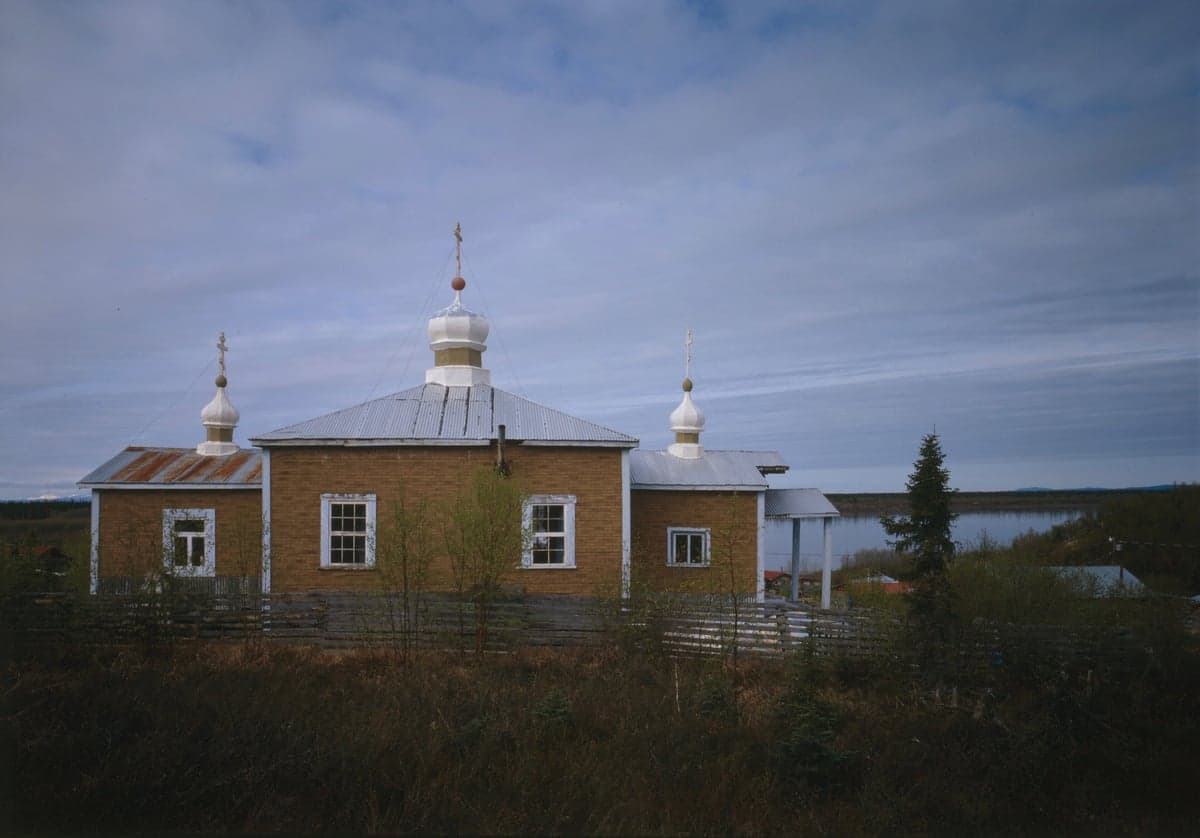
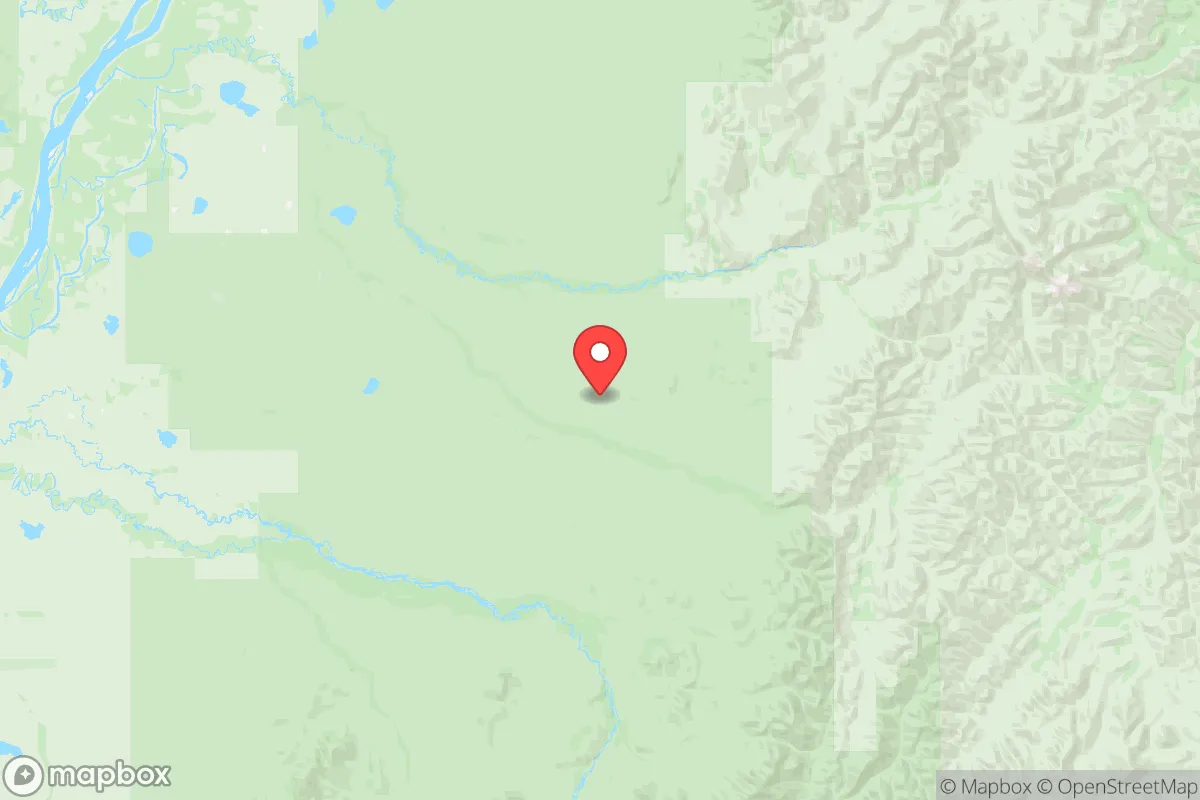
Photo: Wikipedia
Quality of Life in Bethel County
A livable area that tracks near national norms for affordability, walkability, and neighborhood health.
What does Quality of Life tell us?
Quality of Life measures an area by evaluating factors like cost of living, nearby amenities, country club access, airport proximity, socioeconomic signals and neighborhood character. For large states, this is a general average — quality of life can vary dramatically between metro areas, suburbs, and rural communities within the same state.
What does this tell us?
Quality of Life measures an area by evaluating factors like cost of living, nearby amenities, country club access, airport proximity, socioeconomic signals and neighborhood character. For large states, this is a general average — quality of life can vary dramatically between metro areas, suburbs, and rural communities within the same state.
Cost of Living
8% below national average
129%
The Real Cost of Living in Bethel County for 2026
| Tier | Individual | Family (4) |
|---|---|---|
| Survival | $23k | $44k |
| Comfortable | $37k | $55k |
| Luxury | $120k+ | $186k+ |
| Elite (Top 5%) | $141k+ | $219k+ |
Quality-of-Life Analysis
Bethel County, Alaska, offers a quality-of-life spectrum that ranges from the regional hub of Bethel itself to remote, fly-in villages along the Kuskokwim River, attracting everyone from healthcare workers and educators to subsistence hunters and those seeking a deeply traditional Yup’ik lifestyle. The county’s character is defined by its role as the commercial and transportation center for western Alaska, yet the vast majority of its land area consists of isolated communities accessible only by air or river. People drawn to Bethel County typically value community connection, outdoor subsistence activities, and a slower pace of life, but they must also contend with extreme isolation, high prices for shipped goods, and a subarctic climate.
Largest town(s) & population centers
The only incorporated city and undisputed population center is Bethel, home to roughly 6,300 residents and serving as the regional hub for 56 surrounding villages. Daily life in Bethel revolves around the Yukon-Kuskokwim Health Corporation (YKHC), the region’s largest employer, and the University of Alaska Fairbanks’ Kuskokwim Campus. Residents enjoy amenities rare elsewhere in the county, including a hospital, multiple grocery stores (with famously high prices), a small airport with daily jet service to Anchorage, and a handful of restaurants and hotels. The median home value in Bethel sits at $120,600, and the median rent is $1,454, reflecting the high cost of construction and shipping in a community with no road connections to the rest of Alaska. The average commute is a short 19.5 minutes, but many residents travel by snowmachine, ATV, or boat rather than car. Bethel’s population is predominantly Alaska Native (Yup’ik), and English is widely spoken alongside Yup’ik, creating a unique bicultural atmosphere.
Smaller towns & rural pockets
Beyond Bethel, the county contains a constellation of smaller villages along the Kuskokwim River and its tributaries, including Napaskiak, Oscarville, Kwethluk, Akiak, Tuluksak, and Akiachak. These communities, typically with populations between 200 and 700, are accessible only by small plane, boat, or snowmachine. Daily life here centers on subsistence activities—fishing for salmon, hunting moose and waterfowl, and gathering berries—supplemented by wage jobs in local schools, village clinics, or tribal offices. Housing is often a mix of modern HUD-built homes and traditional structures, with many homes lacking running water or sewer connections. The cost of living index for Bethel County is 92 (below the U.S. average of 100), but this figure is misleading: while housing costs are lower than in Anchorage, the price of food, fuel, and utilities is dramatically higher due to shipping expenses. For example, a gallon of milk in Napaskiak can cost $8-$10, and heating fuel is a major annual expense.
Cost & lifestyle range
The cost and lifestyle spread across Bethel County is stark. At one end, Bethel offers the highest concentration of amenities—electricity, running water, internet access, and a variety of retail options—with a cost of living that, while high, is somewhat mitigated by the presence of larger employers and a cash economy. At the opposite end, villages like Oscarville or Tuluksak represent a near-total subsistence lifestyle, where families rely on fish and game for the majority of their food, and cash income is limited to seasonal work or public assistance. Housing costs in these villages are lower (often under $80,000 for a small home), but the lack of plumbing, high energy costs, and limited access to healthcare and education create a fundamentally different quality of life. The median home value of $120,600 is heavily weighted by Bethel’s housing stock; in villages, many homes are not formally appraised or sold on the open market. The average commute of 19.5 minutes is also Bethel-centric; in villages, the “commute” might be a short walk to the school or clinic, or a boat ride to a fish camp.
Who thrives in Bethel County? The county is best suited for individuals and families who are self-reliant, community-oriented, and comfortable with extreme isolation and a subarctic climate. Healthcare professionals, educators, and public safety officers are in high demand and often receive housing subsidies or relocation bonuses. For Alaska Native families, especially those from the region, Bethel County offers the strongest connection to traditional Yup’ik culture, subsistence practices, and extended family networks. Outsiders who succeed here typically embrace the slower pace, respect local customs, and find purpose in the region’s strong sense of community. Those seeking urban amenities, reliable road access, or a low cost of consumer goods will find Bethel County challenging, but for the right person, it offers a quality of life unmatched anywhere else in the United States.

Crime in Bethel County
Higher crime rates than 66% of comparable U.S. locations.
Violent CrimeViolent Crime Analysis
Property CrimeProperty Crime Analysis
Crime Analysis
Bethel County, Alaska, faces a serious public safety challenge, with violent crime rates more than double the national average and property crime rates that significantly exceed both state and national benchmarks. The county's remote location in western Alaska, combined with limited law enforcement resources and a high prevalence of substance abuse, creates a difficult environment for residents. While the county seat of Bethel serves as the primary hub for services and policing, smaller communities like Aniak, St. Mary's, and Hooper Bay experience their own distinct safety dynamics, often with even fewer protective resources.
Crime in context
Bethel County's violent crime rate of 731.2 incidents per 100,000 residents is roughly double the national average of approximately 380 per 100,000 and far exceeds Alaska's already elevated state rate of about 640 per 100,000. Property crime stands at 1,916.7 per 100,000, which is above the national average of 1,954 per 100,000 but notably lower than Alaska's state average of roughly 2,500 per 100,000. These figures place Bethel County among the more dangerous areas in Alaska for violent offenses, driven largely by domestic violence, assault, and alcohol-related incidents. The county's judicial system, operating under the Bethel District Court, has faced criticism for progressive sentencing practices that some argue prioritize rehabilitation over incarceration, potentially contributing to repeat offenses and a revolving-door effect for violent offenders.
What residents experience
Daily life in Bethel County is shaped by a high incidence of alcohol and drug-fueled violence, particularly in the regional hub of Bethel itself, where the majority of reported crimes occur. Residents in Bethel frequently report concerns about public intoxication, property theft, and domestic disturbances, with the Bethel Police Department often stretched thin across a sprawling service area. In smaller villages like Aniak and St. Mary's, crime is less frequent but can be more severe when it occurs, as state troopers may take hours or days to respond due to distance and weather. Hooper Bay, one of the county's larger villages, has seen periodic spikes in violent crime linked to substance abuse and limited economic opportunity. The prevalence of progressive district attorneys in the region, who often favor diversion programs and reduced sentences for non-violent offenders, has led to frustration among victims who feel the system fails to hold perpetrators accountable, particularly in cases involving repeat domestic violence offenders.
Neighborhood-level variation
Safety conditions vary significantly across Bethel County's 75+ communities, though reliable neighborhood-level crime data is sparse. The city of Bethel itself has distinct pockets: the downtown area near the Kuskokwim River and the airport corridor see higher rates of public intoxication and theft, while residential neighborhoods like Napakiak Road and the hospital district are generally quieter but still experience occasional property crime. In outlying villages like Kwigillingok and Tuntutuliak, crime is often underreported, and residents rely heavily on informal community watch systems. The lack of a county-wide sheriff's department means that the Alaska State Troopers, based in Bethel, must cover vast distances, leaving many villages with minimal law enforcement presence for extended periods. For those considering relocation, the safest options are typically smaller, tight-knit communities with active tribal councils and strong social networks, though no area in Bethel County can be considered low-risk by national standards.
* Values derived from national, state, county, city and local statistics and may differ in a specific area. Last updated: 2026-06-12T19:53:16.000Z
Narrative content on this page is AI-generated and may contain mistakes. Verify any details that matter before acting on them.
ReloMaps may earn a commission from affiliate links at no extra cost to you.

