Photo: Wikipedia
Find The Best Places To Live
in Hooper Bay
PRO TIP! You can paste a Zillow or Redfin link to get info on that property.
What It's Like Living in Hooper Bay, AK
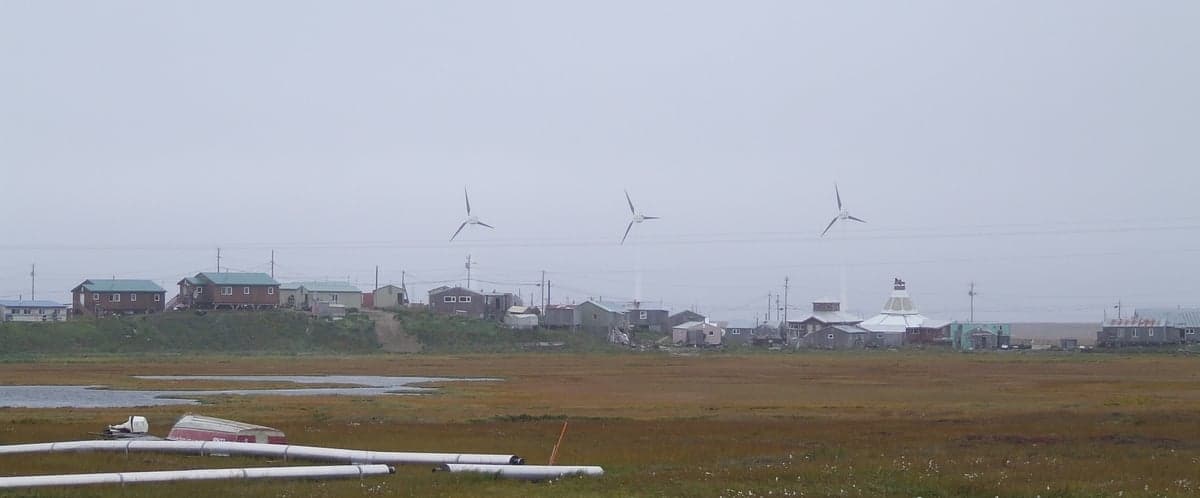
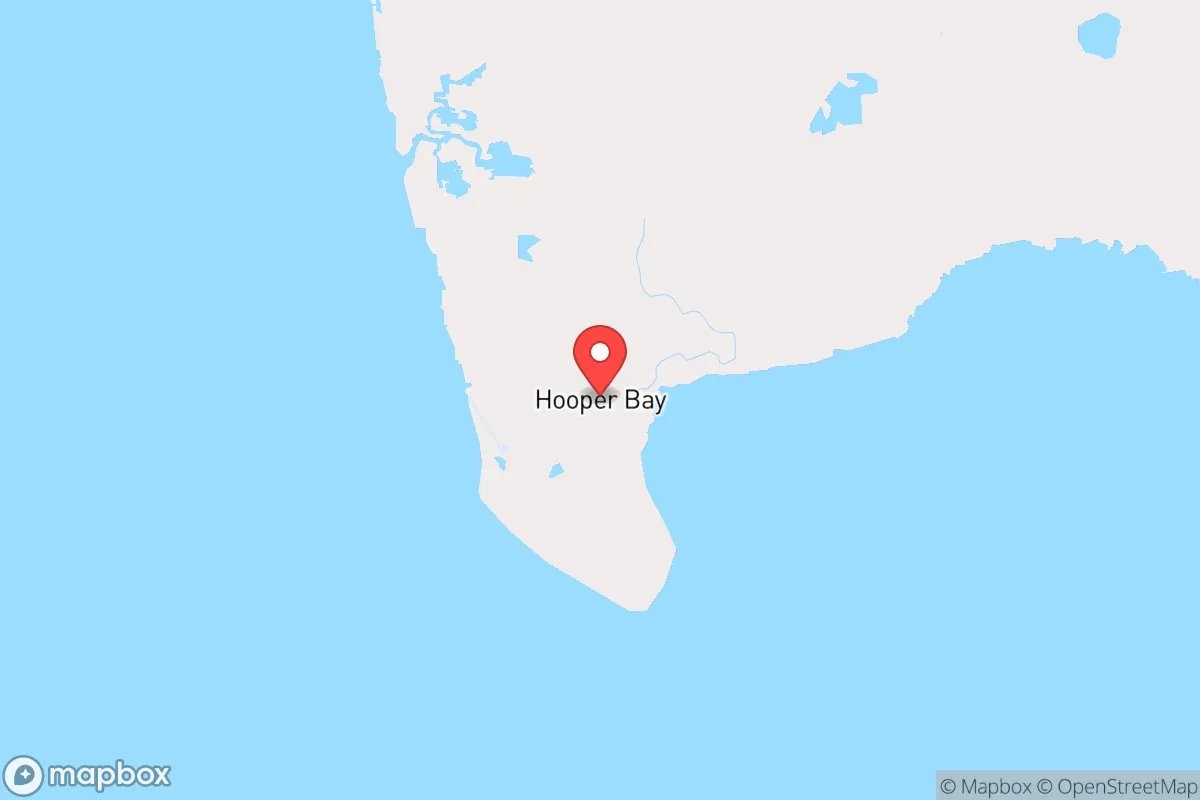
Hooper Bay is a Yup’ik village of about 1,008 people on the Bering Sea coast, and living here means embracing a life that’s both deeply traditional and surprisingly modern in its isolation. There are no roads connecting it to the rest of Alaska—everything comes in by plane or barge, and the rhythms of subsistence hunting, fishing, and berry picking still set the calendar. If you’re considering a move here, you’re likely drawn to a place where community ties are tight, the pace is slow, and the outdoors isn’t a weekend getaway—it’s your front yard.
Daily Rhythm in a Remote Village
Most mornings start early, often before sunrise, especially during the long winter dark. People work for the Yup’ik School District, the local tribal council, or the clinic—those are the big employers. The average commute is just under five minutes, which isn’t a boast; it’s a fact of life when the entire town fits in a few square miles. There’s no traffic, no stoplights, and the only “rush hour” is when the mail plane lands. Shopping is limited to a small general store where a gallon of milk can run $10 or more, so most families supplement with what they harvest: seal, salmon, moose, and berries. Weekends are often spent checking nets, repairing snow machines, or visiting extended family. The median age here is 30.1, which skews young—many households have kids, and the school is the social hub.
Sports, Community, and What People Do for Fun
High school basketball is the big deal. The Hooper Bay Warriors (part of the 1A Alaska Schools Activities Association) draw the whole village for home games. It’s not just a sport—it’s a weekend event where the gym is packed, and the energy is electric. There’s no pro team within a thousand miles, so the local team carries the community’s pride. Beyond basketball, people spend time outdoors: snow machining in winter, boating and fishing in summer, and berry picking in the tundra during fall. The Hooper Bay Spring Carnival is a highlight, with traditional dancing, blanket tosses, and dog mushing races. There’s no movie theater, no bowling alley, no bar scene—entertainment is what you make it. For many, that means potlucks, church gatherings, or simply sitting on the beach watching the ice break up in May.
Pros and Cons of Living Here
What longtime residents love: the sense of safety and belonging. Violent crime rates are high on paper—726.6 per 100,000—but that statistic reflects a different reality than in a city. Here, crime is almost always between people who know each other, and property theft is rare because everyone knows everyone’s boat. The cost of living index is 62 (well below the US average of 100), but that’s deceptive: while housing is cheap relative to Anchorage (median home value $333,300), groceries and fuel are brutally expensive because of shipping costs. The median household income is $47,000, which goes further on housing but not on food. Only 3.1% of adults have a college degree, and that’s not a knock—it reflects a culture where traditional knowledge is valued over formal education. What frustrates people: the isolation. If you need a specialty doctor or a part for a snow machine, it’s a flight to Bethel or Anchorage. The weather is harsh: winter temps hover around 0°F, with wind chills far lower, and summer is short and buggy. There’s no road out, so cabin fever is real. The school is the center of community life, but if you don’t have kids or a job tied to it, you might feel like an outsider for years.
Who Fits In Here
This isn’t a place for someone seeking career advancement or nightlife. The kind of person who thrives in Hooper Bay is self-sufficient, patient, and comfortable with a subsistence lifestyle. Families who move here are often teachers, health workers, or missionaries—people with a clear purpose. Single individuals might find it tough socially unless they’re deeply involved in the community. Affluence is relative: you don’t need much money to live here, but you do need resilience. The median age of 30.1 suggests a young population, but it’s a young population that grew up here, not newcomers. If you’re a parent, the school is small (under 200 students K-12), and your kids will know everyone. If you’re single and not Yup’ik, expect a long adjustment period. The cultural identity is strong—Yup’ik language is still spoken widely, and traditional values like sharing and respect for elders shape daily life. It’s a beautiful, hard place, and it’s not for everyone. But for those who stay, it’s home.

Similar small towns to Hooper Bay

* Values derived from national, state, county, city and local statistics and may differ in a specific area. Last updated: 2026-04-19T19:22:32.000Z
Narrative content on this page is AI-generated and may contain mistakes. Verify any details that matter before acting on them.
ReloMaps may earn a commission from affiliate links at no extra cost to you.

