Photo: Wikipedia
Find The Best Places To Live
in Kwethluk
PRO TIP! You can paste a Zillow or Redfin link to get info on that property.
What It's Like Living in Kwethluk, AK
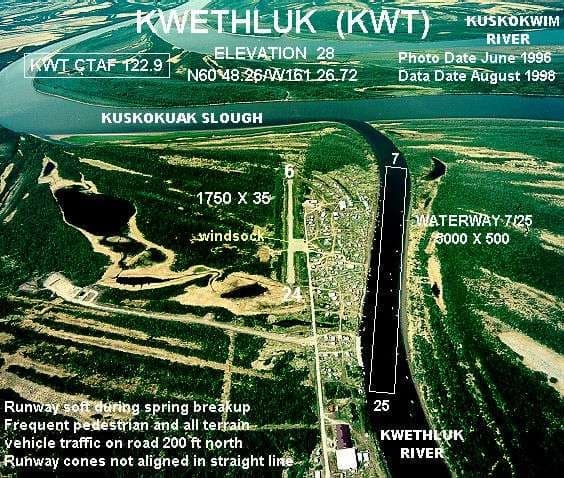
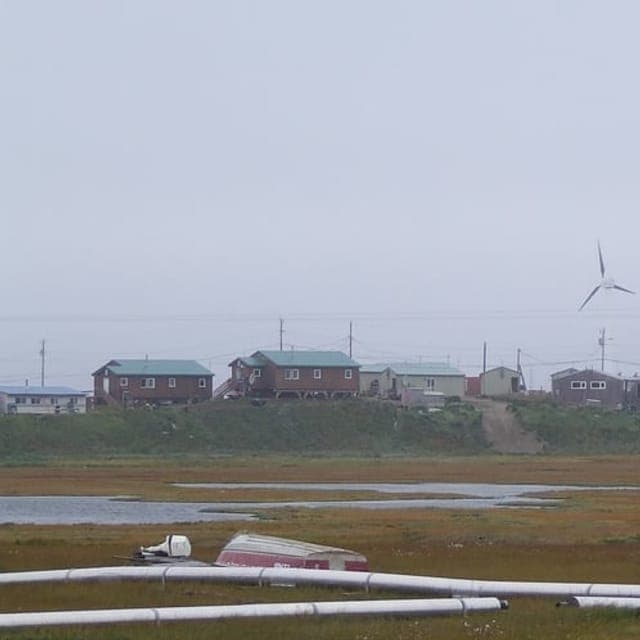
Living in Kwethluk, Alaska, means trading the convenience of a highway for the rhythm of the Kuskokwim River and the airstrip that connects this Yup’ik village of 852 people to the outside world. It’s a place where subsistence fishing and hunting aren’t hobbies—they’re the backbone of daily life, and where the local school isn’t just a place for classes but the community’s living room. If you’re considering a move here, you’re likely drawn to a quieter, more traditional existence, but you’ll need to be ready for a reality that’s far removed from suburban Alaska or the Lower 48.
Daily Rhythm in a River Village
Most mornings in Kwethluk start early, often before sunrise, especially during summer’s endless daylight. The primary employers—the Kwethluk Tribal Council, the Yupiit School District, and the local health clinic—set the workday pace, but the real heartbeat of the village is the river. In summer, families head out on skiffs to set nets for salmon (chum and king runs are a big deal), while winter brings snowmachine travel to check trap lines or haul ice for water. There’s no restaurant or grocery store in the conventional sense—the Kwethluk Native Store is the main source for staples like canned goods, flour, and fuel, but prices are high (a gallon of milk can run $8–$10). Most households rely on a mix of store-bought food and wild harvest: moose, caribou, salmon, and berries like salmonberries and blueberries. Weekends are often spent processing that harvest—smoking fish, canning meat, or mending nets—or gathering at the Kwethluk Community Hall for potlatches, basketball tournaments, or bingo nights.
Who Fits In Here
Kwethluk isn’t a place for someone looking for a part-time adventure or a remote-work escape. The median age is just 24.2, and the population skews young and Yup’ik—about 95% of residents are Alaska Native. The kind of person who thrives here is someone who values community interdependence over privacy, who can handle long stretches of cold and darkness (winter temps often dip below -20°F, with only about 4 hours of daylight in December), and who doesn’t mind that the nearest real city—Bethel—is a 30-minute plane ride or a multi-hour boat trip away. With a median household income of $48,056 and a cost of living index of 52 (well below the national average), the cash economy is modest, but the subsistence lifestyle offsets some costs. Only 7.9% of adults hold a college degree, so professional jobs are scarce and usually tied to tribal government, the school, or healthcare. Families with young children are common, and the school—Kwethluk School (K–12)—is the social hub, hosting everything from basketball games to parent-teacher nights. Single adults without strong family ties here often find the isolation tough; the village is tight-knit, and newcomers are expected to earn trust by participating, not just observing.
Sports, Community, and the Big Events
Basketball is king in Kwethluk. The Kwethluk Eagles (the high school team) draw the whole village to the gym for games against rival villages like Akiachak and Akiak. The Kuskokwim 300 sled dog race, which passes near the region, gets some attention, but it’s the local Kwethluk Invitational Basketball Tournament in late winter that packs the stands. Beyond hoops, the Kwethluk River is the main playground: fishing for pike and whitefish in summer, and snowmachine races on the frozen river in winter. The biggest annual event is Camai, a Yup’ik dance festival held in Bethel each spring, but Kwethluk hosts its own smaller gatherings—like the Kwethluk Tribal Council’s annual potlatch—where elders teach traditional dances and songs. There are no bars or music venues; alcohol is banned in the village (a local option law keeps it out), so social life revolves around the community hall, church (the Kwethluk Moravian Church is active), and private homes. For entertainment, residents rely on satellite TV, internet (slow and expensive, with Starlink gaining traction), and the occasional movie night at the school.
Pros and Cons of Living in Kwethluk
- Pro: Deep community ties. Everyone knows everyone, and neighbors help each other with everything from hauling a boat to sharing a moose harvest. The subsistence lifestyle creates a strong sense of purpose and connection to the land.
- Con: High violent crime rate. At 726.6 per 100,000 residents, the violent crime rate is significantly above the national average—largely tied to alcohol abuse and domestic disputes in a dry village where bootlegging is a problem. It’s not a place to leave doors unlocked.
- Pro: Affordable housing. The median home value is just $63,700, and many homes are tribally owned or subsidized. Rent is low, but housing quality varies—many homes are overcrowded and in need of repair.
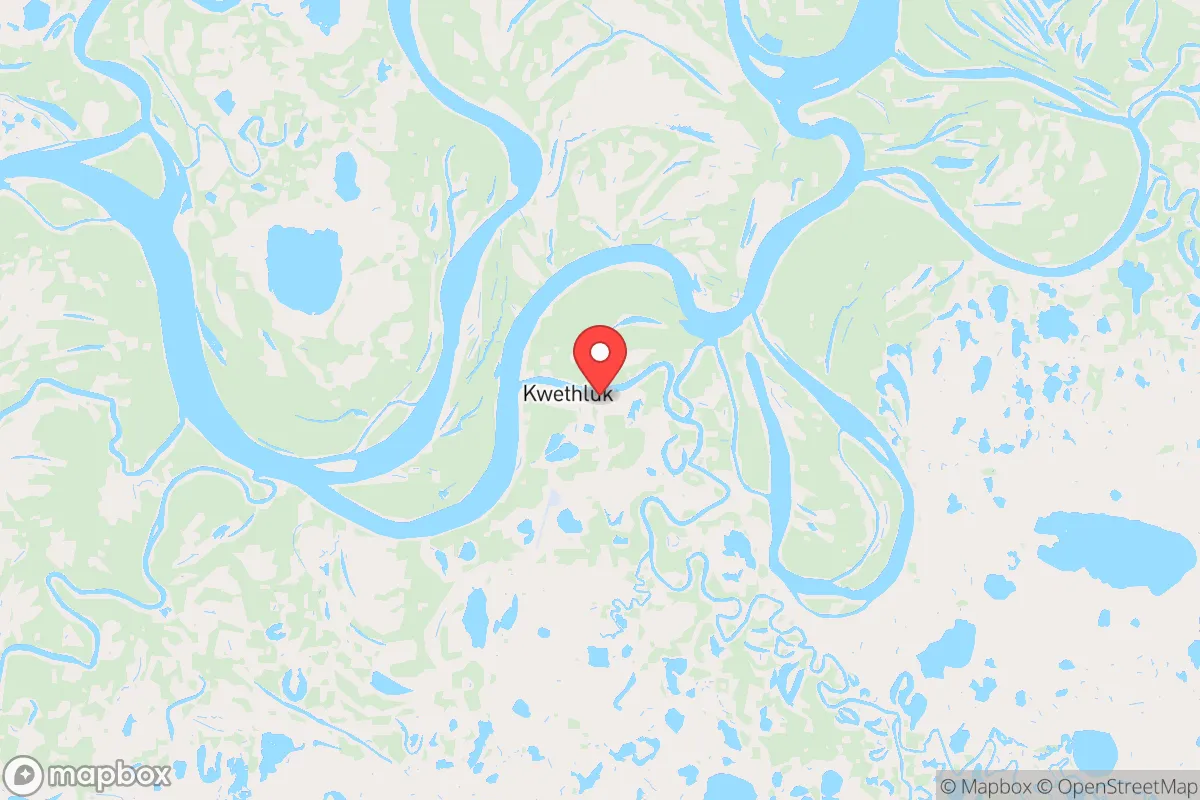
- Con: Isolation and logistics. No roads connect Kwethluk to the rest of Alaska. Everything comes by barge or air, and a round-trip flight to Bethel costs around $200. Medical emergencies mean a medevac, and even a routine dental visit requires planning.
- Pro: Rich cultural traditions. Yup’ik language is still spoken widely, and subsistence practices like berry picking, net mending, and dog mushing are everyday life, not museum exhibits.
- Con: Limited economic opportunity. With a median income of $48,056 and few jobs beyond tribal government and the school, many residents rely on seasonal work (commercial fishing, firefighting) or permanent fund dividends to make ends meet.
Kwethluk isn’t for everyone, and it doesn’t pretend to be. It’s a place where the river is the highway, the school is the social center, and the cold is a fact of life. For those who value self-reliance, community, and a pace of life dictated by the seasons rather than a clock, it offers a kind of freedom that’s hard to find elsewhere. But the isolation, the crime, and the lack of amenities are real trade-offs. If you’re considering a move, spend a week here first—preferably in February—to see if the quiet and the cold feel like home or just a long winter.

Similar small towns to Kwethluk
* Values derived from national, state, county, city and local statistics and may differ in a specific area. Last updated: 2026-04-19T19:31:32.000Z
Narrative content on this page is AI-generated and may contain mistakes. Verify any details that matter before acting on them.
ReloMaps may earn a commission from affiliate links at no extra cost to you.

