Photo: Wikipedia
Find The Best Places To Live in Bethel County
PRO TIP! You can paste a Zillow or Redfin link to get info on that property.
Best Places to Live in Bethel County
Cities & Towns in Bethel County
Cities in Bethel County
What It's Like Living in Bethel County, AK
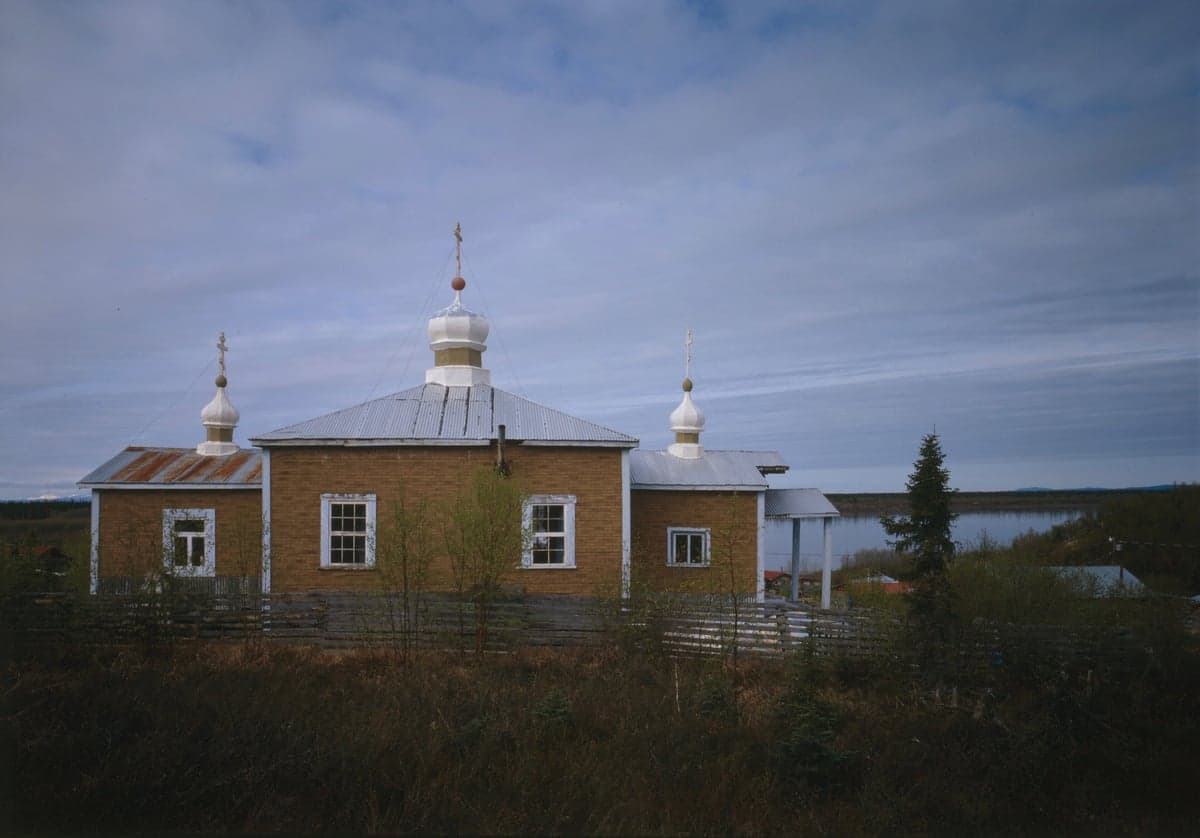
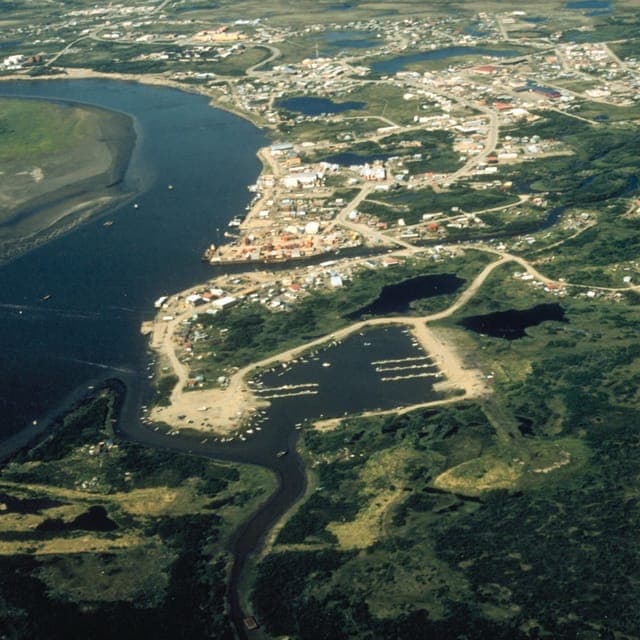
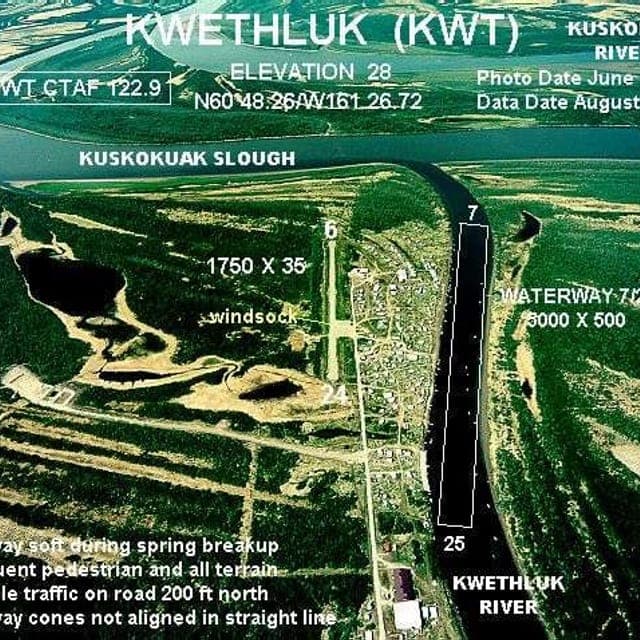
Living in Bethel County, Alaska, means embracing a life where the Kuskokwim River is the main highway and the rhythm of the year is set by freeze-up and break-up, not by the school calendar. This is a place of stark contrasts—a modern hub of 18,487 people where subsistence fishing and hunting coexist with satellite internet and state-of-the-art healthcare. The county’s heart is the city of Bethel, the regional center, but the true character comes from the 50+ smaller villages like Napakiak, Kwethluk, Tuluksak, and Akiak, where life moves at a slower, more traditional pace. If you’re considering a move here, you’re not just relocating; you’re adapting to a unique Alaskan lifestyle that few outsiders truly understand.
The Daily Rhythm: River Time and Boardwalk Miles
Daily life in Bethel County is defined by logistics. In the city of Bethel itself, most people get around on four-wheelers and trucks on unpaved roads, but in the outlying villages, the only connection is by boat in summer, snowmachine in winter, or bush plane year-round. The average commute of about 19 minutes is a real figure, but it’s misleading—that’s just the drive from home to work in Bethel proper. For residents of Napakiak or Kwethluk, a commute might mean a 30-minute boat ride or a flight. Shopping is a weekly event at the local AC store (Alaska Commercial Company), where prices are high—a gallon of milk can run $8—so many families still rely on moose, salmon, and berries from the land. The median income of $70,616 sounds solid, but it’s often stretched thin by those costs. The kind of person who fits here is self-reliant, comfortable with solitude, and values community over convenience. It’s a place for people who don’t mind that the nearest Home Depot is a plane ride away, and who find satisfaction in fixing their own snowmachine or smoking their own fish.
Sports, Community, and the Big Events
Sports here aren’t about packed stadiums; they’re about survival and celebration. The Kuskokwim 300, a mid-distance sled dog race from Bethel to Aniak and back, is the biggest event of the year, drawing mushers and spectators from across the state. High school basketball is a genuine community pillar—the Bethel Regional High School Warriors and the smaller village schools like Akiak’s team pack gyms for tournaments, with the state-wide bracket often featuring Bethel County teams. For entertainment, the Bethel scene includes the annual Camai Dance Festival, a celebration of Yup’ik culture with traditional dancing, mask-making, and storytelling. The local bars—like the Polar Bar or the Kuskokwim Inn—are social hubs where you’ll hear a mix of English and Yup’ik. Outdoor life is the real draw: fishing for king salmon on the Kuskokwim, berry picking on the tundra, and hunting for moose and waterfowl. The median age of 28.7 reflects a young, active population, but the college-educated rate of just 10.4% means many jobs are in trades, healthcare, or village public safety.
The Honest Trade-Offs: What Works and What Grates
Longtime residents love the deep sense of community—everyone knows everyone, and neighbors help without being asked. The cost of living index of 92 (below the US average) is a real plus for housing, with a median home value of just $120,600, making it one of the most affordable places in Alaska to own a home. But the trade-offs are significant. The violent crime rate of 731.2 per 100,000 is high, driven largely by alcohol-related incidents in a region with widespread prohibition in many villages. The weather is a constant factor: winters are long, dark, and cold, with temperatures dropping to -40°F, and summers are short but intense with 20+ hours of daylight. The lack of road connections to the rest of Alaska means everything—from cars to groceries—comes by barge or air, which can feel isolating. For families, schools are the heart of village life, but high school often means boarding in Bethel or even Anchorage for students from smaller communities. The cultural quirks are real: you’ll learn to navigate “village time” (events start when they start), and you’ll quickly understand why “break-up” (when the river ice melts) is both a season and a state of mind. It’s a place that rewards patience, resourcefulness, and a willingness to slow down—and that’s exactly why the people who stay, stay for good.

* Values derived from national, state, county, city and local statistics and may differ in a specific area. Last updated: 2026-06-12T19:53:16.000Z
Narrative content on this page is AI-generated and may contain mistakes. Verify any details that matter before acting on them.
ReloMaps may earn a commission from affiliate links at no extra cost to you.

