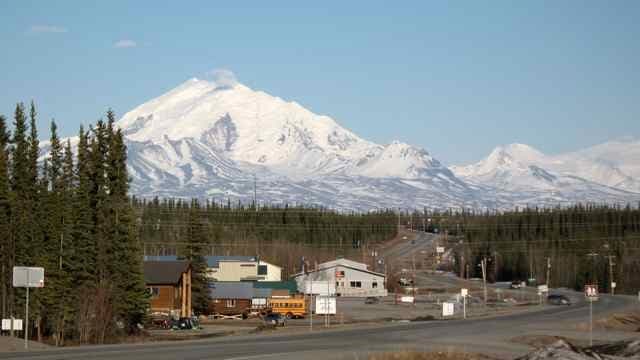
Photo: Wikipedia
Quality of Life in Copper River County
A livable area that tracks near national norms for affordability, walkability, and neighborhood health.
What does Quality of Life tell us?
Quality of Life measures an area by evaluating factors like cost of living, nearby amenities, country club access, airport proximity, socioeconomic signals and neighborhood character. For large states, this is a general average — quality of life can vary dramatically between metro areas, suburbs, and rural communities within the same state.
What does this tell us?
Quality of Life measures an area by evaluating factors like cost of living, nearby amenities, country club access, airport proximity, socioeconomic signals and neighborhood character. For large states, this is a general average — quality of life can vary dramatically between metro areas, suburbs, and rural communities within the same state.
Cost of Living
15% below national average
107%
The Real Cost of Living in Copper River County for 2026
| Tier | Individual | Family (4) |
|---|---|---|
| Survival | $16k | $29k |
| Comfortable | $48k | $70k |
| Luxury | $110k+ | $171k+ |
| Elite (Top 5%) | $129k+ | $201k+ |
Quality-of-Life Analysis
Copper River County, Alaska, offers a quality-of-life spectrum that ranges from the small-town services of its largest hub, Glennallen, to the off-grid solitude of remote homesteads along the Copper River and the Richardson Highway. The county’s character is defined by its position as a gateway to Wrangell-St. Elias National Park, drawing residents who value outdoor access, self-sufficiency, and a slower pace of life. Different parts of the county attract distinct groups: Glennallen appeals to those needing reliable services and a community school, while the outlying areas like Chitina and McCarthy attract seasonal workers, homesteaders, and those seeking extreme privacy.
Largest town(s) & population centers
Glennallen is the county’s primary population center and the hub for commerce, education, and government services. Daily life here revolves around the Glenn Highway and Richardson Highway junction, with residents accessing the Copper River School District’s K-12 campus, a grocery store, hardware store, medical clinic, and the Cross Road Medical Center. The town has a year-round population of roughly 400–500, with a mix of state employees, teachers, and long-term Alaskans. Housing options include single-family homes on lots ranging from a quarter-acre to several acres, with median home values around $246,700 and median rent at $973, reflecting the county’s overall cost of living index of 85 — notably below the national average. Commutes are short, averaging under 20 minutes, as most jobs are within town or along the highway corridor. The nearby Copper Center, about 10 miles south, offers additional lodging and the Wrangell-St. Elias National Park visitor center, but lacks the full-service retail found in Glennallen.
Smaller towns & rural pockets
Beyond Glennallen, the county contains several distinct smaller communities. Chitina, at the confluence of the Chitina and Copper Rivers, is a historic railroad town with a population under 100, serving as a launch point for Copper River salmon fishing and access to the McCarthy Road. McCarthy and Kennecott, located 60 miles down a gravel road, are seasonal tourism hubs with limited winter populations; residents there rely on solar power, satellite internet, and air or road access that is often impassable in winter. Gakona, north of Glennallen, is a small unincorporated community with a handful of lodges and private cabins. Slana, near the Nabesna Road entrance to Wrangell-St. Elias, is a remote cluster of homesteads and seasonal cabins. These areas lack municipal services — no piped water, no sewer, and limited emergency response — which keeps housing costs lower but demands a high degree of self-reliance.
Cost & lifestyle range
The cost of living and available amenities vary dramatically across Copper River County. In Glennallen and Copper Center, residents pay a premium for proximity to schools, medical care, and the highway corridor; a three-bedroom home on a town lot might sell for $250,000–$300,000, while a similar home in Chitina or Slana could be $150,000–$200,000 but with no municipal water or sewer. At the low end of the cost spectrum, raw land in the outlying townships can be purchased for under $20,000 per acre, and off-grid cabins with no utilities often sell for under $100,000. At the high end, riverfront properties on the Copper River near Chitina or Glennallen command $350,000–$500,000, especially if they include airstrip access or developed utilities. Rentals are scarce outside Glennallen; the county’s median rent of $973 reflects the limited supply of apartments and houses for lease, with most units concentrated in the main town. Utility costs are higher than the national average due to reliance on heating oil and generator power in remote areas, partially offsetting the low housing prices.
This county is best suited for individuals and families who prioritize outdoor recreation, privacy, and a low cost of living over urban amenities and convenience. People who thrive here are typically self-sufficient, comfortable with long-distance travel for supplies, and willing to manage their own water, heat, and waste systems in the more remote pockets. For those who need daily access to schools, a grocery store, and a clinic, Glennallen provides a functional small-town base. For those seeking true isolation and a lower financial barrier to land ownership, the rural pockets along the McCarthy Road, Nabesna Road, and the Copper River corridor offer unmatched opportunities for a self-directed Alaskan lifestyle.

Crime in Copper River County
Higher crime rates than 67% of comparable U.S. locations.
Violent CrimeViolent Crime Analysis
Property CrimeProperty Crime Analysis
Crime Analysis
Copper River County, Alaska, presents a complex safety picture shaped by its vast, remote geography and small, dispersed population centers. The county's overall crime rates are significantly elevated compared to national averages, with a violent crime rate of 733.5 per 100,000 residents and a property crime rate of 1,920.1 per 100,000, placing it among the higher-risk areas in the state. These figures, however, mask considerable variation between the county's few communities, where access to law enforcement and local socioeconomic conditions play a decisive role in day-to-day safety.
Crime in context
Copper River County's violent crime rate is roughly double the national average, while its property crime rate exceeds the U.S. median by a substantial margin. When compared to Alaska's statewide violent crime rate of approximately 758 per 100,000, the county sits near the state average, though property crime in Copper River is notably higher than the state figure of roughly 1,600 per 100,000. The county's small population—around 3,000 residents—means that even a handful of incidents can produce volatile year-over-year swings in per-capita statistics. The Alaska Department of Public Safety provides primary law enforcement across most of the county, supplemented by local police in the city of Glennallen and the tribal community of Copper Center. The county's judicial district, the Third Judicial District, covers a vast area including Anchorage, and its courts have seen increasing criticism for progressive sentencing policies that prioritize rehabilitation over incarceration, a trend that concerns many residents who feel it contributes to recidivism and a revolving-door justice system for property and drug offenders.
What residents experience
For those living in Copper River County, the nature of crime differs sharply by location. In Glennallen, the county's largest community and commercial hub, property crime—particularly theft from vehicles and burglary of seasonal cabins—is the most common public safety complaint. The Glennallen area also sees a disproportionate share of the county's drug-related offenses, including methamphetamine and opioid possession, which are often linked to the Richardson Highway corridor. In smaller, more isolated communities like Chitina and Kenny Lake, violent crime is rare, but residents face heightened vulnerability due to extremely long emergency response times—often exceeding 45 minutes from the nearest Alaska State Trooper post. Domestic violence incidents, which are underreported in many rural Alaska communities, remain a persistent concern across the county. The progressive lean of the Third Judicial District's bench, which often favors treatment courts and reduced sentences for non-violent offenders, has led to frustration among victims who see repeat offenders cycling back into these small communities with little accountability.
Neighborhood-level variation
Safety in Copper River County is highly localized. The unincorporated area around Mendeltna and Lake Louise tends to see lower crime rates, driven by a more transient seasonal population of recreational cabin owners and fewer year-round residents. In contrast, the Glennallen city limits and the adjacent Copper Center area experience the bulk of reported incidents, particularly during summer months when tourism and highway traffic peak. Residents in these areas are advised to secure outbuildings and vehicles, install motion-sensor lighting, and participate in neighborhood watch networks coordinated through the local tribal councils. The county's lack of a dedicated local prosecutor means cases are handled by the Alaska Department of Law's district office in Palmer, which is over 150 miles away, further straining the justice system's ability to respond effectively to repeat offenders.
* Values derived from national, state, county, city and local statistics and may differ in a specific area. Last updated: 2026-10-13T15:59:36.000Z
Narrative content on this page is AI-generated and may contain mistakes. Verify any details that matter before acting on them.
ReloMaps may earn a commission from affiliate links at no extra cost to you.

