Photo: Wikipedia
Find The Best Places To Live in Copper River County
PRO TIP! You can paste a Zillow or Redfin link to get info on that property.
Best Places to Live in Copper River County

Cities & Towns in Copper River County
Cities in Copper River County
What It's Like Living in Copper River County, AK
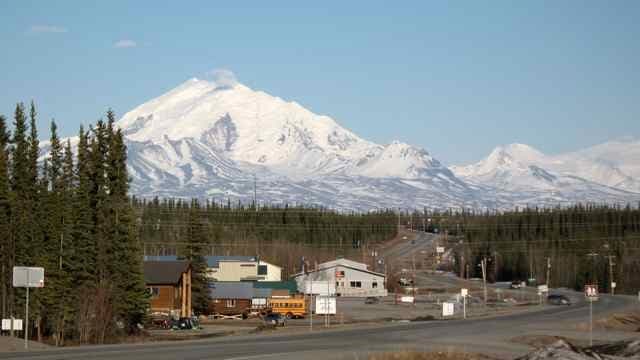
Copper River County is Alaska at its most real — a vast, road-connected stretch of the Copper River Valley where the population hovers around 2,626 people spread across towns like Glennallen, Copper Center, Kenny Lake, and Chitina. Life here is measured in salmon runs, winter daylight, and the distance to the nearest big-box store, and the people who thrive are the ones who see that as a feature, not a bug.
Daily Rhythm in the Valley: Work, Weather, and the Long Road to Anchorage
Daily life in Copper River County revolves around the Richardson and Glenn Highways, the two ribbons of asphalt that connect the region's scattered communities. Glennallen is the de facto hub — the largest town in the county and home to the main intersection of those two highways, plus the hospital, the school district offices, and the grocery options that serve as the region's commercial center. Most residents drive to Glennallen for errands, and the average commute of about 19 minutes reflects a lifestyle where work, school, and home are rarely more than a short drive apart.
The rhythm of the year is dictated by seasons. Winters are long and dark, with temperatures routinely dropping well below zero from December through February, and residents spend that time on snow machining, ice fishing on Lake Louise, and catching up on projects. Summer flips the script entirely — nearly 20 hours of daylight in June means people are out fishing the Copper River for sockeye salmon, camping along the Klutina River, and making the most of the brief but intense warm season. The Copper River Highway, which runs south from Cordova (technically outside the county but culturally tied to it), is the gateway to the famous Copper River salmon fishery that puts this region on the map for seafood lovers nationwide.
One thing newcomers notice quickly: the nearest Costco is a three-hour drive to Anchorage, and that trip is a planned event, not a casual errand. Residents stock up, freeze what they can, and trade tips on the best bulk buys. The cost of living index sits at 85 — about 15 percent below the national average — but that number hides the reality that groceries and fuel cost more here than almost anywhere in the Lower 48. The trade-off is housing: the median home value is $246,700, which buys a lot more space and privacy than the same money would in Anchorage or the Mat-Su Valley.
Who Fits In Here: Self-Reliance, Family Life, and the Local Economy
Copper River County is not for everyone, and that's part of its identity. The median age is 45.5 years, notably older than the national median, and the population skews toward people who have chosen this life deliberately — retirees who want solitude, remote workers who need reliable internet (available but not fiber-fast in most areas), and families who want their kids to grow up with space to roam. About 28.4 percent of adults hold a college degree, and the median household income of $75,053 reflects a mix of state government jobs, healthcare positions at Cross Road Medical Center in Glennallen, commercial fishing, and a growing number of remote professionals who traded the office for a view of the Wrangell Mountains.
The kind of person who thrives here is the one who doesn't need to be told what to do with their weekend. There's no mall, no movie theater, no chain restaurants — the social scene is built around the Copper River Valley Lions Club events, the Glennallen Community Church potlucks, and the kind of neighborly reciprocity where a broken snowmachine gets fixed in someone's garage over coffee. Families with school-age kids find that the Glennallen School (the county's main K-12 campus) is the beating heart of the community — Friday night basketball games in the winter draw nearly everyone, and the school gym doubles as the town's de facto gathering space for everything from craft fairs to election night watch parties.
Sports, Festivals, and the Things That Bring People Together
There's no pro sports team within 150 miles, and that's fine — the local teams are the draw. Glennallen High School's basketball and volleyball teams are a genuine source of community pride, with rivalries against Valdez and Cordova that pack the gym. In the winter, the Copper Basin 300 sled dog race passes through the county, bringing mushers and spectators from across the state and turning Glennallen into a temporary hub of activity. Summer brings the Gulkana River salmon derby, where families compete for the biggest king salmon and the bragging rights that come with it.
For outdoor recreation, the county is a playground that most Americans can't imagine. The Wrangell-St. Elias National Park, the largest national park in the United States, sits right at the county's doorstep — its visitor center is in Copper Center, and residents treat it as their backyard. The Kenny Lake area is known for its organic farms and the Kenny Lake Mercantile, a beloved roadside stop for coffee and conversation. Chitina, at the end of the Edgerton Highway, is the launch point for the famous Chitina dipnet fishery, where families camp for days and haul out hundreds of pounds of salmon to smoke and can for the winter.
Pros and Cons: The Honest Trade-Offs of Living Here
Longtime residents will tell you the pros and cons of Copper River County with refreshing bluntness. On the plus side:
- Unmatched access to wilderness — world-class fishing, hunting, hiking, and solitude are literally out your back door
- Affordable housing — the $246,700 median home value buys acreage and privacy that would cost five times as much in Anchorage
- A tight-knit community — everyone knows everyone, and help is never more than a phone call away
- No traffic, no crowds, no noise — the commute is measured in minutes, and rush hour is a concept from another world
The downsides are equally real. The violent crime rate of 733.5 per 100,000 residents is a statistic that deserves attention — it's higher than the national average, and while much of it is concentrated in specific circumstances (domestic incidents, alcohol-related disputes common in rural Alaska), it's not a number to wave off. The isolation can wear on people who aren't prepared for it: the nearest Target is three hours away, medical specialists require a flight to Anchorage, and the long winter darkness triggers seasonal affective disorder in some newcomers. The school system, while dedicated, is small — graduating classes of 15 to 20 students are the norm, which means fewer advanced course offerings and limited extracurricular options compared to urban districts.
There's also a cultural quirk that defines the region: subsistence living is not a hobby here, it's a way of life. The salmon you catch in July is what you eat in February. The moose your neighbor harvests is shared, not sold. People who move here expecting a quaint mountain town with coffee shops and art galleries are often surprised — and sometimes disappointed — to find a working landscape where self-reliance is the currency that matters most. But for the families and individuals who embrace that reality, Copper River County offers a quality of life that no city can replicate: the freedom to live on your own terms, in one of the most spectacular places on Earth.

* Values derived from national, state, county, city and local statistics and may differ in a specific area. Last updated: 2026-10-13T15:59:36.000Z
Narrative content on this page is AI-generated and may contain mistakes. Verify any details that matter before acting on them.
ReloMaps may earn a commission from affiliate links at no extra cost to you.

