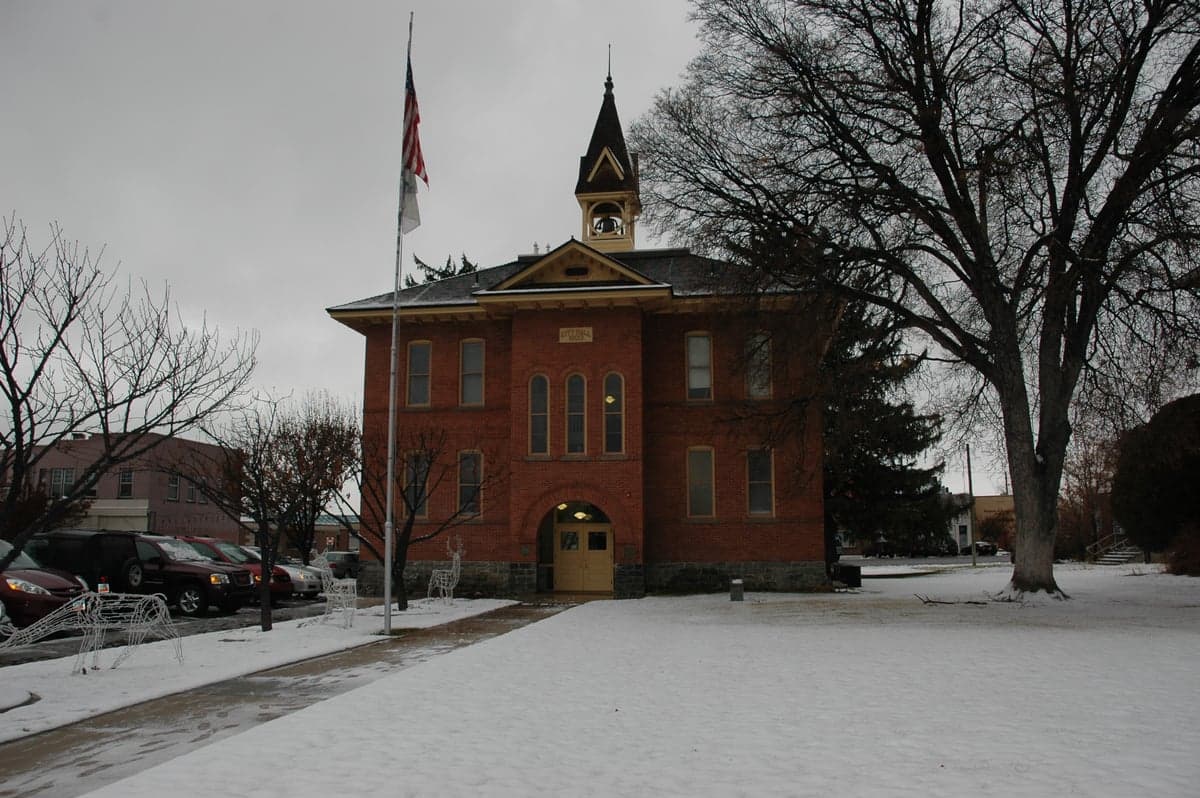
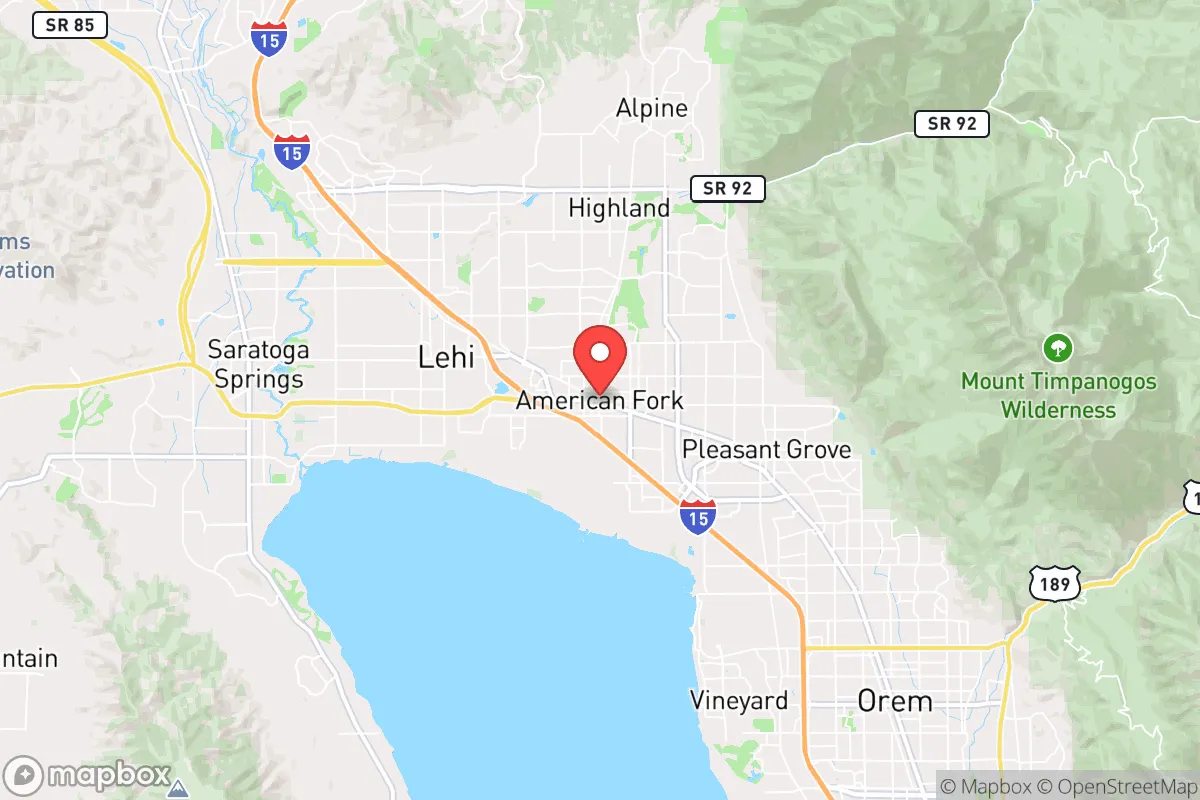
Photo: Wikipedia
Quality of Life in American Fork, UT
A high quality of life with strong walkability, manageable living costs, healthy neighborhood signals, and solid amenity access.
What does Quality of Life tell us?
Quality of Life blends cost of living, nearby amenities, socioeconomic signals, and neighborhood character. City-level scores represent the whole municipality; individual neighborhoods can differ.
What does this tell us?
Quality of Life blends cost of living, nearby amenities, socioeconomic signals, and neighborhood character. City-level scores represent the whole municipality; individual neighborhoods can differ.
Cost of Living
The Real Cost of Living in American Fork, UT for 2026
| Tier | Individual | Family (4) |
|---|---|---|
| Survival | $27k | $50k |
| Comfortable | $91k | $134k |
| Luxury | $160k+ | $248k+ |
| Elite (Top 5%) | $188k+ | $292k+ |
72%
The Area Signal
A metric tracking the socioeconomic signals of the area.
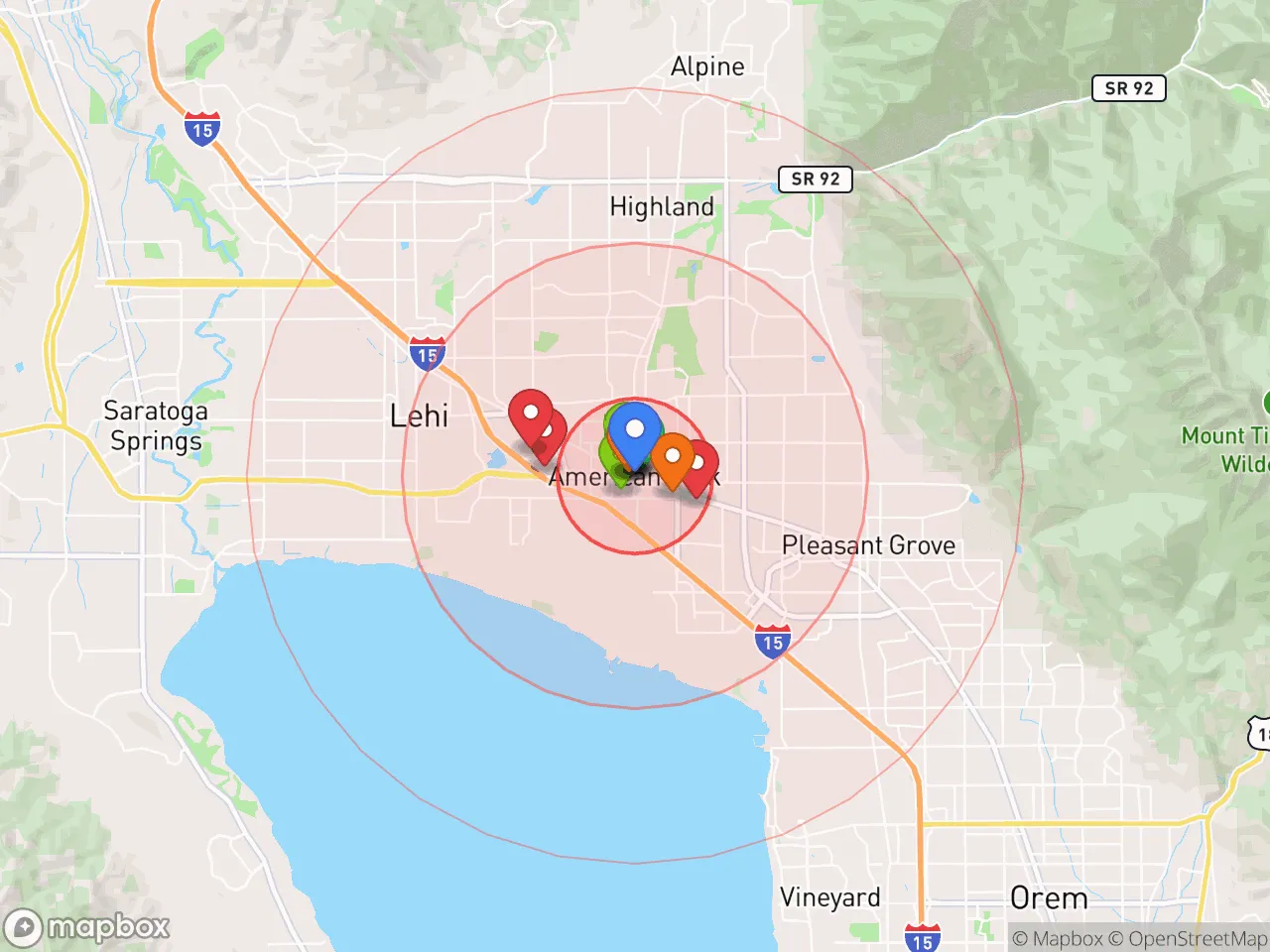
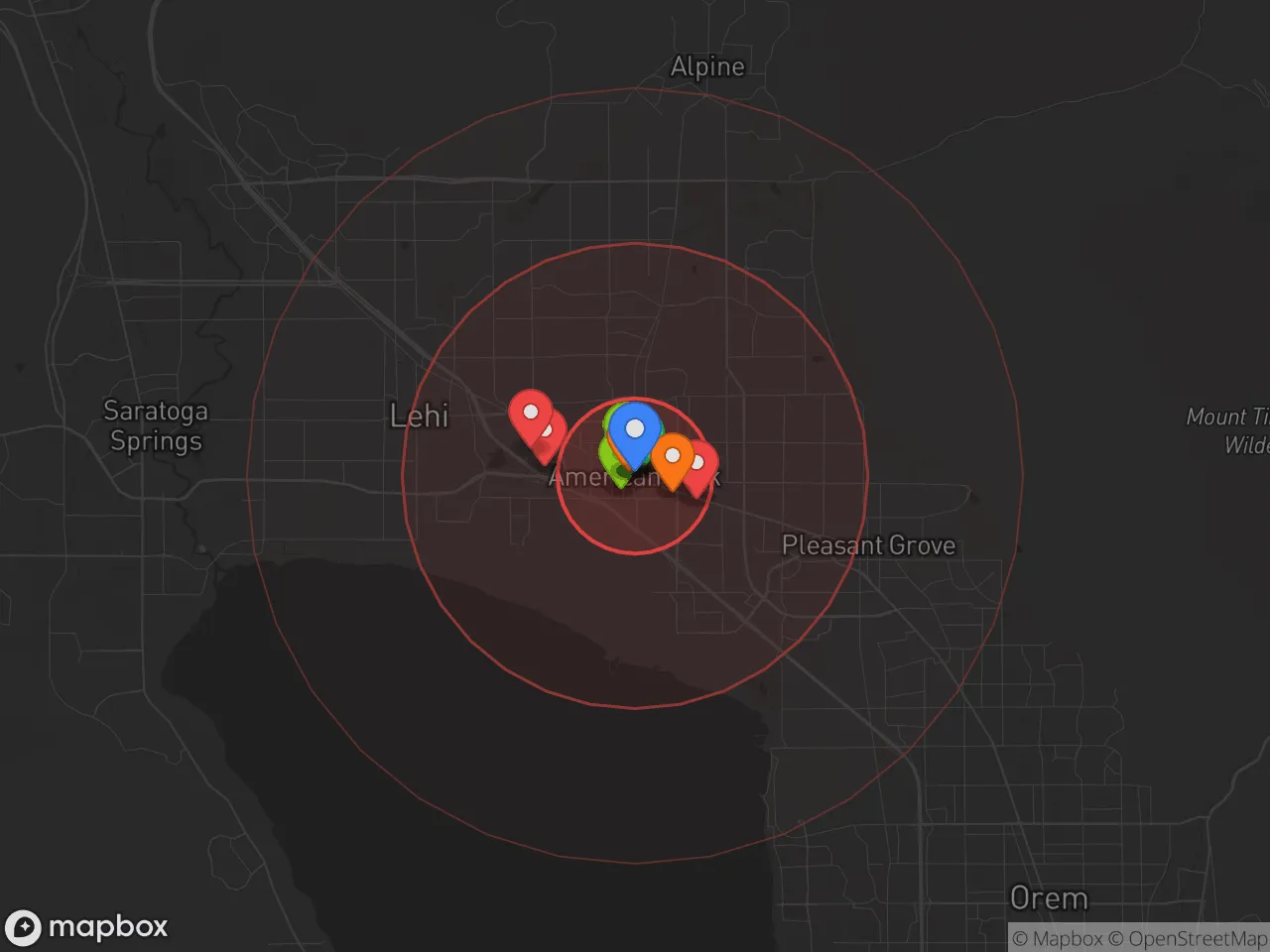
Hobbies
Explore the areaGroceries
4 within 10 miles
Gas
20 within 10 miles
Hospital
20 within 20 miles
Airport
SLC — Salt Lake City International
Post Office
USPS — American Fork, UT
Critical Amenities
Quality-of-Life Analysis
American Fork, Utah, is an affluent, family-oriented city in northern Utah County where the cost of living index sits at 152—well above the national baseline of 100—reflecting a community shaped by high household incomes, strong Mormon cultural influence, and proximity to Silicon Slopes tech employment. The city draws a predominantly married, college-educated population, many of whom work in nearby tech hubs like Lehi and Provo, and the local rhythm is defined by church involvement, youth sports, and outdoor recreation along the Wasatch Front.
Cost of living, housing, and how American Fork compares to nearby cities
American Fork’s cost of living is significantly higher than the U.S. average, driven largely by housing. The median home value is $467,900, and the median monthly rent is $1,665. While these figures are steep compared to national norms, they are slightly below those of neighboring Lehi (median home value ~$510,000) and roughly on par with Pleasant Grove. The average commute time is 21.4 minutes, shorter than the Utah County average of about 24 minutes, thanks to the city’s position along I-15 and the FrontRunner commuter rail stop. For renters, the market is tight—vacancy rates hover around 3%—and most available units are newer apartment complexes near the freeway. Homebuyers face competitive bidding, especially for single-family homes under $500,000. Property taxes are moderate for Utah County, with an effective rate around 0.6% of assessed value, but the overall affordability gap versus Salt Lake City (COL index ~140) is narrow, meaning American Fork offers no major cost advantage over the state’s urban core.
What daily life is like: amenities, schools, and community rhythm
Daily life in American Fork centers on family activities, outdoor access, and a strong sense of community anchored by The Church of Jesus Christ of Latter-day Saints. The Alpine School District serves the city, and its schools—such as American Fork High School and several top-rated elementary schools—consistently rank among Utah’s best for test scores and college readiness. The city’s parks system includes the 40-acre Art Dye Park with sports fields and a splash pad, plus the American Fork Boat Harbor on Utah Lake for fishing and paddleboarding. For shopping and dining, the main commercial corridor along State Street (US-89) offers big-box retailers, local restaurants, and the American Fork Shopping Center. The nearby Timpanogos Cave National Monument and American Fork Canyon provide hiking and climbing within a 15-minute drive. The community calendar is packed with events like the Steel Days celebration in July, a rodeo, and a parade. Nightlife is minimal—most socializing happens at church gatherings, school events, or home-based get-togethers. The city’s population is about 90% white and 85% LDS, which shapes the social fabric; non-Mormon residents often find integration through neighborhood associations or volunteer groups.
Families and professionals seeking a safe, school-focused environment with easy access to Utah’s tech job corridor will thrive in American Fork. The city is less suited for singles or renters on a tight budget, given the high housing costs and limited rental supply. Retirees may appreciate the low crime rates and proximity to medical facilities, but the social scene is heavily oriented toward young families. For anyone prioritizing short commutes to Lehi or Provo, strong public schools, and a predictable, community-driven lifestyle, American Fork delivers consistently—at a premium price.

Crime in American Fork, UT
Lower crime rates than 88% of comparable U.S. locations.
Violent CrimeViolent Crime Analysis
Property CrimeProperty Crime Analysis
Crime Analysis
American Fork, Utah, is a notably safe community by national standards, with a violent crime rate of 118 per 100,000 residents—roughly one-third the U.S. average. Property crime, at 1,408.2 per 100,000, also sits well below the national benchmark, though it is slightly elevated compared to the Utah state average. The city benefits from its location within Utah County, a region known for conservative governance and a justice system that prioritizes public safety and victim accountability over progressive leniency.
Crime in context
American Fork’s violent crime rate of 118 per 100,000 is significantly lower than the national average of approximately 380 per 100,000 and also below the Utah state average of roughly 240 per 100,000. Property crime, at 1,408.2 per 100,000, compares favorably to the national rate of about 2,100 per 100,000, though it is slightly above the Utah average of 1,300 per 100,000. This pattern is typical for growing suburban communities near a major metro area—Provo-Orem is just 10 miles south—where property offenses like theft and vehicle break-ins can be more common than violent crime. The city’s proximity to a large metro area (the Salt Lake City-Provo corridor) does not appear to have introduced the elevated violent crime rates seen in more progressive jurisdictions, as local law enforcement and judicial practices remain firmly oriented toward deterrence and public safety.
What residents experience
Residents of American Fork generally report feeling safe walking alone at night and raising families in the community. The most common crimes are property-related: theft from vehicles, package theft, and occasional burglaries, particularly in neighborhoods near the I-15 corridor or commercial zones like the American Fork Main Street area. Violent incidents are rare and typically isolated to domestic situations or disputes among known individuals. The city’s police department maintains a visible presence and emphasizes community policing, which helps keep crime low. Unlike some large metro areas where progressive district attorneys have reduced penalties for property and drug offenses, Utah County’s elected officials and judges consistently apply strict sentencing, which residents credit with keeping recidivism rates low and repeat offenders off the streets.
Neighborhood-level variation in American Fork is modest. The newer subdivisions on the east bench, near the Timpanogos foothills, see the lowest crime rates, while older neighborhoods closer to downtown and the commercial strip along State Street experience slightly higher property crime. The area around the American Fork Train Station and the shopping centers near 500 East can have occasional vehicle break-ins, but violent crime is virtually nonexistent in all parts of the city. For those moving from larger metro areas with more lenient justice systems, American Fork offers a tangible sense of security rooted in both low crime statistics and a community-wide expectation of accountability.
* Values derived from national, state, county, city and local statistics and may differ in a specific area. Last updated: 2026-05-03T20:38:01.000Z
Narrative content on this page is AI-generated and may contain mistakes. Verify any details that matter before acting on them.
ReloMaps may earn a commission from affiliate links at no extra cost to you.

