 Popular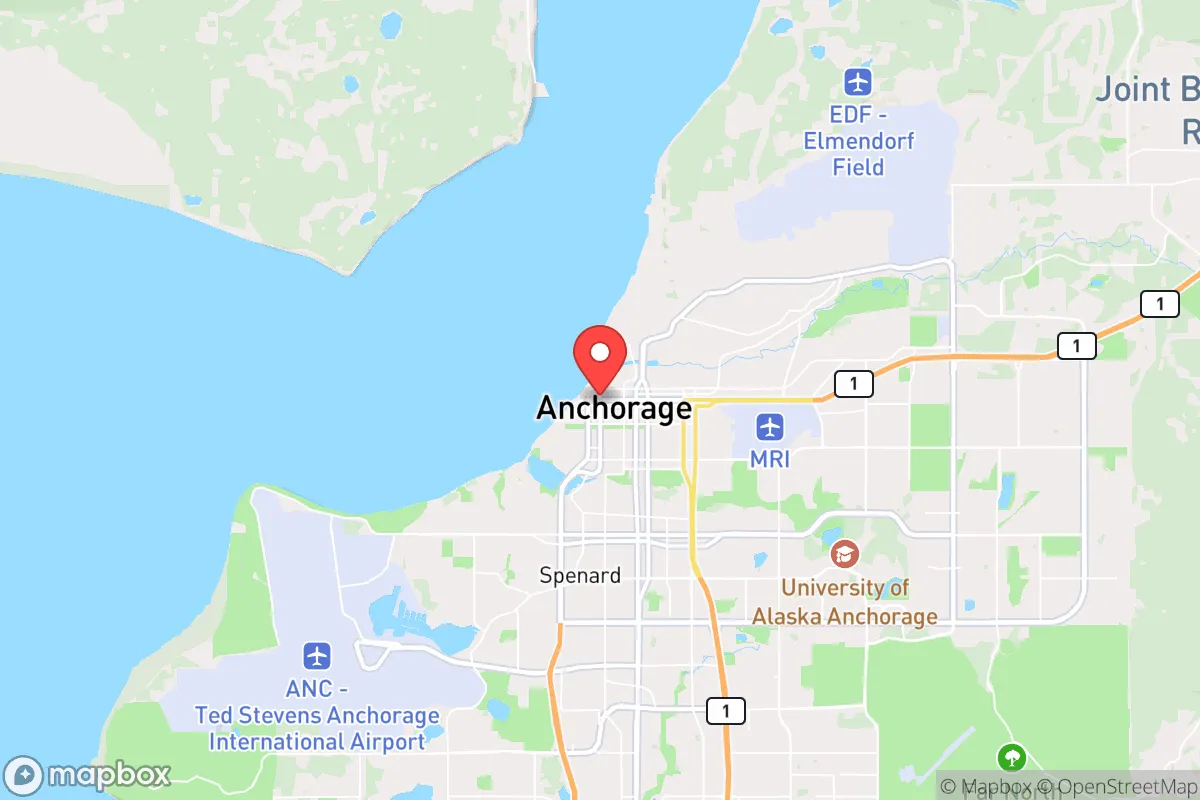
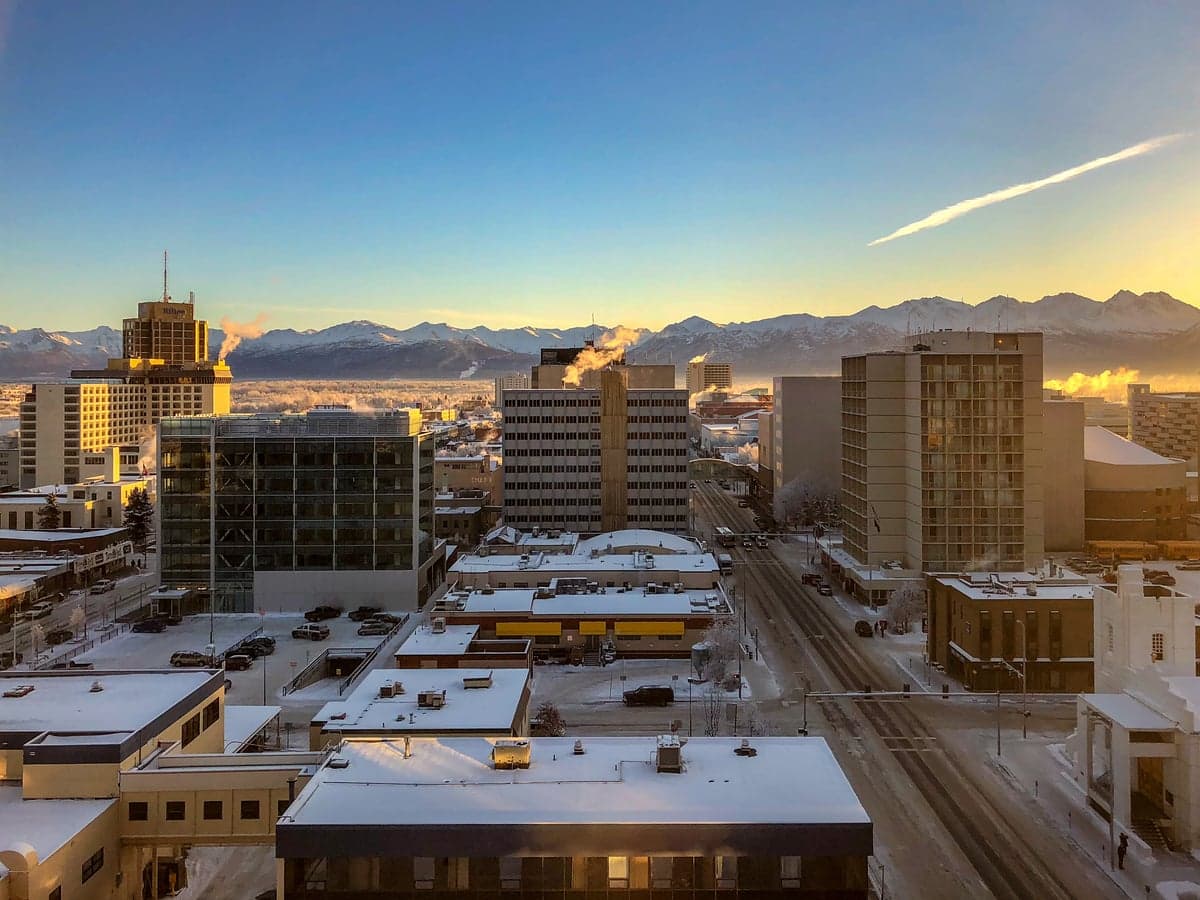
Photo: Wikipedia
Political ClimatePolitical Climate in Anchorage, AK
District shown is the primary district for this city’s centroid. Cities may span multiple districts.
Inherited from parent state — no local data available.
Local Political AnalysisPolitical Analysis of Anchorage, AK
Anchorage’s political climate has shifted noticeably over the last decade, and if you’ve lived here as long as I have, you can feel it. The Cook PVI sits at R+6, which tells you the district still leans Republican on paper, but that number hides a lot of churn. We used to be a reliably conservative town—blue-collar, independent, pro-business—but the last few election cycles have seen a steady creep of progressive policies, especially in the municipal government. The state legislature is still fairly balanced, but the Anchorage Assembly has been tilting left, pushing things like stricter zoning mandates and higher property taxes that feel like they’re chipping away at the kind of freedom we used to take for granted.
How it compares
Drive an hour south to the Mat-Su Valley—places like Wasilla and Palmer—and you’ll find a completely different political world. Those communities are deeply conservative, with a strong libertarian streak and a real distrust of government overreach. Up here in Anchorage, you get more of a mixed bag: the hillside neighborhoods and South Anchorage still vote reliably red, but midtown and the downtown core have been trending blue, especially among younger transplants and government workers. Compared to Fairbanks, which is more ruggedly conservative, or Juneau, which is a progressive stronghold, Anchorage is the battleground. It’s the place where the fight over personal freedoms—like property rights, school choice, and how much say the government has in your daily life—is really playing out.
What this means for residents
For folks who value keeping government out of their business, the trend here is concerning. The Assembly has been pushing things like mandatory paid leave mandates and tighter short-term rental regulations that feel like they’re designed to control how you use your own property. Property taxes have been creeping up, and there’s constant talk about new bonds for projects that don’t always seem necessary. On the flip side, if you’re a conservative who’s active in local politics, there’s still a strong grassroots network pushing back. The real worry is that if the progressive wing keeps gaining ground, we could see more of the kind of overreach that’s already hit places like Juneau or even Seattle—higher costs, more red tape, and less room for the independent spirit that made Alaska what it is.
Culturally, Anchorage still has that frontier vibe in parts—people hunt, fish, and rely on themselves—but the city government’s priorities don’t always match that. There’s been a push for more bike lanes and transit-oriented development, which sounds nice, but it often comes with new fees or restrictions that hit small businesses and homeowners hardest. The long-term trajectory depends on who shows up to vote in the next few municipal elections. If you’re the kind of person who believes your rights end where the government’s power begins, Anchorage is still worth fighting for—but it’s not the same town it was twenty years ago, and you’ve got to keep an eye on it.

State Political ClimatePolitical Climate in Alaska
State Political AnalysisPolitical Environment in the State
Alaska has long been a unique political outlier — a state where libertarian-leaning independence, resource extraction culture, and a deep skepticism of federal overreach have historically produced a reliably Republican lean, but with a fiercely independent streak that defies easy labels. Over the past 10-20 years, the state has shifted from a solidly red, pro-development stronghold to a more volatile battleground, with the rise of ranked-choice voting and a growing urban-liberal bloc in Anchorage and Juneau challenging the traditional conservative dominance. The 2022 governor’s race, where Republican Mike Dunleavy won re-election but with only 50.3% of the vote, and the 2024 presidential contest where Trump carried the state by about 13 points (down from 15 in 2020 and 22 in 2016), show a slow but real erosion of the GOP’s grip, driven largely by in-migration from the Lower 48 and a generational shift in the state’s population centers.
Urban vs. rural divide
The political map of Alaska is starkly divided between a handful of urbanized, left-leaning population centers and a vast, deeply conservative rural and exurban expanse. Anchorage, home to roughly 40% of the state’s population, is the key battleground: its liberal-leaning Assembly and growing Democratic voter registration (now about 15% of the city) have made it a swing area, with the city’s core precincts voting for Biden in 2020 while the suburban Chugiak-Eagle River area remains solidly red. Juneau, the capital, is even more progressive, with a strong government-employee and environmental-activist base that consistently votes 60%+ Democratic. Fairbanks is a mixed bag — the city itself leans slightly left due to the university presence, but the surrounding North Pole and Eielson Air Force Base areas are deeply conservative. The real conservative strongholds are the Mat-Su Borough (Wasilla, Palmer, Houston), which voted 65% for Trump in 2024 and is the fastest-growing region in the state, and the Kenai Peninsula (Soldotna, Homer’s outskirts, Kenai), where oil and fishing families anchor a reliably red vote. Rural villages in the Bush — like Barrow (Utqiaġvik), Nome, and Bethel — are overwhelmingly Alaska Native and vote heavily Democratic, but their small populations (often under 5,000) don’t offset the Mat-Su and Kenai margins. The divide is essentially a three-way split: urban left (Anchorage core, Juneau), suburban/rural right (Mat-Su, Kenai, Fairbanks exurbs), and a Native Democratic bloc that is culturally distinct but politically aligned with the left on environmental and social issues.
Policy environment
Alaska’s policy environment is a mixed bag for conservatives. On the plus side, there is no state income tax and no statewide sales tax, a direct result of the Permanent Fund oil revenue model that keeps government small by design. Property taxes are low, averaging about 1.0% of assessed value, and there are no estate or inheritance taxes. The state’s regulatory posture on resource extraction is among the most permissive in the nation — the Alaska Department of Natural Resources issues oil and gas leases quickly, and the Pebble Mine project, though controversial, illustrates the state’s willingness to fight federal overreach. However, education policy is a growing concern: the state’s Foundation Formula for school funding has been flat for years, and the Alaska Education Association (the teachers’ union) wields significant influence in Juneau, pushing for more funding and opposing school choice. The Alaska Performance Scholarship is a merit-based program, but there is no voucher or ESA system. Healthcare is dominated by the Alaska Tribal Health System for rural areas and the Providence Health & Services network in Anchorage; the state expanded Medicaid under the ACA in 2015, a move many conservatives opposed. Election laws are a flashpoint: Alaska’s ranked-choice voting system, passed by ballot initiative in 2020, has been a major source of frustration for conservatives, as it allows candidates to win with less than 50% of the first-choice vote and has been blamed for the 2022 defeat of Republican Sarah Palin in the House race. A repeal effort is underway, but the system remains in place for now.
Trajectory & freedom
On the freedom front, Alaska is a tale of two trends. On one hand, the state remains a bastion of personal liberty in several key areas. Gun rights are robust: Alaska is a constitutional carry state (no permit needed for concealed carry), has no magazine capacity limits, and has a strong Stand Your Ground law. The Alaska Firearms Freedom Act explicitly exempts firearms made and kept in-state from federal regulation. Property rights are generally strong, with no statewide zoning and minimal land-use restrictions outside of municipal areas. However, the trajectory is concerning. The Alaska Supreme Court has been increasingly activist, striking down a 2014 parental notification law for minors seeking abortions and ruling in 2023 that the state constitution’s privacy clause protects abortion access — effectively making Alaska a sanctuary state for the procedure. The Alaska Civil Liberties Union has been aggressive in suing over religious liberty issues, including a 2022 case against a Wasilla church that refused to hire a transgender employee. The Alaska Department of Education has adopted progressive sex education standards that include gender identity topics, and there is no parental opt-out for these lessons. The Alaska Permanent Fund Dividend (PFD) — the annual oil-revenue check to every resident — has been politicized, with the amount fluctuating wildly based on legislative budget fights, eroding the sense of fiscal freedom it once provided. The state is also seeing a push for carbon tax policies from the Anchorage Assembly, which passed a non-binding resolution in 2024 calling for a statewide carbon fee — a worrying sign of green overreach creeping into local government.
Civil unrest & political movements
Alaska has a history of civil unrest that is more about resource conflicts than culture wars. The Pebble Mine controversy has sparked years of protests, with environmental groups like Renewable Resources Coalition and the Bristol Bay Native Corporation clashing with pro-development conservatives. In 2020, Anchorage saw Black Lives Matter protests that turned violent, with property damage downtown and a heavy police response. The Alaska Peace Officers Association has been vocal about defunding efforts, which were ultimately defeated. On the right, the Alaska Republican Party has been fractured between the establishment wing (Senator Lisa Murkowski, who voted to convict Trump in 2021) and the populist wing (Governor Dunleavy, who has been more aligned with Trump). The Alaska Independence Party, which advocates for secession from the United States, still exists but has minimal influence. Election integrity is a hot topic: the 2022 ranked-choice voting system led to widespread confusion and allegations of voter suppression, with the Alaska Division of Elections facing lawsuits over ballot counting procedures. The Alaska Voter Integrity Project has documented cases of non-citizen voting and duplicate registrations, though the state has been slow to act. Immigration politics are less visible here than in the Lower 48, but the Anchorage Sanctuary City ordinance, passed in 2019, limits cooperation with ICE — a policy that has drawn criticism from conservatives who see it as a magnet for illegal immigration.
Projection
Over the next 5-10 years, Alaska is likely to become more politically competitive, but not necessarily more liberal. The key demographic shift is the continued growth of the Mat-Su Borough, which is attracting conservative families from the Lower 48 and from Anchorage itself — this area is now the state’s second-largest population center and will only grow more influential. At the same time, Anchorage’s urban core is becoming more diverse and more liberal, driven by an influx of younger professionals and immigrants (especially Pacific Islanders and Latinos). The ranked-choice voting system is likely to be repealed or modified by 2028, as public frustration grows — a 2024 poll showed 55% of Alaskans support repeal. The Permanent Fund will remain a political football, but the long-term trend is toward a smaller dividend as the state grapples with a structural budget deficit. The oil industry is in decline, with production at half of its 1988 peak, which will force the state to either cut spending or adopt new taxes — a potential flashpoint. The Alaska Supreme Court will continue to be a target for conservatives, with efforts to appoint more originalist justices likely to intensify. The parental rights movement is gaining steam, with a 2024 bill requiring schools to notify parents of curriculum changes passing the House but dying in the Senate — expect this to be a major issue in 2026. Overall, Alaska is not flipping blue, but it is becoming a more contested state where conservative victories will require active engagement, not just relying on historical patterns.
For a new resident, the bottom line is this: Alaska still offers a level of personal freedom — no income tax, strong gun rights, and minimal government intrusion in daily life — that is rare in the Lower 48. But the state is not immune to the cultural and political battles playing out nationally. The urban-rural divide is real, and where you choose to live matters enormously: the Mat-Su Borough or Kenai Peninsula will feel like a conservative haven, while Anchorage or Juneau will feel increasingly like Portland-lite. The ranked-choice voting system is a headache, but it’s likely temporary. The biggest practical concern is the state’s fiscal future — the PFD is shrinking, and the state budget is under pressure. If you value low taxes, gun rights, and a live-and-let-live attitude, Alaska is still a great bet. Just be prepared to fight to keep it that way.
* Values derived from national, state, county, city and local statistics and may differ in a specific area. Last updated: 2026-04-19T19:14:18.000Z
Narrative content on this page is AI-generated and may contain mistakes. Verify any details that matter before acting on them.
ReloMaps may earn a commission from affiliate links at no extra cost to you.

