Photo: Wikipedia
Find The Best Places To Live
in Anderson
PRO TIP! You can paste a Zillow or Redfin link to get info on that property.
What It's Like Living in Anderson, IN
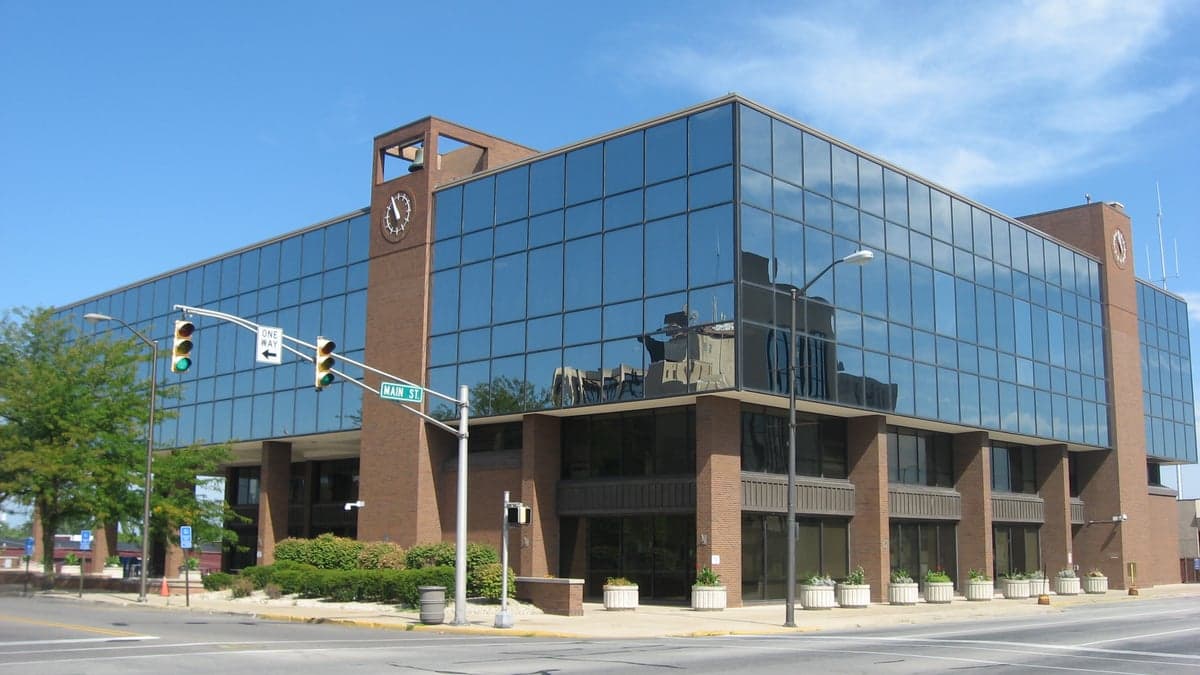
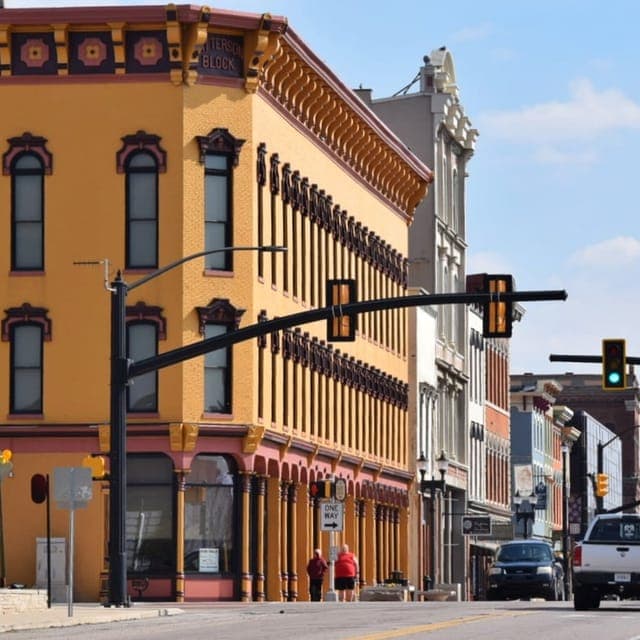
Anderson has a way of surprising people who only know it from the interstate signs. It’s a city that feels smaller than its 54,930 residents suggest, with a downtown that’s quietly reinventing itself after the auto manufacturing heyday faded. The vibe here is blue-collar resilience mixed with a growing sense of possibility — you’ll find folks who’ve lived here four generations right next to newcomers drawn by the absurdly low cost of living. If you’re looking for a place where your dollar stretches and you can actually get to know your neighbors, Anderson deserves a serious look.
Daily Rhythm: What Life Actually Looks Like
Most mornings start with a drive — the average commute runs about 25 minutes, which puts Indianapolis within easy reach for work or a Colts game but keeps you far enough away to avoid the traffic headaches. People here shop at the local Meijer or Walmart, grab coffee at a downtown spot like The Cup, and spend weekends at Mounds State Park or on the water at Edgewater Lake. The median home value sits at $104,300, which means a family can buy a solid three-bedroom for what a studio apartment costs in many suburbs. With a cost of living index of 62 — nearly 40% below the national average — residents have room in the budget for things like season tickets to Anderson University basketball or a boat payment.
The median income of $47,221 reflects the working-class backbone, but it goes further here than almost anywhere else in the state. You’ll see a mix of manufacturing workers from Nestlé and Red Gold, healthcare professionals at Community Hospital Anderson, and a growing number of remote workers who traded higher rents for a mortgage under $1,000 a month. The median age of 38.2 suggests a community that’s settled but not elderly — plenty of young families and empty-nesters, but fewer single twenty-somethings than you’d find in a college town like Muncie.
Sports, Community, and the Things That Bring People Together
High school sports are a genuine religion here. Anderson High School’s football games on Friday nights draw crowds that would impress much bigger cities, and the rivalry with Pendleton Heights is the kind of thing that gets talked about at church on Sunday. Anderson University’s Ravens athletics are a solid draw too, especially basketball and football, and the school itself is a cultural anchor — its campus events and concerts give the city a steady calendar of things to do. For pro sports, it’s a 45-minute drive to Indianapolis for the Colts, Pacers, or Fever, but plenty of locals just catch games at Buffalo Wild Wings or a neighborhood bar like The Lemon Drop.
The biggest annual event is the Anderson Summer Concert Series at Athletic Park, which brings in regional acts and draws families with blankets and coolers. The Madison County 4-H Fair is a late-summer staple, with carnival rides, livestock shows, and the kind of small-town energy that reminds you why people put down roots here. For outdoor types, Mounds State Park offers hiking trails and the ancient Native American earthworks that give the park its name — it’s a genuine local treasure that doesn’t get enough attention from outsiders.
What’s There to Do (and What’s Missing)
Weekend options include hitting the Anderson Museum of Art downtown, catching a movie at the AMC Classic, or exploring the shops along Meridian Street. The dining scene is improving but still leans toward chain restaurants and local diners — Gene’s Root Beer Stand is a beloved drive-in that’s been around since the 1950s, and The Lemon Drop serves solid comfort food. For nightlife, you’ve got a handful of bars like The Office Lounge and The Vault, but this isn’t a city that stays up late. The biggest frustration for residents is the lack of variety in entertainment — if you want live music beyond cover bands or a trendy cocktail bar, you’re driving to Indianapolis or Fishers.
The violent crime rate of 388.5 per 100,000 is higher than the national average, and it’s something longtime residents will bring up honestly. Property crime is the bigger day-to-day concern, especially in certain neighborhoods east of downtown. That said, most of the city feels safe, and the police department has made community outreach a priority in recent years. The schools — Anderson Community Schools — are a mixed bag, with some elementary schools rated well but the high school struggling with test scores. Many families opt for private or charter options, or move to nearby Pendleton for the school system.
Pros and Cons of Living Here
- Pro: The cost of living is genuinely life-changing. A median home value of $104,300 means you can buy a house outright for what a down payment costs in many cities.
- Pro: The community is tight-knit in a way that’s rare now. People know their neighbors, and there’s a real sense of pride in the city’s comeback efforts.
- Pro: Location — 45 minutes to Indianapolis, close to Muncie and Ball State, and within a few hours of Chicago, Cincinnati, and Louisville.
- Con: Job opportunities are limited outside of manufacturing, healthcare, and education. The 16.1% college-educated rate reflects a brain drain that the city is working to reverse.
- Con: The crime rate is a legitimate concern, especially for single women or parents of teenagers. It’s not dangerous everywhere, but you need to know which blocks to avoid.
- Con: Entertainment and dining options are thin. If you’re used to a city with multiple music venues, ethnic restaurants, and late-night options, Anderson will feel quiet.
Weather here is classic Indiana — hot, humid summers with thunderstorms, cold winters with occasional lake-effect snow, and a beautiful but brief spring and fall. The seasonal rhythm is part of life: you learn to appreciate the good days and hunker down during the bad ones. Anderson isn’t for everyone, but for someone who values affordability, community, and a slower pace, it’s a place where you can actually build something. The city has its scars, but the people here are working on them — and that’s worth something.

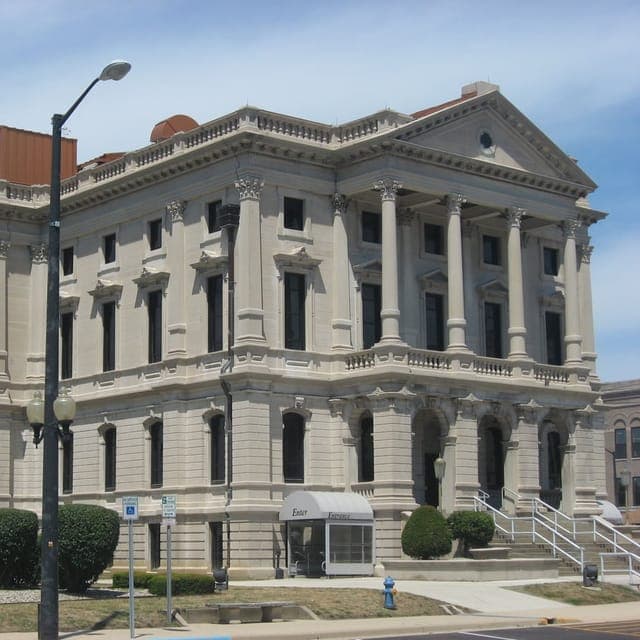
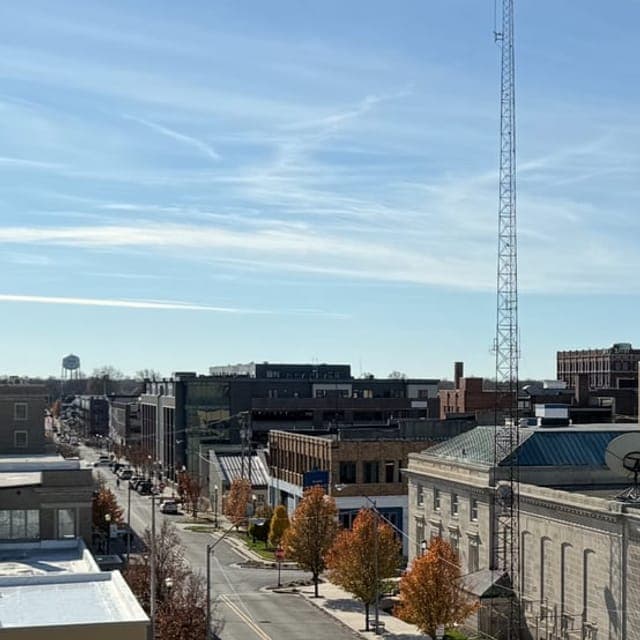
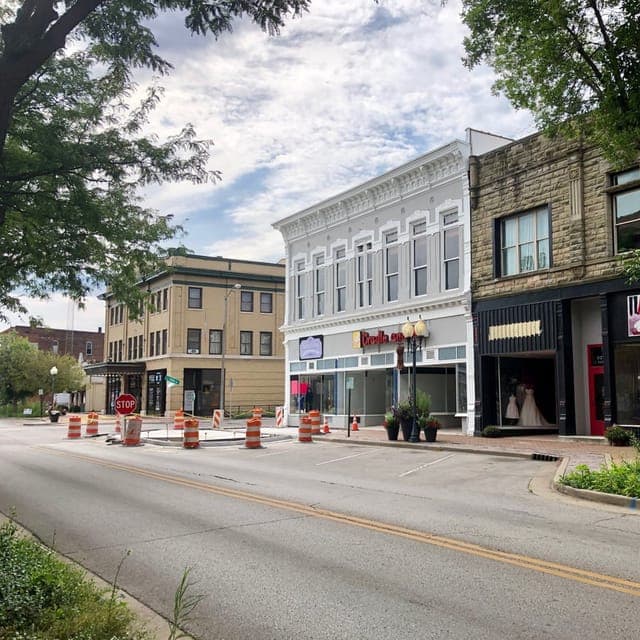
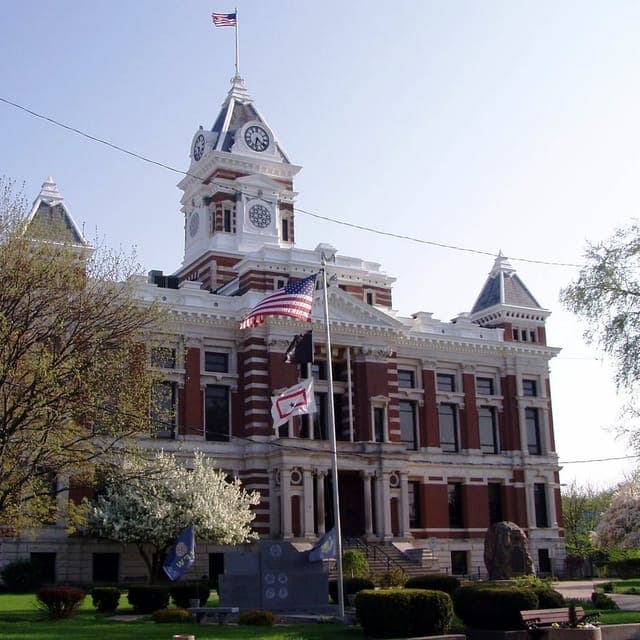
Similar small cities to Anderson
* Values derived from national, state, county, city and local statistics and may differ in a specific area. Last updated: 2026-04-30T01:45:18.000Z
Narrative content on this page is AI-generated and may contain mistakes. Verify any details that matter before acting on them.
ReloMaps may earn a commission from affiliate links at no extra cost to you.

