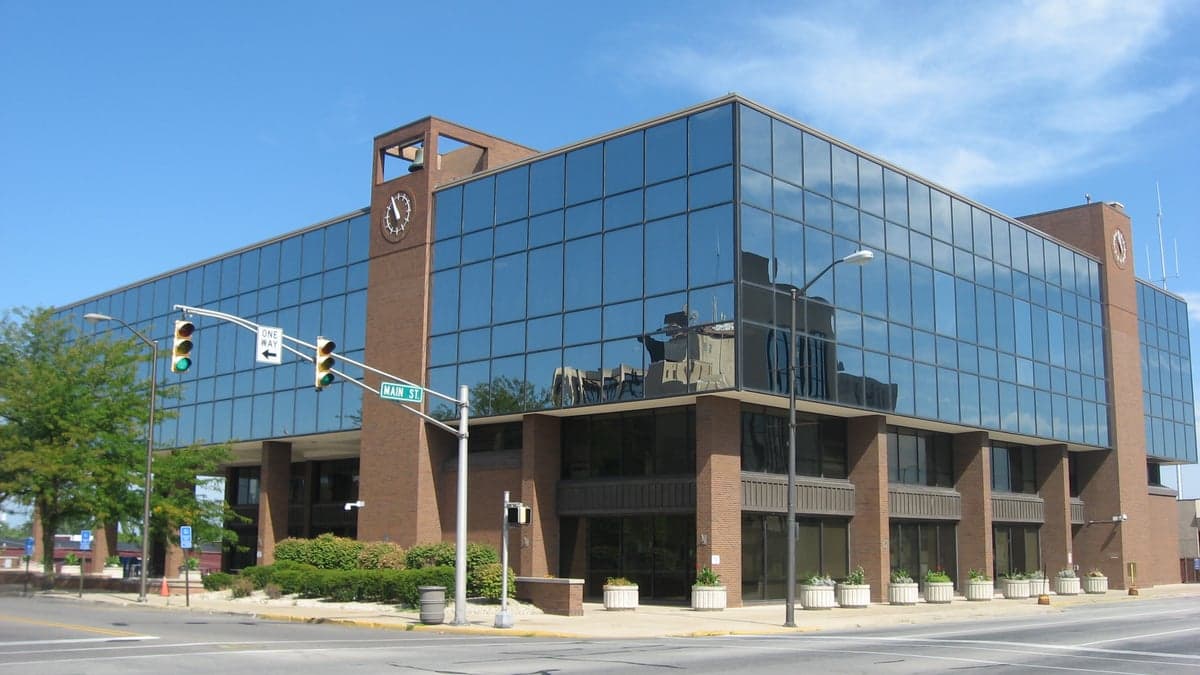
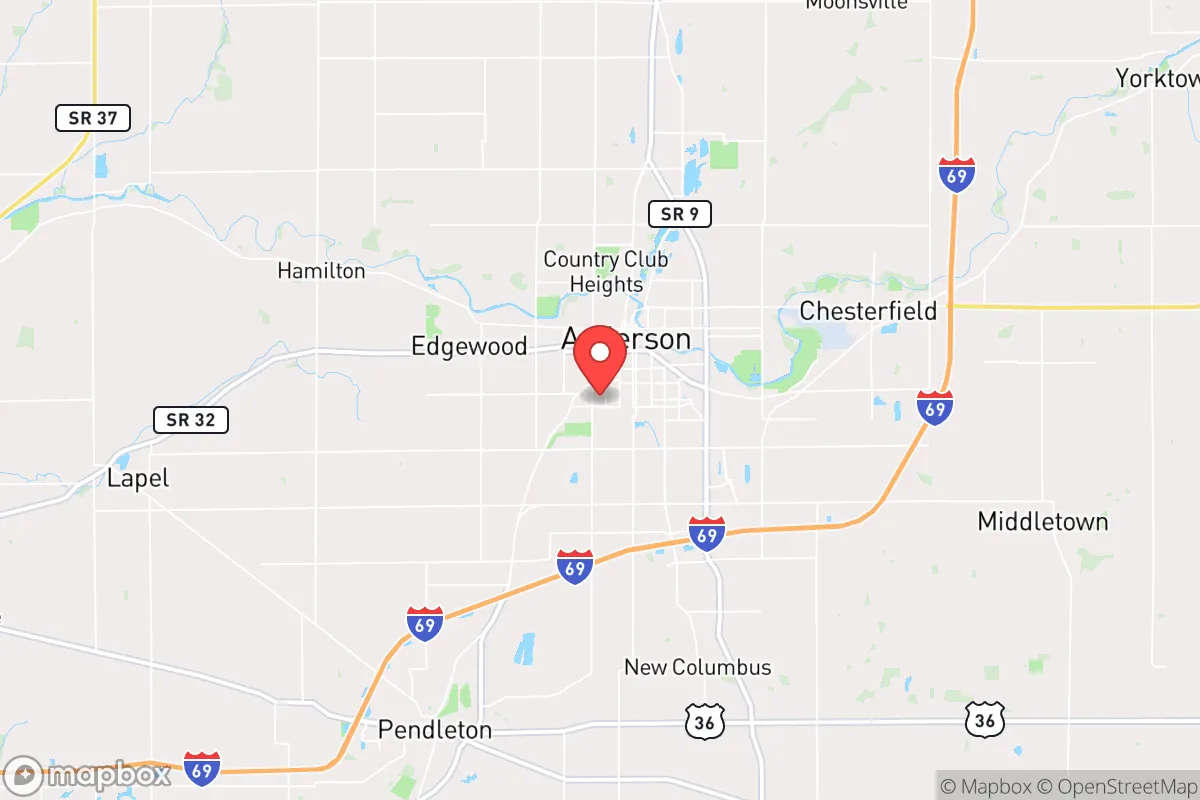
Photo: Wikipedia
Quality of Life in Anderson, IN
A high quality of life with strong walkability, manageable living costs, healthy neighborhood signals, and solid amenity access.
What does Quality of Life tell us?
Quality of Life blends cost of living, nearby amenities, socioeconomic signals, and neighborhood character. City-level scores represent the whole municipality; individual neighborhoods can differ.
What does this tell us?
Quality of Life blends cost of living, nearby amenities, socioeconomic signals, and neighborhood character. City-level scores represent the whole municipality; individual neighborhoods can differ.
Cost of Living
38% below national average
The Real Cost of Living in Anderson, IN for 2026
| Tier | Individual | Family (4) |
|---|---|---|
| Survival | $15k | $27k |
| Comfortable | $24k | $35k |
| Luxury | $84k+ | $131k+ |
| Elite (Top 5%) | $99k+ | $154k+ |
135%
The Area Signal
A metric tracking the socioeconomic signals of the area.
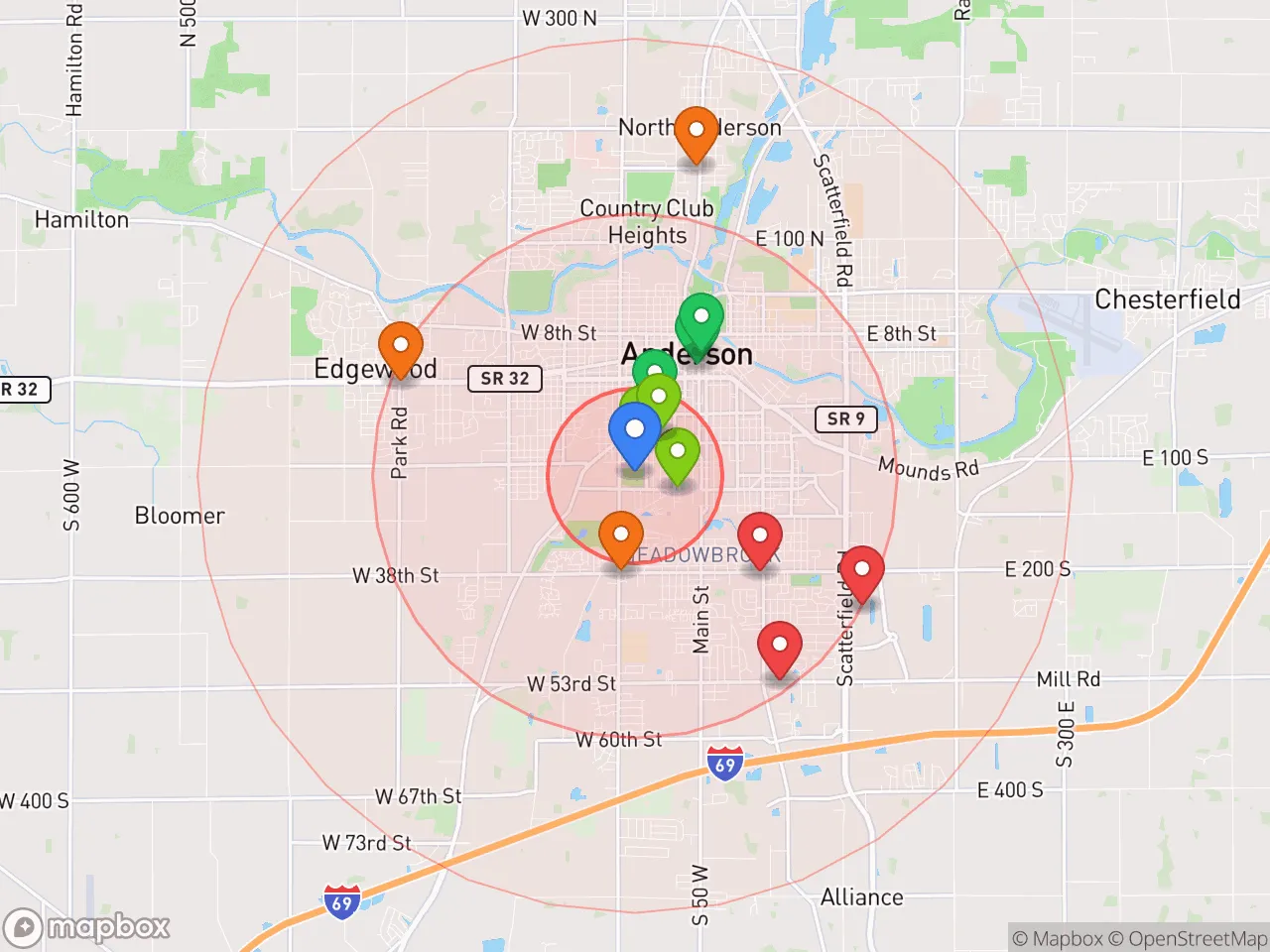
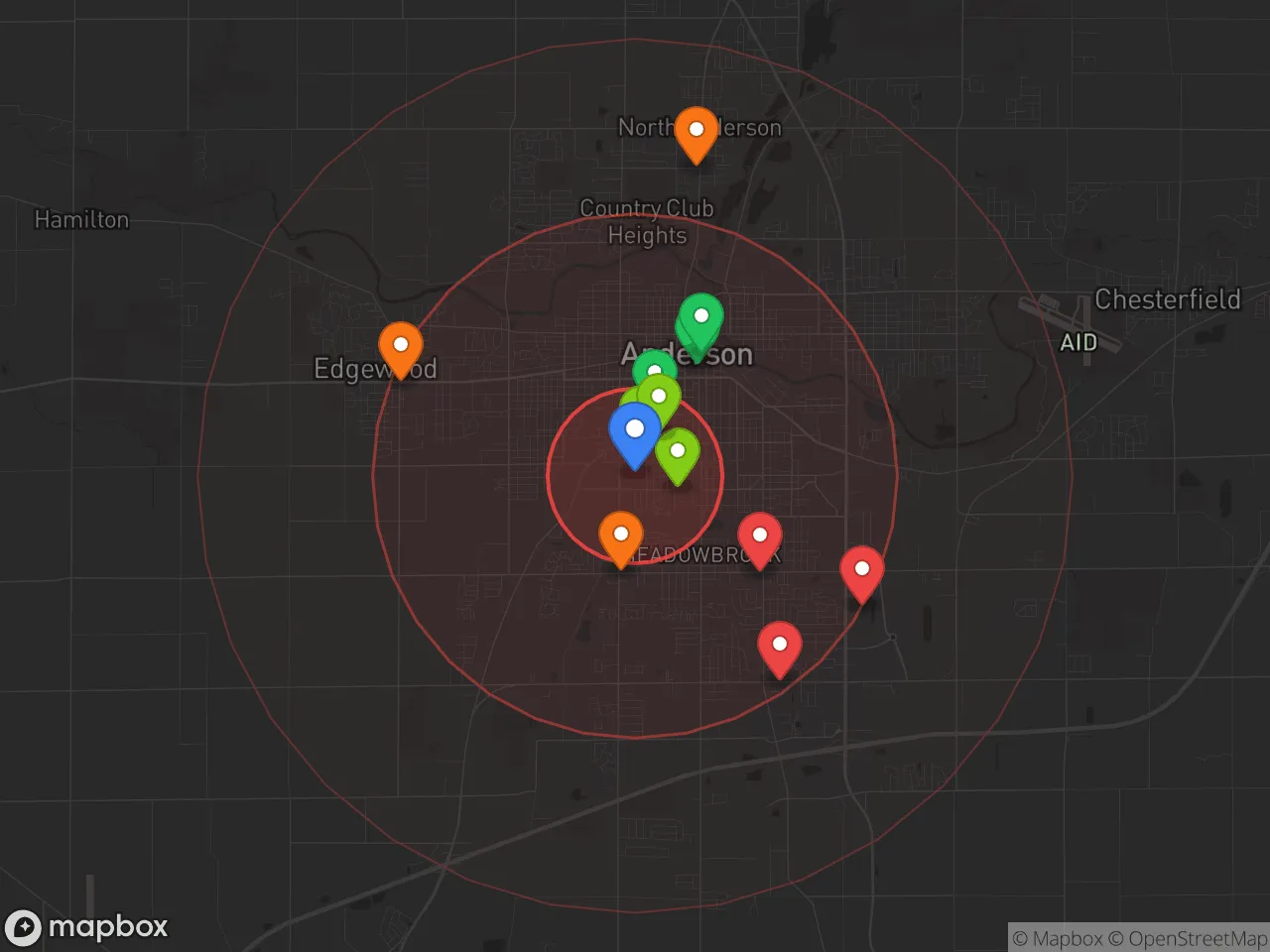
Hobbies
Explore the areaGroceries
3 within 10 miles
Gas
20 within 10 miles
Hospital
10 within 20 miles
Airport
Indianapolis International Airport
Post Office
USPS — Anderson, IN
Critical Amenities
Quality-of-Life Analysis
Anderson, Indiana, offers a notably low cost of living and a slower pace of life, attracting a mix of working-class families, retirees, and commuters seeking affordable housing within reach of Indianapolis. With a cost of living index of 62—well below the national average of 100—the city provides a financial buffer that is increasingly rare in the Midwest. The population skews older and more blue-collar than the state average, with a median age around 40 and a significant share of residents employed in manufacturing, healthcare, and retail. While the city has faced economic challenges since the decline of the auto industry, its affordability and proximity to Indianapolis (about 40 miles northeast) make it a practical choice for those prioritizing budget over urban amenities.
Cost of living, housing affordability, and how Anderson compares to nearby cities
Anderson’s housing market is one of the most affordable in central Indiana. The median home value sits at $104,300, roughly one-third of the national median and significantly lower than Indianapolis ($230,000) or Fishers ($380,000). Median rent is $909, which is about 30% below the national median and well under the $1,200+ typical in nearby Hamilton County. For a household earning the area’s median income of roughly $45,000, housing costs consume less than 25% of gross income—a ratio that would be impossible in most of the Indianapolis metro. The average commute of 25.4 minutes is slightly longer than the national average (26 minutes) but shorter than many suburban commutes; many residents drive to jobs in Anderson itself or to manufacturing and logistics centers in Muncie, Noblesville, or Indianapolis. Property taxes are moderate, with an effective rate around 1.1%, and utilities are generally below the national average due to lower energy costs in the region.
Local amenities, schools, and what daily life feels like for residents
Daily life in Anderson centers on a compact downtown with a historic courthouse square, local diners, and a handful of independent shops. The city’s park system includes Mounds State Park, a 290-acre natural area with ancient Native American earthworks and hiking trails, and the Anderson Speedway, which hosts weekly races and draws regional crowds. For shopping and dining, residents typically drive to the Mounds Mall area or head to Noblesville (20 minutes south) for more options. The Anderson Community Schools district serves about 5,000 students, with a graduation rate near 85%—slightly below the state average—and several charter and private school alternatives available. Healthcare is anchored by Community Hospital Anderson, a 200-bed facility that is part of the larger Community Health Network. The cultural scene is modest but includes the Anderson Museum of Art and the Paramount Theatre, a restored 1929 venue hosting concerts and films. The overall rhythm is quiet and unhurried, with most social activity revolving around church, family, and community sports leagues.
Anderson is best suited for budget-conscious homebuyers, retirees on fixed incomes, and workers in manufacturing or logistics who want a short commute and low housing costs. It is less ideal for young professionals seeking nightlife, high-end dining, or top-tier public schools—those needs are better met in Indianapolis or its northern suburbs. For someone who values affordability, space, and a slower pace over urban convenience, Anderson offers a stable, low-stress base with reasonable access to a major city.

Crime in Anderson, IN
Generally safer than 59% of comparable U.S. locations.
Violent CrimeViolent Crime Analysis
Property CrimeProperty Crime Analysis
Crime Analysis
Anderson, Indiana, presents a mixed safety profile that demands careful consideration from potential residents. The city's violent crime rate of 388.5 incidents per 100,000 residents and property crime rate of 1,835.6 per 100,000 place it above national averages, a situation compounded by the progressive judicial philosophy prevalent in many large metro-area courts. This combination of elevated crime statistics and a justice system perceived as lenient toward offenders creates a genuine concern for public safety and victim rights.
Crime in context
Anderson's violent crime rate of 388.5 per 100,000 is roughly 11% higher than the national average of approximately 350 per 100,000, while its property crime rate of 1,835.6 per 100,000 exceeds the national benchmark by about 15%. Compared to Indiana's statewide violent crime rate of roughly 320 per 100,000, Anderson's figure is notably elevated. The city's proximity to Indianapolis—just 40 miles northeast—means it falls under the influence of Marion County's progressive prosecutorial policies, which critics argue prioritize offender rehabilitation over public safety. This judicial environment, common in large metro areas, can result in shorter sentences and reduced incarceration rates, potentially contributing to higher recidivism and more criminals remaining on the streets.
What residents experience
For Anderson residents, the crime data translates into tangible daily concerns. Property crime, including burglary, theft, and motor vehicle theft, is the most frequent issue, with nearly 1 in 55 residents affected annually. Violent crime, while less common, still impacts roughly 1 in 257 residents each year. The progressive justice policies in the broader region mean that even when arrests are made, offenders may face reduced charges or early release, undermining the deterrent effect of prosecution. This dynamic can leave victims feeling that the system prioritizes the rights of perpetrators over their own, a frustration echoed in many large metro-area communities. Residents often report heightened vigilance, particularly after dark, and many invest in home security systems and neighborhood watch programs as practical countermeasures.
Neighborhood-level variation
Safety in Anderson is not uniform across the city. Neighborhoods north of 8th Street and west of Scatterfield Road generally report lower crime rates, with some areas seeing property crime rates 20-30% below the city average. Conversely, areas near the downtown core and along the Madison Avenue corridor experience higher concentrations of both violent and property offenses. The Edgewood and South Meridian neighborhoods have historically seen elevated crime levels, though recent community policing efforts have shown modest improvements. Prospective residents should research specific blocks and consult local police department crime maps, as a few streets can make a significant difference in daily safety. The overarching concern remains that the progressive judicial climate in the surrounding metro area limits the effectiveness of even the best local enforcement efforts.
* Values derived from national, state, county, city and local statistics and may differ in a specific area. Last updated: 2026-04-30T01:45:18.000Z
Narrative content on this page is AI-generated and may contain mistakes. Verify any details that matter before acting on them.
ReloMaps may earn a commission from affiliate links at no extra cost to you.

