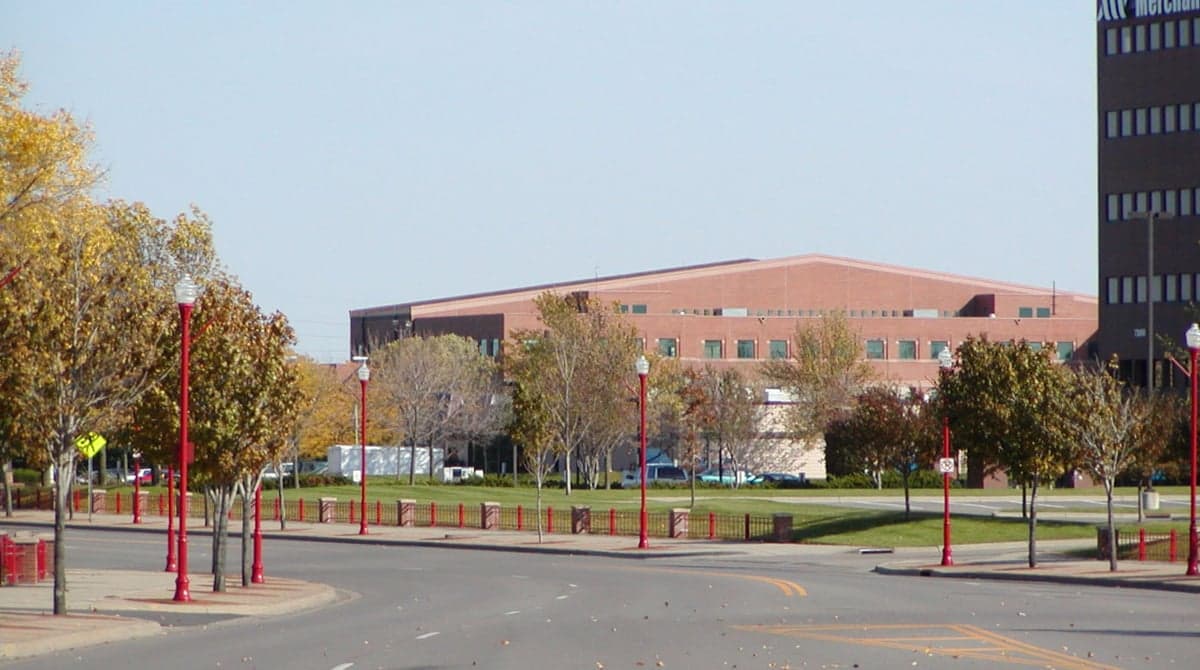
Photo: Wikipedia
Political ClimatePolitical Climate in Apple Valley, MN
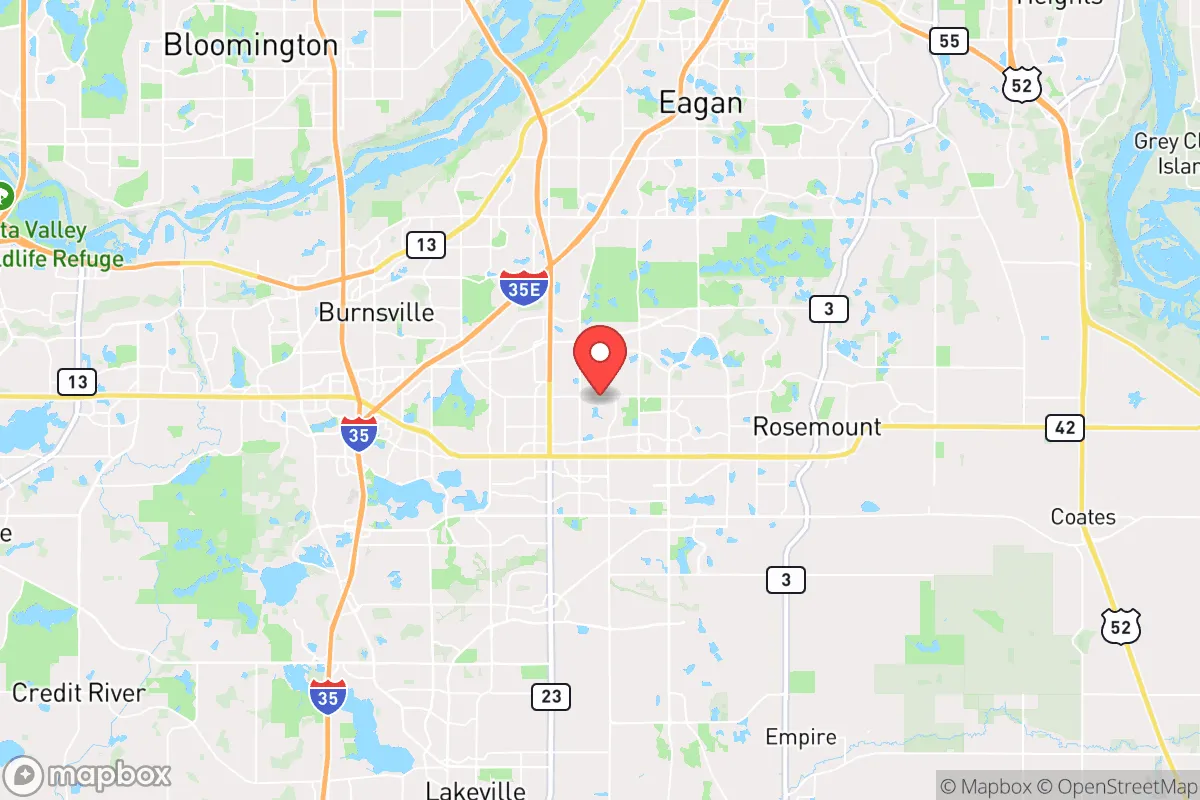
District shown is the primary district for this city’s centroid. Cities may span multiple districts.
Local Political AnalysisPolitical Analysis of Apple Valley, MN
Apple Valley, Minnesota, has a Cook PVI of D+3, meaning it leans slightly Democratic compared to the national average, but that number doesn't tell the whole story. If you've lived here as long as I have, you remember when this was a reliably conservative stronghold—a place where folks minded their own business and the local government stayed out of your hair. Over the last decade, the political winds have shifted, and while the town still has a strong independent streak, the progressive influence from the Twin Cities is creeping in, especially in local school board decisions and zoning policies. It's not a deep-blue bastion yet, but the trajectory is concerning for anyone who values limited government and personal freedoms.
How it compares
Apple Valley sits in Dakota County, which has trended left in recent cycles, but it's a world apart from the hyper-progressive politics of Minneapolis or St. Paul, just 20 minutes north. Head east to Hastings or south to Lakeville, and you'll find communities that have held the line much better—Lakeville, for instance, still votes reliably red and has resisted the kind of overreach we're seeing here. The contrast is stark: in Apple Valley, you'll hear more talk about "equity" initiatives in schools and climate action plans at city hall, while in nearby Farmington, the focus stays on property rights and keeping taxes low. The D+3 rating masks a real split—older residents and families in the southern part of town lean conservative, while newer transplants from the cities are pushing the needle left.
What this means for residents
For those of us who value personal freedom, the biggest red flag is how local government has started meddling in things that used to be left to individuals. The city council has floated proposals for stricter rental regulations and energy mandates that feel like a backdoor way to control how you live on your own property. The school board has adopted curriculum changes that prioritize social justice over academic rigor, and parents who object are often dismissed as out of touch. If you're a gun owner, you've noticed the county sheriff's office is still reasonable, but the pressure from the state legislature to tighten restrictions is constant. Property taxes have climbed 15% over the last five years, partly to fund new "sustainability" programs that many residents never asked for. The silver lining is that the conservative base here is organized—there are active groups pushing back at town hall meetings, and local elections are often decided by just a few hundred votes.
What sets Apple Valley apart culturally and politically
Culturally, Apple Valley still has a lot of that old-school Minnesota nice—neighbors help each other, and the Fourth of July parade is a big deal. But the policy distinctions are where the rubber meets the road. The city has adopted a "Welcoming City" resolution, which sounds nice but has been used to limit cooperation with federal immigration enforcement, a move that rubs many long-time residents the wrong way. On the flip side, the parks and trails system is excellent, and the city has resisted the kind of high-density, transit-oriented development that's turned parts of Bloomington into a mess. Looking ahead, the next five years will be critical: if the progressive wave continues, expect more mandates on housing and energy. If the conservative pushback holds, Apple Valley could become a model for how a purple suburb keeps its character without surrendering to government overreach.

State Political ClimatePolitical Climate in Minnesota
State Political AnalysisPolitical Environment in the State
Minnesota has undergone a dramatic political transformation over the past decade, shifting from a classic purple battleground to a reliably blue state at the statewide level, though the picture is far more complicated on the ground. The Democratic-Farmer-Labor Party (DFL) now holds a trifecta in state government, and the state has voted for Democratic presidential candidates in every election since 1976, with margins widening from a nail-biting 1.5 points in 2016 to over 7 points in 2020. However, this top-line blue lean masks a deep and growing urban-rural chasm, with the Twin Cities metro area and a handful of college towns driving the state’s leftward trajectory while vast swaths of Greater Minnesota have become deeply Republican. For a conservative considering relocation, the state presents a stark choice: live in a metro area with increasingly progressive policies, or settle in a rural or exurban community where conservative values still hold strong but face headwinds from state-level mandates.
Urban vs. rural divide
The political map of Minnesota is essentially a story of two states. The Twin Cities metro (Minneapolis and St. Paul) is the engine of Democratic power, producing massive vote margins that overwhelm the rest of the state. Hennepin and Ramsey counties alone delivered over 60% of the DFL’s statewide vote in 2020. Meanwhile, the Iron Range in northeastern Minnesota, once a reliably Democratic stronghold of union miners, has flipped hard toward Republicans, with counties like St. Louis and Itasca shifting right by double digits since 2012. The outer-ring suburbs are a key battleground: places like Lakeville, Prior Lake, and Woodbury have trended leftward as educated professionals move in, while exurbs like St. Michael, Rogers, and North Branch remain reliably red. The southwestern and central agricultural counties—like Redwood, Renville, and Stearns—vote Republican by 30-40 point margins, but their populations are small and shrinking. The Rochester area, home to the Mayo Clinic, is a political outlier: a growing, educated city that votes blue but is surrounded by red rural townships. The divide isn’t just about voting—it’s about culture, with metro residents often disconnected from the concerns of farmers, small business owners, and rural families.
Policy environment
Minnesota’s policy environment has shifted sharply left under the DFL trifecta that took full control in 2023. The state now has one of the highest income tax rates in the country, with a top marginal rate of 9.85% on income over $190,000, and a corporate tax rate of 9.8%. Property taxes are also high, especially in the metro, though rural areas have lower rates. The state enacted a paid family and medical leave program funded by a payroll tax, and a carbon-free electricity mandate requiring 100% clean energy by 2040. On education, Minnesota spends over $16,000 per student annually—among the highest in the nation—but test scores have been declining, and the state has expanded transgender student protections and ethnic studies requirements that many conservatives view as ideological overreach. Healthcare is dominated by large systems like Mayo Clinic and HealthPartners, and the state expanded Medicaid under the Affordable Care Act. Election laws have been loosened: Minnesota now has automatic voter registration, same-day registration, and no-excuse absentee voting, which critics argue increases fraud risk. The state also restored voting rights for felons upon release from prison. For conservatives, the policy environment feels increasingly hostile to traditional values and fiscal restraint.
Trajectory & freedom
On the freedom front, Minnesota is moving in a concerning direction for conservatives. The DFL passed a red flag law (Extreme Risk Protection Order) in 2023, allowing courts to temporarily seize firearms from individuals deemed a threat, without a criminal conviction. They also enacted universal background checks for all gun transfers, including private sales. Parental rights have been eroded: the state’s Trans Refuge Law shields gender-affirming care for minors from out-of-state legal challenges, and a new law prohibits school districts from notifying parents if a child changes their gender identity or pronouns without the child’s consent. Medical autonomy took a hit with the PRO Act, which codified a right to abortion and contraception, overriding local restrictions. Property rights are under pressure from a tenant right of first refusal law, giving renters a chance to purchase their building before it’s sold to a developer. On the plus side, Minnesota has no sales tax on groceries, and the state constitution protects a right to hunt and fish. But the overall trajectory is toward more state control over personal decisions, from healthcare to education to gun ownership.
Civil unrest & political movements
Minnesota has been a flashpoint for civil unrest, most notably the George Floyd protests in 2020, which caused over $500 million in property damage in Minneapolis and St. Paul and led to the defund the police movement. The state has seen a resurgence of organized conservative activism, including the Minnesota Gun Owners Caucus and Parents for Educational Freedom, which successfully pushed back against some school board policies. Immigration politics are heated: Minnesota is a sanctuary state in practice, with the Minneapolis City Council declaring itself a “safe zone” for undocumented immigrants, and the state offers driver’s licenses regardless of status. There’s been a rise in secession talk from rural counties, with some commissioners in Stearns and Morrison counties floating the idea of joining South Dakota, though it’s mostly symbolic. Election integrity remains a sore point: the 2020 election saw a massive surge in mail-in ballots, and while no widespread fraud was proven, many conservatives remain skeptical of the state’s loose voting laws. A new resident will notice political yard signs, bumper stickers, and even local businesses openly taking sides—the divide is visible and personal.
Projection
Over the next 5-10 years, Minnesota is likely to become more blue at the state level, driven by continued in-migration to the Twin Cities metro from other blue states and the natural growth of the diverse, younger population in the core cities. The DFL’s trifecta will likely entrench progressive policies, making it harder for conservatives to reverse course. However, the exurban and rural areas will continue to redden, creating a more polarized state. The 2026 gubernatorial election will be a key test: if a Republican can win back the governor’s office, it could slow the leftward momentum. Demographic trends show the state’s population is aging and growing slowly, with the metro absorbing most new arrivals. For a conservative moving in now, expect a decade of continued fights over school curriculum, gun rights, and taxes, with the state government likely to remain in DFL hands. The best bet for a conservative is to target exurbs like Elko New Market, Jordan, or Cambridge, where local governments are still conservative and the state’s reach is somewhat blunted by distance from St. Paul.
Bottom line for a new resident: Minnesota offers a high quality of life with excellent schools, strong job markets, and beautiful natural resources, but it comes with a heavy tax burden and a state government that is increasingly hostile to conservative values. If you’re willing to live in a red pocket—like the exurbs of St. Cloud or the farm country around Worthington—you can find like-minded neighbors and local control. But be prepared for state-level policies that will feel like a constant headwind, from gun restrictions to parental rights battles. It’s a state worth considering for its economic opportunities, but only if you’re ready to fight for your freedoms at the local level.
* Values derived from national, state, county, city and local statistics and may differ in a specific area. Last updated: 2026-04-29T19:26:47.000Z
Narrative content on this page is AI-generated and may contain mistakes. Verify any details that matter before acting on them.
ReloMaps may earn a commission from affiliate links at no extra cost to you.

