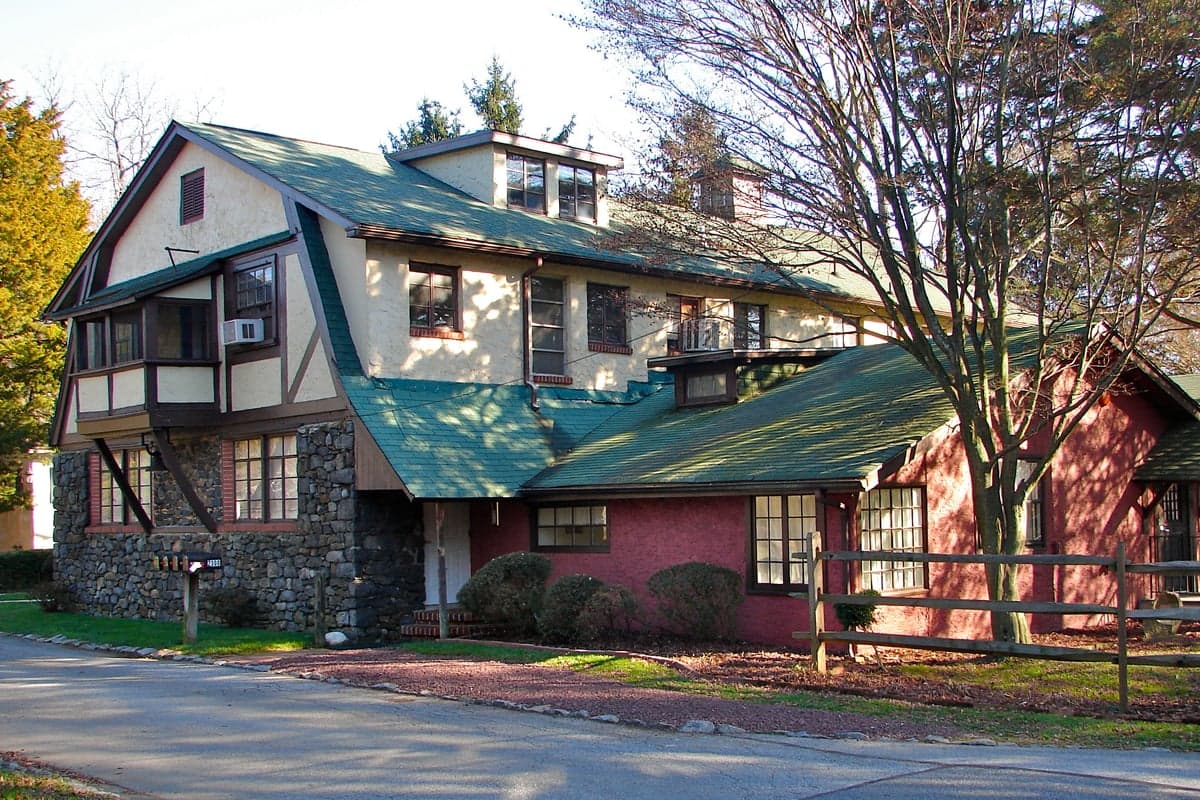
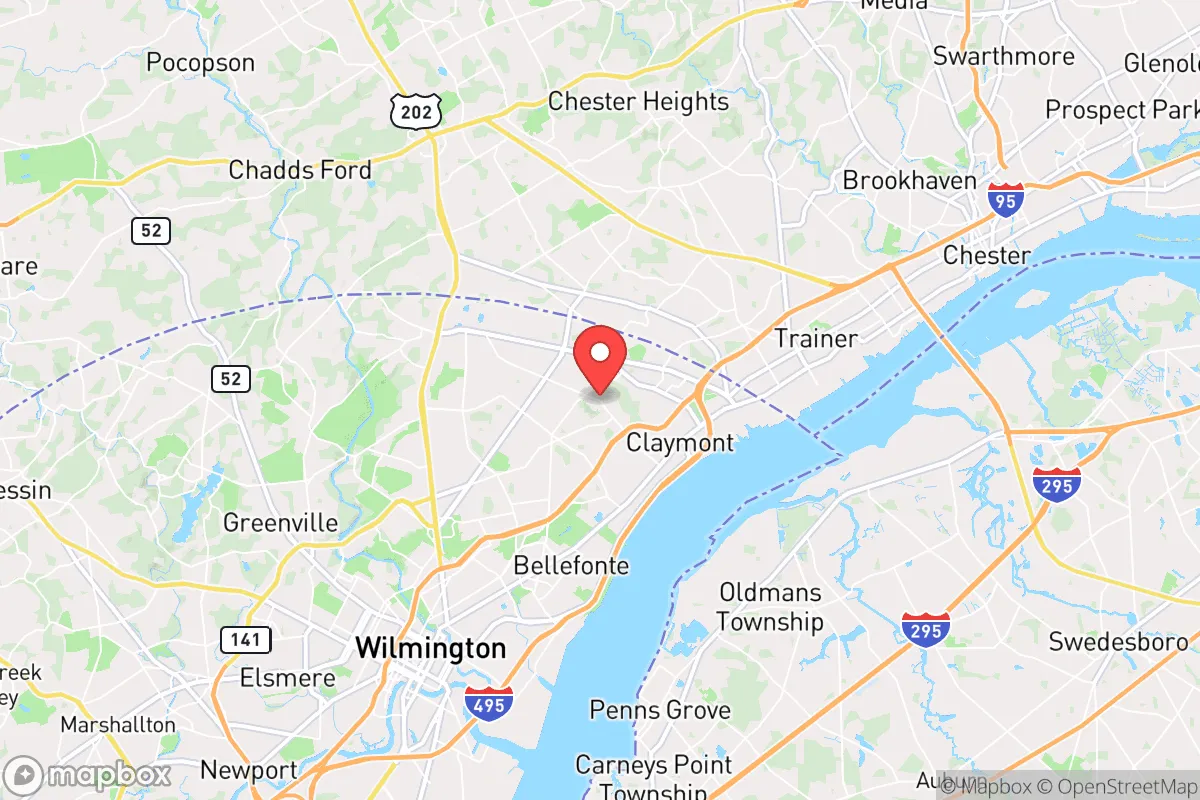
Photo: Wikipedia
Quality of Life in Arden, DE
Above-average quality of iife. The area offers a reasonable cost of living, decent mobility, and a mix of neighborhood amenities.
What does Quality of Life tell us?
Quality of Life blends cost of living, nearby amenities, socioeconomic signals, and neighborhood character. City-level scores represent the whole municipality; individual neighborhoods can differ.
What does this tell us?
Quality of Life blends cost of living, nearby amenities, socioeconomic signals, and neighborhood character. City-level scores represent the whole municipality; individual neighborhoods can differ.
Cost of Living
33% above national average
The Real Cost of Living in Arden, DE for 2026
| Tier | Individual | Family (4) |
|---|---|---|
| Survival | $20k | $38k |
| Comfortable | $94k | $138k |
| Luxury | $145k+ | $225k+ |
| Elite (Top 5%) | $174k+ | $269k+ |
58%
The Area Signal
A metric tracking the socioeconomic signals of the area.
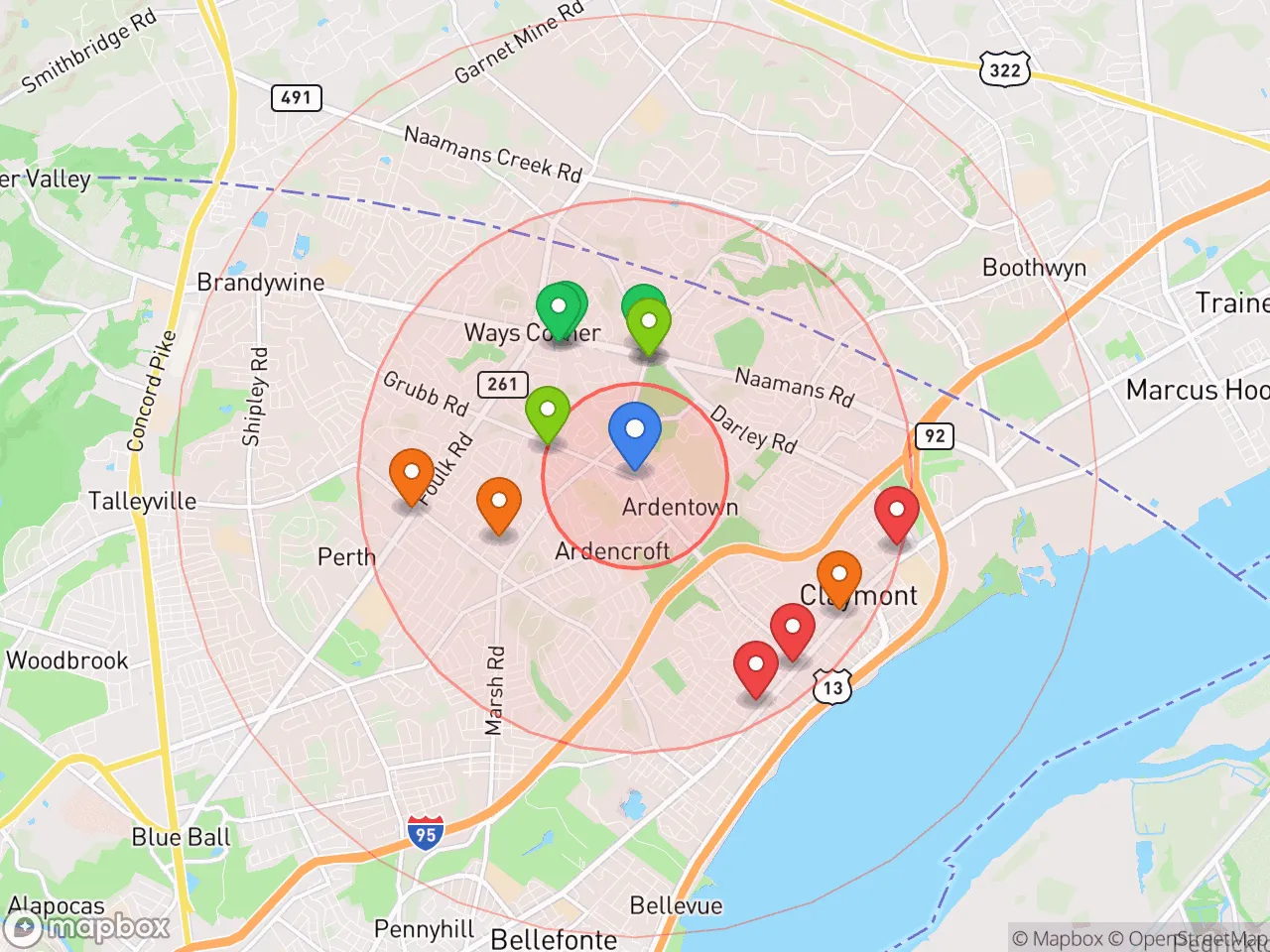
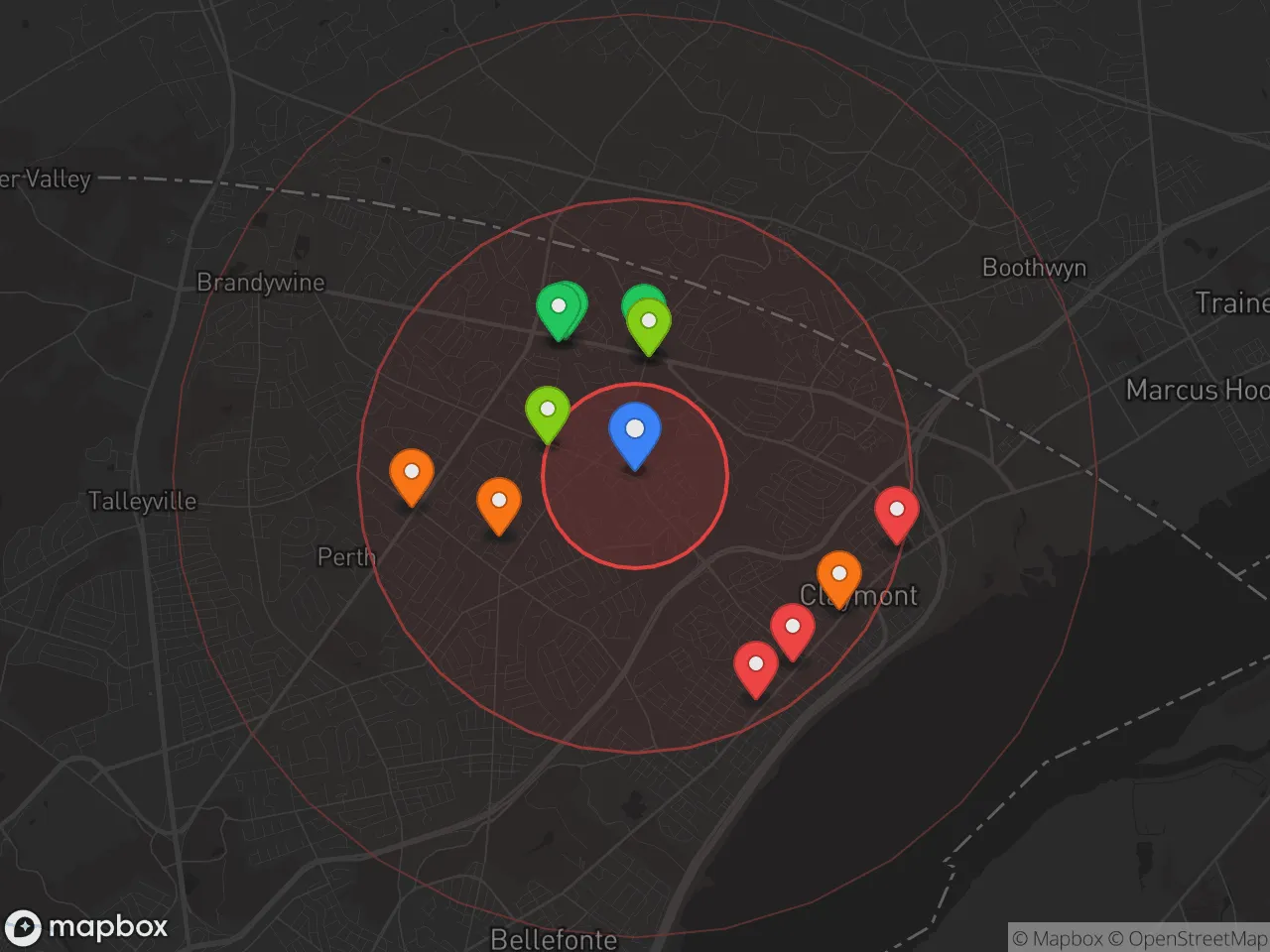
Hobbies
Explore the areaGroceries
7 within 10 miles
Gas
20 within 10 miles
Hospital
20 within 20 miles
Airport
PHL — Philadelphia International
Post Office
USPS — Claymont, DE
Critical Amenities
Quality-of-Life Analysis
Arden, Delaware, is a small, affluent village with a cost of living index of 133 (33% above the U.S. average), attracting professionals, academics, and families who value its unique cooperative land trust model and strong sense of community. The village’s median home value of $484,200 and median rent of $1,250 reflect a market that is significantly more expensive than the national median but still notably more affordable than nearby Wilmington or Philadelphia suburbs. This enclave draws residents who prioritize walkability, historic charm, and progressive values over low housing costs, creating a distinct quality of life centered on shared green spaces and civic engagement.
Cost of living and housing affordability compared to Wilmington and Philadelphia
Arden’s cost of living index of 133 places it well above the national baseline, driven primarily by housing. The median home value of $484,200 is roughly 40% higher than the U.S. median, yet it remains competitive when compared to neighboring areas: Wilmington’s median home value hovers around $250,000, while Philadelphia’s is approximately $220,000. However, Arden’s median rent of $1,250 is notably lower than the national median rent of roughly $1,700, making it a relative bargain for renters in the region. This discrepancy stems from the village’s unique land trust model, where residents lease land from the nonprofit Arden Club, reducing upfront purchase costs but keeping property values elevated. For buyers, the trade-off is lower property taxes (around 0.5% of assessed value) versus higher home prices, while renters benefit from below-market rates due to limited supply. Compared to the Philadelphia metro area’s overall COL index of 105, Arden’s 133 is steep, but for those seeking a tight-knit, arts-oriented community with access to I-95 and Amtrak’s Wilmington station (10 minutes away), the premium is often justified.
What daily life is like for families: schools, amenities, and community rhythm
Daily life in Arden revolves around its pedestrian-friendly layout, with no through streets and abundant wooded paths connecting homes to the village’s central green, the Arden Gild Hall, and the Arden Pool. The village is served by the Red Clay Consolidated School District, which includes the highly rated Brandywine Springs School (K-8) and John Dickinson High School—both within a 10-minute drive. For younger children, the Arden Early Childhood Center offers a cooperative preschool. Amenities are intentionally modest: the Arden Club runs a summer theater program, a weekly farmers market, and a community garden, while the nearby Concord Mall and Talleyville Towne Center provide grocery and retail options. The village’s rhythm is slow and neighborly, with frequent potlucks, art shows, and the annual Arden Fair drawing residents together. Commuters benefit from SEPTA’s Wilmington/Newark line at the nearby Churchmans Crossing station (8 minutes by car), offering a 30-minute ride to Philadelphia’s 30th Street Station. For families, the trade-off is limited nightlife and dining—most evenings are spent at home or at the Gild Hall—but the safety (crime rates are well below Delaware averages) and strong social fabric are major draws.
Arden is best suited for families, retirees, and professionals who value community engagement, walkability, and historic character over urban amenities or low housing costs. The village’s cooperative land trust model means residents must participate in the Arden Club and adhere to its bylaws, which can feel restrictive to some but fosters a deep sense of belonging. Those who thrive here are typically drawn to the arts, environmental stewardship, and a slower pace of life, while still needing proximity to Wilmington’s jobs (e.g., at Bank of America, DuPont, or ChristianaCare) or Philadelphia’s cultural and employment hubs. For anyone seeking a low-maintenance, car-light lifestyle in a tight-knit enclave with above-average schools and below-average crime, Arden offers a quality of life that justifies its premium cost.

Crime in Arden, DE
Crime rates similar to the national median for U.S. locations.
Violent CrimeViolent Crime Analysis
Property CrimeProperty Crime Analysis
Crime Analysis
Arden, Delaware, reports a violent crime rate of 342.6 incidents per 100,000 residents and a property crime rate of 1,551.4 per 100,000, placing it in a challenging safety position for a small village within a major metropolitan orbit. These figures reflect the broader pressures of being situated near Wilmington and within the Philadelphia metro area, where crime patterns often spill over into surrounding communities. The village's proximity to a large, progressive urban center introduces systemic risks that residents should weigh carefully, particularly regarding how regional criminal justice policies affect local safety.
Crime in context
Arden's violent crime rate of 342.6 per 100,000 is roughly on par with the national average of approximately 380 per 100,000, but it significantly exceeds the Delaware state average of about 430 per 100,000 only when considering the state's overall mix of rural and suburban areas. Property crime in Arden, at 1,551.4 per 100,000, is notably higher than the national median of roughly 1,950 per 100,000, though it remains below the Delaware state average of approximately 2,100 per 100,000. These numbers place Arden in a middle tier for safety within New Castle County, but the context of its location matters: the village is less than 10 miles from Wilmington, a city that consistently reports violent crime rates two to three times higher than Arden's. The influence of a large metro area with progressive district attorneys and judges—who often prioritize diversion programs and reduced sentencing—means that offenders from Wilmington may face fewer consequences, increasing the likelihood of crime radiating into adjacent communities like Arden.
What residents experience
For daily life in Arden, the property crime rate is the more immediate concern. Residents report that vehicle break-ins and package thefts are the most common incidents, often linked to transient individuals moving through the area from nearby urban corridors. The violent crime rate, while lower than in Wilmington, is not negligible: incidents such as aggravated assaults and robberies do occur, though they are less frequent. The village's small size—roughly 500 residents—means that even a handful of violent crimes can skew the per-capita rate upward. Residents should also be aware that progressive criminal justice reforms in Delaware, including cash bail reform and early release programs, have reduced the deterrent effect of arrest, potentially emboldening property criminals who know they face minimal jail time for non-violent offenses.
Neighborhood-level variation within Arden is limited due to the village's compact, historic layout, but safety perceptions differ between the core village area and the more isolated wooded lots along the edges. The central village green and surrounding homes benefit from higher foot traffic and community vigilance, while properties on the periphery, particularly those near the Arden-Centreville Road corridor, report more frequent incidents of trespassing and theft. No single neighborhood in Arden is immune from the spillover effects of the broader metro area's crime dynamics, and residents should prioritize home security measures and neighborhood watch participation regardless of their specific street.
* Values derived from national, state, county, city and local statistics and may differ in a specific area. Last updated: 2026-04-29T21:02:29.000Z
Narrative content on this page is AI-generated and may contain mistakes. Verify any details that matter before acting on them.
ReloMaps may earn a commission from affiliate links at no extra cost to you.

