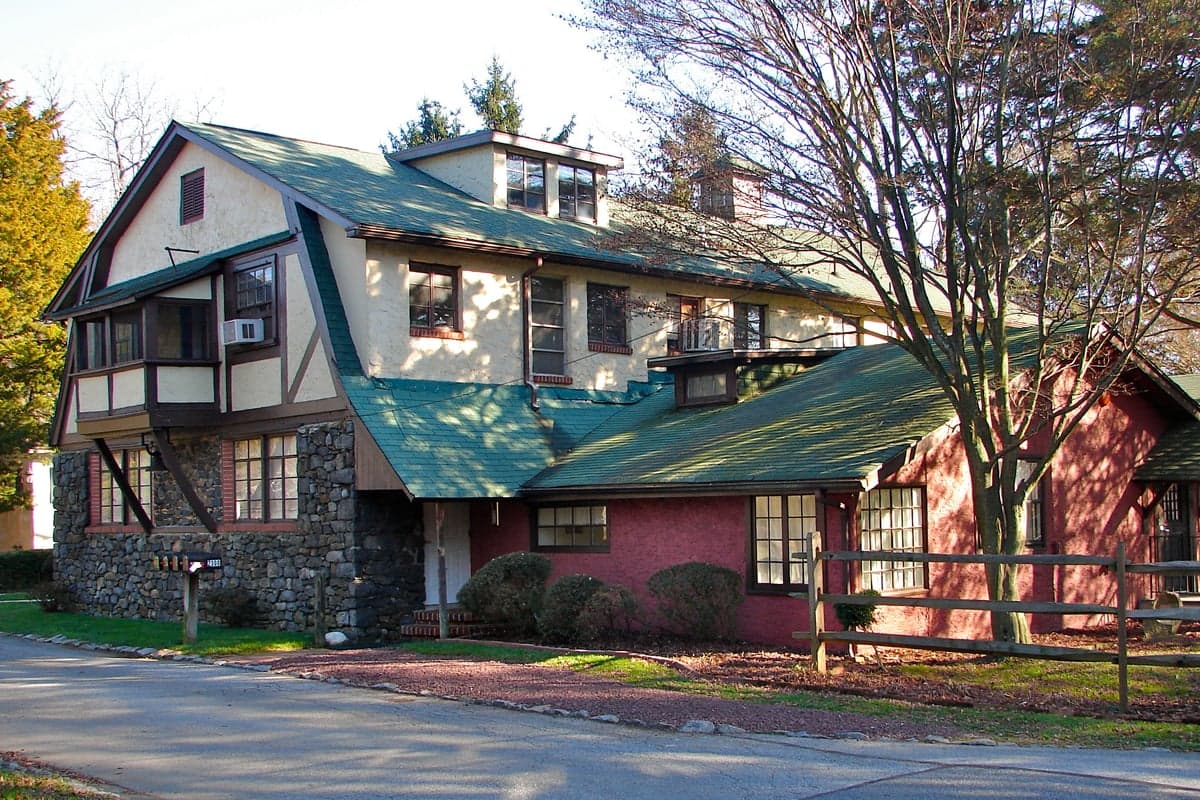
Photo: Wikipedia
Political ClimatePolitical Climate in Arden, DE
District shown is the primary district for this city’s centroid. Cities may span multiple districts.
Inherited from parent state — no local data available.
Local Political AnalysisPolitical Analysis of Arden, DE
Arden, Delaware, has a Cook PVI of D+8, meaning it leans significantly more Democratic than the national average, but that number doesn't tell the whole story of what it's like to live here. This isn't some deep-red rural outpost; it's a small, historic village where the local politics have shifted noticeably leftward over the past decade, and that shift is starting to feel a bit heavy-handed. If you're coming from a place where folks generally believe the best government is the one that stays out of your business, you'll want to keep an eye on how things are trending here, because the local culture is increasingly embracing a more activist, top-down approach.
How it compares
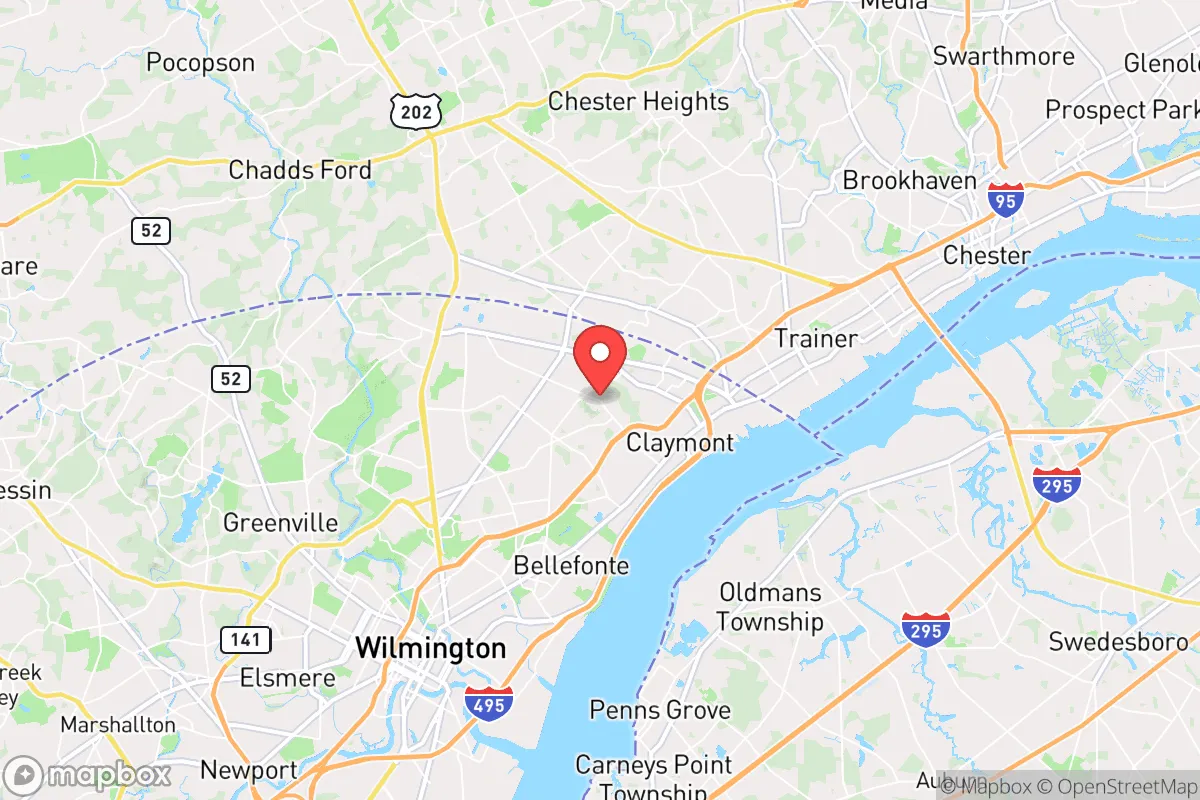
To really understand Arden, you have to look at its neighbors. Drive ten minutes south to Wilmington, and you're in a solidly Democratic city with all the urban challenges that come with it—higher crime, more bureaucracy, and a tax base that's constantly being squeezed for new programs. Head west to Hockessin or Greenville, and you'll find a more balanced, fiscally conservative vibe where people still value local control and low property taxes. Arden, by contrast, has become a bit of an island of progressive activism. The local government here isn't shy about pushing new ordinances on everything from land use to social policies, and there's a palpable sense that the village council sees itself as a vehicle for social change rather than just managing roads and trash pickup. That D+8 rating is real, and it shows in the kinds of candidates who win local elections—folks who are more interested in expanding government's role than in protecting individual liberties.
What this means for residents
For a long-time resident like me, the biggest concern is the slow creep of government overreach into daily life. It used to be that Arden was a quirky, artsy community where people mostly left each other alone. Now, you see more zoning restrictions, more committees studying how to "improve" things that weren't broken, and a general attitude that the village knows better than you do. Property taxes have crept up to fund new initiatives, and there's a growing push for "equity" policies that sound nice in theory but often mean more rules and less freedom for homeowners and small businesses. If you value your right to do what you want with your own property—like building a shed without three layers of permits or running a small home-based business without a special hearing—you'll find the local climate increasingly frustrating. The long-term trajectory, if current trends hold, is more of the same: more regulation, higher costs, and a government that sees itself as your partner in living your life, whether you asked for the help or not.
Culturally, Arden still has its charms—the village green, the summer concerts, the sense of community that's rare in bigger cities. But there's a growing divide between the old guard, who remember when the village was more libertarian-leaning and hands-off, and the newer arrivals who seem to want to turn every block into a policy experiment. The local school board and town council elections have become battlegrounds over issues like curriculum content and public spending, and the progressive side usually wins. If you're looking for a place where the government respects your personal freedoms and keeps its nose out of your wallet and your home, Arden might feel like a slow-motion squeeze. It's still a nice place to live, but you'll want to get involved in local politics if you want to keep it from becoming just another suburb with a big-government mindset.

State Political ClimatePolitical Climate in Delaware
State Political AnalysisPolitical Environment in the State
Delaware, the First State, has a political climate that leans reliably Democratic at the state level, but it’s far from a monolith. Over the past 10-20 years, the state has shifted leftward, driven by the growth of the northern metro corridor, but it still retains a stubborn, conservative streak in its central and southern counties. The overall partisan lean is about D+7, but the real story is the widening gap between the liberal, urbanized north and the more traditional, rural south—a divide that’s become the central fault line in state politics.
Urban vs. rural divide
The political map of Delaware is essentially a tale of three counties. New Castle County, home to Wilmington and the sprawling suburbs around it, is the Democratic powerhouse. It casts about 60% of the state’s vote and reliably delivers margins of 20-30 points for Democrats. This is where the corporate transplants, university communities (University of Delaware in Newark), and a growing professional class drive the blue wave. In contrast, Kent County, anchored by Dover, is a true swing area—it voted for Biden in 2020 but often flips in state races, with a mix of state workers and agricultural communities. Sussex County, the southern beach and farming region, is the Republican stronghold. Towns like Lewes, Rehoboth Beach, and Georgetown are politically distinct: the coastal resort areas are trending purple due to wealthy retirees and second-home owners, while the inland farming communities remain deeply red. The 2024 presidential race saw Sussex County vote +12 for Trump, but that margin is shrinking as the coast gentrifies. The real battleground is the “C&D Canal” line—north of it, you’re in blue territory; south, you’re in a fight.
Policy environment
Delaware’s policy environment is a mixed bag for a conservative. On the plus side, there’s no state sales tax, which is a huge win for consumers and small businesses. Property taxes are among the lowest in the nation, averaging about 0.55% of assessed value—a major draw for retirees. However, the state income tax is progressive, topping out at 6.6% for high earners, and the corporate tax structure is business-friendly but increasingly burdened by regulatory creep. Education policy is a flashpoint: the state has a strong teachers’ union and has embraced Common Core and progressive curriculum standards, which has frustrated parents seeking more local control. Healthcare is heavily regulated, with a state-based exchange under the ACA. Election laws are a concern for conservatives: Delaware has no-excuse absentee voting, same-day registration, and automatic voter registration, which critics argue opens the door to fraud. The state also has a “red flag” law (the Beau Biden Gun Violence Prevention Act) that allows for temporary seizure of firearms, a clear infringement on Second Amendment rights. The regulatory posture is generally pro-business for large corporations (thanks to the Court of Chancery), but small businesses face a thicket of state-level mandates on wages, leave, and environmental compliance.
Trajectory & freedom
Delaware is trending less free by any measure of personal liberty. The most concerning recent legislation is the 2022 expansion of the red flag law, which now allows family members or police to petition for a gun seizure without a criminal conviction. In 2023, the state banned the sale of “assault weapons” and high-capacity magazines, directly targeting law-abiding gun owners. On the medical autonomy front, Delaware has fully legalized recreational marijuana (2023), which cuts both ways—it expands personal freedom but also creates a new state-monopolized industry. Parental rights took a hit with the 2021 “Healthy Youth Act,” which mandates comprehensive sex education in public schools, including LGBTQ+ topics, without a parental opt-out for the curriculum. Property rights are under pressure from aggressive land-use regulations in New Castle County, where downzoning and environmental restrictions are common. The tax trajectory is concerning: while rates haven’t risen dramatically, the state’s pension liabilities and infrastructure needs suggest future tax hikes are likely. The overall direction is toward a more managed, top-down society, with the state government in Dover increasingly willing to override local control.
Civil unrest & political movements
Delaware is not a hotbed of civil unrest, but there are visible flashpoints. The most notable was the 2020 Black Lives Matter protests in Wilmington, which saw some property damage and a heavy police response. Since then, the activist left has focused on criminal justice reform, pushing for defunding police in Wilmington—a movement that has largely stalled. On the right, the “Delaware Patriots” and similar groups have organized around election integrity, holding rallies at the state capitol in Dover. The 2022 election saw a minor controversy over ballot drop boxes, which were banned by the state legislature after Republican complaints. Immigration politics are relatively quiet, as Delaware is not a border state, but the city of Newark has declared itself a “sanctuary city,” refusing to cooperate with ICE detainers—a policy that rankles conservatives in the surrounding areas. The most visible political movement is the growth of the “Sussex County Republican Club,” which has become a force in local elections, pushing for school board control and property rights. There’s no serious secession talk, but the rural-urban divide has led to whispers of a “Kent-Sussex” alliance to counter New Castle’s dominance.
Projection
Over the next 5-10 years, Delaware will likely continue its leftward drift, but at a slower pace than neighboring New Jersey or Maryland. The key demographic shift is the influx of remote workers and retirees from the Northeast, who are moving to Sussex County’s beach towns and the exurbs of Middletown and Odessa. These newcomers tend to be fiscally conservative but socially liberal, which could moderate the state’s politics—or accelerate the blue trend if they vote like their New York and New Jersey origins. The state’s reliance on corporate franchise fees (about 30% of revenue) makes it vulnerable to economic downturns, which could force tax hikes on individuals. The Republican Party is increasingly a rump faction in the north, but it could regain relevance if it focuses on school choice, parental rights, and tax relief in the growing southern suburbs. A new resident moving in now should expect to find a state where their personal freedoms—especially on guns and education—will be under constant pressure from Dover. The practical takeaway: if you value low property taxes and no sales tax, Delaware is a bargain. But if you want a state that respects your Second Amendment rights or gives you control over your kids’ education, you’ll need to get involved in local politics fast, because the trend is not your friend.
Bottom line for a new resident: Delaware offers a low-tax haven for your wallet, but a high-regulation environment for your lifestyle. The political climate is increasingly progressive in the north, but the southern counties still offer a refuge for traditional values. If you’re moving here, pick your county carefully—Georgetown is a world away from Wilmington—and be prepared to fight for your freedoms at the local level, because Dover isn’t going to do it for you.
* Values derived from national, state, county, city and local statistics and may differ in a specific area. Last updated: 2026-04-29T21:02:29.000Z
Narrative content on this page is AI-generated and may contain mistakes. Verify any details that matter before acting on them.
ReloMaps may earn a commission from affiliate links at no extra cost to you.

