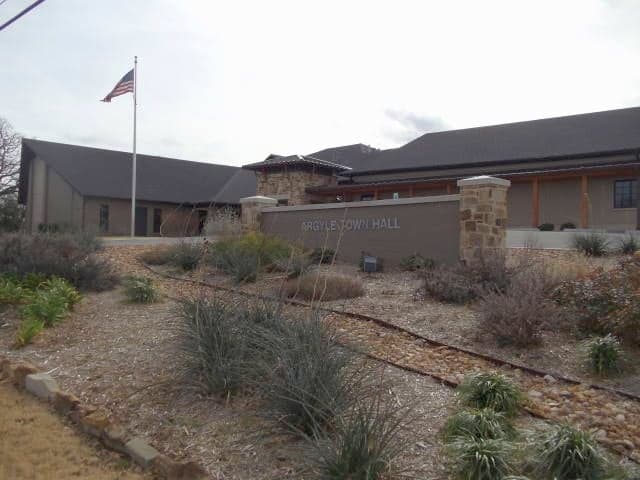
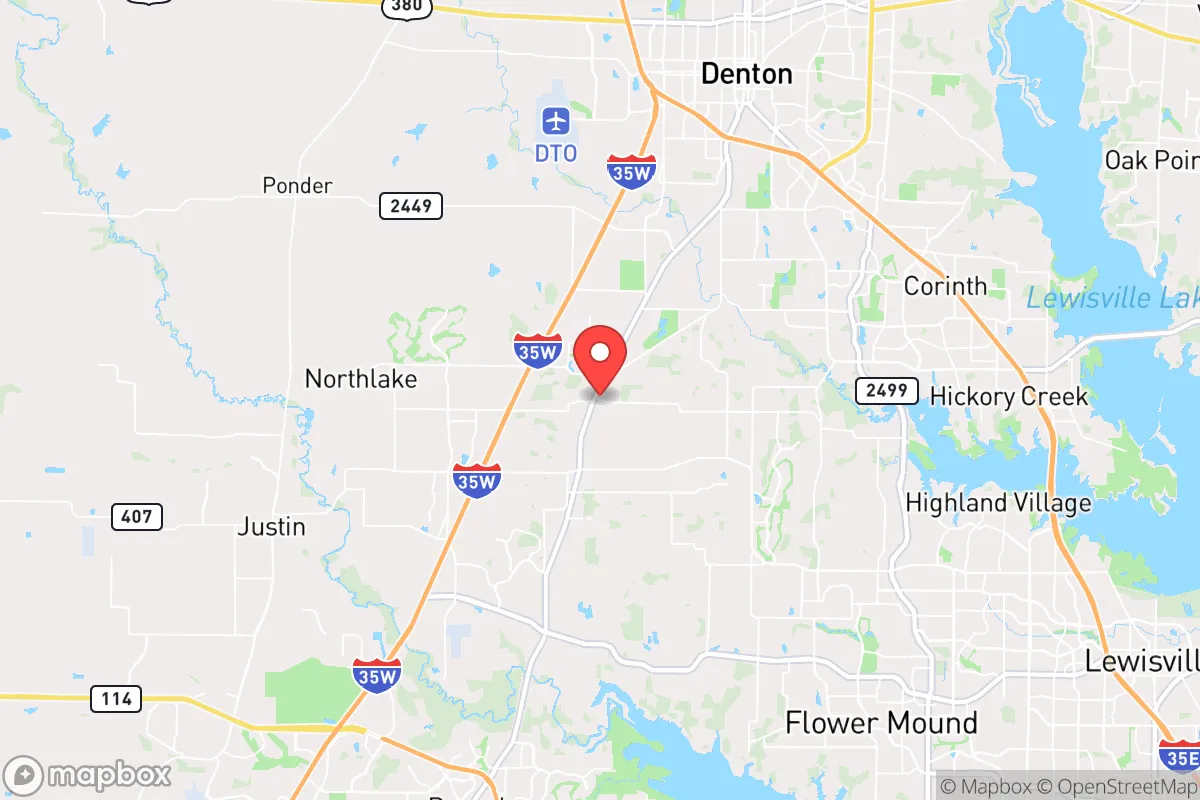
Photo: Wikipedia
Quality of Life in Argyle, TX
A high quality of life with strong walkability, manageable living costs, healthy neighborhood signals, and solid amenity access.
What does Quality of Life tell us?
Quality of Life blends cost of living, nearby amenities, socioeconomic signals, and neighborhood character. City-level scores represent the whole municipality; individual neighborhoods can differ.
What does this tell us?
Quality of Life blends cost of living, nearby amenities, socioeconomic signals, and neighborhood character. City-level scores represent the whole municipality; individual neighborhoods can differ.
Cost of Living
121% above national average
The Real Cost of Living in Argyle, TX for 2026
| Tier | Individual | Family (4) |
|---|---|---|
| Survival | $19k | $35k |
| Comfortable | $121k | $178k |
| Luxury | $202k+ | $313k+ |
| Elite (Top 5%) | $238k+ | $368k+ |
97%
The Area Signal
A metric tracking the socioeconomic signals of the area.


Hobbies
Explore the areaGroceries
0 within 10 miles
Gas
0 within 10 miles
Hospital
3 within 20 miles
Airport
DFW — Dallas Fort Worth International
Post Office
USPS — Keller, TX
Critical Amenities
Quality-of-Life Analysis
Argyle, Texas, is one of the most affluent small towns in the Dallas-Fort Worth metroplex, with a cost of living index of 221 (more than double the U.S. average) that reflects its concentration of high-earning professionals, executives, and families seeking large-lot suburban living. The town’s population of roughly 4,000 residents is overwhelmingly composed of married couples with children, drawn by top-rated schools and a semi-rural atmosphere that still offers quick highway access to Fort Worth (about 30 minutes south) and Dallas (about 45 minutes east). This is not a place for budget-conscious renters or young singles; it is a deliberately exclusive community where the median household income exceeds $150,000 and the housing stock is dominated by custom-built homes on one- to five-acre lots.
Cost of living, housing prices, and how Argyle compares to nearby towns
Argyle’s housing market is the primary driver of its high cost of living. The median home value sits at $624,200, roughly 50% higher than the Denton County median and more than double the Texas state median of about $300,000. Renters face a different picture: the median rent of $1,339 is surprisingly modest for the area, reflecting a very small rental stock (less than 10% of housing units) that consists mostly of older duplexes and a few apartment complexes near I-35W. For comparison, a comparable home in neighboring Highland Village or Flower Mound would cost $50,000–$80,000 less, while the more distant exurbs like Sanger or Pilot Point offer homes $150,000–$200,000 cheaper but with longer commutes. The average commute time of 33.4 minutes is typical for outer-ring DFW suburbs, with most residents driving south on I-35W or east on FM 407 to jobs in Fort Worth’s Alliance Corridor or Dallas’s northern suburbs. Property taxes in Argyle run about 2.4% of assessed value, in line with Denton County averages, but the high home prices mean annual tax bills often exceed $15,000.
What daily life is like for families: schools, amenities, and local rhythm
Daily life in Argyle revolves around the Argyle Independent School District (AISD), which consistently ranks among the top 10% of Texas school districts by academic performance, with Argyle High School earning an A rating from the Texas Education Agency and sending over 90% of graduates to college. The town has no major hospital, no shopping mall, and only a handful of restaurants—most errands require a 10- to 15-minute drive to the Walmart Supercenter or the retail corridor along FM 407 in Lantana. Recreation centers on the Argyle Community Park (with sports fields, a disc golf course, and a splash pad) and the nearby Lake Lewisville for boating and fishing. The social calendar is dominated by youth sports leagues (football, baseball, soccer) and school events; there is no downtown district or nightlife to speak of. The town’s volunteer fire department and low crime rate (violent crime is roughly 80% below the national average) reinforce a safe, insular feel where neighbors know each other by name.
Argyle is best suited for upper-middle-class families who prioritize school quality and space over urban convenience and are willing to pay a premium for a semi-rural setting with a short commute to Fort Worth’s employment centers. Empty-nesters downsizing from larger estates may also find the town appealing, though the lack of medical facilities and senior services is a drawback. Professionals who work in Dallas proper or who need frequent airport access (DFW is 35 minutes away) will find the commute manageable but not ideal. Budget-conscious buyers or renters should look to nearby towns like Justin or Roanoke, where homes cost 20–30% less and the school ratings remain strong. For those who can afford the entry price, Argyle offers a quiet, family-focused lifestyle with some of the best public education in North Texas.

Crime in Argyle, TX
Lower crime rates than 94% of comparable U.S. locations.
Violent CrimeViolent Crime Analysis
Property CrimeProperty Crime Analysis
Crime Analysis
Argyle, Texas, is one of the safest small towns in the Dallas-Fort Worth metroplex, with violent crime rates roughly 75% below the national average and property crime rates that are less than half the U.S. median. Located in Denton County, this community of roughly 4,500 residents reports a violent crime rate of just 87.4 incidents per 100,000 residents and a property crime rate of 437 per 100,000, making it a standout for safety in the North Texas region.
Crime in context
Argyle’s violent crime rate is dramatically lower than both the Texas state average (roughly 450 per 100K) and the national average (about 380 per 100K). Property crime in Argyle also runs well below the national benchmark of roughly 1,950 per 100K. For context, the nearby city of Denton reports a violent crime rate near 300 per 100K, while larger DFW suburbs like Carrollton and Plano see rates in the 150–200 range. Argyle’s figures place it among the safest 5% of Texas municipalities by violent crime. The town benefits from a dedicated police force and a community-oriented approach, but residents should also note that Denton County’s judicial landscape—while not as progressive as Dallas or Travis counties—has seen some shifts toward rehabilitation-focused policies. Progressive district attorney policies in nearby larger counties can sometimes lead to reduced incarceration rates and earlier release of offenders, which may increase property crime risks in adjacent communities. Argyle’s low rates suggest these spillover effects remain minimal here, but the trend is worth monitoring.
What residents experience
Daily life in Argyle is characterized by a strong sense of security. Most crime is property-related—primarily theft from vehicles and occasional burglaries—rather than violent offenses. Residents commonly report leaving doors unlocked during the day, and neighborhood watch programs are active in subdivisions like Canyon Falls and Argyle South. The town’s low population density and limited commercial corridors reduce opportunities for street-level crime. However, the proximity to Interstate 35W means that transient property crime, such as vehicle break-ins at trailheads or retail parking lots, is the most common concern. Argyle’s police department emphasizes community engagement, with regular safety workshops and a visible presence at local events like the Argyle Market Days.
Neighborhood-level variation is modest but worth noting. Newer master-planned communities like Canyon Falls, with gated entries and private security patrols, report near-zero crime. Older subdivisions along FM 407 and FM 1830 see slightly higher rates of opportunistic theft, though still far below regional averages. The town’s school zone around Argyle High School is exceptionally safe, with no reported violent incidents on campus in recent years. For families and retirees prioritizing safety, Argyle’s combination of low crime rates and a conservative-leaning local justice system—where Denton County’s district attorney has historically taken a tough-on-crime stance—provides a level of security that is increasingly rare in the DFW metro area.
* Values derived from national, state, county, city and local statistics and may differ in a specific area. Last updated: 2026-10-10T16:26:29.000Z
Narrative content on this page is AI-generated and may contain mistakes. Verify any details that matter before acting on them.
ReloMaps may earn a commission from affiliate links at no extra cost to you.

