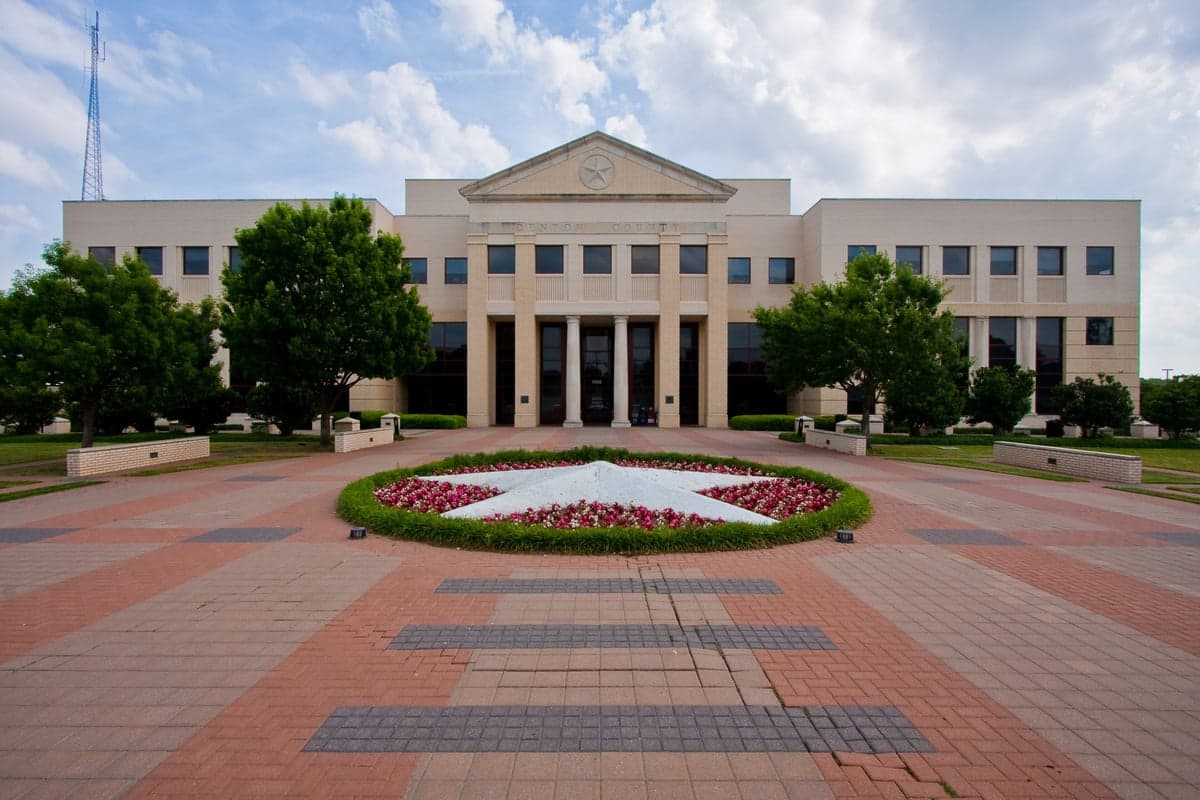
Photo: Wikipedia
Find The Best Places To Live in Denton County
PRO TIP! You can paste a Zillow or Redfin link to get info on that property.
Best Places to Live in Denton County
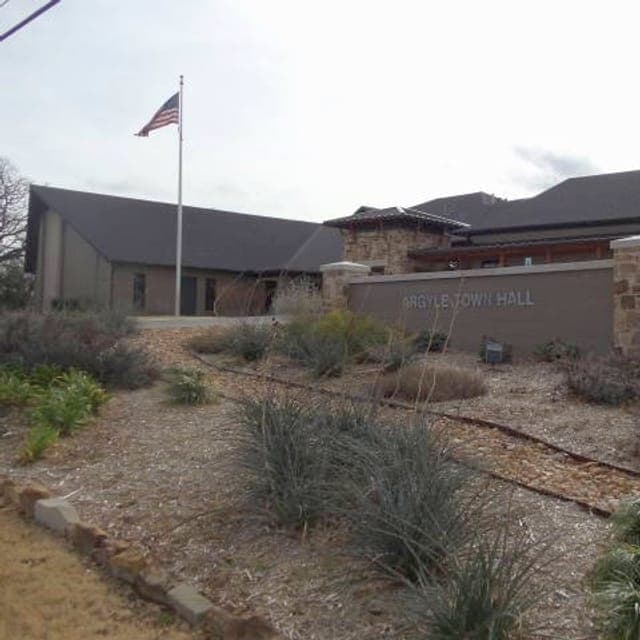
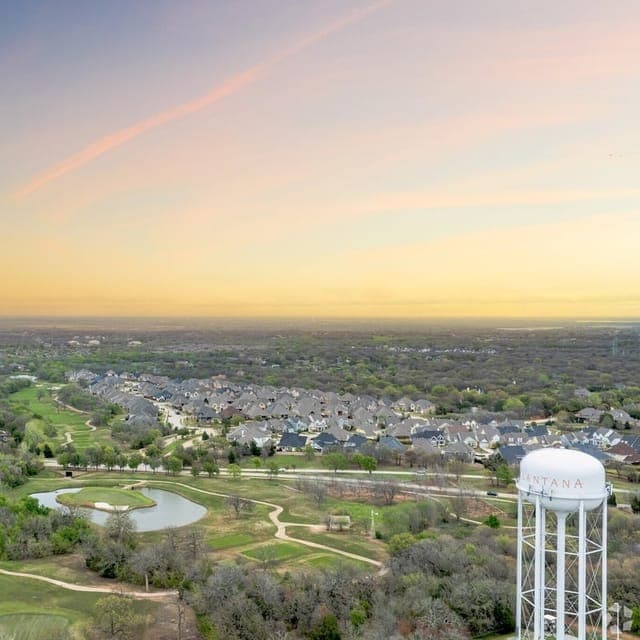
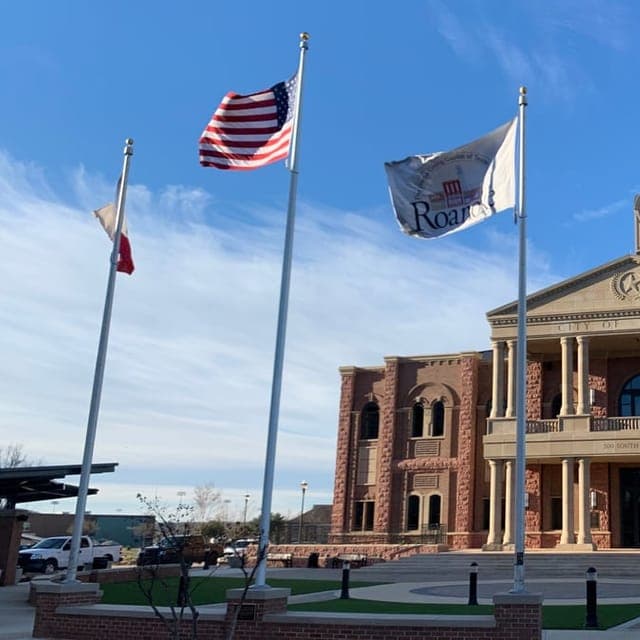

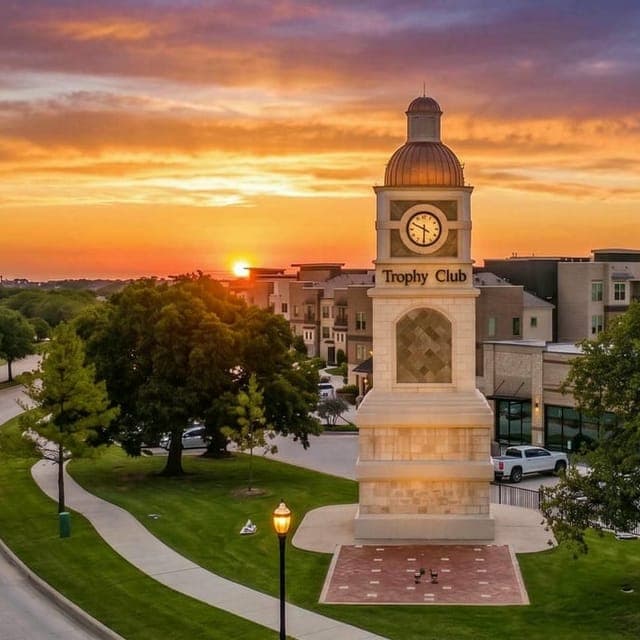
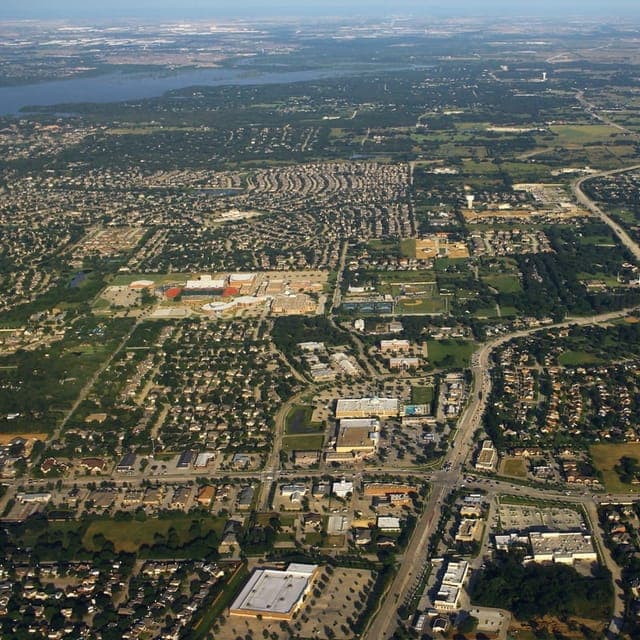
Cities & Towns in Denton County
Cities in Denton County
What It's Like Living in Denton County, TX
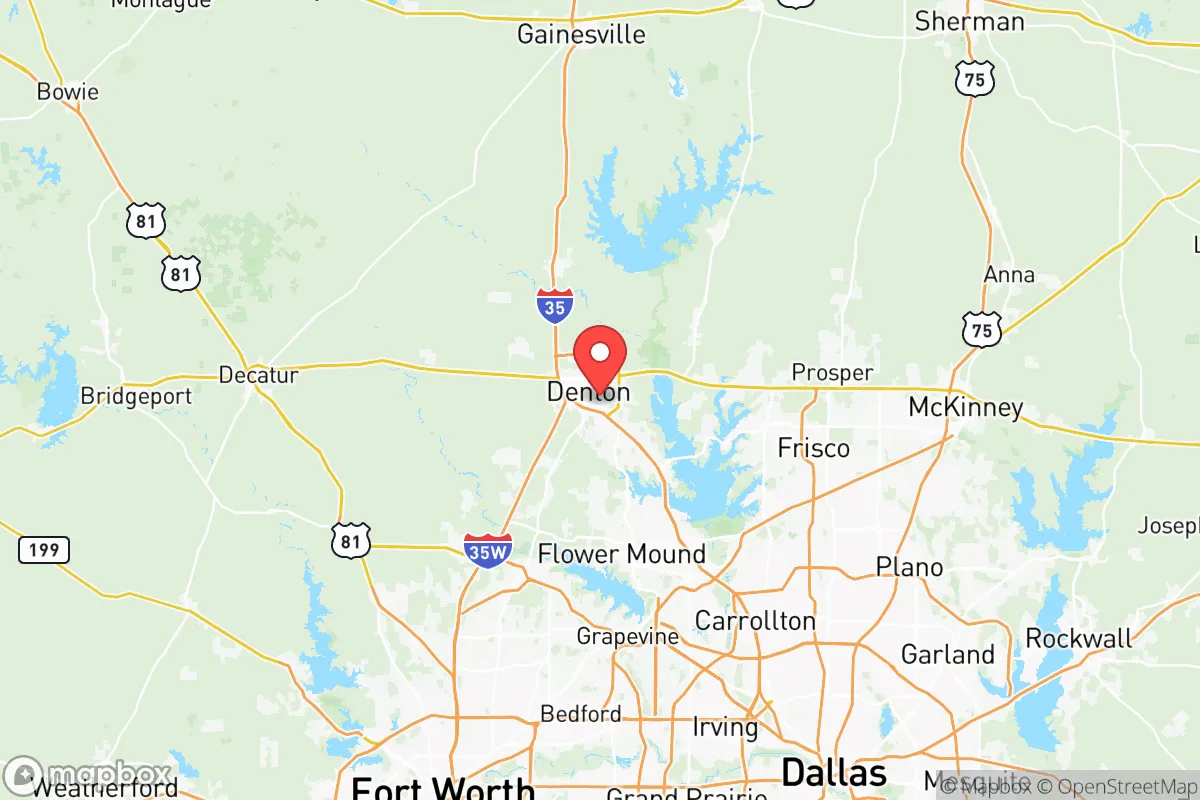
Living in Denton County means straddling two worlds at once. You get the booming suburban energy of Frisco and the historic college-town pulse of Denton, with wide-open ranchland and small communities like Aubrey and Krum still holding on between them. It’s a place where a family can settle into a master-planned community in Little Elm on a Tuesday and drive twenty minutes to a bluegrass show at a dive bar in downtown Denton on Friday night.
The Daily Rhythm: Commutes, Schools, and Weekend Errands
For most people, daily life in Denton County revolves around two things: the school calendar and the commute. The average commute here clocks in at just over 28 minutes, which feels about right for a county where many residents work in Dallas or Fort Worth but want the bigger yards and newer schools found in places like Flower Mound or Argyle. The morning rush on I-35E and the Dallas North Tollway is a real thing—locals plan around it, and many families choose their home based on proximity to a toll road entrance. The county’s median age of 36.8 reflects a population heavy on parents with kids in the Lewisville, Denton, or Northwest ISD systems, where Friday-night football games at places like Apogee Stadium or the Ford Center at The Star are as much a community gathering as a sporting event.
Weekends often involve a trip to a local farmers market—the one in downtown Denton is a favorite—or a day on the water at Lake Lewisville or Lake Ray Roberts. Shopping leans heavily on the big-box and strip-mall variety, but Frisco and Highland Village have raised the bar with nicer dining and retail options. The median household income of $108,185 supports a lifestyle where families can afford a newer home (median value $403,400) and still have room for a boat payment or a season pass to the local water park.
Sports, Festivals, and Where People Actually Hang Out
Sports are a big deal here, but not in the way you might expect. There’s no major pro team inside the county line, but the Dallas Cowboys practice and play in Frisco at The Star, which has turned that city into a year-round destination for football fans. High school football is the real religion—rivalries between Denton Ryan and Argyle draw crowds that rival small college games. For college sports, the University of North Texas Mean Green in Denton gives locals a Division I option without the hassle of driving to Dallas.
Entertainment runs the gamut. The Denton Arts and Jazz Festival draws tens of thousands each spring, and the Thin Line Fest blends film and music in a way that feels more Austin than suburbia. For a quieter night, locals hit spots like the Bearded Monk in Denton for craft beer or the Chop House Burger in Lewisville for a no-frills patty. Outdoor types spend weekends hiking the trails at the Isle du Bois Unit of Ray Roberts Lake State Park or biking the paved paths along the Trinity River Greenbelt in Coppell. The county’s cost of living index sits at 142, which is high for Texas but still manageable compared to the coasts—you pay a premium for the schools and the proximity to DFW Airport.
Who Fits In, and Who Might Not
Denton County works best for people who want suburban convenience without the cookie-cutter feel of some other Dallas exurbs. It attracts a mix of young professionals priced out of Dallas proper, families looking for strong public schools, and retirees who want to be near grandkids without living in a 55+ bubble. The political leanings vary by city—Flower Mound and Highland Village tend conservative, while Denton itself has a more progressive, artsy streak—but overall the county votes reliably red, which appeals to the conservative audience this site serves. The 48.4% college-educated rate means you’ll find plenty of neighbors with white-collar jobs in tech, healthcare, or finance, but there’s also a strong blue-collar presence in construction and logistics tied to the region’s growth.
What frustrates longtime residents? The traffic is the top complaint, followed by the feeling that the county is growing faster than its infrastructure can handle. New housing developments seem to pop up overnight in Aubrey and Pilot Point, and the commute times are creeping up. The violent crime rate of 342.3 per 100,000 is slightly above the national average, though most of that is concentrated in specific areas of Denton and Lewisville rather than the suburban neighborhoods. On the plus side, residents love the variety—you can live on a few acres in Krum with horses, then drive 20 minutes to a Costco in The Colony. The seasonal rhythm is classic North Texas: hot summers that push everyone indoors or onto the lakes, mild springs perfect for patio dining, and the occasional winter ice storm that shuts everything down for a day or two.
For a single person or a parent weighing a move, Denton County offers a middle ground that’s hard to find elsewhere in the metroplex. It’s not as polished as Collin County to the east, nor as gritty as Dallas proper. It’s a place where you can still find a slice of Texas identity—barbecue joints, honky-tonks, and open sky—while living within reach of a major airport and a world-class medical center in Plano. The key is picking the right city within the county for your stage of life, and understanding that the trade-off for space and schools is a car-dependent lifestyle and a commute that demands patience.

* Values derived from national, state, county, city and local statistics and may differ in a specific area. Last updated: 2026-05-11T23:54:29.000Z
Narrative content on this page is AI-generated and may contain mistakes. Verify any details that matter before acting on them.
ReloMaps may earn a commission from affiliate links at no extra cost to you.

