Photo: Wikipedia
Find The Best Places To Live
in Roanoke
PRO TIP! You can paste a Zillow or Redfin link to get info on that property.
What It's Like Living in Roanoke, TX
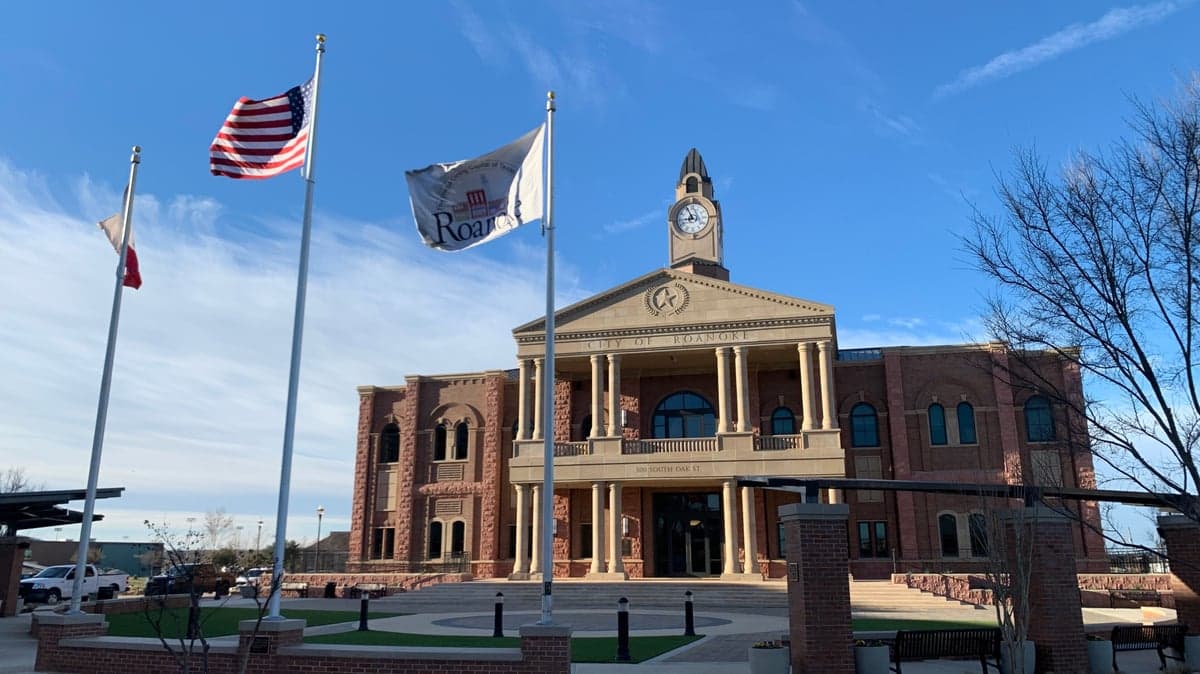
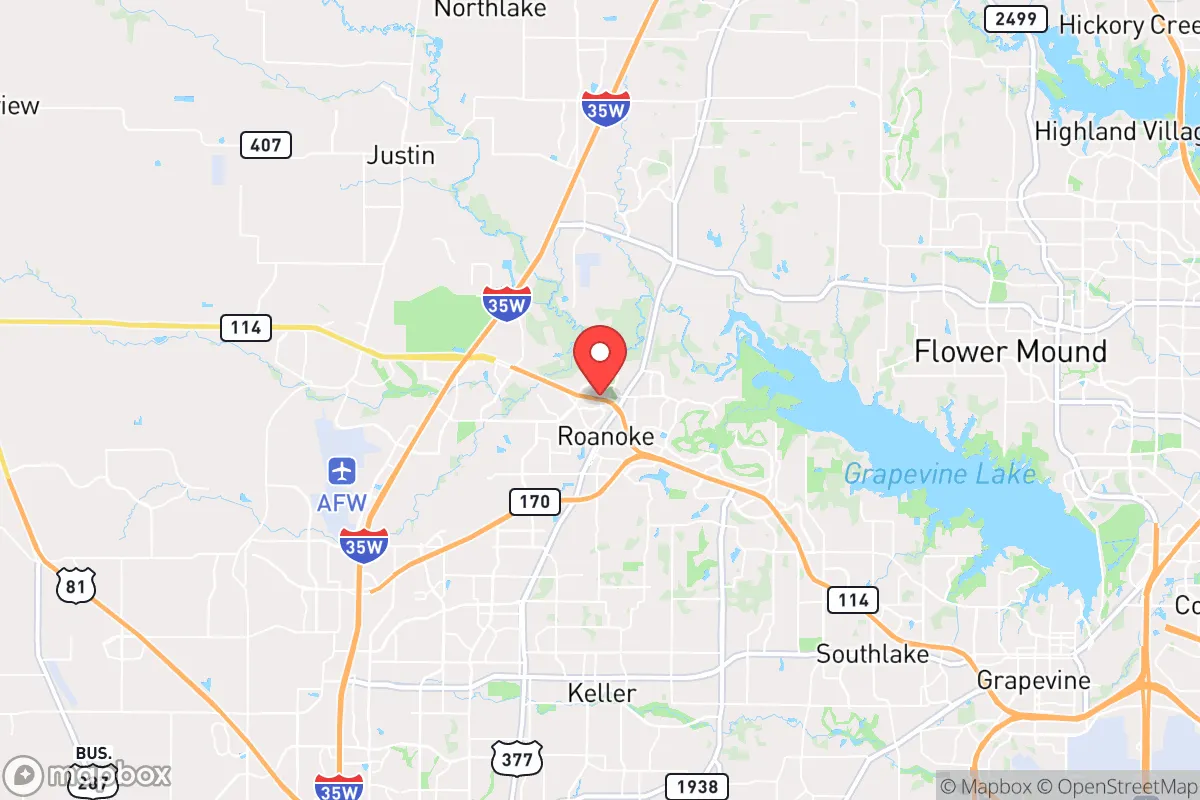
Roanoke, Texas, calls itself the "Unique Dining Capital of the Metroplex," and that tagline actually undersells the place. This is a small town of just under 10,000 people that feels like a deliberate escape from the sprawl of Fort Worth and Dallas, yet it sits close enough that you can be at DFW Airport in 20 minutes. The vibe is less "bedroom community" and more "intentional small town" — where the median income sits just over $100,000, the median home value is $454,500, and people genuinely know their neighbors.
Daily Rhythm: What People Actually Do Here
Weekday life in Roanoke revolves around a few predictable anchors. The average commute clocks in at about 27 minutes, which means most residents are driving to jobs in Fort Worth, AllianceTexas, or even Las Colinas. That commute is the trade-off for living somewhere with a 98.2 violent crime rate per 100,000 — roughly half the national average — and a cost of living index of 158 that reflects the premium people pay for that safety and space.
When people are home, they're at the local parks or the town square. Roanoke's downtown is compact but functional: a few blocks of restaurants, a brewery, and a coffee shop where you'll see the same faces every Saturday morning. The grocery store parking lot is where you run into your kid's teacher or the mayor. There's no mall, no movie theater, no big-box entertainment — and residents seem to prefer it that way. Weekends often mean grilling in the backyard, a bike ride on the Denton Creek Trail, or a short drive to Southlake or Grapevine for shopping.
Sports, Community, and the High School as Town Hub
High school sports are a very big deal here. Roanoke is served by the Northwest Independent School District, and Friday nights in the fall mean the Northwest Texans football games draw a crowd that includes families who don't even have kids in the district. The school system is the single biggest community gathering point — bond elections, booster clubs, and band fundraisers are the stuff of local conversation. There's no pro sports team in town, but the proximity to Arlington (30 minutes) means Cowboys and Rangers games are a regular outing, not a special event.
The town's signature festival is Roanoke's Depot Days, held each fall around the historic train depot. It's a small-town fair — craft booths, a car show, live music, and a parade — that draws people from surrounding communities. The other big annual event is the Christmas tree lighting on the square, which packs the downtown with families and feels like the kind of thing that's been happening for decades.
What's There to Do (and What Isn't)
The restaurant scene is genuinely unusual for a town this size. Roanoke has a half-dozen independent eateries that draw diners from across the Metroplex — places like Babe's Chicken Dinner House (the original location) and Hard Eight BBQ are destination spots. The "Unique Dining Capital" branding comes from the sheer density of locally-owned restaurants relative to population. You can eat well every night of the week without hitting a chain.
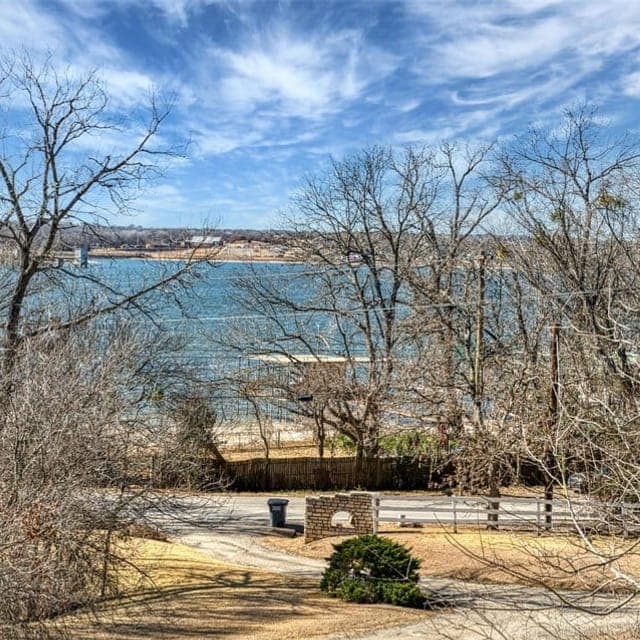
Outdoor options are solid but not spectacular. The Roanoke Community Park has baseball fields, a splash pad, and walking trails. Lake Grapevine is 15 minutes away for boating and fishing. What's missing: there's no real nightlife beyond a couple of bars, no music venue, and no arts scene to speak of. If you want a concert or a museum, you're driving to Fort Worth or Dallas. The trade-off is that you can leave your front door unlocked and your kids can ride bikes to the park without worry.
Pros and Cons of Living in Roanoke
- Pro: Genuine small-town feel with big-city access. You can know your mail carrier by name and still be at a DFW gate in 20 minutes. The 47.5% college-educated population means your neighbors are professionals, but the town hasn't lost its rural Texas character.
- Pro: Safety and schools. The violent crime rate is low, and Northwest ISD is consistently rated among the top districts in the region. For families, that's the entire calculus.
- Pro: The restaurant scene. It's a genuine draw. People drive from Keller and Southlake to eat here, and that gives the town a little more energy than you'd expect from 10,000 people.
- Con: Cost of living. At 158 on the index, you're paying a premium for that safety and those schools. The median home value of $454,500 puts homeownership out of reach for many young singles and couples without dual incomes.
- Con: Limited entertainment. If you're under 30 and single, Roanoke will feel quiet. There's no nightlife, no live music scene, and not much to do after 9 PM. The median age of 38.9 reflects a town built around families, not night owls.
- Con: Commute dependency. Almost everyone drives to work, and 27 minutes is the average — some residents push 40-45 minutes to downtown Dallas or Fort Worth. The town has no rail access and limited public transit.
The kind of person who fits in Roanoke is someone who values safety, space, and community over convenience and nightlife. It's a place for people who want their kids to ride bikes to the park, who don't mind driving for a concert, and who appreciate that the local barbecue joint is the social hub. It's not for everyone — but the people who live here tend to stay.

Similar small towns to Roanoke
* Values derived from national, state, county, city and local statistics and may differ in a specific area. Last updated: 2026-05-11T19:32:13.000Z
Narrative content on this page is AI-generated and may contain mistakes. Verify any details that matter before acting on them.
ReloMaps may earn a commission from affiliate links at no extra cost to you.

