
Photo: Wikipedia
Quality of Life in Santa Cruz County
A livable area that tracks near national norms for affordability, walkability, and neighborhood health.
What does Quality of Life tell us?
Quality of Life measures an area by evaluating factors like cost of living, nearby amenities, country club access, airport proximity, socioeconomic signals and neighborhood character. For large states, this is a general average — quality of life can vary dramatically between metro areas, suburbs, and rural communities within the same state.
What does this tell us?
Quality of Life measures an area by evaluating factors like cost of living, nearby amenities, country club access, airport proximity, socioeconomic signals and neighborhood character. For large states, this is a general average — quality of life can vary dramatically between metro areas, suburbs, and rural communities within the same state.
Cost of Living
29% below national average
87%
The Real Cost of Living in Santa Cruz County for 2026
| Tier | Individual | Family (4) |
|---|---|---|
| Survival | $12k | $23k |
| Comfortable | $42k | $62k |
| Luxury | $93k+ | $143k+ |
| Elite (Top 5%) | $109k+ | $169k+ |
Quality-of-Life Analysis
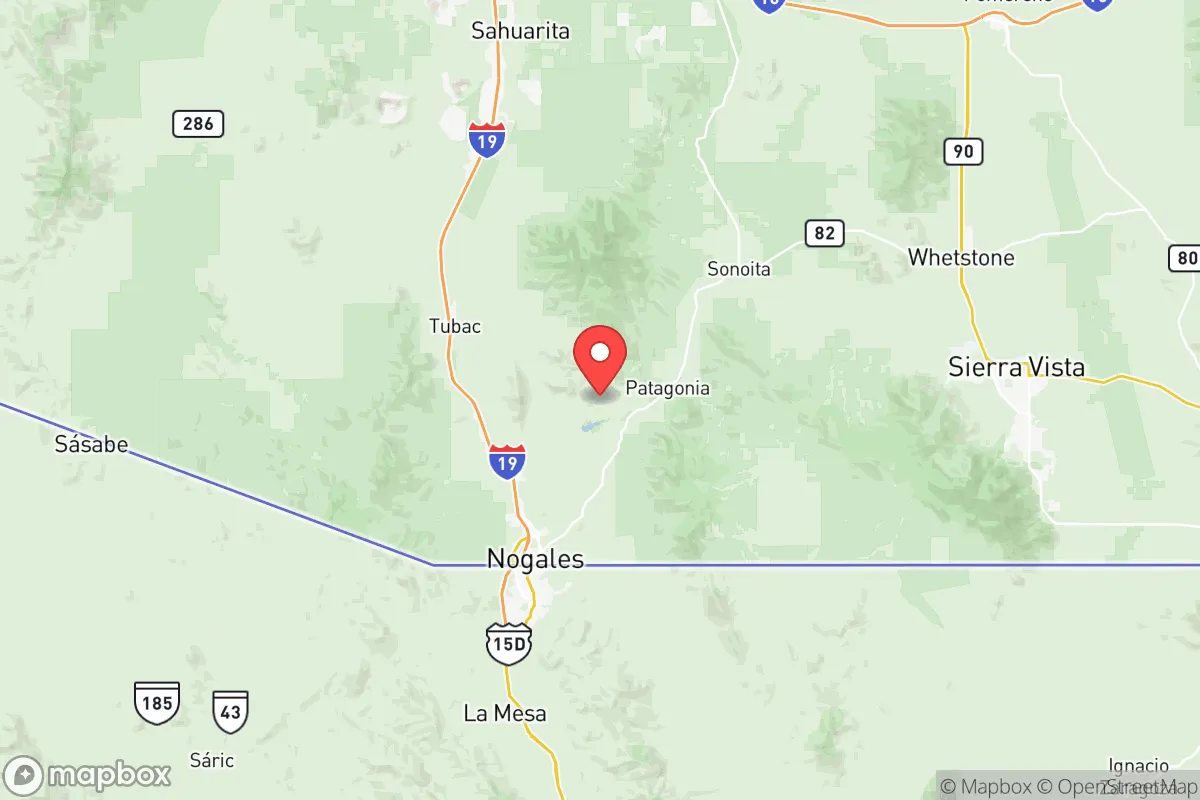
Santa Cruz County, Arizona, offers a spectrum of living environments that range from the binational border city of Nogales to the quiet, unincorporated communities of the Sonoita-Elgin wine region and the remote ranching outposts near the Patagonia Mountains. The county’s character is defined by its deep cross-border ties, its high-desert grasslands, and a cost of living that sits well below the national average, attracting a mix of border commuters, second-home buyers seeking vineyard views, and long-term residents who value a slower, more affordable pace of life. With a cost-of-living index of 71 (100 = U.S. average), a median home value of $216,100, and a median rent of just $781, the county presents a clear affordability advantage over neighboring Pima County, but the trade-offs in amenities and commute times vary significantly depending on which part of the county you choose.
Largest town(s) & population centers
Nogales is the county’s only incorporated city of significant size, with a population of roughly 20,000 and a daily rhythm tied to the Mariposa Port of Entry, one of the busiest commercial border crossings in Arizona. Daily life in Nogales is shaped by cross-border commerce, bilingual culture, and a dense, walkable downtown where residents shop at Mexican markets and eat at family-run taquerías. The city has a strong industrial base centered on warehousing, logistics, and produce distribution, with major employers including the Nogales Unified School District and the Santa Cruz County government. The average commute in the county is about 24 minutes, but many Nogales residents drive north to Rio Rico (a census-designated place of about 19,000) for newer housing subdivisions and big-box retail along Interstate 19. Rio Rico functions as a suburban bedroom community with a more car-dependent layout, offering chain grocery stores, a golf course, and a growing number of medical offices, making it the preferred choice for families who want proximity to Nogales’ employment base but prefer a quieter, more spread-out residential setting.
Smaller towns & rural pockets
North of Rio Rico, the landscape opens into rolling grasslands and oak-studded hills where the unincorporated communities of Sonoita and Elgin anchor the Sonoita-Elgin American Viticultural Area. Sonoita (population roughly 800) is a tiny crossroads with a handful of tasting rooms, a historic saloon, and a weekly farmers market, while Elgin is even more dispersed, consisting of vineyards, horse properties, and the popular Elgin Winery and Dos Cabezas WineWorks. These areas attract retirees, weekenders from Tucson (about 45 minutes north), and a small number of remote workers who prize the open space and dark skies. Further south, Patagonia (population about 900) is a former mining town turned artist enclave, set along Sonoita Creek and surrounded by the Patagonia Mountains. It has a small but active arts scene, a public library, and the Patagonia-Sonoita Creek Preserve, a popular birding destination. The most remote pockets include Tubac (a historic artist colony with a state park and high-end galleries) and the unincorporated Amado area, where rural residential lots and working ranches dominate the landscape.
Cost & lifestyle range
The cost-of-living spread across Santa Cruz County is narrower than in many Arizona counties, but the lifestyle differences are pronounced. At the lower end, Nogales offers the most affordable housing stock, with many older homes and rental units priced below the county median of $216,100; a two-bedroom apartment in Nogales can often be found for under $700 per month. The trade-off is a higher crime rate than the rest of the county and limited access to specialty healthcare and entertainment. At the upper end, Tubac and the Sonoita-Elgin area command premium prices, with custom homes on acreage often exceeding $400,000 and rental options scarce. These areas offer the lowest population density, the best views, and the strongest sense of rural seclusion, but they also require longer drives for groceries, schools, and medical care — the commute from Sonoita to the nearest full-service hospital in Nogales is about 30 minutes, and to Tucson’s hospitals about 45 minutes. Rio Rico sits in the middle: newer subdivisions with home prices averaging $250,000–$300,000, a short commute to Nogales, and access to the county’s best public schools in the Santa Cruz Valley Unified School District.
Who thrives in Santa Cruz County? The county works best for people who value affordability, open space, and a bicultural environment over urban amenities and job diversity. It suits border-industry workers who want to live close to the port of entry, retirees who want a low-cost home base with a mild climate, and wine enthusiasts or artists drawn to the Sonoita-Patagonia-Tubac corridor. Professionals who require frequent access to Tucson’s airport, hospitals, or university may find the 45–60 minute commute from the northern parts of the county acceptable, but those seeking dense nightlife, major league sports, or a wide range of white-collar employers will likely find Santa Cruz County too quiet and too remote.

Crime in Santa Cruz County
Crime rates similar to the national median for U.S. locations.
Violent CrimeViolent Crime Analysis
Property CrimeProperty Crime Analysis
Crime Analysis
Santa Cruz County, Arizona, reports a violent crime rate of 373.5 per 100,000 residents and a property crime rate of 1,504.5 per 100,000, placing it above national averages for both categories. The county's safety picture is heavily shaped by its position as a border region, with the city of Nogales serving as the primary port of entry and the largest population center, while smaller communities like Rio Rico, Tubac, and Patagonia experience markedly different conditions. Travelers and potential residents should understand that crime risk is not uniform across the county, with significant variation between the urbanized border corridor and the rural interior.
Crime in context
Santa Cruz County's violent crime rate of 373.5 per 100,000 is roughly 7% higher than the national average of approximately 350 per 100,000 and significantly above the Arizona state average of about 430 per 100,000. The property crime rate of 1,504.5 per 100,000 is approximately 30% higher than the national average of roughly 1,160 per 100,000. These figures are driven overwhelmingly by conditions in Nogales, which accounts for the majority of the county's population and reported incidents. By contrast, the town of Patagonia (population ~900) and the unincorporated community of Tubac (population ~1,200) report far fewer incidents per capita, often with single-digit violent crime totals annually. The Santa Cruz County Attorney's Office, which prosecutes cases countywide, operates under a progressive prosecutorial philosophy that emphasizes diversion programs and reduced sentencing for non-violent offenders, a policy approach that critics argue contributes to higher recidivism and emboldens property crime rings operating between Nogales and Tucson.
What residents experience
Residents in Nogales face the highest risk, with property crime—particularly vehicle theft and burglary—being the most common concern. The city's proximity to the border means that stolen vehicles and goods can be quickly moved into Mexico, making recovery difficult. In Rio Rico, a census-designated place of roughly 19,000 residents, crime rates are lower than Nogales but still elevated compared to the state average, with property crime being the primary issue. The unincorporated areas around Amado and the Santa Cruz River valley report sporadic incidents, often tied to drug trafficking routes. Residents in Tubac and Patagonia describe a quieter experience, with occasional thefts from vehicles and isolated burglaries, but violent crime is rare. The progressive policies of the Santa Cruz County Attorney's Office, which include a presumption against prosecution for low-level drug possession and a focus on restorative justice, have drawn criticism from law enforcement officials who argue that these approaches reduce deterrence and increase the burden on victims seeking justice.
Neighborhood-level variation is pronounced. In Nogales, the downtown area near the port of entry and the Mariposa Road corridor see the highest concentration of property crime, while residential neighborhoods west of Grand Avenue and east of the Nogales Wash tend to be safer. Rio Rico's gated communities and newer subdivisions near the golf course report fewer incidents than the older, more accessible areas along Interstate 19. Tubac's historic district, a tourist destination, benefits from private security and a visible sheriff's presence, keeping crime low. Patagonia's small-town atmosphere and strong community watch programs contribute to its status as the safest municipality in the county. For those considering relocation, the safest choices are the rural communities of Tubac and Patagonia, while Nogales requires heightened awareness and proactive security measures, particularly regarding vehicle and home protection.
* Values derived from national, state, county, city and local statistics and may differ in a specific area. Last updated: 2026-07-30T07:59:17.000Z
Narrative content on this page is AI-generated and may contain mistakes. Verify any details that matter before acting on them.
ReloMaps may earn a commission from affiliate links at no extra cost to you.

