
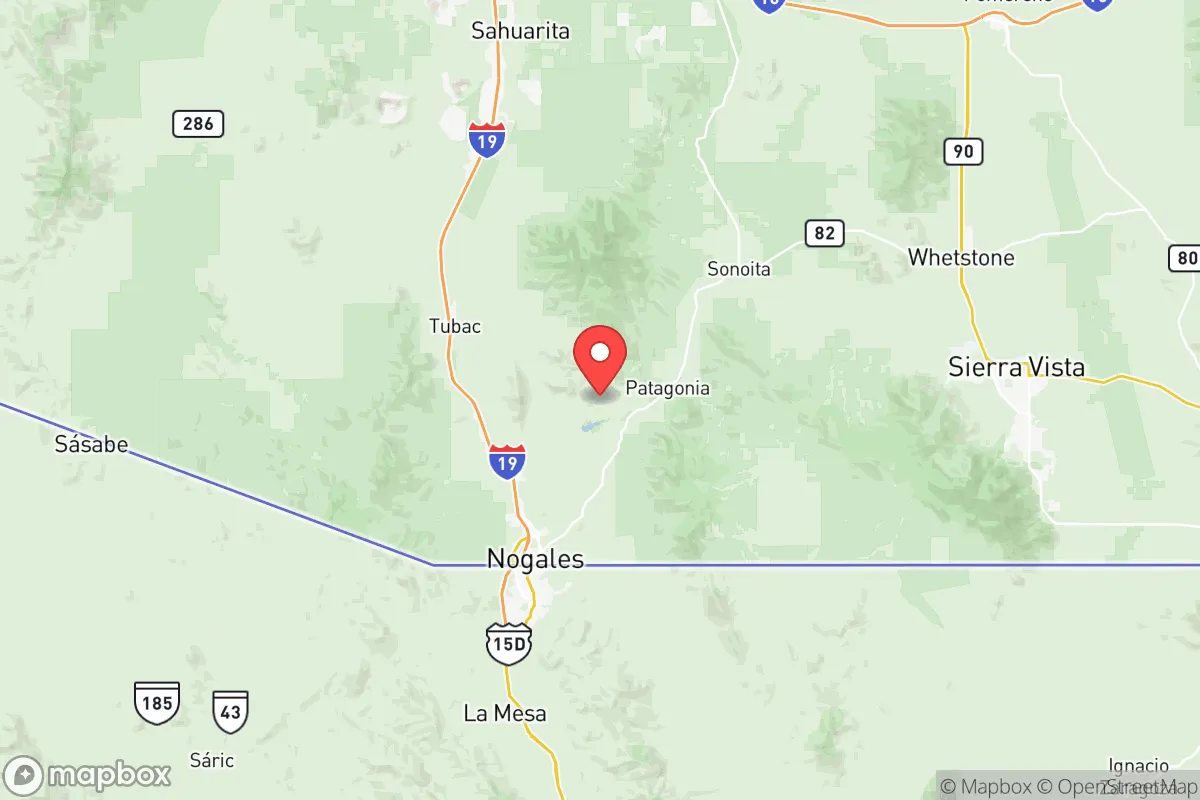
Photo: Wikipedia
Find The Best Places To Live in Santa Cruz County
PRO TIP! You can paste a Zillow or Redfin link to get info on that property.
Best Places to Live in Santa Cruz County
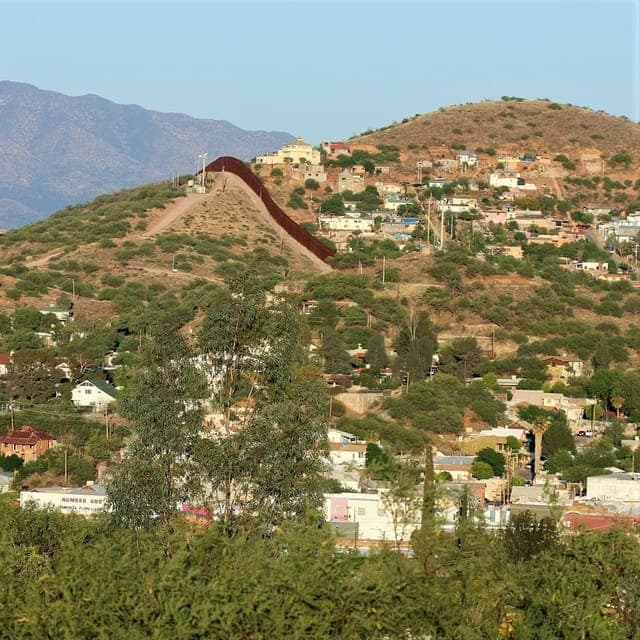
Cities & Towns in Santa Cruz County
Cities in Santa Cruz County
What It's Like Living in Santa Cruz County, AZ
Living in Santa Cruz County, Arizona, feels a world away from the Phoenix sprawl, yet it’s only an hour south of Tucson. This is a place where the border with Mexico isn’t just a line on a map—it’s woven into daily life, from the Spanish spoken in the Nogales grocery stores to the cross-border commerce that keeps the local economy moving. The county’s 48,209 residents are spread across a handful of distinct communities, each with its own flavor, but the common thread is a slower, more deliberate pace of life that appeals to people who value quiet over convenience.
The Daily Rhythm: Small-Town Pace, Border Town Reality
Most of the county’s population clusters around the twin cities of Nogales (the county seat) and Rio Rico, with smaller pockets in Patagonia, Tubac, and Sonoita. In Nogales, mornings start early—the port of entry hums with trucks and commuters by 6 a.m., and the smell of fresh tortillas from La Roca Restaurant drifts through the downtown streets. The average commute here is just over 24 minutes, which feels reasonable even by small-town standards, though the drive between Nogales and Tucson (about 45 minutes) is a daily grind for anyone working in the city. The cost of living index sits at 71—well below the national average—so a median household income of $53,614 stretches further than it would in Phoenix or Tucson. That said, the median home value of $216,100 means you can buy a modest three-bedroom house in Rio Rico for what a studio apartment costs in Scottsdale.
Weekends in Santa Cruz County are defined by the outdoors. Locals in Patagonia head to the Patagonia-Sonoita Creek Preserve for birdwatching (the area is a major stop on the migratory route), while families in Tubac browse the art galleries and antique shops that line the historic plaza. In Sonoita, the vineyards—yes, Arizona has a wine country—draw crowds to tasting rooms like Dos Cabezas WineWorks, where the high desert elevation produces a surprisingly good Syrah. For groceries, most people hit the Food City in Nogales or the Safeway in Rio Rico; there’s no Whole Foods or Trader Joe’s in the county, which tells you something about the kind of person who thrives here.
Sports, Community, and the Border Identity
High school sports are the main event in Santa Cruz County. Friday nights in the fall mean packed bleachers at Nogales High School for football games, where the Apaches draw crowds that rival the town’s population. The rivalry between Nogales and Rio Rico High School is genuine—families have been arguing over it for decades. There’s no pro sports team within two hours, so the local teams carry the weight of community pride. The Nogales International newspaper still covers JV basketball games, and the town’s annual Fiesta de la Candelaria in February blends religious tradition with carnival rides and street food, drawing thousands from both sides of the border.
The border itself is the defining cultural quirk. In Nogales, you can walk across to Nogales, Sonora, for dental work, prescription meds, or a meal at La Roca—and many residents do it weekly. The dual identity means that Spanish is as common as English in most stores, and the local news covers Mexican politics as closely as Arizona’s. That proximity also brings tension: the violent crime rate of 373.5 per 100,000 is higher than the national average, though most of it is concentrated in Nogales proper and tied to drug trafficking routes. Longtime residents will tell you that the crime is real but rarely touches the suburban neighborhoods of Rio Rico or the rural ranches near Sonoita.
What’s There to Do: Outdoor Life, Wine, and Quiet Evenings
If you’re the kind of person who needs a new brewery or concert venue every weekend, Santa Cruz County will feel limiting. The entertainment options are modest: a movie theater in Nogales, a handful of bars like Elvira’s (known for its margaritas and live music on weekends), and the Tubac Golf Resort for a round of golf. But the outdoor access is exceptional. The Coronado National Forest covers much of the county’s eastern half, offering hiking trails that range from easy walks to the summit of Mount Wrightson (9,453 feet). The Santa Cruz River—usually dry but occasionally flowing after monsoon rains—cuts through the valley, and the Patagonia Lake State Park is a popular spot for kayaking and camping, especially during the mild spring and fall months.
The median age here is 37.9, which is slightly younger than the state average, and the population skews toward families with school-age kids. The schools themselves—particularly in Rio Rico and Patagonia—are community anchors, hosting everything from fall festivals to summer sports camps. Only 24.1% of adults hold a college degree, which is below the national average, and the job market is heavily tied to border services, healthcare (the Holy Cross Hospital in Nogales is the largest employer), and agriculture. For remote workers or retirees, the low cost of living and quiet lifestyle are the main draws; for younger families, the trade-off is fewer job opportunities and a longer commute to Tucson for higher-paying work.
The Honest Pros and Cons
- What residents love: The genuine sense of community—neighbors know each other, and local businesses like Patagonia’s Gathering Grounds coffee shop are true gathering spots. The cost of living is a huge plus, especially for first-time homebuyers. The weather is mild year-round (summers peak in the low 90s, winters rarely freeze), and the lack of traffic means you can be on a hiking trail 15 minutes after leaving your house.
- What frustrates them: Limited shopping and dining—you’ll drive to Tucson for a Target run or a sit-down dinner at a chain restaurant. The border-related crime and occasional drug violence in Nogales make some people uneasy, especially at night. The job market is thin, and the schools, while community-focused, don’t offer the same resources as suburban districts in Phoenix or Tucson. For anyone under 30 without a family, the social scene can feel nonexistent.
Santa Cruz County isn’t for everyone. It’s for people who don’t mind driving 45 minutes for a movie theater with more than four screens, who value quiet over convenience, and who see the border not as a barrier but as a bridge to a different way of life. If that sounds like you, you’ll find a place where the sunsets over the Patagonia Mountains are worth the trade-offs.

* Values derived from national, state, county, city and local statistics and may differ in a specific area. Last updated: 2026-07-30T07:59:17.000Z
Narrative content on this page is AI-generated and may contain mistakes. Verify any details that matter before acting on them.
ReloMaps may earn a commission from affiliate links at no extra cost to you.

