Photo: Wikipedia
Find The Best Places To Live
in Magnolia
PRO TIP! You can paste a Zillow or Redfin link to get info on that property.
What It's Like Living in Magnolia, AR
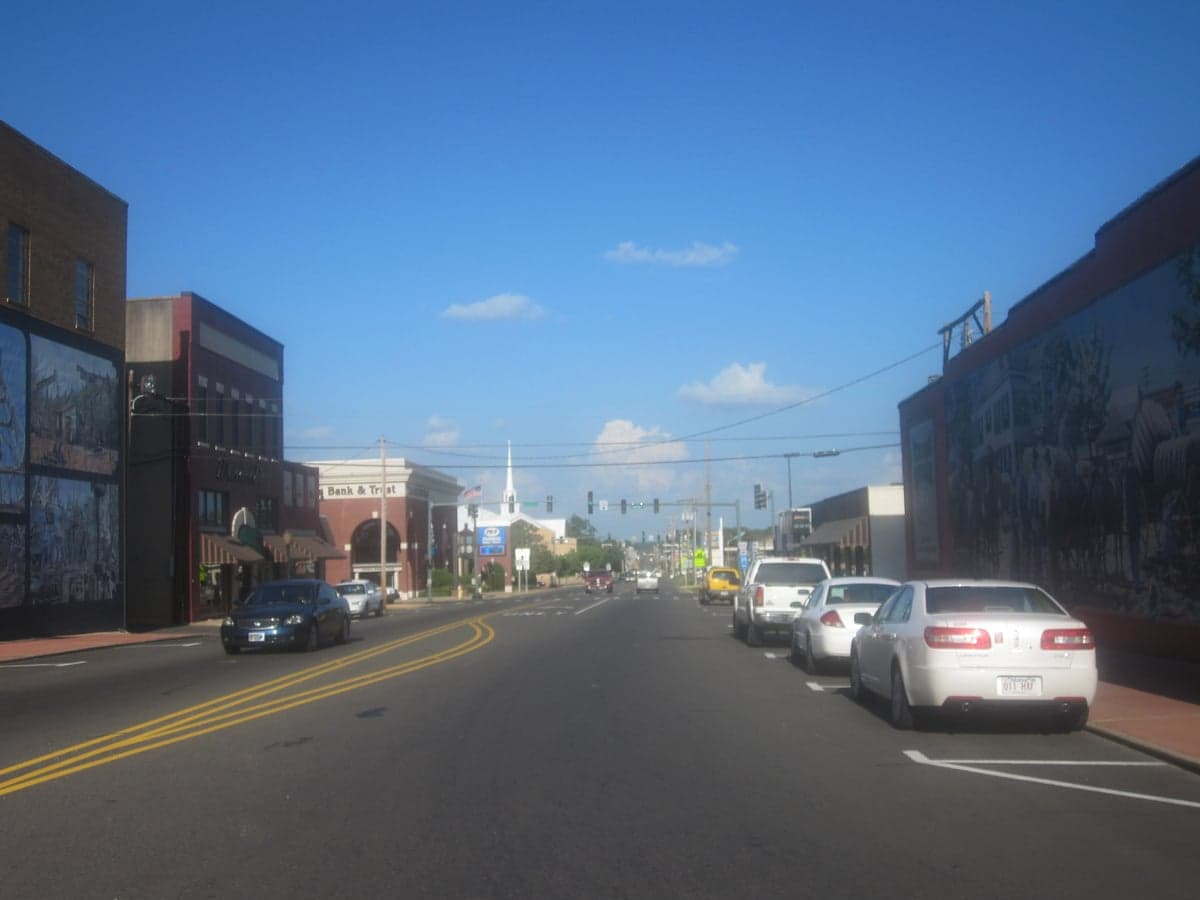
Magnolia, Arkansas, feels like a town that grew up around Southern Arkansas University and never quite lost that small-college-town energy. With a population just under 11,000 and a median age of 28.3, it’s a place where life moves at a deliberate, unhurried pace—where you’re more likely to run into someone you know at the grocery store than to sit in traffic. The vibe is practical and unpretentious: people work hard, go to church, support the Muleriders, and know their neighbors by name.
The Daily Rhythm: Work, School, and the 17-Minute Commute
For most people, a typical day in Magnolia revolves around a few anchor points: work, school, and home. The largest employers are Southern Arkansas University, the local school district, and Murphy USA’s corporate headquarters, which brings a surprising number of white-collar jobs to a town of this size. The average commute is just over 17 minutes—one way—which means you can live on the outskirts of town and still be home for lunch. The median household income sits at $42,188, which goes a long way here thanks to a cost of living index of 56 (well below the national average of 100). A median home value of $166,500 means a young family or a single professional can actually afford a house with a yard, something that’s increasingly rare in larger cities. Grocery shopping happens at the local Walmart or Brookshire’s, and weekend mornings often mean breakfast at a diner like The Main Street Café or a quick stop at a local gas station for coffee and conversation.
Sports, Community, and the Mulerider Identity
If you live in Magnolia, you will hear about the Muleriders. Southern Arkansas University’s sports teams—especially football and basketball—are a genuine community rallying point. Friday nights in the fall mean high school football at Magnolia High School’s Panther Stadium, but the real energy shifts to the college games on Saturdays. The town’s identity is wrapped up in SAU’s blue and gold, and a home game feels like a town-wide event. For a place with a population just over 10,000, the level of support for local athletics is striking—it’s not uncommon to see grandparents, students, and local business owners all in the stands. There’s no pro sports team within a two-hour drive, so these local games are the main event. That said, if you’re not a sports fan, you might feel a little left out of the conversation on weekends.
What’s There to Do: Festivals, Parks, and the Quirks of Small-Town Life
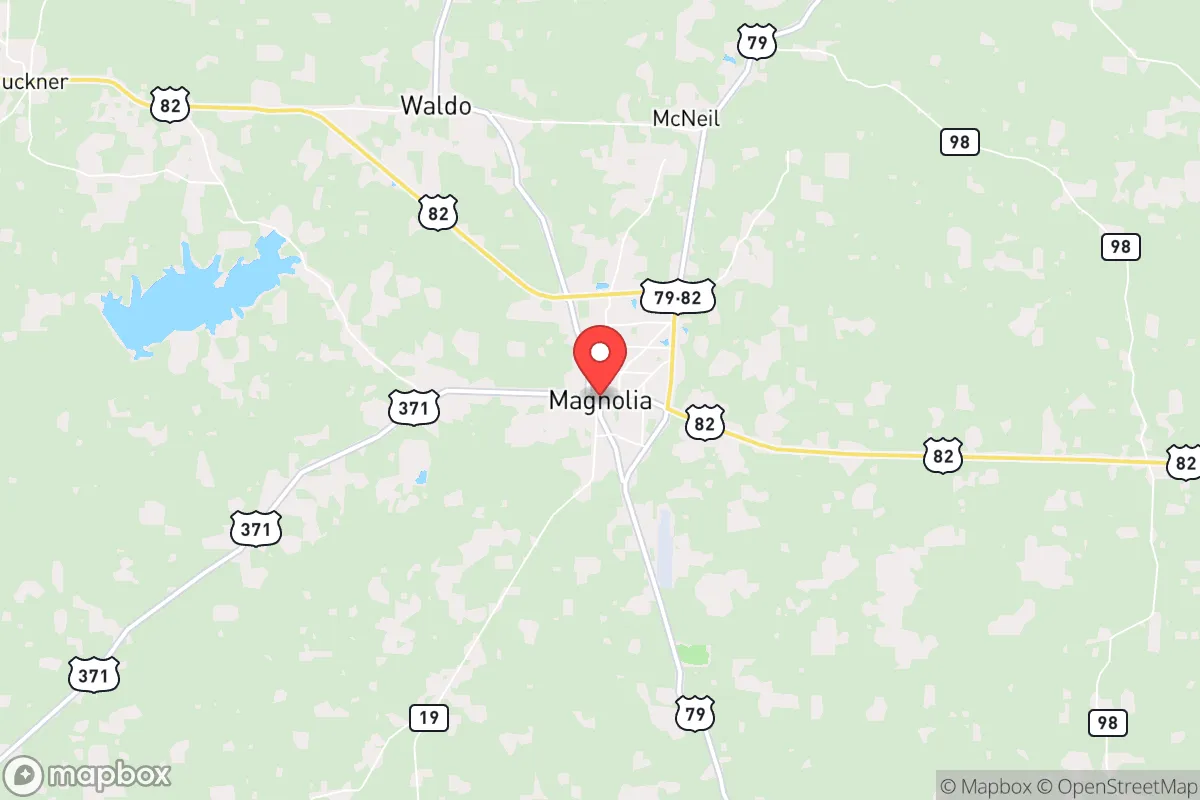
Entertainment in Magnolia is more about community gatherings than nightlife. The biggest annual event is the Magnolia Blossom Festival in May, which draws crowds from across the region for a parade, arts and crafts, and live music. For outdoor recreation, locals head to Logoly State Park, a small but well-maintained park with walking trails and a lake, or the Columbia County Lake for fishing and camping. The town has a handful of bars and restaurants that serve as social hubs—places like RJ’s Sports Bar & Grill or El Chico for Mexican food. But if you’re looking for a live music scene or a craft cocktail bar, you’ll need to drive to Texarkana (about 45 minutes) or El Dorado (about 30 minutes). One cultural quirk: Magnolia is proud of its connection to the movie A Painted House, which was filmed here, and locals still talk about it like it happened yesterday. The town’s pace is slow, and that’s either a comfort or a frustration depending on what you’re used to.
Pros and Cons of Living Here
Let’s be honest about the trade-offs. On the plus side, the cost of living is genuinely low—you can live comfortably on a modest income, and the 17-minute commute means you’re not wasting hours in a car. The community is tight-knit in a way that’s hard to find in bigger cities; if you need help, someone will show up. The university brings a steady stream of events, lectures, and cultural activities that a town this size wouldn’t otherwise have. On the downside, the violent crime rate is 843.7 per 100,000—significantly higher than the national average—and that’s a real concern for families and single residents alike. The median age of 28.3 skews young because of the college population, but the town itself can feel quiet and limited for adults without kids. Only about 20.7% of residents hold a college degree, so if you’re looking for a highly educated peer group or a diverse job market, you may find the options narrow. The weather is classic southern Arkansas: hot, humid summers and mild winters, with tornado season a real consideration from March through May.
Who Fits In Best
Magnolia works best for someone who values stability over excitement, and community over convenience. It’s a good fit for a young family looking to buy a first home without going into debt, or for a single person who works at the university or Murphy USA and doesn’t mind a quiet social life. It’s less ideal for someone who wants a vibrant nightlife, a wide dating pool, or a fast-paced career track. The people who thrive here are the ones who get involved—at church, at the school, at the football game—and who see the slow pace as a feature, not a bug. If you’re looking for a place where you can actually know your neighbors and afford a decent house, Magnolia delivers. Just don’t expect it to be anything other than what it is: a small, affordable, college town in the piney woods of southern Arkansas.

Similar towns to Magnolia
* Values derived from national, state, county, city and local statistics and may differ in a specific area. Last updated: 2026-04-19T12:03:07.000Z
Narrative content on this page is AI-generated and may contain mistakes. Verify any details that matter before acting on them.
ReloMaps may earn a commission from affiliate links at no extra cost to you.

