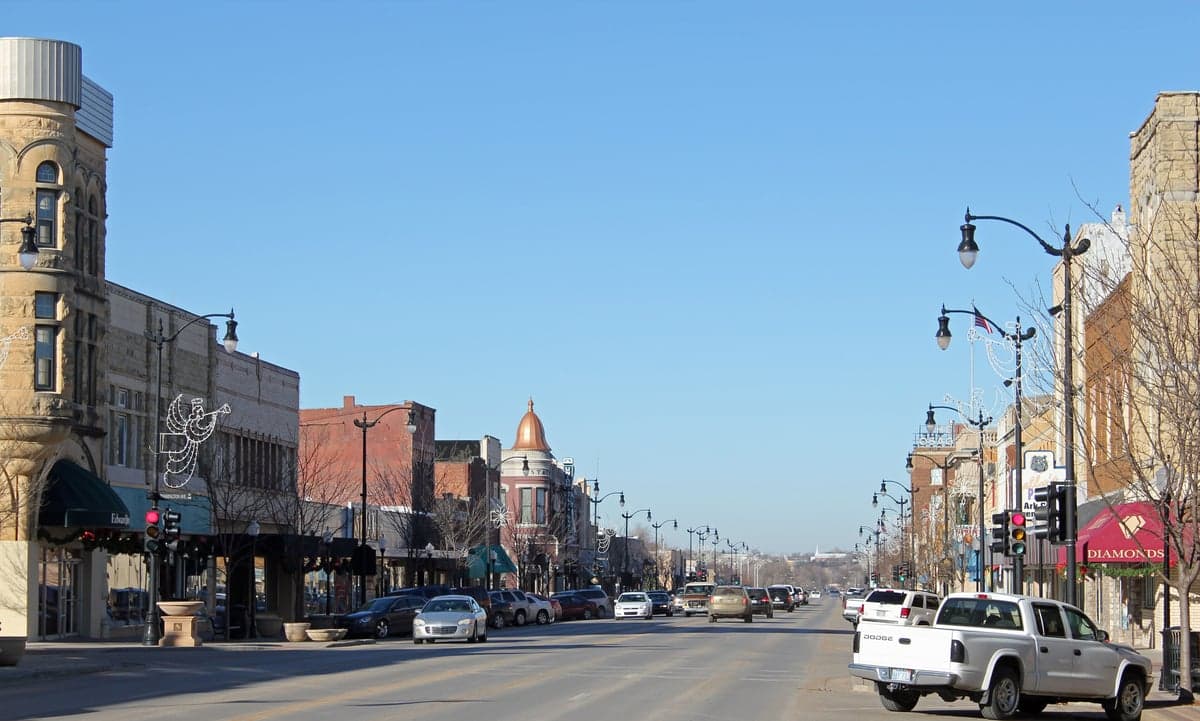
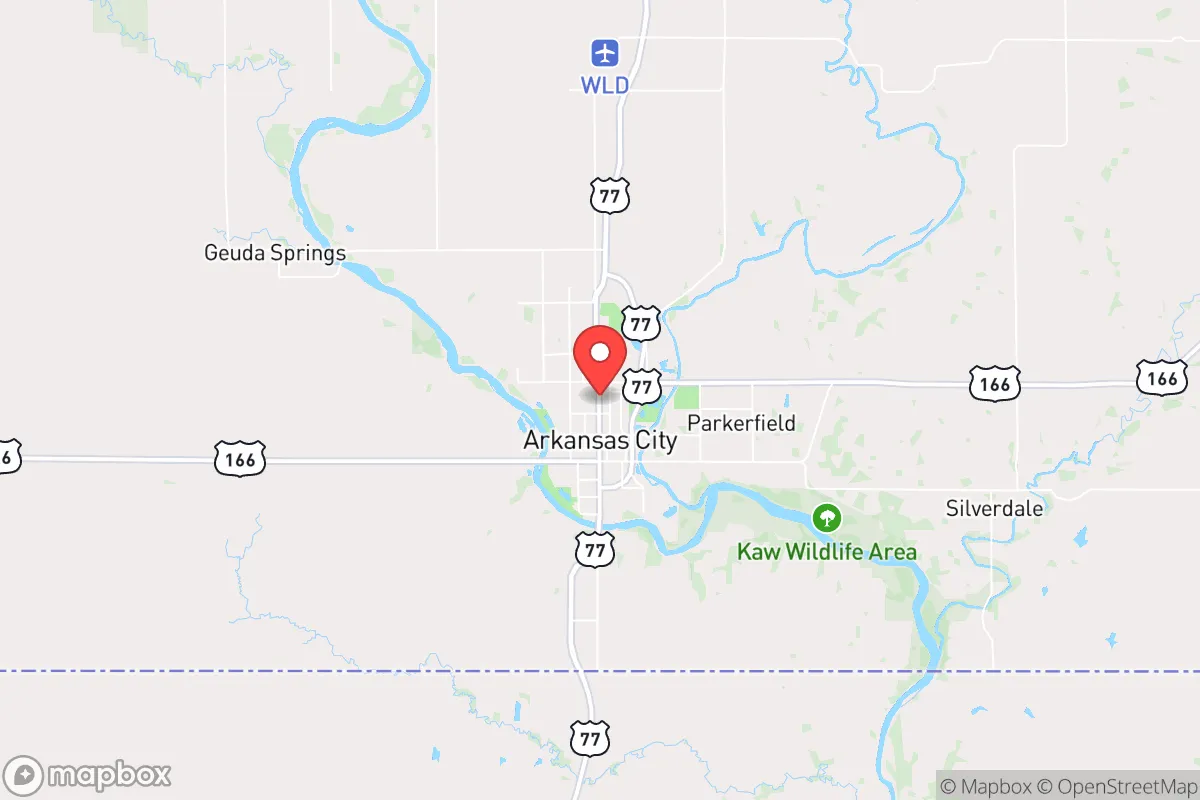
Photo: Wikipedia
Quality of Life in Arkansas City, KS
A high quality of life with strong walkability, manageable living costs, healthy neighborhood signals, and solid amenity access.
What does Quality of Life tell us?
Quality of Life blends cost of living, nearby amenities, socioeconomic signals, and neighborhood character. City-level scores represent the whole municipality; individual neighborhoods can differ.
What does this tell us?
Quality of Life blends cost of living, nearby amenities, socioeconomic signals, and neighborhood character. City-level scores represent the whole municipality; individual neighborhoods can differ.
Cost of Living
49% below national average
The Real Cost of Living in Arkansas City, KS for 2026
| Tier | Individual | Family (4) |
|---|---|---|
| Survival | $12k | $23k |
| Comfortable | $20k | $30k |
| Luxury | $78k+ | $120k+ |
| Elite (Top 5%) | $91k+ | $142k+ |
179%
The Area Signal
A metric tracking the socioeconomic signals of the area.
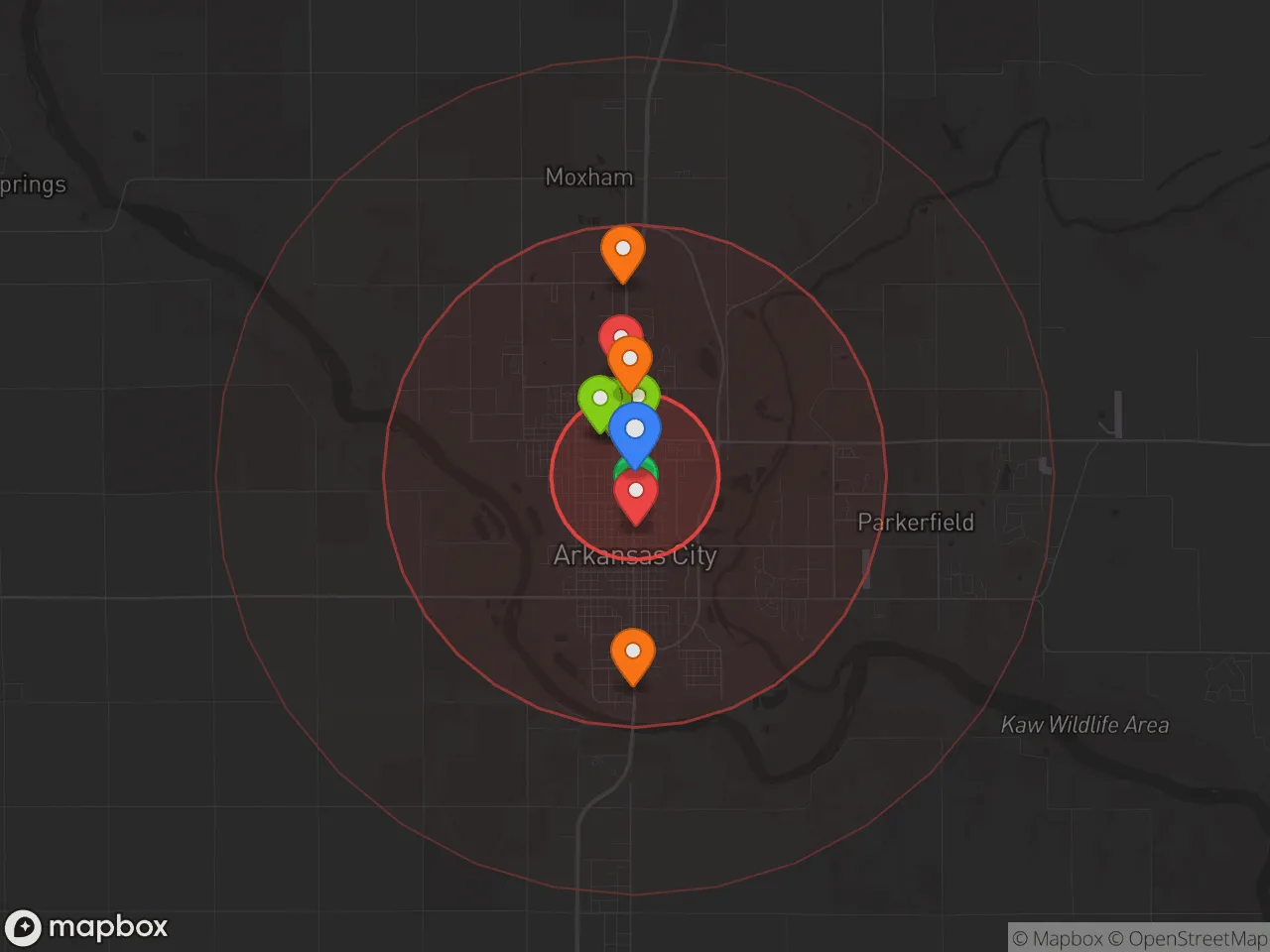
Hobbies
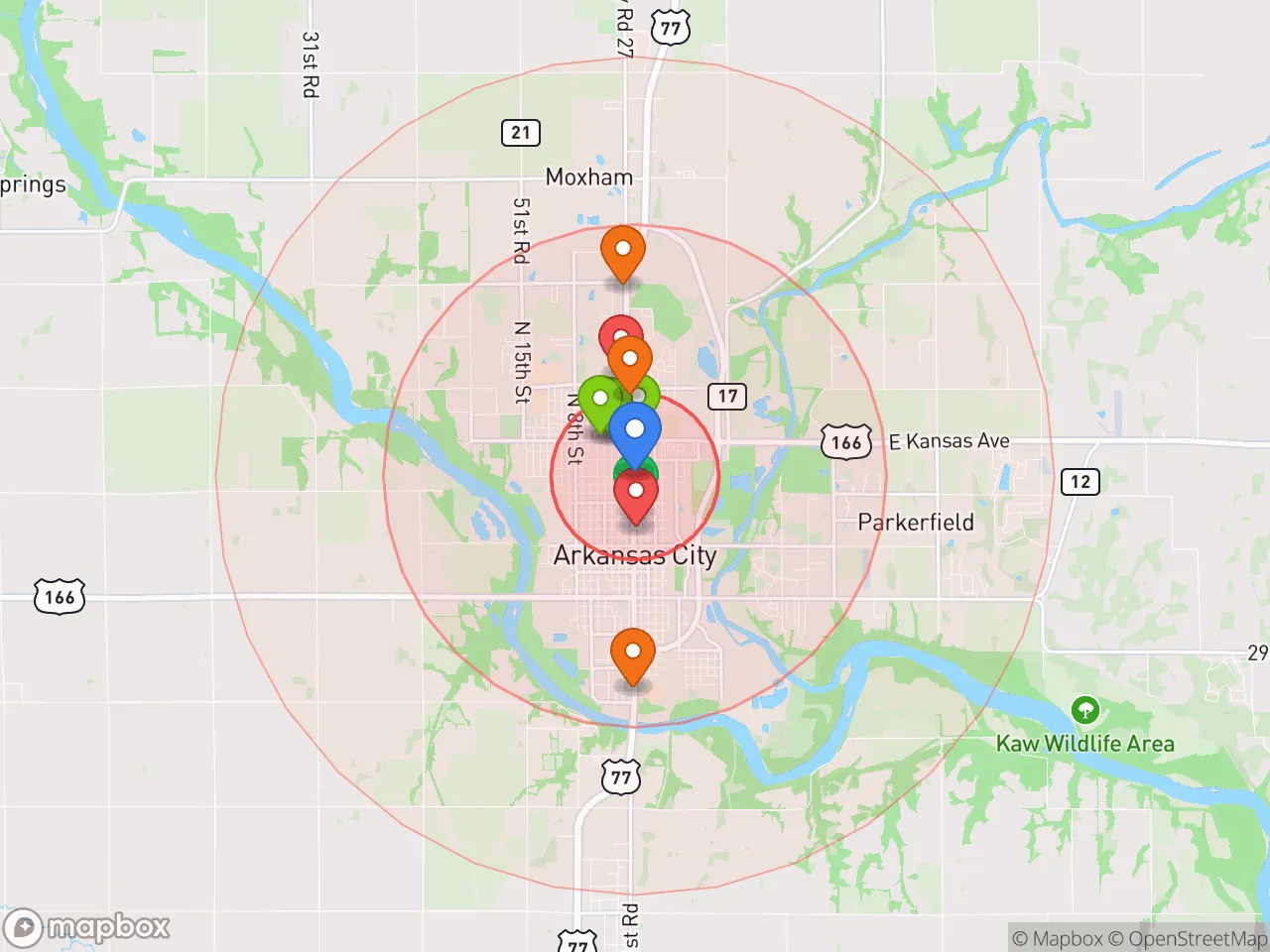
Explore the areaGroceries
2 within 10 miles
Gas
7 within 10 miles
Hospital
2 within 20 miles
Airport
MCI — Kansas City International
Post Office
USPS — Arkansas City, KS
Critical Amenities
Quality-of-Life Analysis
Arkansas City, Kansas, presents a notably affordable quality of life, with a cost of living index of 51—roughly half the national average—making it one of the most budget-friendly communities in the region. The population skews toward working-class families, retirees on fixed incomes, and employees of local industrial employers like the CVR Energy refinery and the nearby Winfield Correctional Facility. While the area is not affluent by national standards, its low housing costs and short commutes attract residents seeking financial breathing room and a slower pace of life.
How housing costs and everyday expenses compare to nearby towns
The median home value in Arkansas City is $81,700, and the median rent sits at $762 per month—figures that are dramatically lower than those in Wichita (roughly 60 miles north) or even in neighboring Winfield. A typical three-bedroom home here costs less than a one-bedroom apartment in many Kansas City suburbs. The average commute of 18.3 minutes is well below the national average of 26 minutes, meaning residents spend less on gas and vehicle wear-and-tear. Utility costs and grocery prices also track below state averages, though sales tax in Cowley County (8.5%) is slightly higher than in some rural Kansas counties. For renters and first-time buyers, the math is straightforward: a household earning $35,000 annually can comfortably afford the median rent or a modest mortgage here, which is rarely possible in larger Kansas metros.
What daily life is like for families and retirees in Arkansas City
Arkansas City offers a compact, walkable downtown centered around Summit Street, with a handful of local restaurants, a historic theater, and the Cherokee Strip Land Rush Museum. The city’s school system, Arkansas City USD 470, serves roughly 2,500 students and includes a strong vocational agriculture program tied to the region’s farming economy. For higher education, Cowley College provides associate degrees and technical certifications, and its athletic programs are a point of community pride. Outdoor recreation centers on the Arkansas River, with fishing and kayaking at the nearby Winfield City Lake, and the 18-hole Arkansas City Country Club offers affordable golf memberships. Healthcare is accessible via the local South Central Kansas Medical Center, though residents needing specialized care typically drive to Wichita. The rhythm of life is quiet and predictable—most businesses close by 6 p.m., and weekend social life revolves around high school sports, church events, and seasonal festivals like the annual Arkalalah celebration each October.
This community is best suited for cost-conscious families, retirees, and remote workers who prioritize low expenses over urban amenities. Young professionals seeking nightlife or diverse dining options will find the area limiting, but those who value financial stability, short commutes, and a tight-knit social fabric will likely thrive here. Arkansas City delivers a straightforward trade-off: significant savings on housing and daily costs in exchange for a slower, more rural lifestyle with fewer entertainment choices.

Crime in Arkansas City, KS
Generally safer than 72% of comparable U.S. locations.
Violent CrimeViolent Crime Analysis
Property CrimeProperty Crime Analysis
Crime Analysis
Arkansas City, Kansas, presents a mixed safety profile, with property crime rates significantly exceeding both state and national averages while violent crime remains somewhat below the national benchmark. The city's overall crime picture is shaped by its position as a small industrial and agricultural hub in Cowley County, where economic factors and regional policing strategies play a substantial role in public safety outcomes.
Crime in context
Arkansas City's violent crime rate of 298.9 incidents per 100,000 residents sits below the U.S. national average of roughly 380 per 100,000 but above the Kansas state average of approximately 280 per 100,000. Property crime, however, is a more pressing concern, with a rate of 1,485.8 per 100,000 — notably higher than both the national average (around 1,950 per 100,000) and the Kansas state average (roughly 2,100 per 100,000). This means residents face a moderately elevated risk of burglary, theft, and vehicle break-ins compared to typical Kansas communities, while the likelihood of experiencing violent offenses like assault or robbery is closer to the national norm. The city's proximity to the larger Wichita metropolitan area, approximately 50 miles north, can influence crime patterns, as transient populations and regional drug trafficking routes sometimes pass through the area.
What residents experience
Daily life in Arkansas City involves a heightened awareness of property crime, particularly in older residential neighborhoods and near commercial corridors like Summit Street and Radio Lane. Residents commonly report theft from vehicles, package theft, and occasional garage break-ins, especially in areas with less street lighting or limited neighborhood watch presence. Violent crime is less frequent but tends to be concentrated in specific contexts, such as domestic disputes or incidents tied to alcohol consumption at local bars. The Cowley County Sheriff's Office and Arkansas City Police Department maintain a visible patrol presence, but response times can vary in outlying areas. Readers should note that Kansas has not adopted the progressive prosecutorial policies seen in some large coastal metro areas; Cowley County's district attorney typically follows a more traditional, victim-centered approach to charging and sentencing. This means offenders face more consistent consequences than in jurisdictions where lenient bail policies or reduced charging practices have been linked to rising recidivism and public safety concerns.
Neighborhood-level variation
Safety conditions are not uniform across Arkansas City. The area around Cowley College, a community college campus, tends to see lower crime due to campus security and a younger, transient population that reports incidents promptly. Conversely, the historic downtown district and neighborhoods near the Arkansas River, particularly south of Kansas Avenue, experience higher property crime rates. The city's eastern residential sections, closer to the Winfield city limits, generally report fewer incidents. For newcomers, consulting the Arkansas City Police Department's monthly crime maps or speaking with local real estate agents familiar with block-level trends is advisable before choosing a specific street or apartment complex.
* Values derived from national, state, county, city and local statistics and may differ in a specific area. Last updated: 2026-04-24T20:20:44.000Z
Narrative content on this page is AI-generated and may contain mistakes. Verify any details that matter before acting on them.
ReloMaps may earn a commission from affiliate links at no extra cost to you.

