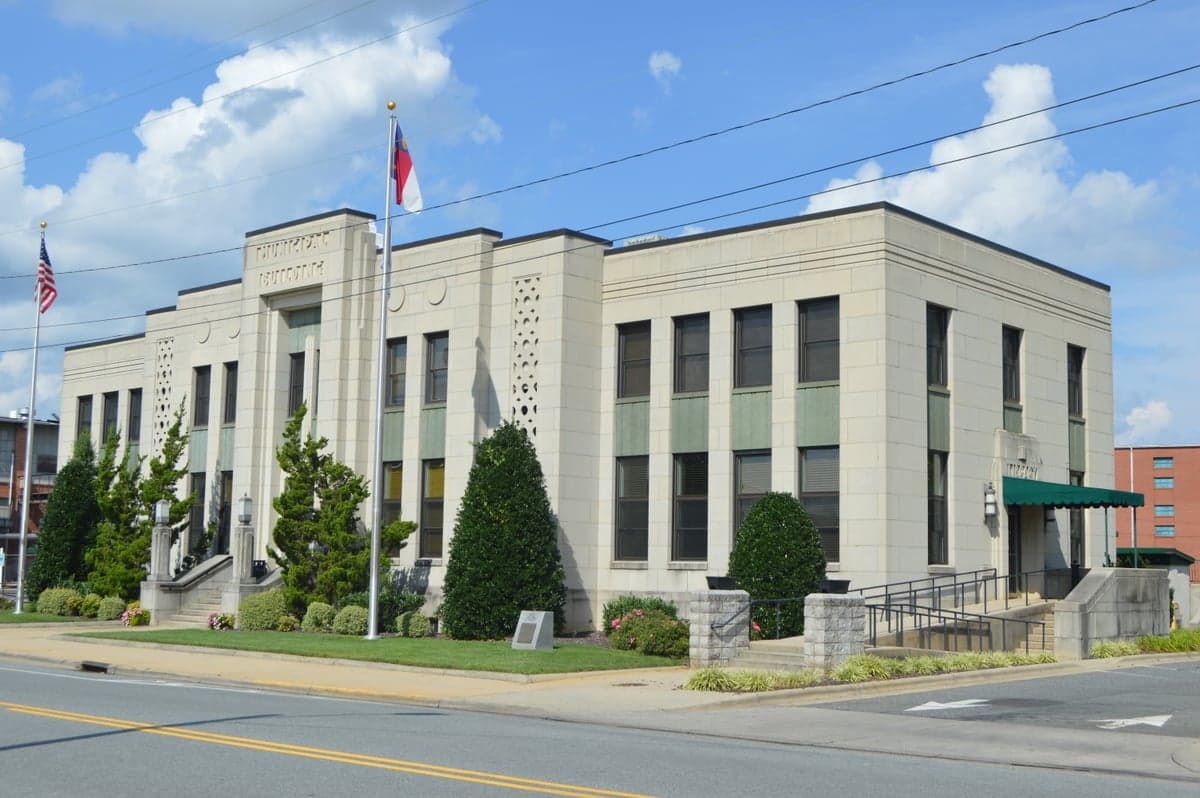
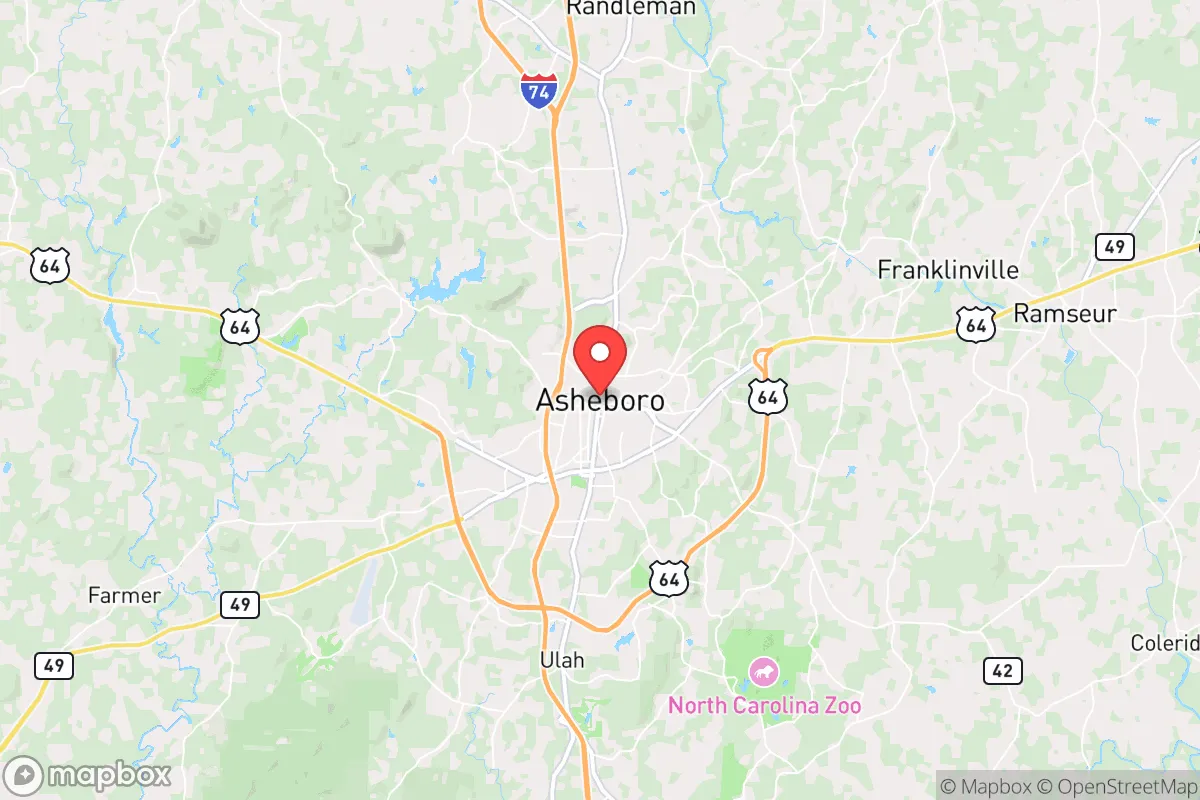
Photo: Wikipedia
Quality of Life in Asheboro, NC
A high quality of life with strong walkability, manageable living costs, healthy neighborhood signals, and solid amenity access.
What does Quality of Life tell us?
Quality of Life blends cost of living, nearby amenities, socioeconomic signals, and neighborhood character. City-level scores represent the whole municipality; individual neighborhoods can differ.
What does this tell us?
Quality of Life blends cost of living, nearby amenities, socioeconomic signals, and neighborhood character. City-level scores represent the whole municipality; individual neighborhoods can differ.
Cost of Living
3% below national average
The Real Cost of Living in Asheboro, NC for 2026
| Tier | Individual | Family (4) |
|---|---|---|
| Survival | $14k | $26k |
| Comfortable | $32k | $46k |
| Luxury | $82k+ | $127k+ |
| Elite (Top 5%) | $96k+ | $149k+ |
105%
The Area Signal
A metric tracking the socioeconomic signals of the area.
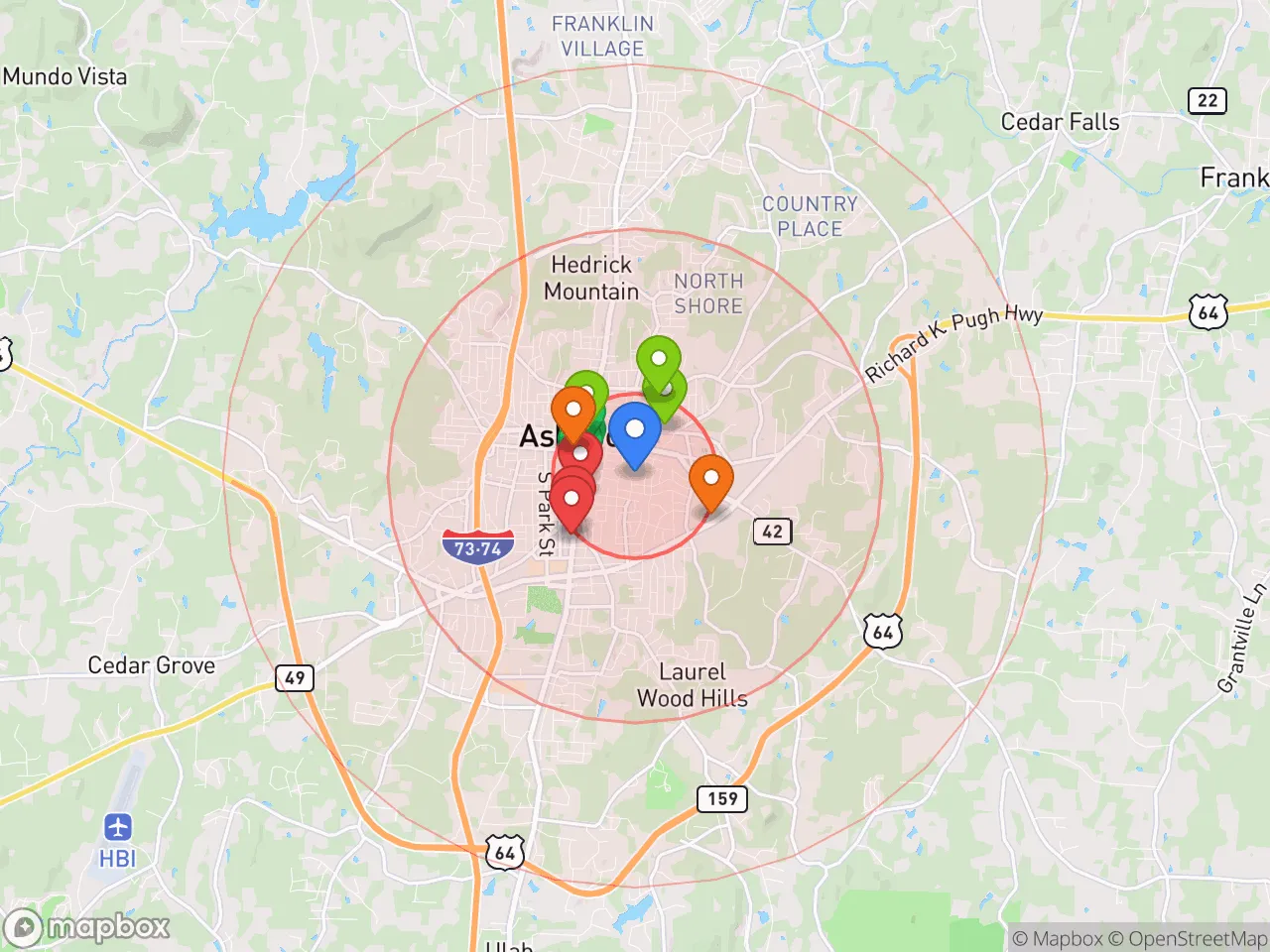
Hobbies
Explore the areaGroceries
4 within 10 miles
Gas
18 within 10 miles
Hospital
1 within 20 miles
Airport
RDU — Raleigh–Durham International
Post Office
USPS — Asheboro, NC
Critical Amenities
Quality-of-Life Analysis
Asheboro, North Carolina, presents a notably affordable quality of life that attracts a mix of working families, retirees, and manufacturing employees seeking a slower pace without sacrificing access to urban amenities. With a median household income hovering around $48,000—below the state average—the city’s real strength lies in its low cost of living, which allows residents to stretch their earnings further than in nearby Greensboro or Raleigh. The population of roughly 27,000 is predominantly blue-collar and middle-class, with a growing contingent of remote workers drawn by the area’s quiet neighborhoods and proximity to the Uwharrie National Forest.
How housing costs compare to Greensboro and Raleigh
Asheboro’s housing market is a standout bargain in the Piedmont Triad region. The median home value sits at $162,800, which is roughly 40% lower than the national median and significantly undercutting Greensboro’s median of about $230,000 and Raleigh’s $420,000. Renters also benefit: the median rent of $855 is nearly $300 less than the national average and about half of what comparable units cost in the Raleigh-Durham metro. This affordability means a household earning the local median income can comfortably afford a mortgage on a three-bedroom home, whereas in Raleigh the same income would barely cover a one-bedroom apartment. Property taxes in Randolph County are moderate, averaging 0.75% of assessed value, keeping monthly carrying costs low. The trade-off is a slower appreciation rate—home values in Asheboro have risen only about 5% annually since 2020, compared to double-digit gains in the Triangle—but for buyers prioritizing cash flow over equity growth, the math works decisively in Asheboro’s favor.
What daily life is like for families and commuters
Daily life in Asheboro revolves around a compact downtown anchored by the North Carolina Zoo—the world’s largest walk-through natural-habitat zoo—and a network of parks like Bicentennial Park and Sunset Park. The Randolph County School System serves most families, with Asheboro High School and Southwestern Randolph High School offering solid academic programs and vocational tracks tied to local manufacturing. The average commute of 22.1 minutes is notably shorter than the national average of 27 minutes, largely because most jobs are within Randolph County itself—major employers include Klaussner Home Furnishings, Technimark, and the Randolph Health hospital system. For those who do commute to Greensboro (about 25 miles north) or High Point (20 miles northwest), US-64 and NC-49 provide direct routes with minimal congestion outside of peak hours. Groceries, dining, and shopping are concentrated along Dixie Drive and Albemarle Road, with a mix of national chains and local spots like The Table Farmhouse Bakery. Cultural amenities are limited—no major performing arts venue or university campus—but residents gain easy weekend access to the Uwharrie National Forest for hiking, fishing, and off-roading.
Asheboro is best suited for those who value affordability and a low-stress routine over urban excitement. Families with children will appreciate the short commutes, safe neighborhoods, and zoo membership perks, while remote workers and retirees can leverage the low housing costs to stretch savings or freelance income. Professionals seeking high-end dining, nightlife, or rapid career advancement in tech or finance will likely find the city too quiet. For anyone whose priority is owning a home on a modest salary, raising kids in a tight-knit community, or living within an hour of both mountains and the coast, Asheboro delivers a quality of life that larger metros simply cannot match at this price point.

Crime in Asheboro, NC
Generally safer than 70% of comparable U.S. locations.
Violent CrimeViolent Crime Analysis
Property CrimeProperty Crime Analysis
Crime Analysis
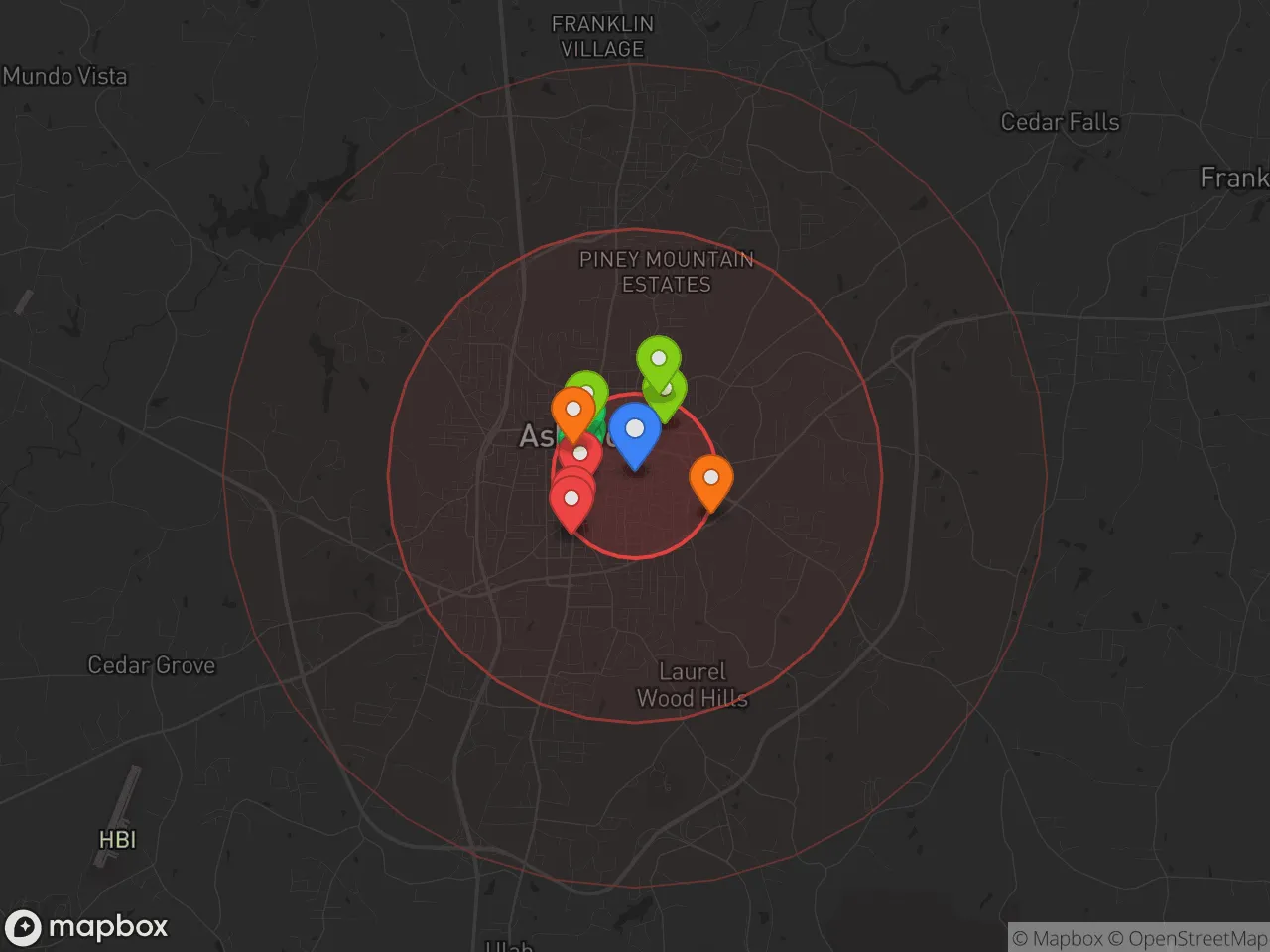
Asheboro, North Carolina, presents a mixed safety profile that requires careful consideration. The city’s violent crime rate of 206.4 incidents per 100,000 residents is notably lower than the national average, but its property crime rate of 2,184.9 per 100,000 significantly exceeds both state and national benchmarks. This combination means that while violent confrontations are less common, residents face a heightened risk of theft, burglary, and vandalism in their daily lives.
Crime in context
When compared to North Carolina as a whole, Asheboro’s violent crime rate is roughly 30% below the state average, placing it in a safer tier for personal safety. However, the property crime rate is approximately 25% higher than the state average and nearly 40% higher than the national figure. This disparity is typical of many mid-sized cities in the Piedmont Triad region, where economic pressures and proximity to larger metro areas like Greensboro and High Point can drive property offenses. It is important to note that Randolph County, where Asheboro is located, operates under a traditional prosecutorial framework. Unlike some large metro areas with progressive district attorneys who may deprioritize certain property crimes, Asheboro’s justice system generally follows standard enforcement patterns, which can be a positive factor for residents concerned about recidivism and public safety.
What residents experience
For those living in Asheboro, the most tangible safety concern is property crime. Residents commonly report vehicle break-ins, package theft from porches, and occasional home burglaries, particularly in areas near major thoroughfares like U.S. Highway 64 and N.C. Highway 49. Violent crime is rare and tends to be concentrated in specific, isolated incidents rather than random attacks. The city’s police department maintains a visible presence, and community policing initiatives have helped keep violent crime low. However, the elevated property crime rate means that basic precautions—such as locking vehicles, installing security cameras, and using well-lit parking—are strongly advised. The absence of a progressive prosecutor’s office in the county means that property crime cases are more likely to be prosecuted, which can deter repeat offenses and provide a greater sense of justice for victims.
Neighborhood-level variation
Safety in Asheboro varies noticeably by neighborhood. The historic downtown core and newer subdivisions on the city’s west side, such as those near Balfour Drive, generally report lower crime rates. In contrast, areas along East Salisbury Street and the southern corridor near the Asheboro Municipal Golf Course see higher concentrations of property crime. The city’s public housing complexes and some older rental districts also experience elevated incident rates. Prospective residents are advised to consult the Randolph County Sheriff’s Office crime mapping tool and visit neighborhoods at different times of day to gauge activity levels. Overall, Asheboro offers a relatively safe environment for families and retirees who prioritize property security, especially when compared to larger metro areas with more lenient criminal justice policies.
* Values derived from national, state, county, city and local statistics and may differ in a specific area. Last updated: 2026-05-03T04:56:10.000Z
Narrative content on this page is AI-generated and may contain mistakes. Verify any details that matter before acting on them.
ReloMaps may earn a commission from affiliate links at no extra cost to you.

