 Popular
Photo: Wikipedia
Find The Best Places To Live
in Durham
PRO TIP! You can paste a Zillow or Redfin link to get info on that property.
What It's Like Living in Durham, NC
Durham has a personality that’s hard to pin down in a single sentence. It’s a city that’s simultaneously a college town, a hub for medical research, and a place where old tobacco warehouses have been reborn as breweries and tech offices. You’ll find a mix of Duke University intellectuals, young families priced out of the Raleigh suburbs, and longtime residents who remember when the American Tobacco Campus was still a factory floor. The vibe is progressive, unpretentious, and a little bit scrappy — but that comes with some real trade-offs for conservative-leaning newcomers to consider.
Daily Rhythm: What People Actually Do Here
A typical weekday in Durham moves at a pace that’s faster than a small town but slower than Charlotte or Atlanta. The average commute is about 23 minutes, which feels reasonable for a metro area of nearly 300,000 people. Most people work in healthcare, education, or tech — Duke University and Duke Health are the dominant employers, followed by companies like Fidelity Investments, IBM, and a growing cluster of biotech startups. The median age is 34.8, and the median household income is just under $80,000, which means you’re surrounded by professionals in their 30s and 40s who are building careers and raising kids.
Weekends often start at a farmers’ market — the Durham Farmers’ Market at the Pavilion is a genuine community hub, not a tourist trap. You’ll see families grabbing pastries, couples with dogs, and the occasional Duke student buying local honey. Afternoons might involve a hike at Eno River State Park (15 minutes from downtown) or a bike ride on the American Tobacco Trail, a 22-mile paved path that cuts through old mill towns. Evenings lean toward casual: Fullsteam Brewery and Ponysaurus Brewing are the go-to spots for a beer and a food truck dinner, while the rooftop bar at The Durham Hotel draws a slightly dressier crowd for cocktails with a view of the old tobacco district.
Sports & Community: Where the Energy Goes
If you’re a sports fan, Durham is a one-team town — and that team is Duke basketball. Cameron Indoor Stadium is a cathedral of college basketball, and even if you’re not a fan, you’ll feel the energy on game days. Tickets are notoriously hard to get, but the atmosphere at local bars like Tobacco Road Sports Cafe or Bull McCabe’s during March Madness is electric. High school football is a big deal in the surrounding suburbs (Hillside, Southern Durham, and Riverside all have passionate followings), but within city limits, the Durham Bulls — the Triple-A affiliate of the Tampa Bay Rays — are the summer draw. A Bulls game at the DBAP is one of the most affordable and family-friendly nights out in the Triangle, with tickets under $15 and a grassy berm where kids can run around.
The city also has a growing soccer culture, with youth leagues and pickup games at Rock Quarry Park, but it’s not a major sports town beyond Duke and the Bulls. If you’re a pro football or hockey fan, you’ll drive 30 minutes to Raleigh for the Panthers or Hurricanes.
What’s There to Do: Festivals, Food, and the Outdoors
Durham punches above its weight for a city its size when it comes to food and festivals. The restaurant scene is anchored by places like Mateo Bar de Tapas, Pizzeria Toro, and The Counting House (inside the 21c Museum Hotel), but the real character comes from the taco trucks and soul food joints scattered along Roxboro Road. The annual American Dance Festival in June and July brings world-class modern dance to the city, while the Full Frame Documentary Film Festival in April draws filmmakers and audiences from across the country. The North Carolina State Fair is technically in Raleigh, but many Durham residents make the 20-minute drive for the fried food and midway rides.
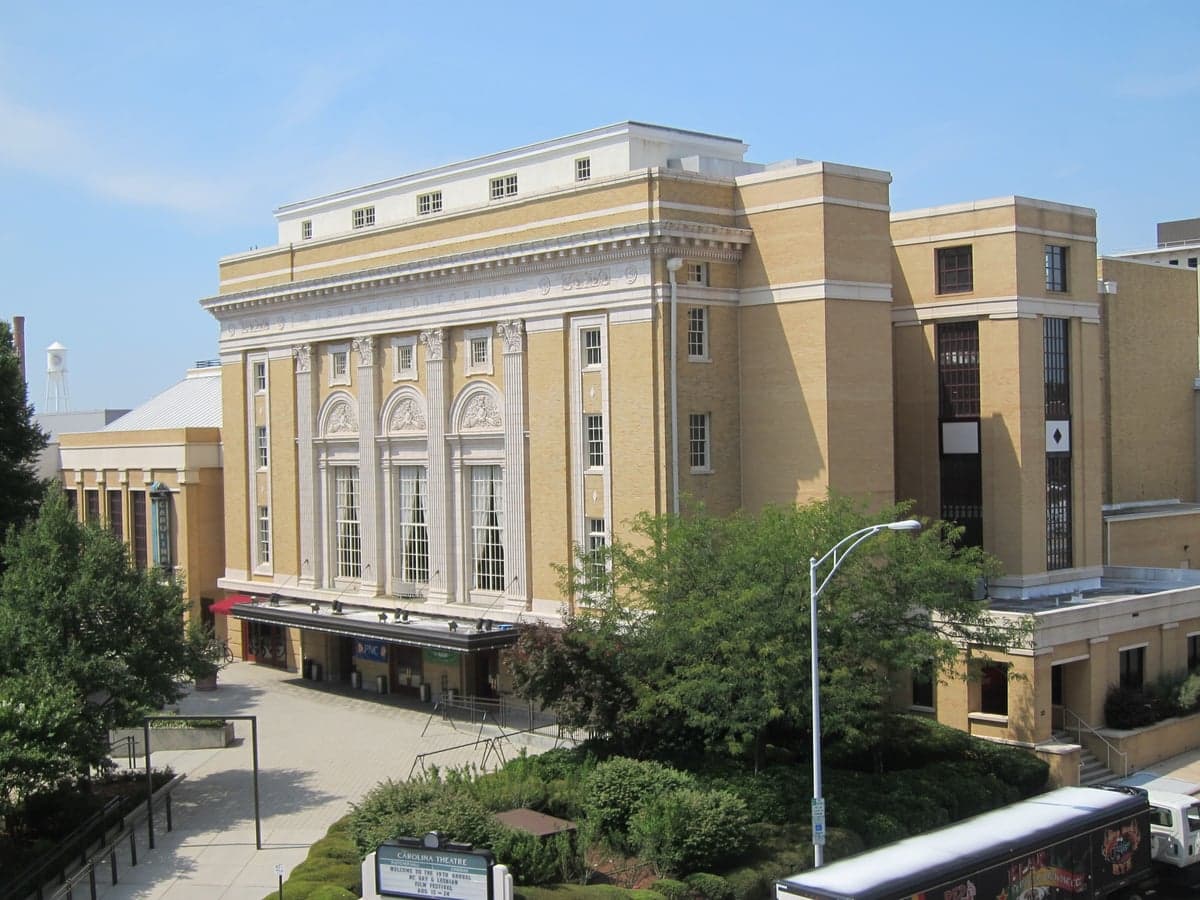
Outdoor life revolves around the Eno River and Falls Lake. Eno River State Park offers 30 miles of hiking trails and swimming holes that feel far from the city, even though you’re only 10 minutes from downtown. The city also has a growing network of greenways, though it’s not as bike-friendly as Cary or Chapel Hill yet. For music, the Carolina Theatre and Motorco Music Hall host national touring acts, while the Durham Performing Arts Center (DPAC) books Broadway shows and big-name concerts. DPAC is widely considered one of the best mid-sized venues on the East Coast, and it’s a source of local pride.
Pros and Cons of Living Here
What longtime residents love:
- Walkable downtown core — Brightleaf Square, the American Tobacco Campus, and Ninth Street are all pedestrian-friendly and packed with independent shops and restaurants.
- Strong sense of local identity — Durhamites are fiercely proud of the city’s transformation from a tobacco town to a tech and medical hub, and they support local businesses aggressively.
- Access to the Triangle — You’re 25 minutes from Raleigh, 15 minutes from Chapel Hill, and 20 minutes from Raleigh-Durham International Airport, which has direct flights to most major U.S. cities.
What frustrates them:
- Crime is a real concern — The violent crime rate is 503.4 per 100,000 residents, which is roughly 40% higher than the national average. Property crime is also an issue, especially car break-ins and package theft in central neighborhoods.
- Cost of living is rising fast — The index sits at 123 (23% above the national average), and the median home value of $355,300 has jumped nearly 40% since 2020. Rent for a one-bedroom apartment averages around $1,400, which feels steep for a city of this size.
- Traffic is getting worse — While the average commute is manageable, the I-85 and I-40 corridors can back up significantly during rush hour, especially near the Duke and RTP exits.
- Political culture is overwhelmingly progressive — If you lean conservative, you’ll find yourself in the minority. Durham County voted 80% for Biden in 2020, and local politics are dominated by left-leaning candidates. It’s not hostile, but it can feel isolating if you don’t share the prevailing views.
Weather and seasons: Summers are hot and humid (90°F with high humidity is common from June to August), but the spring and fall are genuinely beautiful — mild temperatures, blooming dogwoods, and crisp October afternoons. Winters are mild, with occasional snow that shuts the city down for a day or two. The public schools are a mixed bag; Durham Public Schools has some strong magnet programs (like the School for Creative Studies) and some struggling neighborhood schools, so families often research school assignments carefully before buying a home.
Durham is a city that rewards people who want to be part of something — whether that’s a neighborhood association, a church, a running club, or a volunteer group at the farmer’s market. It’s not a place where you can stay anonymous in a gated community and be happy. But if you’re looking for a city with real character, good food, and a pace that lets you breathe, it’s worth a serious look — just go in with your eyes open about the trade-offs.

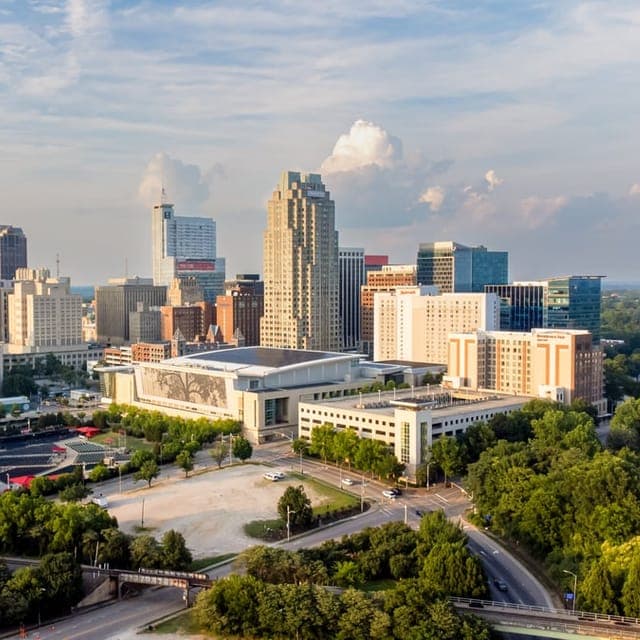
Similar mid-size cities to Durham
* Values derived from national, state, county, city and local statistics and may differ in a specific area. Last updated: 2026-05-03T20:25:48.000Z
Narrative content on this page is AI-generated and may contain mistakes. Verify any details that matter before acting on them.
ReloMaps may earn a commission from affiliate links at no extra cost to you.

