 Popular
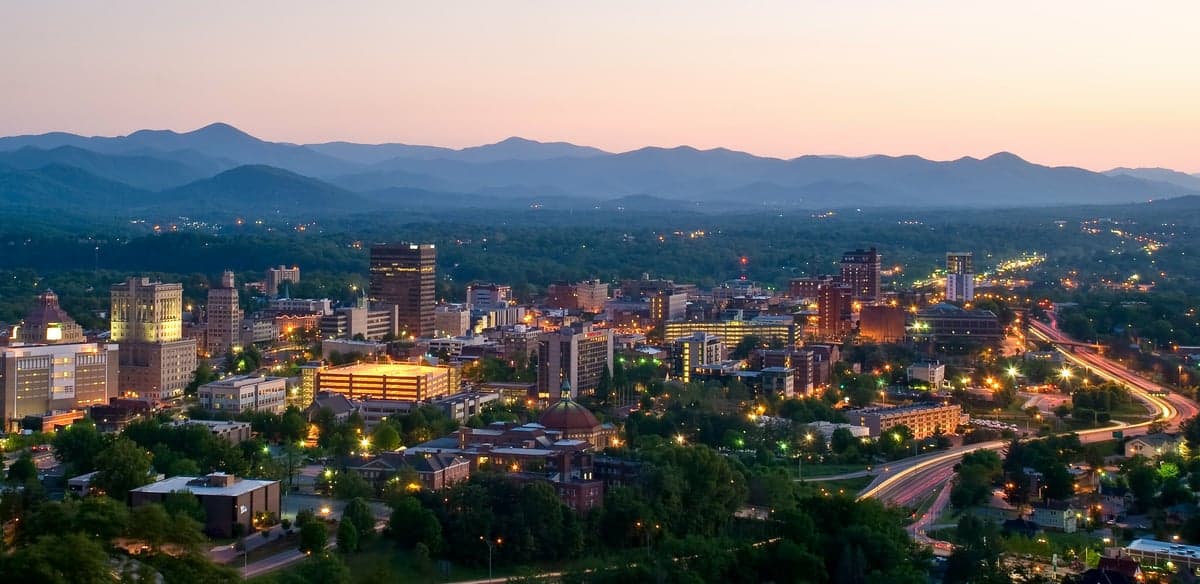
Photo: Wikipedia
Quality of Life in Asheville, NC
Above-average quality of iife. The area offers a reasonable cost of living, decent mobility, and a mix of neighborhood amenities.
What does Quality of Life tell us?
Quality of Life blends cost of living, nearby amenities, socioeconomic signals, and neighborhood character. City-level scores represent the whole municipality; individual neighborhoods can differ.
What does this tell us?
Quality of Life blends cost of living, nearby amenities, socioeconomic signals, and neighborhood character. City-level scores represent the whole municipality; individual neighborhoods can differ.
Cost of Living
26% above national average
The Real Cost of Living in Asheville, NC for 2026
| Tier | Individual | Family (4) |
|---|---|---|
| Survival | $21k | $39k |
| Comfortable | $80k | $117k |
| Luxury | $121k+ | $188k+ |
| Elite (Top 5%) | $157k+ | $244k+ |
57%
The Area Signal
A metric tracking the socioeconomic signals of the area.
Hobbies
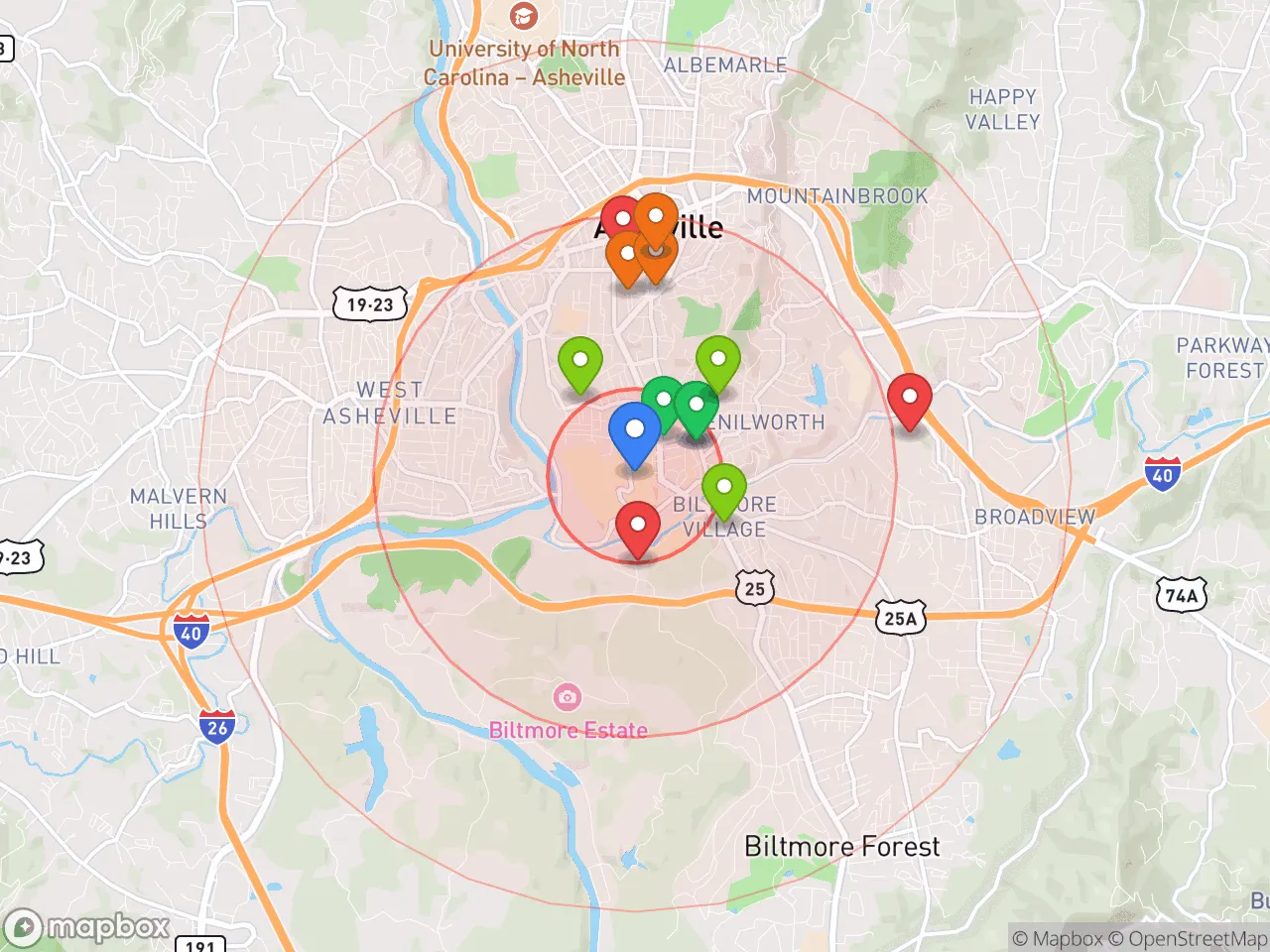
Explore the areaGroceries
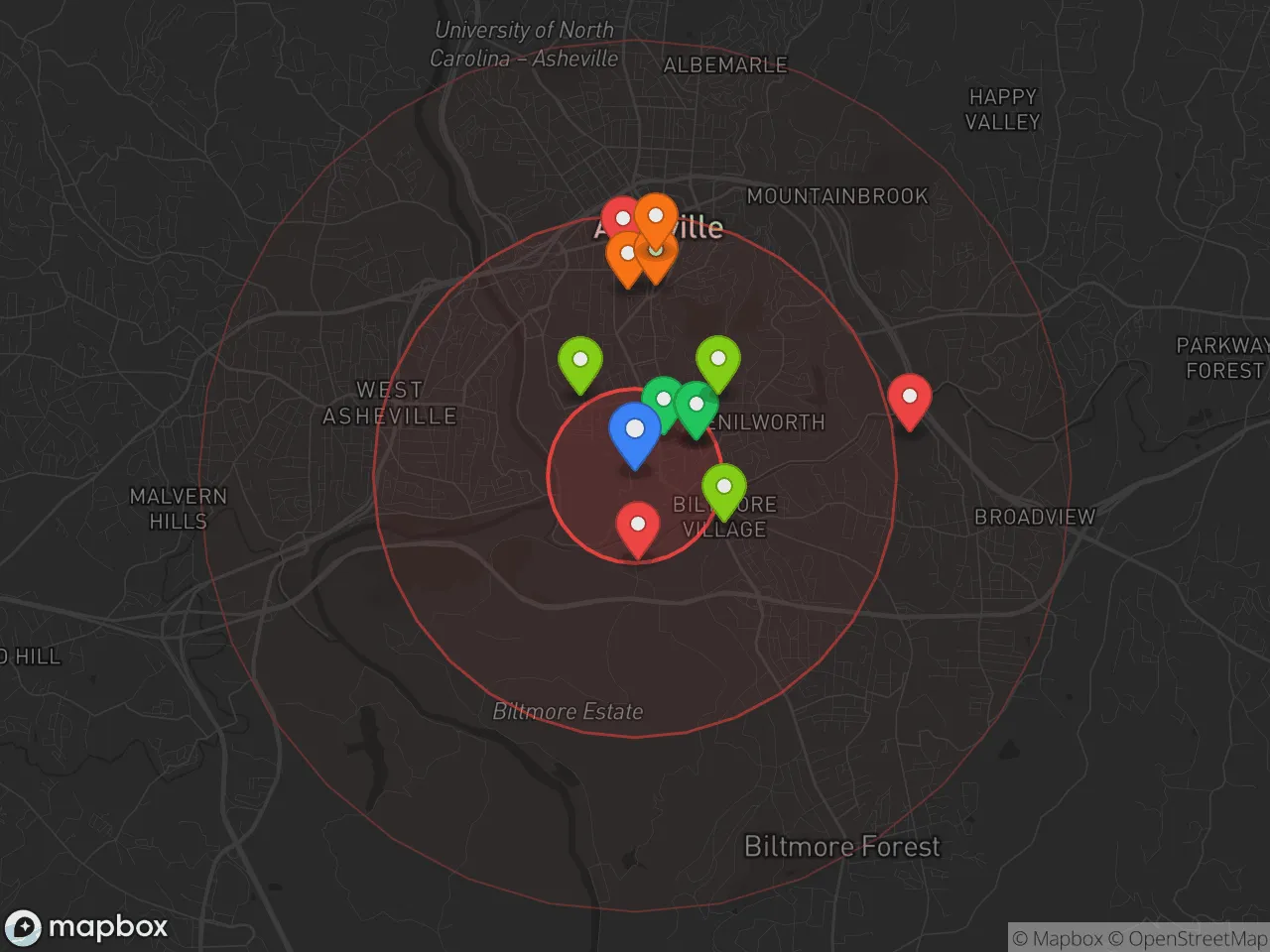
8 within 10 miles
Gas
20 within 10 miles
Hospital
10 within 20 miles
Airport
CLT — Charlotte Douglas International
Post Office
USPS — Asheville, NC
Critical Amenities
Quality-of-Life Analysis
Asheville, North Carolina, is a city defined by a pronounced affluence gap, attracting a mix of wealthy retirees, remote tech workers, and a long-standing creative class that now struggles with rising costs. With a cost of living index of 126 (26% above the national average), the city’s economy is heavily driven by tourism, craft beer, and the arts, creating a vibrant but increasingly expensive place to live. The typical resident is either a newcomer drawn by the Blue Ridge Mountain lifestyle or a local who has weathered decades of rapid gentrification.
Cost of living, housing affordability, and how Asheville compares to nearby areas
Asheville’s housing market is the primary driver of its high cost of living, with a median home value of $411,000—roughly 60% higher than the national median. For renters, the median rent sits at $1,303, which is manageable for dual-income households but steep for service-industry workers who form the backbone of the local economy. Compared to nearby towns like Hendersonville (median home value ~$375,000) or Black Mountain (~$440,000), Asheville is roughly on par, but it is significantly more expensive than larger regional hubs like Greenville, SC, where the median home value is around $310,000. The average commute time of just 17.97 minutes is a notable advantage, far below the national average of 26 minutes, allowing residents to live in the city proper without enduring long drives to work. However, inventory remains tight, and bidding wars are common for homes under $500,000, making it a seller’s market that favors cash buyers and remote workers with out-of-state salaries.
What daily life is like for families: amenities, schools, and local rhythm
Daily life in Asheville revolves around outdoor recreation and a robust local food scene, with the Blue Ridge Parkway and the French Broad River providing immediate access to hiking, kayaking, and mountain biking. The city’s public school system, Buncombe County Schools, is mixed: Asheville High School ranks in the top 30% of North Carolina schools, but elementary options vary widely by neighborhood, with schools like Claxton Elementary (rated 9/10 on GreatSchools) contrasting sharply with lower-rated schools in the city’s southern corridor. Private and charter options, such as the Asheville School and the French Broad River Academy, are popular among families who can afford the $15,000–$30,000 annual tuition. The city’s rhythm is distinctly seasonal—summer brings a flood of tourists to downtown’s Biltmore Avenue and the River Arts District, while fall leaf-peeping crowds make October the busiest month. Year-round, residents enjoy a calendar of festivals (e.g., LEAF Festival, Asheville Beer Week) and a walkable downtown core, though traffic congestion on I-240 and Tunnel Road is a frequent complaint during peak tourist weekends.
Asheville is best suited for those who prioritize access to nature and a vibrant cultural scene over affordability or career growth in traditional industries. Remote workers, retirees with fixed incomes above $80,000, and creative professionals who can command national rates will find the city’s amenities—farm-to-table dining, live music, and 50+ local breweries—worth the premium. Conversely, young families on a single income or workers in hospitality, retail, or healthcare may struggle to buy a home or save, often commuting from more affordable outlying towns like Candler or Leicester. For those who can absorb the cost, Asheville offers a quality of life that is hard to replicate elsewhere in the Southeast, but it is no longer a budget-friendly mountain escape.

Crime in Asheville, NC
Significantly higher crime rates than 75% of comparable U.S. locations.
Violent CrimeViolent Crime Analysis
Property CrimeProperty Crime Analysis
Crime Analysis
Asheville, North Carolina, presents a significant public safety concern for potential residents, with crime rates that substantially exceed both state and national averages. The city's violent crime rate stands at 750.4 incidents per 100,000 residents, while property crime reaches 4,377.1 per 100,000, placing it among the most dangerous small metro areas in the Southeast. These figures reflect a broader pattern seen in liberal-leaning urban centers where progressive criminal justice policies have been linked to reduced accountability and increased recidivism.
Crime in context
Asheville's violent crime rate is more than double the national average of roughly 380 per 100,000 and significantly higher than the North Carolina state average of approximately 350 per 100,000. Property crime in Asheville also far exceeds the national benchmark of around 2,200 per 100,000. Buncombe County, which encompasses Asheville, has seen its district attorney's office adopt progressive prosecution policies, including reduced sentencing for repeat offenders and expanded diversion programs. Critics argue these approaches, while sympathetic to offenders, directly contribute to more criminals remaining on the street, undermining justice for victims and the broader public. Neighboring conservative-leaning counties like Henderson and Haywood report substantially lower crime rates, highlighting the policy-driven nature of Asheville's safety challenges.
What residents experience
For those living in Asheville, property crime is the most immediate concern. Vehicle break-ins, bicycle theft, and package theft are daily realities, particularly in tourist-heavy areas like downtown and the River Arts District. Aggravated assault, the most common violent crime, frequently occurs in nightlife corridors and near homeless encampments that have expanded under the city's non-enforcement approach to public camping. Residents report that police response times have lengthened as the department struggles with staffing shortages, a problem exacerbated by local political tensions between the city council and law enforcement leadership. The combination of high crime volume and reduced enforcement creates an environment where many residents invest heavily in security systems, steering wheel locks, and comprehensive renters or homeowners insurance.
Neighborhood-level variation
Safety conditions vary dramatically across Asheville's neighborhoods. The downtown core and areas along Patton Avenue, Tunnel Road, and the Emma section experience the highest concentrations of both violent and property crime. In contrast, the affluent North Asheville neighborhoods near the Grove Park Inn and the wooded areas of Kenilworth report significantly lower incident rates, though property crime remains a concern even there. West Asheville, a rapidly gentrifying area, has seen property crime rise alongside new development. For those considering relocation, neighborhoods in the surrounding towns of Black Mountain, Weaverville, and Fletcher offer substantially lower crime rates while maintaining access to Asheville's amenities, making them safer alternatives for families and retirees.
* Values derived from national, state, county, city and local statistics and may differ in a specific area. Last updated: 2026-04-22T01:51:23.000Z
Narrative content on this page is AI-generated and may contain mistakes. Verify any details that matter before acting on them.
ReloMaps may earn a commission from affiliate links at no extra cost to you.

