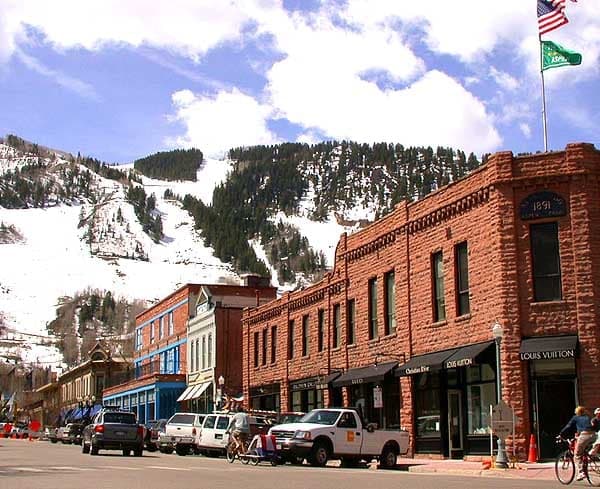
Photo: Wikipedia
Quality of Life in Aspen, CO
A high quality of life with strong walkability, manageable living costs, healthy neighborhood signals, and solid amenity access.
What does Quality of Life tell us?
Quality of Life blends cost of living, nearby amenities, socioeconomic signals, and neighborhood character. City-level scores represent the whole municipality; individual neighborhoods can differ.
What does this tell us?
Quality of Life blends cost of living, nearby amenities, socioeconomic signals, and neighborhood character. City-level scores represent the whole municipality; individual neighborhoods can differ.
Cost of Living
193% above national average
The Real Cost of Living in Aspen, CO for 2026
| Tier | Individual | Family (4) |
|---|---|---|
| Survival | $30k | $57k |
| Comfortable | $244k | $359k |
| Luxury | $253k+ | $392k+ |
| Elite (Top 5%) | $422k+ | $653k+ |
22%
The Area Signal
A metric tracking the socioeconomic signals of the area.
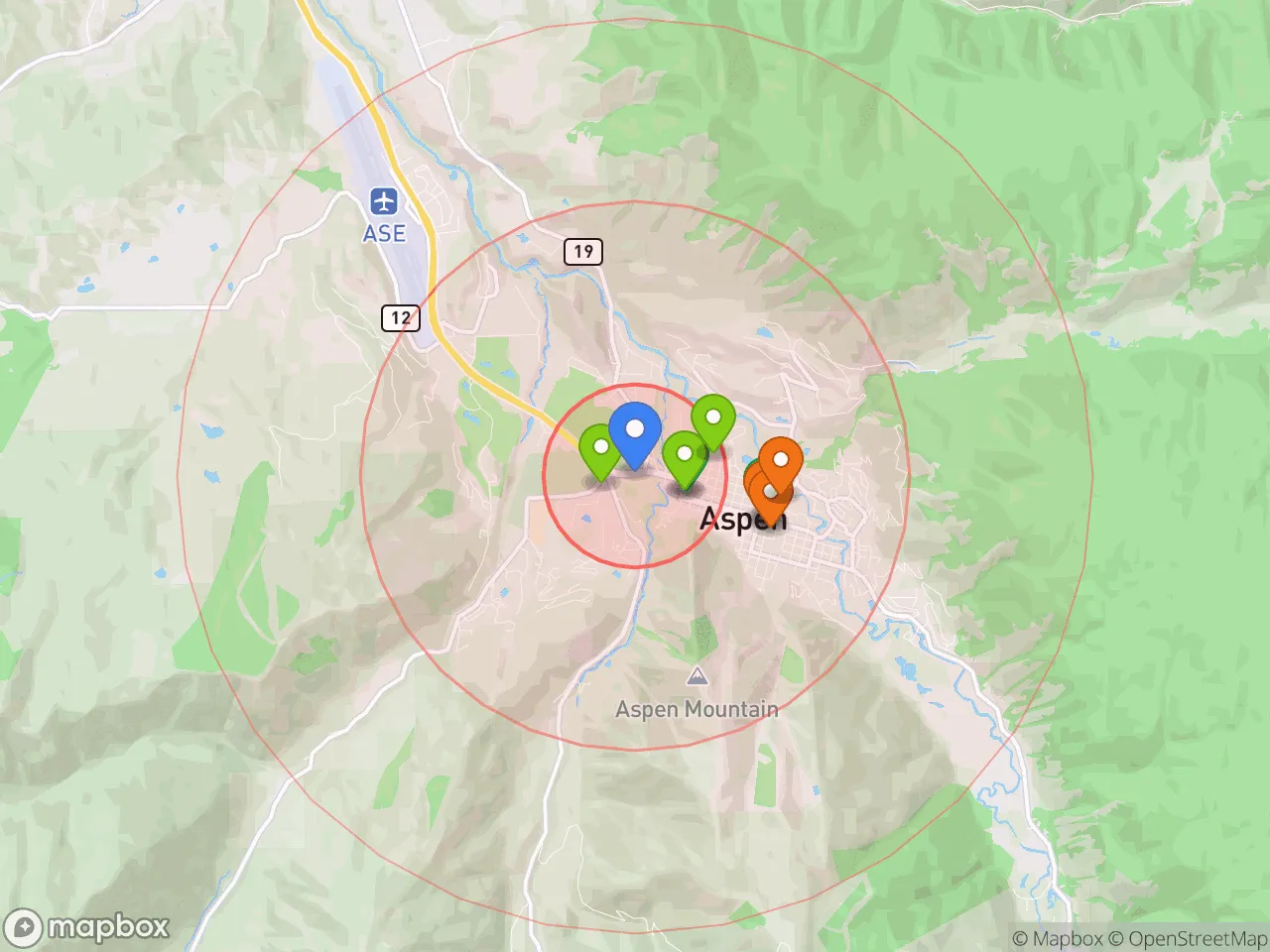
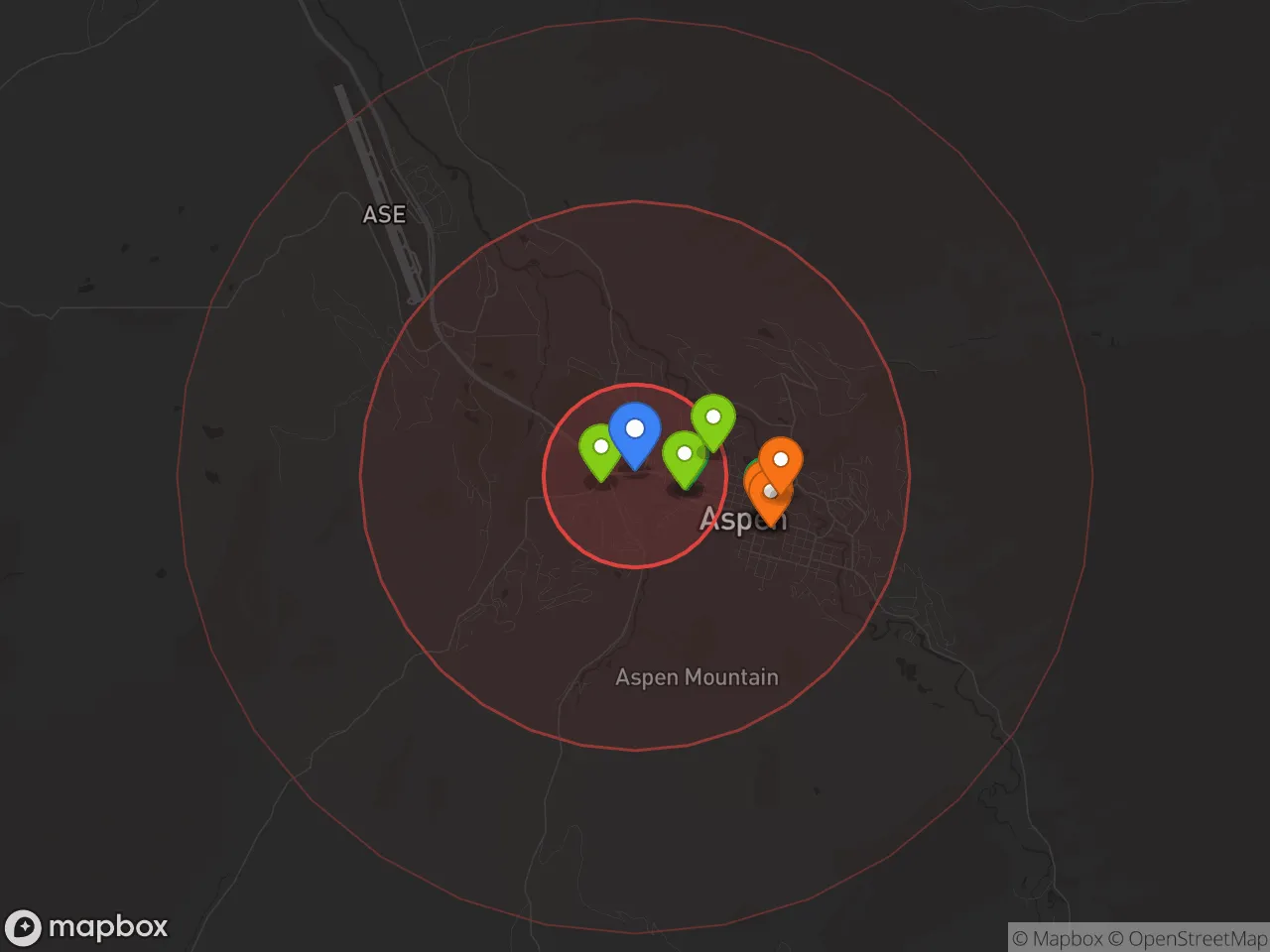
Hobbies
Explore the areaGroceries
1 within 10 miles
Gas
3 within 10 miles
Hospital
1 within 20 miles
Airport
DEN — Denver International
Post Office
USPS — Aspen, CO
Critical Amenities
Quality-of-Life Analysis
Aspen, Colorado, is a world-renowned mountain resort town where extreme affluence and a rugged outdoor lifestyle coexist in a delicate balance. The permanent population of roughly 7,000 residents is a mix of ultra-high-net-worth individuals, second-home owners, and a dedicated workforce of service and hospitality professionals who power the town's luxury economy. This dynamic creates a quality of life defined by unparalleled access to nature and culture, but also by one of the most severe housing affordability crises in the United States.
Cost of living, housing, and affordability compared to nearby areas
Aspen’s cost of living index stands at 293—nearly three times the national average—making it one of the most expensive small towns in the country. The median home value is $1,375,000, a figure that places homeownership out of reach for most working residents. While the median rent of $1,897 may seem moderate relative to home prices, it often applies to small, shared, or seasonal units; a one-bedroom apartment in a central location can easily exceed $2,500 per month. Compared to nearby communities like Basalt (COL index ~180) or Carbondale (~150), Aspen is dramatically pricier, forcing many workers to commute from these more affordable towns. The average commute time in Aspen is just 14.2 minutes, but this low figure masks the reality that many service employees drive 30–45 minutes from downvalley locations like Glenwood Springs or Rifle, where housing is more attainable.
Amenities, schools, and what daily life is like for families
Daily life in Aspen revolves around the outdoors and a tight-knit, year-round community. The town offers world-class skiing at Aspen Mountain and Snowmass, hundreds of miles of hiking and biking trails, and the acclaimed Aspen Music Festival and School. For families, the Aspen School District is highly rated, with a student-teacher ratio of roughly 12:1 and strong programs in arts and environmental science. The rhythm of life is seasonal: winter brings a high-energy ski culture and celebrity sightings, while summer offers a slower pace with farmers' markets, outdoor concerts, and family-friendly festivals. However, the town’s small size means limited retail and dining options compared to a major city, and the high cost of childcare and after-school activities can be a barrier for middle-income families. Groceries are about 25% above the national average, and basic services like auto repair or home maintenance are expensive and often booked weeks in advance.
Who thrives in Aspen? The town is best suited for high-income professionals, retirees, and remote workers who can afford the premium for immediate access to world-class recreation and a low-crime, scenic environment. It is also a rewarding place for dedicated outdoor enthusiasts and cultural patrons who value the arts and nature over urban convenience. Conversely, those seeking affordable housing, diverse job opportunities, or a lower-stress financial life will find Aspen challenging. The town’s quality of life is exceptional for those who can navigate its economic barriers, but it remains a place where wealth and lifestyle are inextricably linked.

Crime in Aspen, CO
Lower crime rates than 82% of comparable U.S. locations.
Violent CrimeViolent Crime Analysis
Property CrimeProperty Crime Analysis
Crime Analysis
Aspen, Colorado, reports a violent crime rate of 93 incidents per 100,000 residents and a property crime rate of 2,448.9 per 100,000. While the violent crime figure is significantly lower than the national average, the property crime rate is notably elevated, driven largely by theft and vehicle-related offenses in this high-value resort community. The overall safety picture is mixed: violent confrontations are rare, but residents and visitors face a tangible risk of property loss, particularly in areas with high tourist foot traffic.
Crime in context
Aspen's violent crime rate of 93 per 100,000 is roughly one-third of the U.S. national average of about 380 per 100,000, and well below the Colorado state average of approximately 410 per 100,000. This places Aspen among the safest small cities in the state for violent offenses. However, the property crime rate of 2,448.9 per 100,000 is about 40% higher than the national average of roughly 1,950 per 100,000 and exceeds the Colorado average of around 2,200 per 100,000. The disparity reflects Aspen's unique profile as a wealthy, transient tourist destination where high-value goods and unlocked vehicles are common targets. It is important to note that Pitkin County, which encompasses Aspen, is known for its progressive judicial philosophy; district attorneys and judges in the area have historically emphasized rehabilitation and alternative sentencing over incarceration. This approach, while intended to reduce recidivism, can result in offenders being released more quickly or facing lighter consequences, which may contribute to a perception of leniency and potentially embolden repeat property criminals.
What residents experience
For those living in Aspen, the most common safety concern is property crime, not personal violence. Residents frequently report theft from vehicles, bicycle theft, and burglaries of vacation homes and storage units. The downtown core, especially around the pedestrian mall and ski base areas, sees the highest concentration of these incidents. Violent crime is rare but not absent; when it occurs, it typically involves disputes among transient populations or alcohol-fueled altercations in the nightlife district. The Aspen Police Department maintains a visible presence, but the sheer volume of seasonal visitors strains resources. Residents are advised to never leave valuables in cars, secure bicycles with high-quality locks, and install motion-sensor lighting on properties. The progressive legal environment means that even when property criminals are caught, they may face diversion programs or short sentences, which can frustrate victims seeking a stronger deterrent effect.
Neighborhood-level variation
Safety varies notably by neighborhood. The West End and Red Mountain areas, characterized by high-value single-family homes and lower population density, experience the lowest crime rates overall, though they are not immune to occasional burglaries. The downtown core and the Aspen Village area near the base of Aspen Mountain see the highest property crime rates, driven by tourist activity and transient foot traffic. The Marolt/Thomas area, which includes affordable housing units, has a slightly higher incidence of reported thefts and minor disturbances. Overall, no neighborhood in Aspen is considered dangerous by national standards for violent crime, but property crime is a persistent concern everywhere, particularly in areas with easy public access and high-value targets.
* Values derived from national, state, county, city and local statistics and may differ in a specific area. Last updated: 2026-05-11T22:11:57.000Z
Narrative content on this page is AI-generated and may contain mistakes. Verify any details that matter before acting on them.
ReloMaps may earn a commission from affiliate links at no extra cost to you.

