Photo: Wikipedia
Find The Best Places To Live
in Glenwood Springs
PRO TIP! You can paste a Zillow or Redfin link to get info on that property.
What It's Like Living in Glenwood Springs, CO
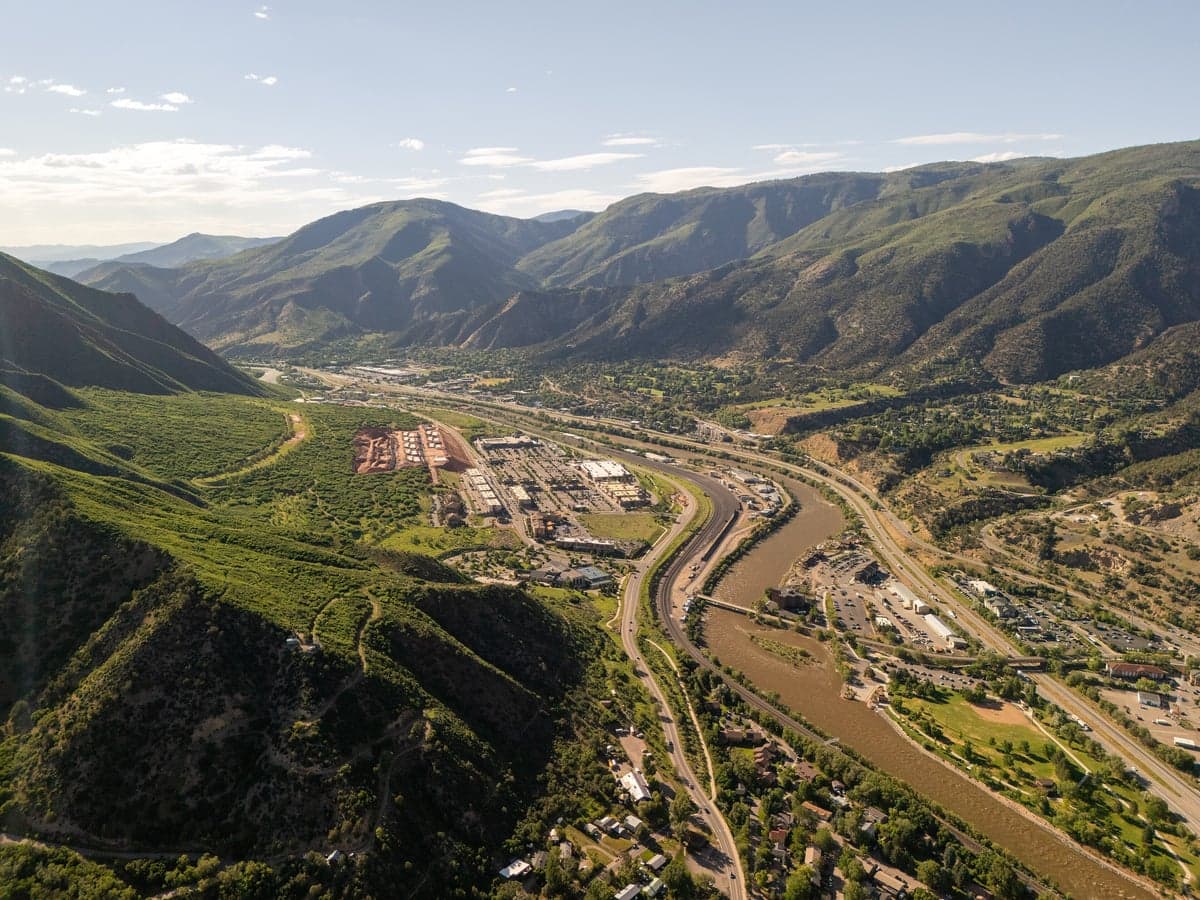
Glenwood Springs is one of those Colorado mountain towns that feels like it was built for people who want the outdoor lifestyle without the full-on resort-town price tag or tourist crush. It’s a real working community—not just a vacation backdrop—where the daily rhythm is shaped by the Roaring Fork River, the hot springs, and a downtown that actually functions year-round rather than just during ski season. If you’re looking for a place where you can hike before work, grab a beer at a local brewpub, and still afford a mortgage (relatively speaking), Glenwood is worth a serious look.
The Daily Rhythm: What People Actually Do
Most mornings here start with coffee from Bluebird Cafe or Glenwood Coffee & Books, then a commute that’s either a short drive or a bike ride along the Rio Grande Trail. The average commute clocks in at about 27 minutes, which is longer than you’d expect for a town of 10,171 people—that’s because many residents work downvalley in Carbondale or upvalley in Aspen, where the jobs pay better but the housing costs are even higher. Locals shop at City Market for groceries and Sunlight Mountain Ski & Bike for gear. Weekends are built around the outdoors: hiking Hanging Lake (permit required, book ahead), mountain biking on the Red Mountain Trail, or floating the Colorado River in summer. In winter, Sunlight Mountain Resort is the local hill—smaller and cheaper than Aspen, but with genuine powder days and zero lift lines. The Glenwood Hot Springs Pool is the town’s social hub year-round; it’s not just for tourists, it’s where families bring kids after school and where you run into neighbors on a random Tuesday.
Sports, Community, and What Brings People Together
High school sports are a genuine big deal here. Glenwood Springs High School Demons football and basketball games draw solid crowds, especially when they play rival Battle Mountain or Basalt. The community shows up for the Glenwood Springs High School Demons—it’s one of those towns where the Friday night lights still matter. There’s no pro team nearby (Denver is a 3-hour drive), but the Colorado Rockies and Denver Broncos have plenty of fans. The real sports identity, though, is participatory: trail running, road cycling, and fly fishing are almost civic duties. The Glenwood Springs Recreation Center is well-used for indoor sports and swimming. The biggest annual event is Strawberry Days in June, a festival that’s been running since 1898—parade, carnival, live music, and a whole lot of strawberry shortcake. Mountain Fair in nearby Carbondale is another summer staple. For music, The Black Box and Glenwood Vaudeville Revue offer live shows, but most nightlife revolves around the breweries and bars on Grand Avenue.
What It Costs and Who Fits In
Let’s talk money honestly. The median household income here is $87,000, which sounds decent until you see the median home value at $592,000 and a cost of living index of 173 (73% above the national average). That means a $500,000 house in the Midwest costs around $865,000 here. Rents are similarly high—a two-bedroom apartment often runs $1,800–$2,200. The kind of person who fits in here is typically a professional (38.1% have a college degree) who works in healthcare, education, construction, or tourism, or someone who commutes to Aspen or Glenwood’s own Valley View Hospital (the largest employer). Families are common, and the median age of 35.7 reflects a town full of people in their prime working-and-raising-kids years. It’s not a place for the ultra-wealthy (they go to Aspen), but it’s also not cheap—you need a solid dual income or a remote job that pays Denver wages. The trade-off is that you get genuine small-town community: neighbors know each other, kids walk to school, and you can still buy a house with a yard, even if it’s a fixer-upper.
Honest Pros and Cons of Living Here
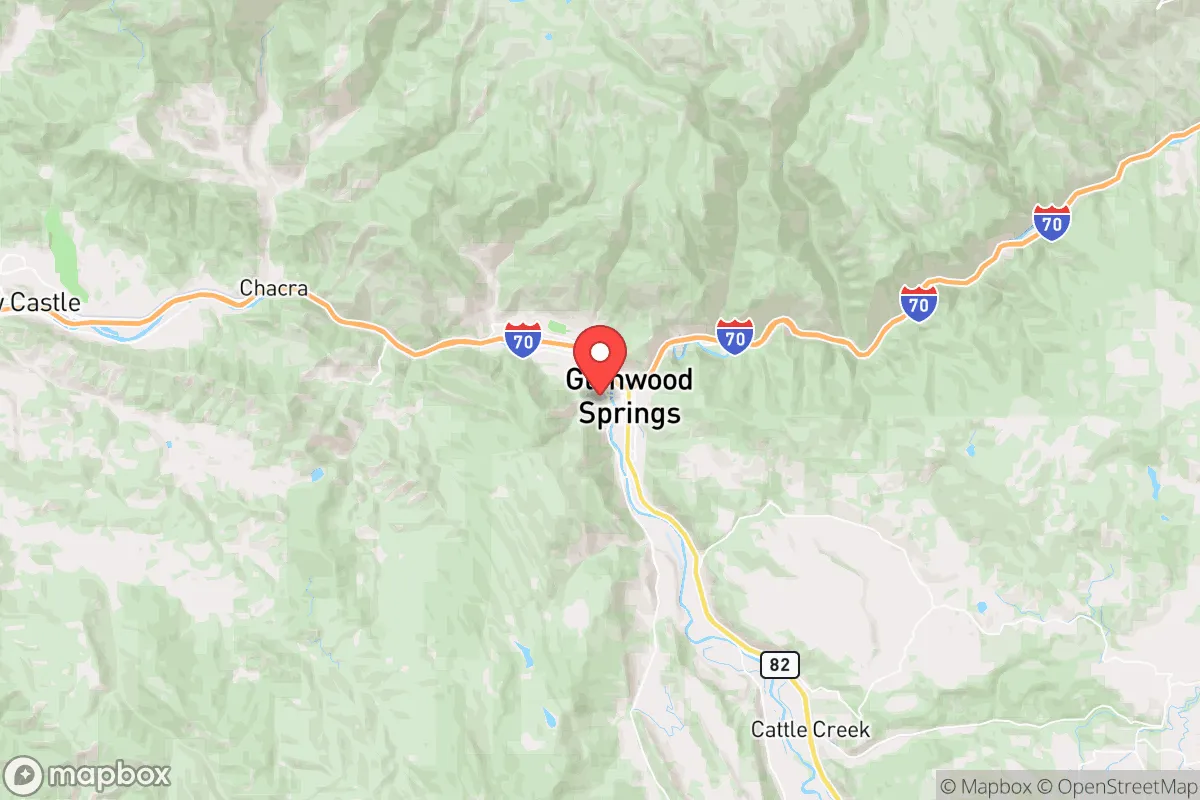
Longtime residents love the access—you’re 40 minutes from Aspen’s slopes, 30 minutes from Carbondale’s restaurants, and 3 hours from Denver. The hot springs are a genuine perk, not a gimmick. The schools are solid, with Glenwood Springs Elementary and Riverside School both well-regarded. But there are real frustrations. The violent crime rate of 426.6 per 100,000 is notably high for a town this size—it’s driven largely by property crime and drug-related incidents, and it’s something to be aware of, especially if you’re moving from a low-crime suburb. Traffic on I-70 through town can be a nightmare on winter weekends, and the Grand Avenue Bridge construction (recently completed, but still a memory) was a years-long headache. Winters are real—snow accumulates, and you’ll need all-wheel drive and a good shovel. Summers are glorious but short. The biggest cultural quirk? Glenwood is a mix of old-school Colorado ranchers, new-wave outdoor enthusiasts, and a small but visible transient population. It’s not a polished resort town; it’s a little rough around the edges, and most residents prefer it that way.

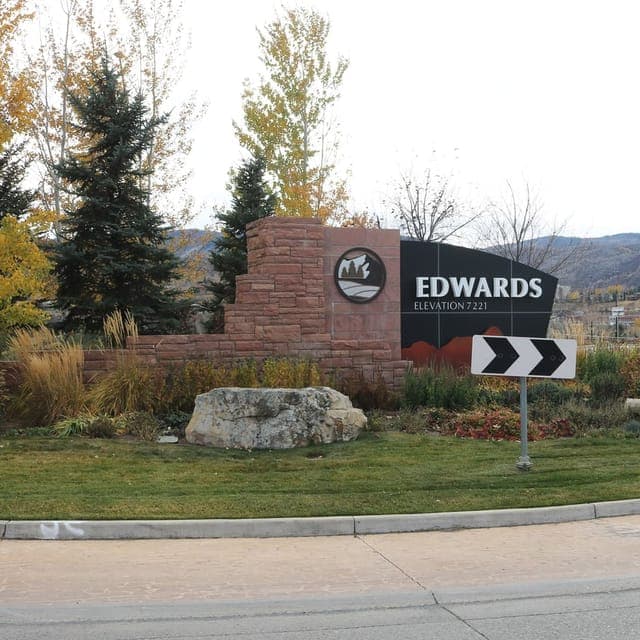
Similar towns to Glenwood Springs
* Values derived from national, state, county, city and local statistics and may differ in a specific area. Last updated: 2026-05-16T10:02:27.000Z
Narrative content on this page is AI-generated and may contain mistakes. Verify any details that matter before acting on them.
ReloMaps may earn a commission from affiliate links at no extra cost to you.

