Photo: Wikipedia
Find The Best Places To Live
in Augusta
PRO TIP! You can paste a Zillow or Redfin link to get info on that property.
What It's Like Living in Augusta, KS
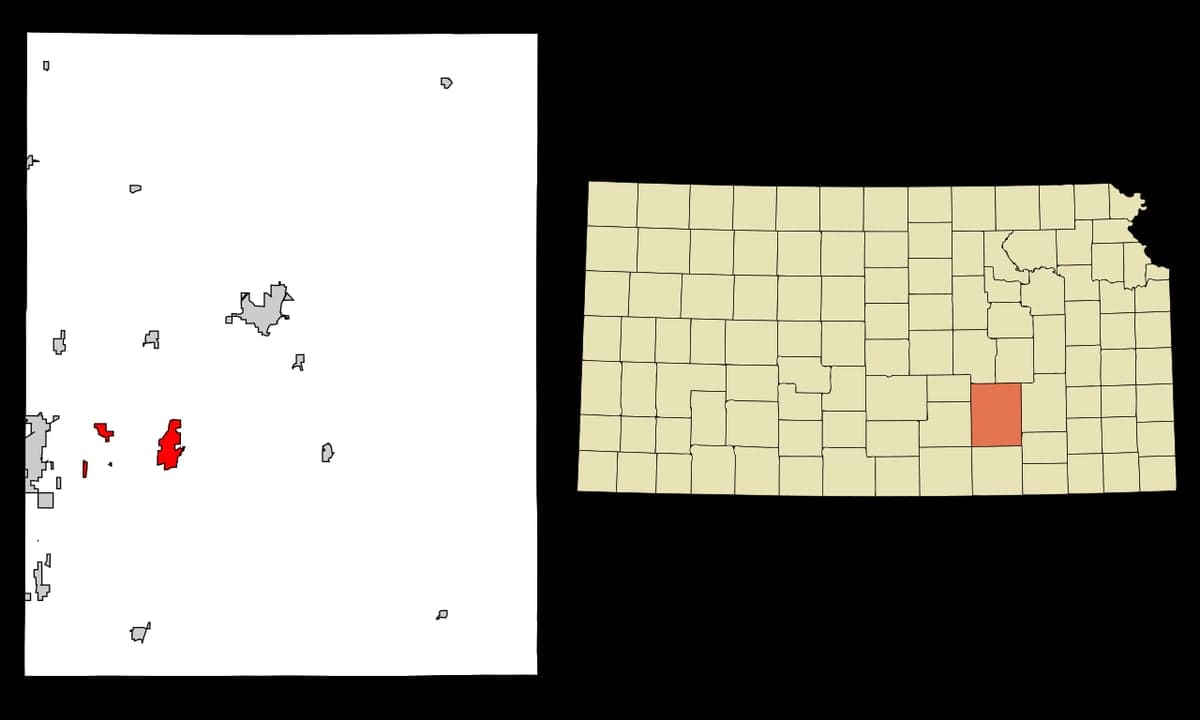
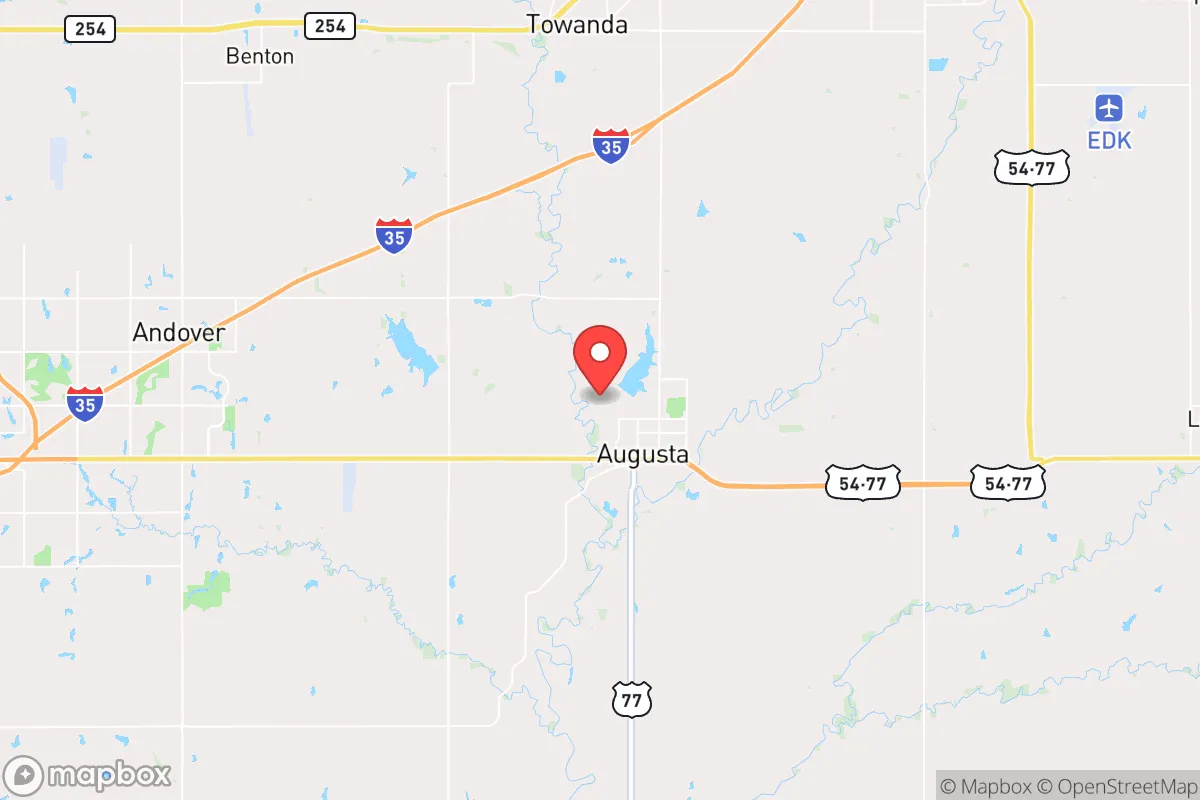
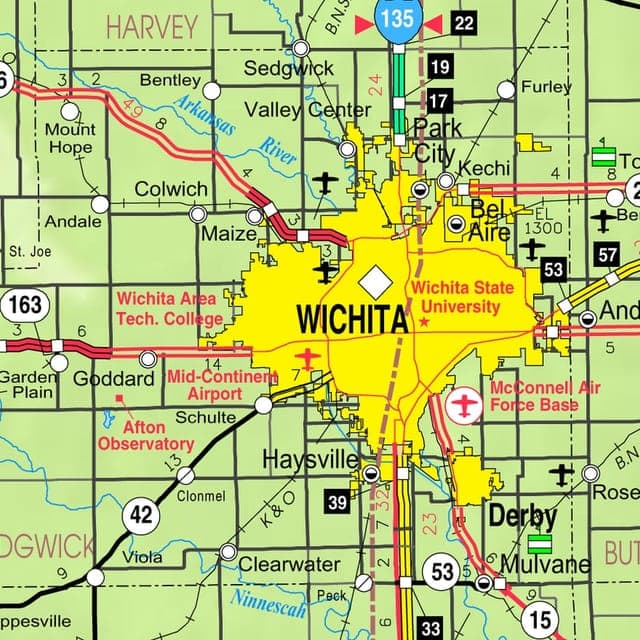
Augusta, Kansas, feels like one of those places where people still wave at each other on Main Street, and the high school football game on a Friday night is the main event of the week. With just over 9,200 residents, it’s a small town that sits about 20 minutes east of Wichita, close enough to the city for work and shopping but far enough to keep a slower, more neighborly pace. The median age here is 39, and the median household income sits around $60,500, which lines up with a community where many people work in Wichita’s aerospace, manufacturing, or healthcare sectors but come home to a quieter life.
Daily Rhythm and What People Actually Do
Most mornings in Augusta start with a commute—the average drive to work is about 25 minutes, which is manageable and often scenic, rolling through the Flint Hills. By 5 p.m., you’ll see folks grabbing dinner at places like J.R.’s Bar & Grill for a burger and a cold beer, or hitting up El Dorado Lake just a few miles north for an evening walk or fishing off the dock. Weekends are often split between yard work, church on Sunday (the town has a strong Protestant presence), and catching a game at Augusta High School, where the Orioles are a genuine source of community pride. The local grocery store, Price Chopper, is the main hub for errands, and most people drive to Wichita for big-box shopping or a movie night at the Warren Theatre.
The kind of person who fits in here is someone who values predictability and knows their neighbors by name. It’s a blue-collar and middle-management crowd—think mechanics, nurses, teachers, and small business owners. Affluence is modest; the median home value of $162,200 means a family can buy a decent three-bedroom house without stretching too thin, and the cost of living index of 72 (well below the national average) makes everyday life affordable. Single people might find the social scene limited, but parents appreciate the safety and the fact that kids can ride bikes around town without worry.
Sports, Festivals, and the Local Hangouts
High school sports are the heartbeat of Augusta’s social calendar. Augusta Orioles football draws big crowds in the fall, and the basketball and wrestling teams are consistently competitive. There’s no pro sports team in town, but Wichita’s minor-league baseball team, the Wind Surge, is a popular 25-minute drive for a summer night out. The town’s biggest annual event is Augusta Prairie Fest, held every September, which brings a carnival, live music, and a parade that shuts down Main Street. For outdoor types, El Dorado State Park offers hiking, boating, and camping, and the nearby Flint Hills National Scenic Byway is a favorite for Sunday drives.
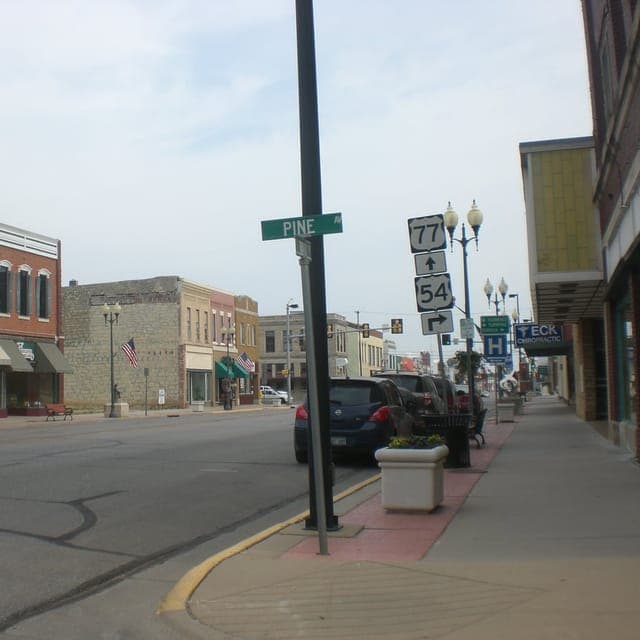
For nightlife, it’s low-key. The Vault Bar & Grill (housed in a former bank) is a popular spot for pool and live acoustic sets, while Brew Ha Ha! is the go-to for coffee and conversation. There’s no music venue larger than a bar stage, so most live entertainment comes from high school concerts or the occasional cover band at the Augusta Municipal Building. The town’s cultural identity is proudly rural and conservative—you’ll see American flags on porches and pickup trucks with gun racks, and the local newspaper, the Augusta Daily Gazette, still runs letters to the editor about school board decisions.
Honest Pros and Cons of Living Here
What longtime residents love most is the safety and community trust. The violent crime rate of 220.5 per 100,000 is slightly above the national average, but most crime is property-related and concentrated near the highway; people still leave their doors unlocked in the older neighborhoods. The schools—Augusta USD 402—are a major draw, with a solid reputation for academics and small class sizes, and the district is a central part of community life. Parents appreciate that teachers know their kids by name and that the school board meetings are well-attended.
What frustrates people? The lack of variety. There’s no Target, no sit-down chain restaurants beyond a Pizza Hut and a Subway, and no urgent care open past 8 p.m. For anything beyond basics, you’re driving to Wichita. The weather is typical Kansas: hot, humid summers (90°F+), cold winters with occasional snow, and spring tornado warnings that are taken seriously but not panicked over. The town’s 23.9% college-educated rate is lower than the national average, which can make it feel insular for newcomers with advanced degrees. And while the commute is short, the local job market is thin—most people work in Wichita, so gas prices and car maintenance are a constant line item.
One cultural quirk: Augusta has a strong tradition of high school reunions and class gatherings, and it’s not uncommon to see multi-generational families living within a few blocks of each other. The town’s identity is rooted in its agricultural and oil history (there are still working pumpjacks on the outskirts), and residents take pride in being self-reliant. If you’re looking for a place where you can raise kids without the noise of a big city, where your neighbors will bring you a casserole when you’re sick, and where the biggest debate is whether the school board should buy new band uniforms, Augusta fits that bill. Just don’t expect a nightlife scene or a diverse restaurant row—that’s not what this town is about.

Similar small towns to Augusta
* Values derived from national, state, county, city and local statistics and may differ in a specific area. Last updated: 2026-05-01T00:56:15.000Z
Narrative content on this page is AI-generated and may contain mistakes. Verify any details that matter before acting on them.
ReloMaps may earn a commission from affiliate links at no extra cost to you.

