Photo: Wikipedia
Quality of Life in Aurora, CO
Above-average quality of iife. The area offers a reasonable cost of living, decent mobility, and a mix of neighborhood amenities.
What does Quality of Life tell us?
Quality of Life blends cost of living, nearby amenities, socioeconomic signals, and neighborhood character. City-level scores represent the whole municipality; individual neighborhoods can differ.
What does this tell us?
Quality of Life blends cost of living, nearby amenities, socioeconomic signals, and neighborhood character. City-level scores represent the whole municipality; individual neighborhoods can differ.
Cost of Living
54% above national average
The Real Cost of Living in Aurora, CO for 2026
| Tier | Individual | Family (4) |
|---|---|---|
| Survival | $28k | $53k |
| Comfortable | $86k | $127k |
| Luxury | $138k+ | $214k+ |
| Elite (Top 5%) | $162k+ | $252k+ |
66%
The Area Signal
A metric tracking the socioeconomic signals of the area.
Hobbies
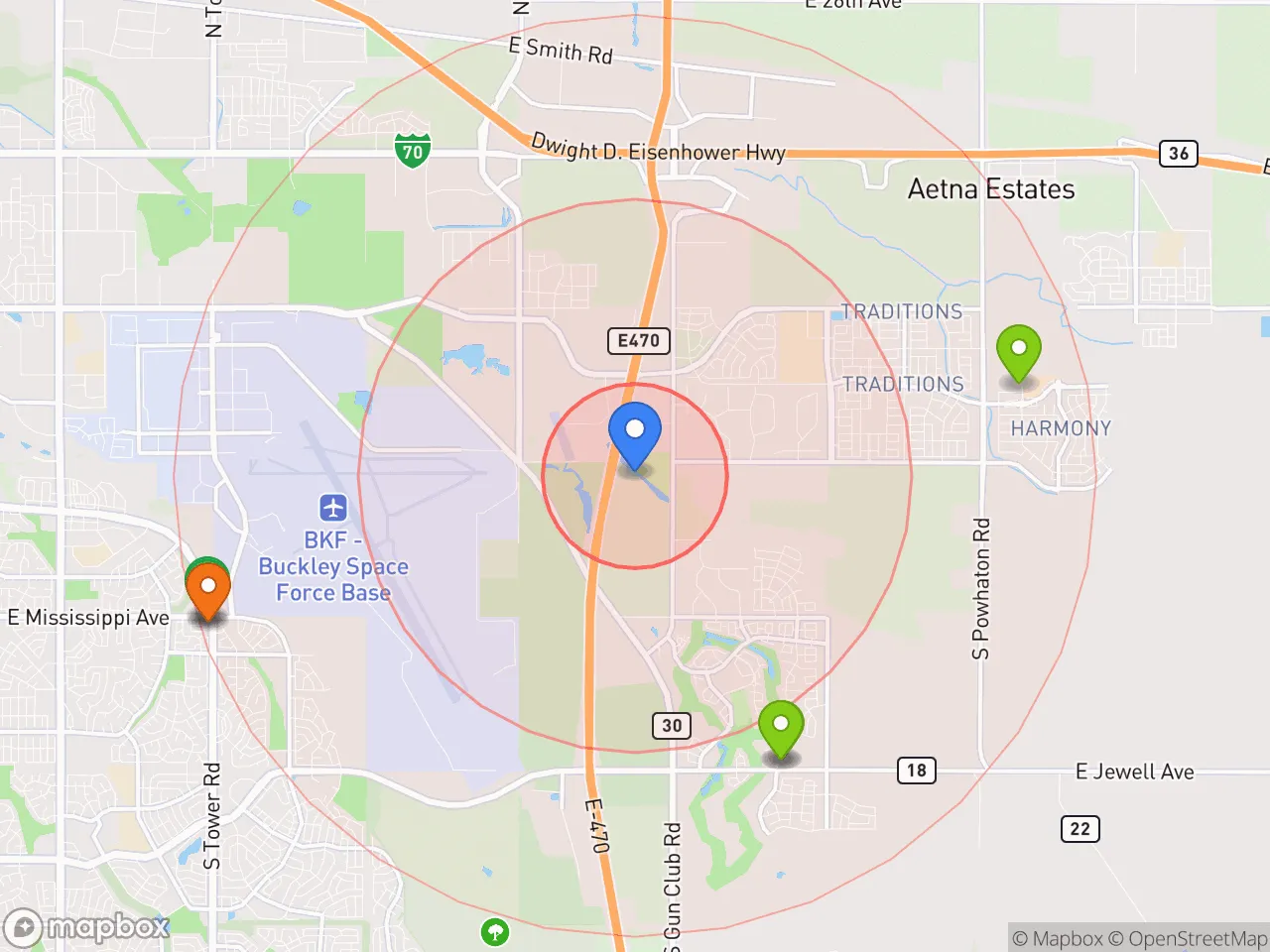
Explore the areaGroceries
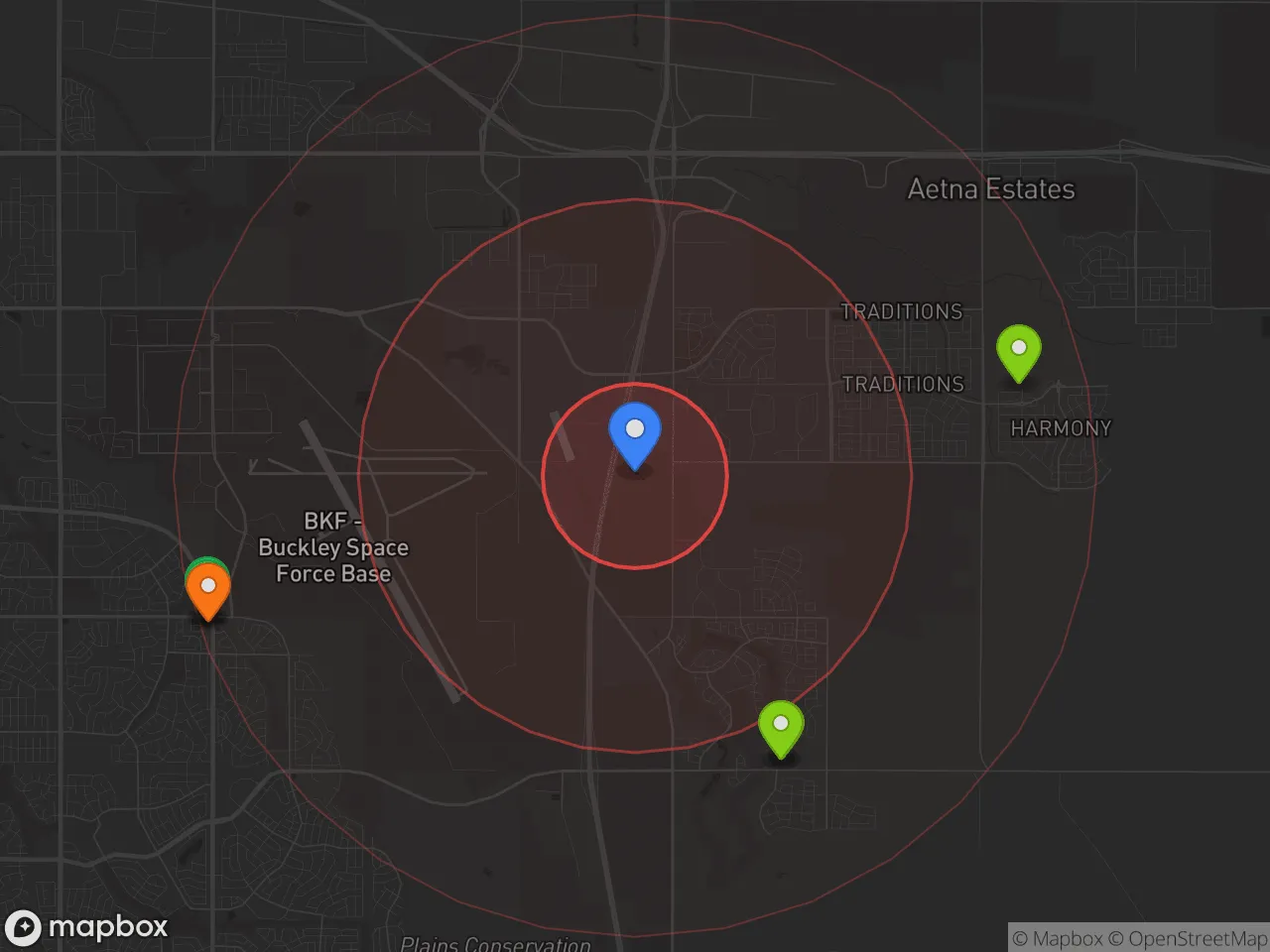
5 within 10 miles
Gas
20 within 10 miles
Hospital
20 within 20 miles
Airport
DEN — Denver International
Post Office
USPS — Aurora, CO
Critical Amenities
Quality-of-Life Analysis
Aurora, Colorado, presents a quality-of-life profile shaped by its position as a large, diverse suburb within the Denver-Aurora-Lakewood metropolitan area. With a cost of living index of 154 (100 being the U.S. average), the city is significantly more expensive than the national norm, attracting a mix of middle-to-upper-middle-class families, young professionals, and military-affiliated residents drawn to Buckley Space Force Base. The population is notably diverse, with substantial Hispanic, Asian, and Black communities, creating a demographic texture that contrasts with some of Denver’s more uniformly affluent suburbs.
Cost of living, housing affordability, and how it compares to nearby areas
Aurora’s cost of living is 54% above the national average, driven primarily by housing. The median home value sits at $444,500, which is roughly $50,000 below the Denver metro median but still 70% higher than the national median. Median rent is $1,759, making it more affordable than downtown Denver (where comparable rents often exceed $2,000) but pricier than outlying communities like Commerce City or Thornton. For buyers, the trade-off is clear: Aurora offers more square footage and newer construction per dollar than central Denver, but property taxes (averaging 0.55% of assessed value) and homeowners insurance (higher due to hail risk) add to monthly costs. The average commute of 28.9 minutes is slightly above the national average of 26 minutes, reflecting the city’s role as a bedroom community where many residents drive to jobs in Denver, the Denver Tech Center, or along the I-25 corridor. Utilities and groceries are also above average, with a gallon of milk costing about $4.20 and monthly energy bills around $130.
Amenities, schools, and what daily life feels like for residents
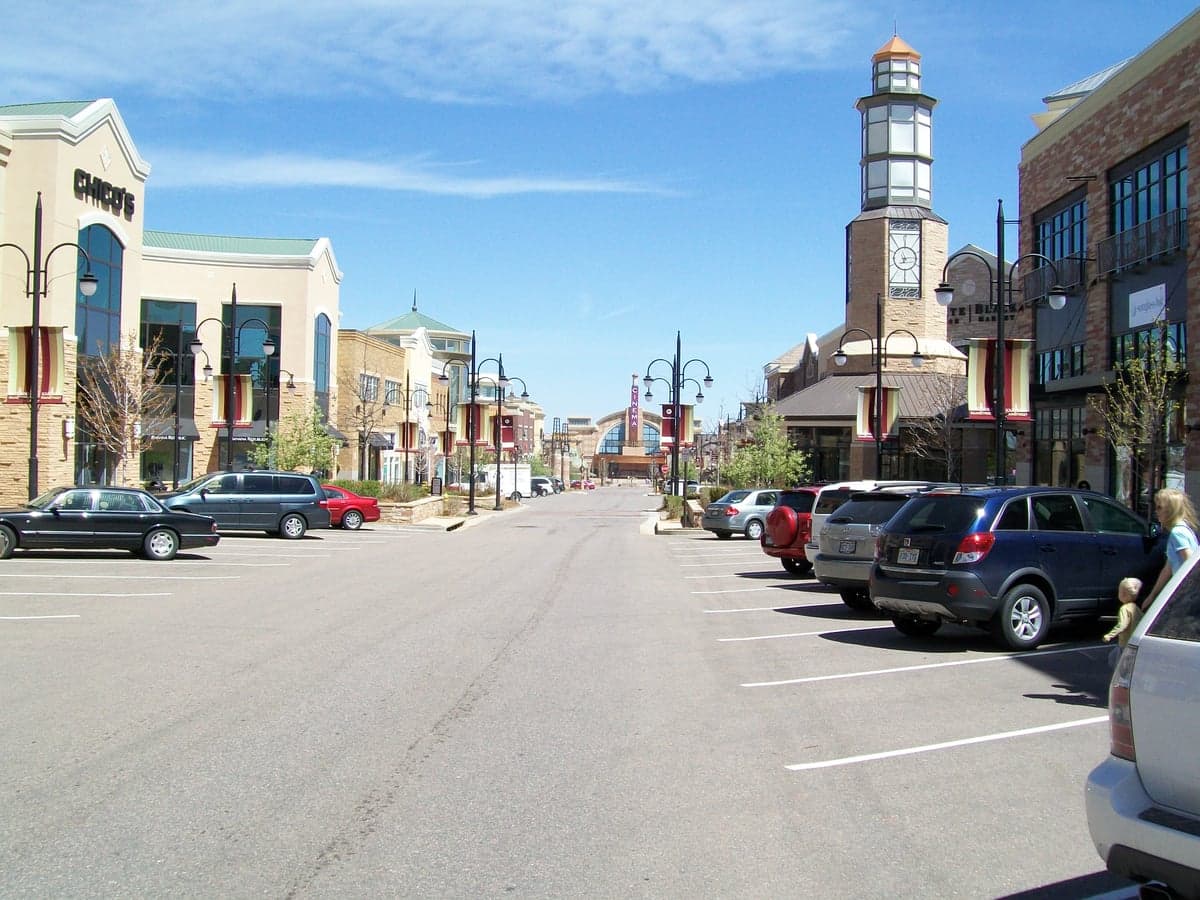
Daily life in Aurora is defined by its suburban infrastructure and access to outdoor recreation. The city operates over 100 parks, including the 6,800-acre Aurora Reservoir, which offers swimming, sailing, and fishing. The Anschutz Medical Campus, a major employment hub, anchors the Fitzsimons area with world-class healthcare and research facilities. Public schools are served by Aurora Public Schools (APS) and Cherry Creek School District (CCSD) in the south; CCSD schools like Grandview High School and Cherokee Trail High School consistently rank among Colorado’s top 20, while APS schools have more variable performance but offer specialized programs like the Aurora Quest K-8 magnet. The Southlands shopping center in southeast Aurora provides a walkable retail core with restaurants and a movie theater, while the Nine Mile light rail station connects residents to downtown Denver in about 30 minutes. Crime rates vary sharply by neighborhood: the southeast (near Southlands) has violent crime rates 40% below the national average, while parts of northwest Aurora see rates double the national average, particularly for property crime. The city’s 2024 “Vision Zero” traffic safety plan aims to reduce pedestrian fatalities, which have been a concern on arterial roads like Colfax Avenue and Parker Road.
This quality-of-life profile best suits families and professionals who prioritize space, school choice, and proximity to Denver over urban walkability or low costs. Residents who thrive here are those who can absorb the 54% cost-of-living premium—typically dual-income households earning above $90,000 annually—and who value the trade-off of a 29-minute commute for a single-family home with a yard. Military families at Buckley Space Force Base find the city particularly accommodating, with dedicated support services and housing allowances that offset costs. Conversely, single renters on a median income may struggle with the $1,759 rent, and those seeking a dense, nightlife-oriented lifestyle will find Aurora’s car-dependent layout less appealing. For the right household, Aurora delivers a balanced suburban experience with strong schools, ample parks, and direct access to the Denver job market.

Crime in Aurora, CO
Higher crime rates than 73% of comparable U.S. locations.
Violent CrimeViolent Crime Analysis
Property CrimeProperty Crime Analysis
Crime Analysis
Aurora, Colorado, reports a violent crime rate of 759.1 incidents per 100,000 residents and a property crime rate of 2,471.5 per 100,000, placing it significantly above both Colorado state averages and national benchmarks. These figures indicate that safety is a primary concern for anyone considering relocation to this large Denver suburb. The city’s crime challenges are compounded by a local justice system influenced by progressive policies that prioritize offender rehabilitation over public safety, a factor that directly contributes to higher recidivism and more criminals remaining on the streets.
Crime in context
Aurora’s violent crime rate is roughly double the national average of approximately 380 per 100,000, while its property crime rate exceeds the national figure by about 50%. Compared to Colorado as a whole, Aurora’s violent crime rate is nearly 60% higher than the state average of roughly 480 per 100,000. These disparities are not accidental. A liberal prosecutorial approach in the 18th Judicial District, which includes Aurora, has led to policies such as reduced bail requirements and diversion programs for repeat offenders. This ideological stance, while sympathetic to offenders, results in more individuals with criminal histories being released back into the community, directly undermining public safety and victim justice.
What residents experience
Residents frequently report property crimes like vehicle theft and burglary as daily realities, with the city’s proximity to Denver and major highways making it a hub for transient criminal activity. Violent incidents, including aggravated assaults and robberies, are concentrated in certain corridors, but the overall high rate means no neighborhood is entirely insulated. The progressive district attorney’s office has faced criticism for declining to prosecute certain low-level offenses and for seeking lenient sentences, a pattern that emboldens repeat offenders. For families and professionals, this translates into a heightened need for personal security measures, such as alarm systems and neighborhood watch participation, and a constant awareness of surroundings, especially after dark.
Neighborhood-level variation is significant, with areas like South Aurora and the Tallyn’s Reach master-planned community reporting lower crime rates closer to the national average, while central and northern sections near Colfax Avenue and I-225 experience the highest concentrations of incidents. However, even in safer pockets, the spillover effect from high-crime zones and the lenient justice system means residents cannot fully escape the city’s broader safety challenges. Prospective movers should research specific block-level data and consider that progressive judicial policies create a systemic risk that transcends neighborhood boundaries.
* Values derived from national, state, county, city and local statistics and may differ in a specific area. Last updated: 2026-04-29T01:14:58.000Z
Narrative content on this page is AI-generated and may contain mistakes. Verify any details that matter before acting on them.
ReloMaps may earn a commission from affiliate links at no extra cost to you.

