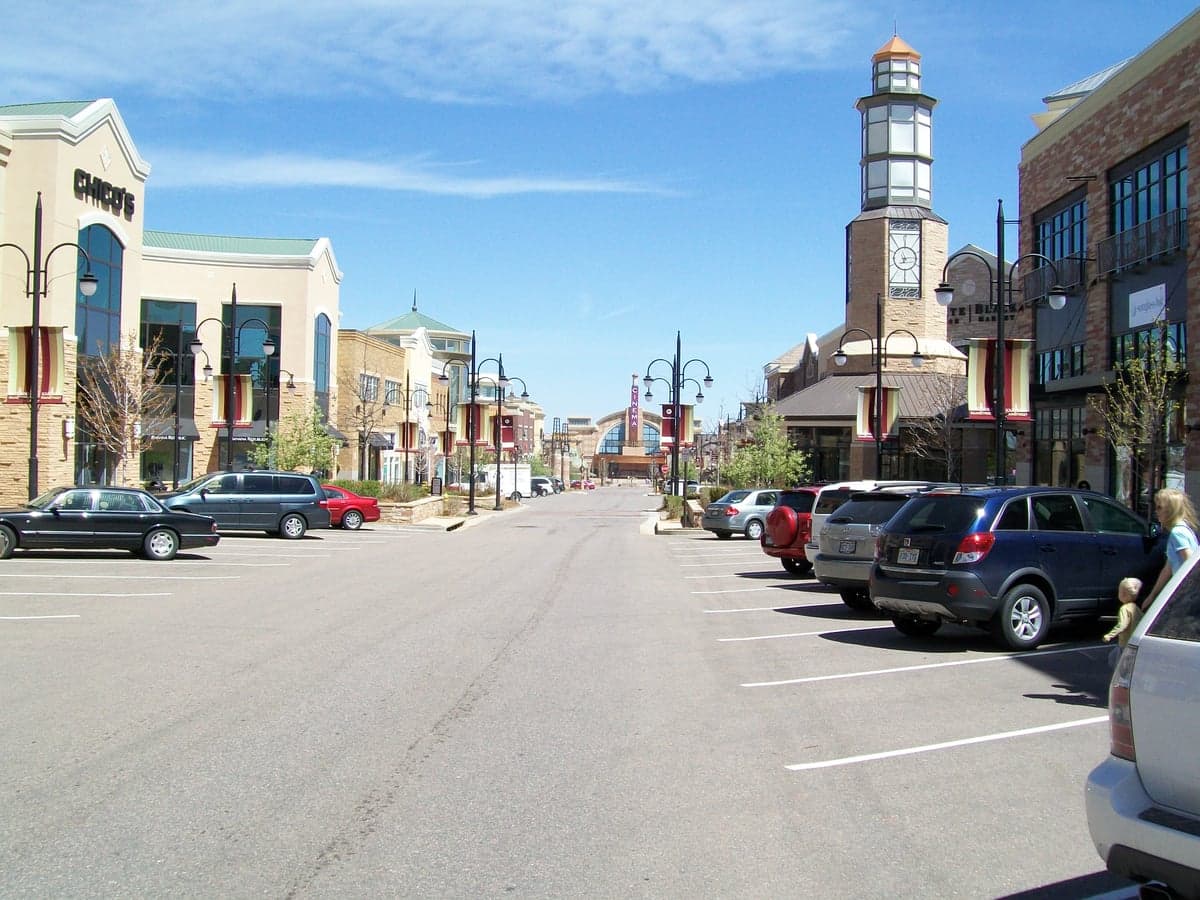
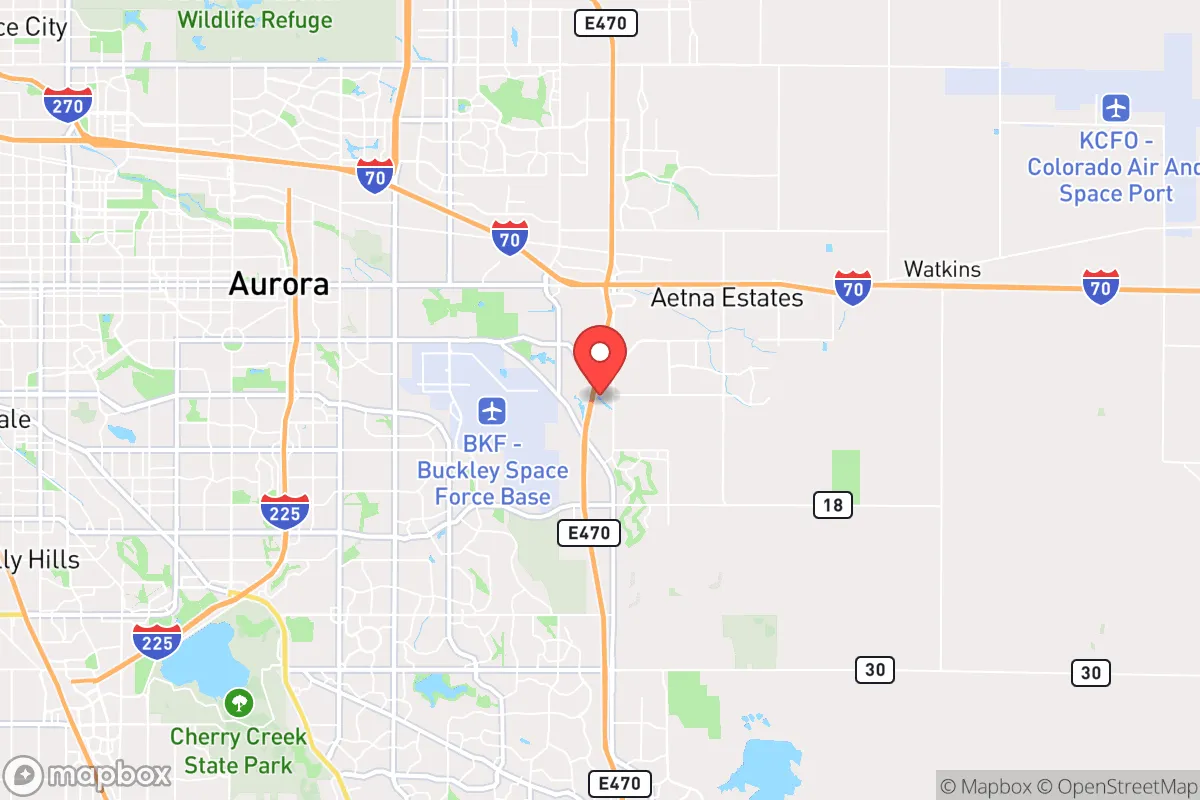
Photo: Wikipedia
Personal Sovereignty in Aurora, CO
Viable for self-reliance. Generally workable, though some barriers may limit total independence.
What does Personal Sovereignty tell us?
Personal Sovereignty measures your capacity for self-reliance and independence with minimal government friction. Higher scores mean fewer barriers between you and the way you want to live... but it assumes you have the space you need and good neighbors.
What does this tell us?
Personal Sovereignty measures your capacity for self-reliance and independence with minimal government friction. Higher scores mean fewer barriers between you and the way you want to live... but it assumes you have the space you need and good neighbors.
State Policy
Energy independence: Net exporter (110% of energy produced in-state)
Personal Liberty
Homesteading

Personal Liberty Analysis
Aurora, Colorado presents a complex sovereignty landscape for conservative-leaning individuals and parents who prioritize autonomy. While the city sits within a state that has increasingly centralized authority in Denver, Aurora itself offers a more pragmatic environment for self-reliant living than many Front Range alternatives. The key question for relocation-minded preppers and survivalists is whether the city’s practical advantages—lower housing density, diverse zoning, and a historically independent-minded population—outweigh the growing regulatory reach of Colorado’s state government. The answer depends heavily on which aspects of personal sovereignty matter most to you.
Tax burden and regulatory posture: How Colorado’s state policies affect Aurora residents
Colorado’s overall tax burden is moderate by national standards, but the trend is toward expansion. The state income tax rate is a flat 4.4% as of 2026, down slightly from previous years due to TABOR (Taxpayer’s Bill of Rights) refunds, but lawmakers in Denver have shown willingness to raise fees and impose new regulatory costs. Aurora residents face a combined state and local sales tax rate of roughly 8.3%, which is higher than rural Colorado but lower than Denver proper. Property taxes are relatively low—around 0.55% of assessed value—thanks to Gallagher Amendment legacies, though commercial properties bear a heavier load. The regulatory environment is mixed: Aurora’s city council has resisted some of the more aggressive state mandates on energy and land use, but state-level building codes and environmental regulations still apply. For a prepper, the key takeaway is that Aurora offers a lower-cost base than Boulder or Denver, but you are not escaping the long arm of state government. The city’s zoning code is more permissive than many urban areas, which matters for self-reliance projects.
Self-defense and gun law specifics: What Aurora allows versus state restrictions
Colorado’s gun laws have tightened significantly in recent years, and Aurora sits squarely under those restrictions. The state requires universal background checks for all firearm transfers, including private sales, and imposes a three-day waiting period on handgun purchases. Magazine capacity is capped at 15 rounds for handguns and 10 rounds for long guns, which directly impacts prepper stockpiles. “Red flag” laws (Extreme Risk Protection Orders) are active, allowing courts to temporarily seize firearms based on complaints from family or law enforcement—a provision many conservatives view as ripe for abuse. However, Aurora itself has not enacted additional local gun ordinances beyond state law, unlike Denver or Boulder. Open carry is legal for those 18 and older without a permit, though concealed carry requires a permit issued by the county sheriff (Arapahoe or Adams, depending on your address). The sheriff’s offices in these counties are generally pro-Second Amendment, but applicants must complete a training course. For self-defense-minded residents, the practical reality is that you can legally own and carry firearms, but the state’s regulatory framework creates friction and monitoring that a true sovereignty advocate would find concerning. Ammunition purchases are also subject to background checks and age restrictions (21 for handgun ammo).
Self-reliance and homesteading viability: Lot sizes, zoning, and off-grid feasibility
Aurora’s sprawling geography—it covers over 160 square miles—includes significant areas zoned for larger lots, particularly in the eastern and southern portions of the city. Minimum lot sizes in unincorporated Arapahoe County can be 1 acre or more, and some Aurora neighborhoods feature half-acre to full-acre parcels that allow for substantial gardening, small livestock, and even limited poultry operations. The city’s zoning code permits backyard chickens (hens only, no roosters) on lots of sufficient size, and beekeeping is allowed with registration. However, off-grid living is effectively illegal within city limits: Aurora requires connection to municipal water and sewer where available, and building codes mandate grid-tied electrical systems. Solar panels are permitted but must be interconnected with Xcel Energy. Rainwater collection is legal in Colorado but heavily regulated—you can capture runoff from your roof, but only for non-potable uses, and you must register with the state. For a serious homesteader or prepper, Aurora offers a middle ground: you can have a productive suburban homestead with gardens, fruit trees, and some animals, but you cannot disconnect from the grid or operate entirely outside municipal oversight. The eastern edge of the city, near the plains, offers the best balance of lot size and regulatory leniency.
Personal liberties: Parental rights, medical autonomy, speech, and property
Parental rights in Colorado have become a flashpoint. The state has enacted laws that limit parental notification regarding a minor’s reproductive healthcare and gender-related medical decisions, which is a major concern for conservative parents. Aurora Public Schools and Cherry Creek School District (which covers parts of Aurora) have implemented policies that some parents view as undermining their authority, including curriculum transparency issues and gender identity accommodations. On medical autonomy, Colorado has legalized recreational marijuana and maintains a robust medical cannabis program, but the state also mandates vaccination requirements for school attendance (with limited exemptions) and has shown willingness to impose public health mandates during emergencies. Free speech protections are generally strong under both the U.S. and Colorado constitutions, but Aurora has seen controversies over public comment restrictions at city council meetings. Property rights are relatively secure, though the city has used eminent domain for redevelopment projects in the past. The overall picture for personal liberties in Aurora is one of increasing state-level encroachment on areas conservatives consider fundamental—parental authority, medical choice, and property control—while local governance in Aurora tends to be more restrained than in Denver or Boulder.
Compared to other Front Range cities, Aurora offers a pragmatic balance for sovereignty-minded individuals who are not willing to move to rural Colorado or another state entirely. The city’s lower housing costs, larger lot options, and relatively permissive zoning give you room to build self-reliance infrastructure, while the state’s regulatory climate creates headwinds on guns, off-grid living, and parental rights. For a prepper or survivalist, Aurora is a compromise location: you can maintain a low-profile, self-sufficient lifestyle within a suburban framework, but you must navigate Colorado’s expanding government oversight. If absolute sovereignty is your goal, look to Wyoming or the eastern plains of Colorado. If you need proximity to employment and infrastructure but want to maximize personal autonomy within a metro area, Aurora is one of the better options in the state—just know that the state government in Denver will continue to test the limits of your independence.

* Values derived from national, state, county, city and local statistics and may differ in a specific area. Last updated: 2026-04-29T01:14:58.000Z
Narrative content on this page is AI-generated and may contain mistakes. Verify any details that matter before acting on them.
ReloMaps may earn a commission from affiliate links at no extra cost to you.

