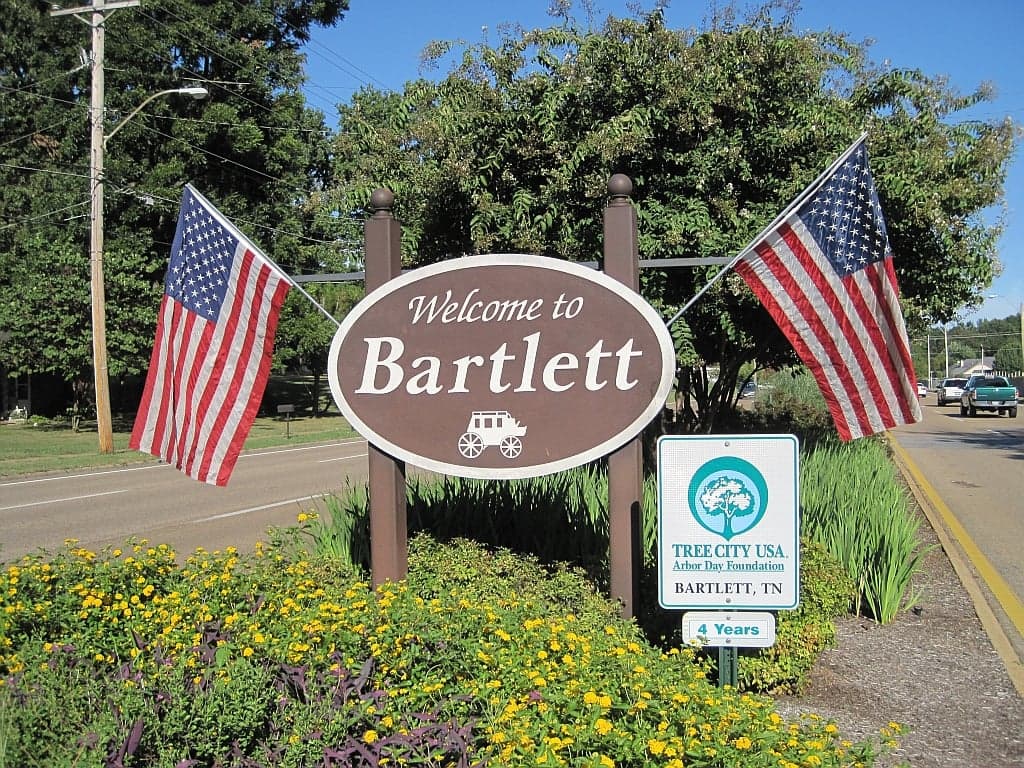
Photo: Wikipedia
Quality of Life in Bartlett, TN
A high quality of life with strong walkability, manageable living costs, healthy neighborhood signals, and solid amenity access.
What does Quality of Life tell us?
Quality of Life blends cost of living, nearby amenities, socioeconomic signals, and neighborhood character. City-level scores represent the whole municipality; individual neighborhoods can differ.
What does this tell us?
Quality of Life blends cost of living, nearby amenities, socioeconomic signals, and neighborhood character. City-level scores represent the whole municipality; individual neighborhoods can differ.
Cost of Living
26% above national average
The Real Cost of Living in Bartlett, TN for 2026
| Tier | Individual | Family (4) |
|---|---|---|
| Survival | $26k | $50k |
| Comfortable | $55k | $81k |
| Luxury | $136k+ | $211k+ |
| Elite (Top 5%) | $160k+ | $249k+ |
124%
The Area Signal
A metric tracking the socioeconomic signals of the area.
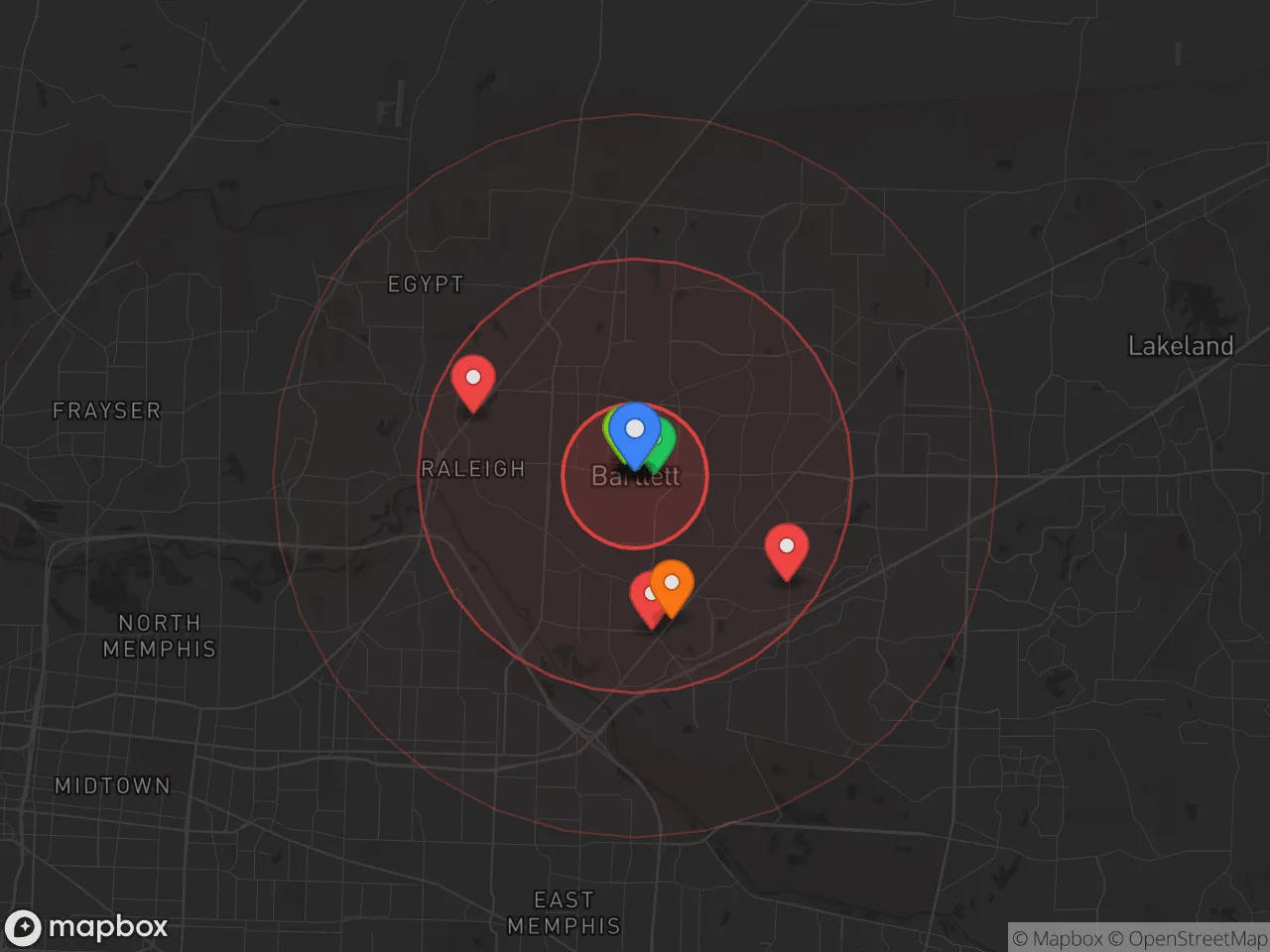
Hobbies
Explore the areaGroceries
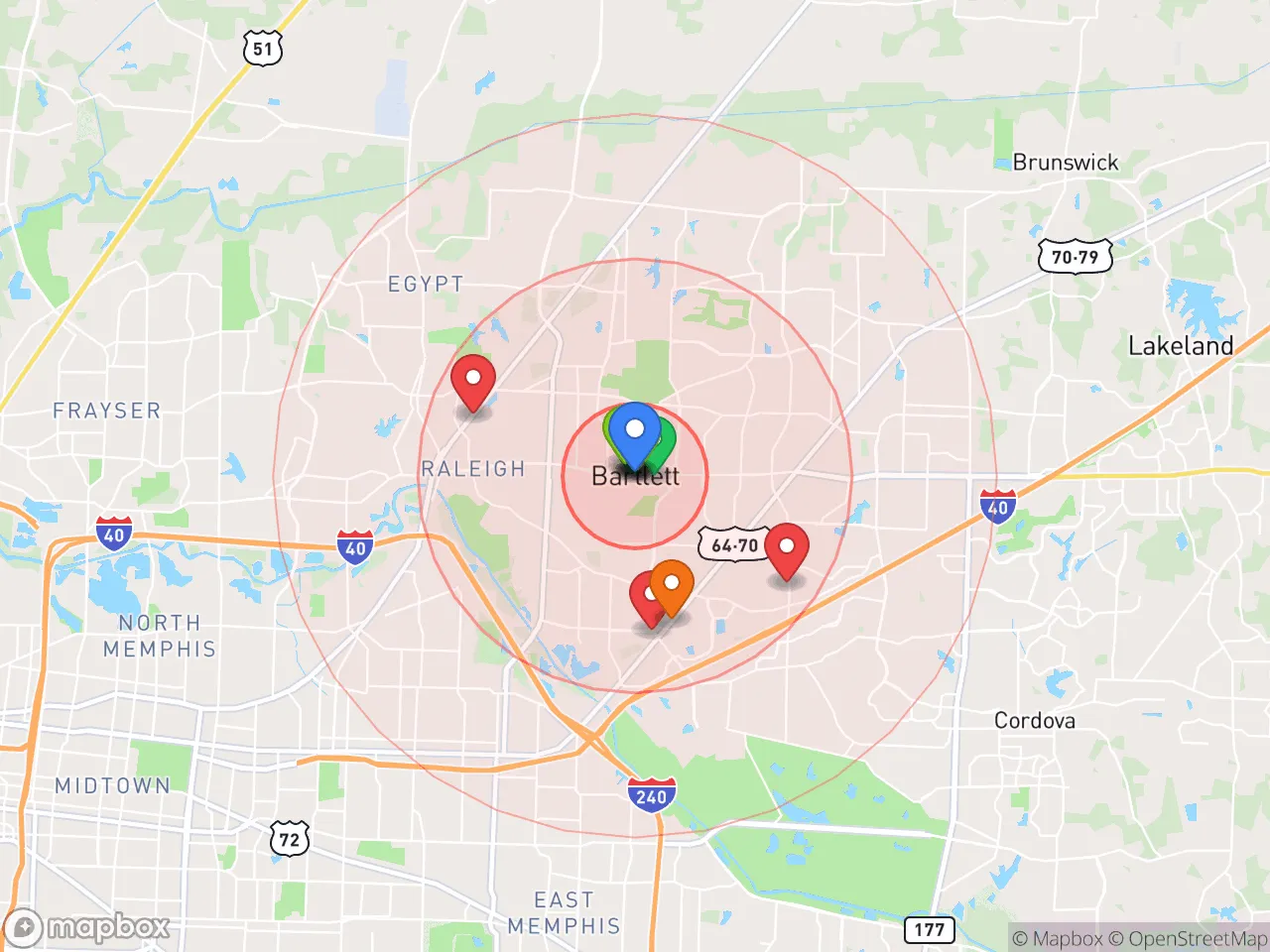
7 within 10 miles
Gas
20 within 10 miles
Hospital
20 within 20 miles
Airport
BNA — Nashville International
Post Office
USPS — Bartlett, TN
Critical Amenities
Quality-of-Life Analysis
Bartlett, Tennessee, presents a distinctly affluent quality of life within the Memphis metropolitan area, attracting a population that is predominantly upper-middle-class, family-oriented, and professionally established. With a cost of living index of 126 (26% above the national average), the city commands a premium for its suburban stability, drawing residents who prioritize low crime rates, highly rated public schools, and a slower daily pace over the urban energy of nearby Memphis. The typical resident is a homeowner in a single-family house, commuting roughly 25 minutes to work, and values the city’s reputation as a safe, well-managed enclave with a strong sense of community.
Cost of living, housing affordability, and how Bartlett compares to Memphis and Collierville
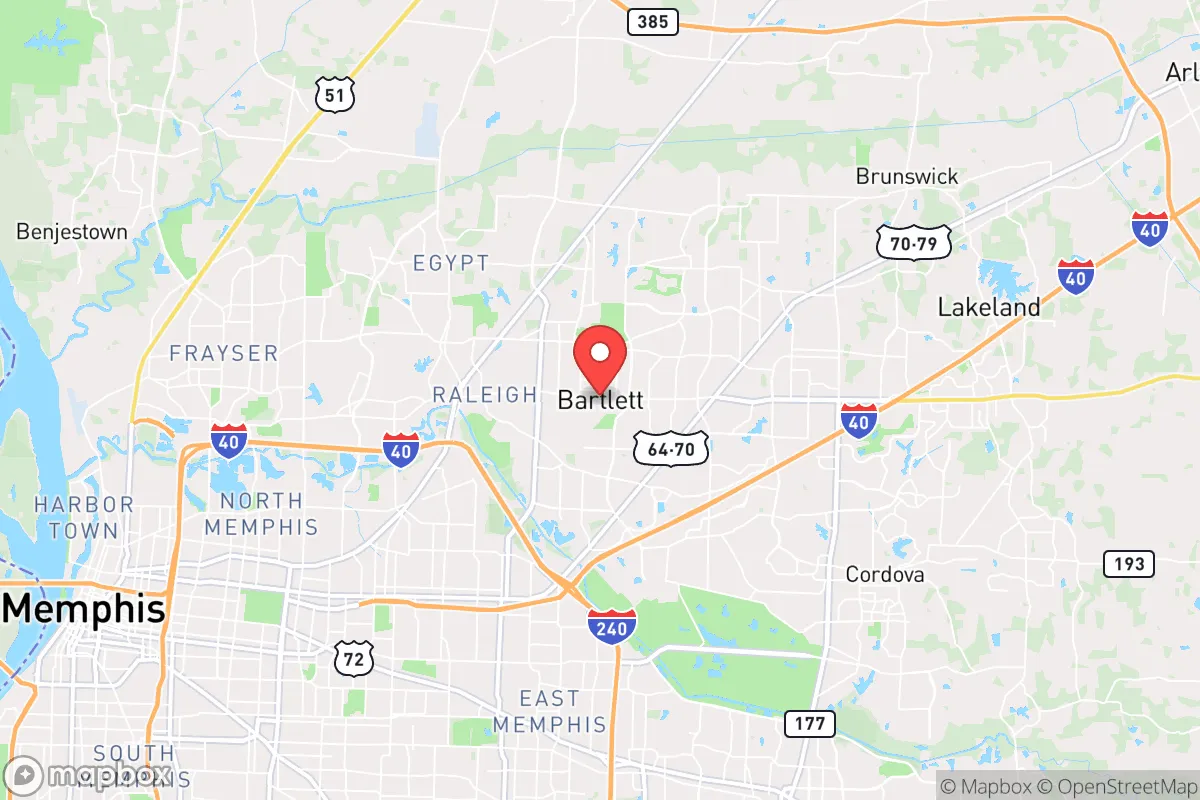
Bartlett’s cost of living is significantly higher than the national average, driven primarily by housing. The median home value sits at $283,700, which is roughly 35% higher than the Memphis metro median and about 10% lower than in neighboring Collierville, a similarly affluent suburb. Median rent is $1,658, placing it well above the national median rent of roughly $1,200 and making it one of the pricier rental markets in Shelby County. For context, a household earning the area’s median income of approximately $85,000 would spend about 28% of gross income on a mortgage at current rates, which is considered manageable but not cheap. Compared to Memphis proper, where the cost of living index is around 88, Bartlett’s premium reflects its superior public safety record and school performance. However, for buyers seeking more space, the trade-off is clear: Bartlett offers newer, larger homes on bigger lots than most central Memphis neighborhoods, but at a price that excludes many first-time buyers.
Schools, parks, and the daily rhythm of life in Bartlett
Daily life in Bartlett revolves around its highly regarded public school system, Bartlett City Schools, which consistently earns A ratings from the Tennessee Department of Education and outperforms Shelby County Schools in standardized test scores. The city’s 15 public schools, including Bartlett High School and Bon Lin Middle School, are a primary draw for families. Beyond academics, the city maintains over 20 parks, with the 200-acre Bartlett Recreation Center and the Davies Manor Historic Site providing recreational and cultural anchors. The average commute of 24.6 minutes is slightly longer than the national average of 26 minutes, but it is notably shorter than commutes from outer suburbs like Arlington or Lakeland, thanks to Bartlett’s direct access to Interstate 40 and Highway 64. Retail and dining are concentrated along Stage Road and Bartlett Boulevard, featuring national chains and local staples like the Bartlett Grill and the Whitten Road shopping corridor. The city’s rhythm is decidedly suburban: quiet weeknights, active weekend sports leagues, and a calendar of community events such as the Bartlett Spring Festival and the Fourth of July fireworks at the civic center.
Bartlett is best suited for families and mid-career professionals who value safety, school quality, and suburban amenities over urban nightlife or walkability. Retirees also find the city appealing due to its low crime rate and access to medical facilities like St. Francis Hospital-Bartlett. However, young singles, renters on a tight budget, or those seeking a vibrant downtown scene may find the cost and pace of life here less compelling. For anyone prioritizing a stable, family-first environment within commuting distance of Memphis’s job centers, Bartlett delivers a premium lifestyle that justifies its above-average cost.

Crime in Bartlett, TN
Generally safer than 74% of comparable U.S. locations.
Violent CrimeViolent Crime Analysis
Property CrimeProperty Crime Analysis
Crime Analysis
Bartlett, Tennessee, presents a mixed safety profile for prospective residents. The city’s violent crime rate of 258.5 incidents per 100,000 people is notably lower than the national average, but its property crime rate of 1,151 per 100,000 exceeds the national benchmark, signaling a heightened risk for theft and burglary. As a suburban city within the Memphis metropolitan area, Bartlett’s safety picture is heavily influenced by the broader regional crime environment and the policies of the Shelby County justice system.
Crime in context
Bartlett’s violent crime rate sits well below the U.S. average of roughly 380 per 100,000, and is significantly lower than the Memphis metro area’s elevated rate. However, the property crime rate is approximately 30% higher than the national average of about 880 per 100,000. This disparity is common in suburbs near large, high-crime metros, where property crime often spills over from the urban core. A critical factor for residents to consider is the legal environment in Shelby County. The county has elected progressive prosecutors and judges who have implemented policies such as reduced cash bail, diversion programs for repeat property offenders, and sentencing guidelines that prioritize rehabilitation over incarceration. While intended to reduce jail populations, these policies have been correlated with higher recidivism rates and a perception among residents that property crimes are not taken seriously, emboldening offenders and undermining public confidence in the justice system.
What residents experience
Daily life in Bartlett for most residents involves a low risk of violent confrontation, but a persistent concern about property crime. The most common incidents include vehicle break-ins, package theft from porches, and burglaries of unoccupied homes during work hours. The city’s police department maintains a visible presence and has a response time that is generally faster than Memphis’s, but the underlying judicial climate means that many arrested offenders are quickly released back into the community. This cycle creates a sense of frustration among victims, who often see little consequence for perpetrators. The progressive district attorney’s office has also faced criticism for declining to prosecute certain low-level thefts and drug possession cases, which directly contributes to a revolving-door effect for criminals operating in Bartlett and surrounding suburbs.
Neighborhood-level variation is significant. Gated communities and subdivisions with active homeowners’ associations and private security patrols report far fewer incidents. In contrast, areas near major thoroughfares like Highway 64 and Stage Road, as well as apartment complexes with less controlled access, experience higher concentrations of property crime. The eastern and northern parts of Bartlett, closer to the city limits and away from Memphis, generally see lower crime rates than the western edge, which borders the more troubled Raleigh neighborhood of Memphis. Prospective residents should examine crime maps for specific streets and complexes, as the difference between a quiet cul-de-sac and a high-traffic corridor can be dramatic. The overarching concern remains that the progressive criminal justice policies in Shelby County create a permissive environment that undermines the safety efforts of Bartlett’s own police force.
* Values derived from national, state, county, city and local statistics and may differ in a specific area. Last updated: 2026-09-21T19:02:21.000Z
Narrative content on this page is AI-generated and may contain mistakes. Verify any details that matter before acting on them.
ReloMaps may earn a commission from affiliate links at no extra cost to you.

