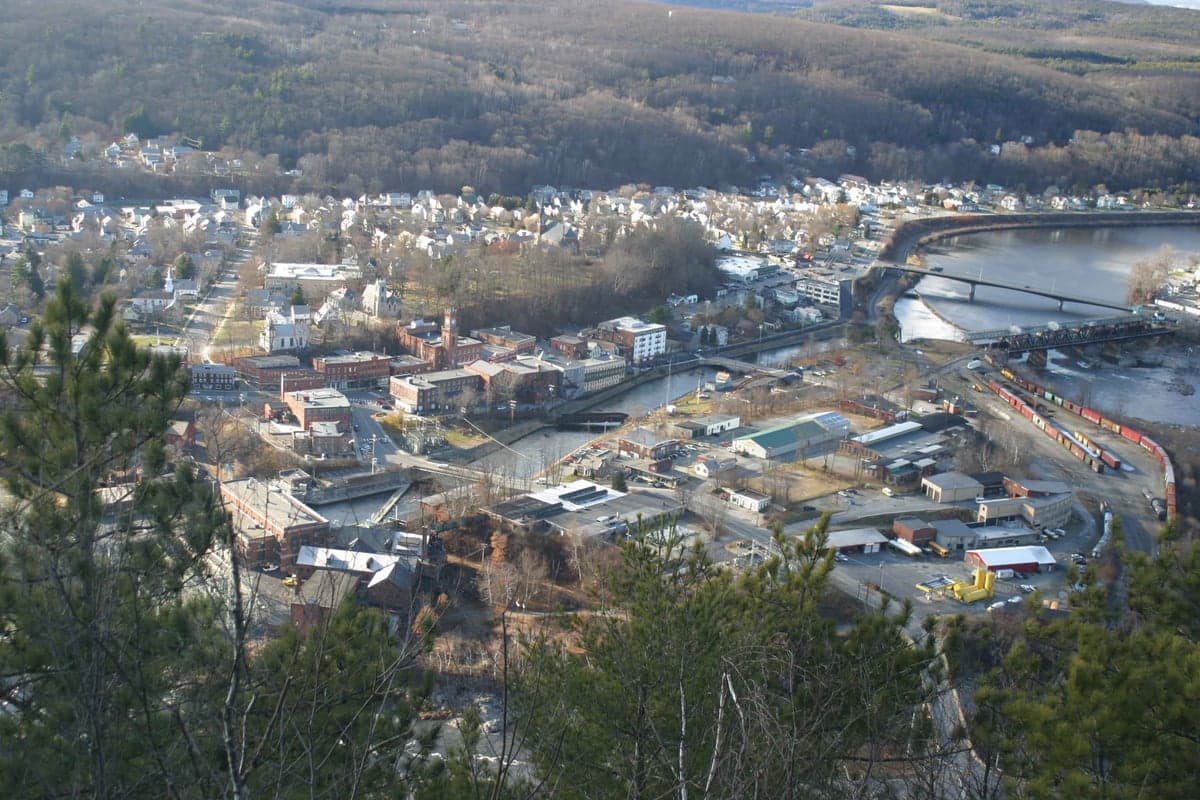
Photo: Wikipedia
Political ClimatePolitical Climate in Bellows Falls, VT
District shown is the primary district for this city’s centroid. Cities may span multiple districts.
Inherited from parent state — no local data available.
Local Political AnalysisPolitical Analysis of Bellows Falls, VT
Bellows Falls, Vermont, leans heavily Democratic, with a Cook PVI of D+17, meaning it votes about 17 points more Democratic than the national average. This isn't a new development, but the shift has accelerated noticeably in the last decade. If you've lived here as long as I have, you remember when the town had a more balanced, live-and-let-live vibe—neighbors didn't pry into your business, and local government mostly stuck to fixing roads and keeping the water clean. Now, it feels like every town meeting is about some new social initiative or environmental mandate, and the pressure to conform to progressive orthodoxy is real. The trajectory is clear: Bellows Falls is moving further left, and that's concerning for anyone who values personal freedoms and limited government.
How it compares
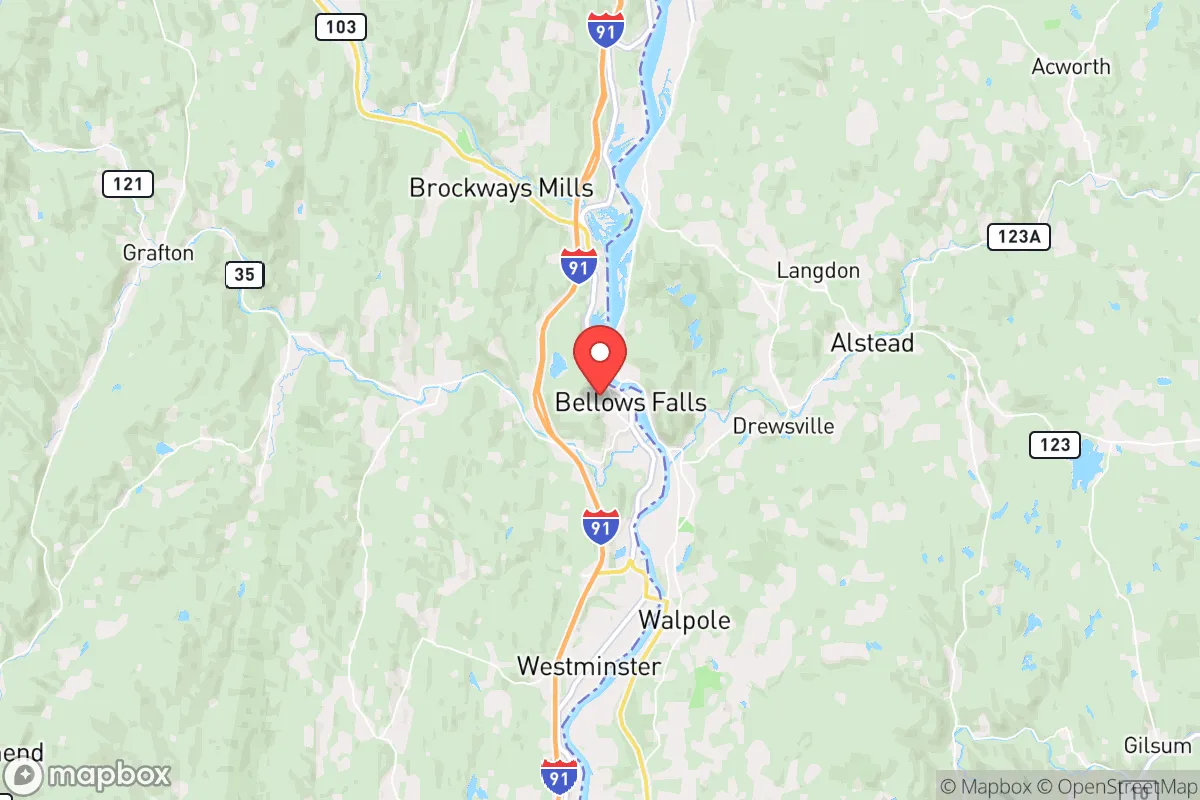
To understand Bellows Falls, you have to look at its neighbors. Just a few miles north, Rockingham is more moderate, with a mix of independents and old-school conservatives who still show up at the polls. Head west to Westminster, and you'll find a similar story—more fiscal conservatism, less enthusiasm for the latest social crusade. But drive east into Walpole, New Hampshire, and the contrast is stark. Walpole is reliably Republican, with lower taxes and a government that mostly stays out of your way. The difference isn't just political; it's cultural. In Walpole, people still wave from their trucks and don't ask for your pronouns. In Bellows Falls, you're more likely to get a lecture about your carbon footprint. The D+17 rating isn't an outlier for Windham County, but it's a reminder that this town is a progressive island in a sea of more traditional, rural Vermont values.
What this means for residents
For those of us who remember when Bellows Falls was a working-class mill town, the political shift has real consequences. Property taxes have climbed steadily to fund new social programs and school initiatives that feel more about ideology than education. The local government has become more activist, pushing ordinances on everything from plastic bags to energy efficiency—things that used to be personal choices. If you own a small business or a rental property, you've probably felt the squeeze of new regulations and permitting hurdles. The town's leadership seems more focused on making a statement than on practical problem-solving, like fixing the aging infrastructure or attracting new jobs. For residents who value personal freedom—the right to heat your home how you want, to speak your mind without fear of being canceled, to run your business without endless red tape—the trend is worrying. It's not that Bellows Falls is a bad place to live; it's that the political climate is increasingly hostile to anyone who doesn't toe the progressive line.
One thing that stands out is the cultural push. The town has embraced a kind of performative activism—rainbow crosswalks, climate emergency declarations, and a general sense that if you're not actively fighting for the latest cause, you're part of the problem. This isn't the Vermont I grew up in, where people respected your privacy and your right to disagree. The long-term outlook? Unless there's a realignment, Bellows Falls will likely continue down this path, becoming more ideologically uniform and less tolerant of dissent. For conservatives or even moderate independents, it might be worth keeping an eye on property taxes and local elections—because the changes happening here aren't just political; they're personal.

State Political ClimatePolitical Climate in Vermont
State Political AnalysisPolitical Environment in the State
Vermont has long been a deep blue state, but the reality on the ground is far more complex than the national headlines suggest. For decades, the state has been dominated by a progressive coalition in Burlington and the Chittenden County corridor, but a significant, often overlooked conservative minority holds sway in the rural Northeast Kingdom and southern counties. Over the last 10-20 years, the state has lurched sharply left on social and economic policy, driven by an influx of out-of-state transplants and a powerful activist class in Montpelier, leaving many long-time residents feeling like strangers in their own land.
Urban vs. rural divide
The political map of Vermont is a study in stark contrasts. The engine of the state's progressive machine is Chittenden County, anchored by Burlington, where the city council and mayor routinely push policies like defunding the police, rent control, and sanctuary city status. This metro area, home to the University of Vermont, drives the statewide Democratic supermajority. Drive an hour east to Newport in Orleans County, or south to Bennington, and you’ll find a different world entirely. These rural towns vote reliably Republican, often by 20-30 point margins, and are deeply skeptical of the Montpelier agenda. The divide isn't just about party—it's about culture. In St. Johnsbury, you’ll see "Don't Tread on Me" flags; in Montpelier, you’ll see "Black Lives Matter" banners on every other porch. The Northeast Kingdom (Essex, Orleans, Caledonia counties) is the last redoubt of traditional Vermont values—self-reliance, gun rights, and low taxes—but it’s losing population and political clout to the growing, liberal-leaning suburbs of Williston and South Burlington.
Policy environment
If you value personal freedom and limited government, Vermont’s policy environment will feel like a slow-motion squeeze. The state has one of the highest property tax burdens in the nation, driven by a school funding system that redistributes from rural towns to wealthier districts. Income taxes are progressive and high, with a top marginal rate of 8.75% kicking in at just over $200,000. The regulatory climate is hostile to small business—permitting for anything from a home addition to a new well can take months. On education, the state passed Act 46, which forced the consolidation of small school districts, stripping local control from towns like Hardwick and Peacham. Healthcare is dominated by the Green Mountain Care Board, which sets hospital rates and has driven up costs while limiting choices. Election laws are among the most liberal in the country: universal mail-in voting, same-day registration, and no voter ID requirement. For a conservative, this feels less like convenience and more like an invitation to fraud.
Trajectory & freedom
Vermont is becoming less free by nearly any measure, and the trend is accelerating. The most glaring example is gun rights: in 2023, the legislature passed S.4, a sweeping ban on "assault weapons" and large-capacity magazines, along with a 72-hour waiting period and a raise of the purchase age to 21. This came after a 2018 law (Act 94) that already restricted magazine capacity and banned bump stocks. For a state with a deep hunting and sporting tradition, this was a gut punch. On parental rights, the state passed Act 1 in 2024, which codified "gender-affirming care" as a protected right, effectively stripping parents of the ability to opt their children out of certain medical or school-based interventions. Medical autonomy took a hit with the state’s strict COVID-19 vaccine mandates for healthcare workers and school employees, which remain on the books. Property rights are under constant assault from Act 250, the state’s land-use law, which gives unelected boards veto power over development. The message is clear: Montpelier knows better than you do.
Civil unrest & political movements
Vermont has seen its share of political flashpoints. In the summer of 2020, Burlington was rocked by protests that turned violent, with the city council voting to cut the police budget by 30%—a move that led to a surge in property crime and a subsequent, quiet reversal. The Yellow Vests of Vermont, a grassroots conservative group, have held regular rallies at the Statehouse, drawing hundreds to protest gun bans and vaccine mandates. Immigration politics are a live wire: Burlington is a self-declared sanctuary city, and the state has a "Trust Act" that limits local law enforcement cooperation with ICE. This has led to tensions in border towns like Derby Line, where illegal crossings from Canada have increased. Election integrity remains a sore point—the state’s universal mail-in system, while popular with progressives, has no chain-of-custody safeguards, and recounts are rare. The most visible flashpoint for a new resident would be the constant, low-grade culture war over flags, lawn signs, and school board meetings, especially in towns like Middlesex or Moretown where progressive transplants clash with old-timers.
Projection
Looking five to ten years out, the trend lines are not encouraging for conservatives. The state is losing native-born residents faster than almost any other, replaced by remote workers from New York and Massachusetts who bring their politics with them. The Northeast Kingdom will continue to hollow out, while Chittenden County and the Upper Valley (around Hanover) will grow and deepen their progressive dominance. The legislature is likely to pass a carbon tax, further gun restrictions, and a public option for healthcare that will drive up costs. The one wild card is the state’s fiscal crisis—pension liabilities and a shrinking tax base could force a reckoning. But don’t hold your breath. Anyone moving in now should expect a state that is more regulated, more expensive, and more culturally alien to traditional values than it is today.
For a conservative individual or family considering a move, Vermont offers breathtaking natural beauty and a slower pace of life, but the political and policy environment is actively hostile to your values. You will pay high taxes for schools that teach your kids things you disagree with, you will face restrictions on your Second Amendment rights, and you will be governed by a legislature that sees your skepticism as a problem to be solved. If you’re looking for a place where your voice still matters and your freedoms are respected, you’d be better off looking at New Hampshire or even northern Maine. Vermont is a beautiful place to visit, but it’s a hard place to live if you value liberty.
* Values derived from national, state, county, city and local statistics and may differ in a specific area. Last updated: 2026-04-30T02:21:45.000Z
Narrative content on this page is AI-generated and may contain mistakes. Verify any details that matter before acting on them.
ReloMaps may earn a commission from affiliate links at no extra cost to you.

