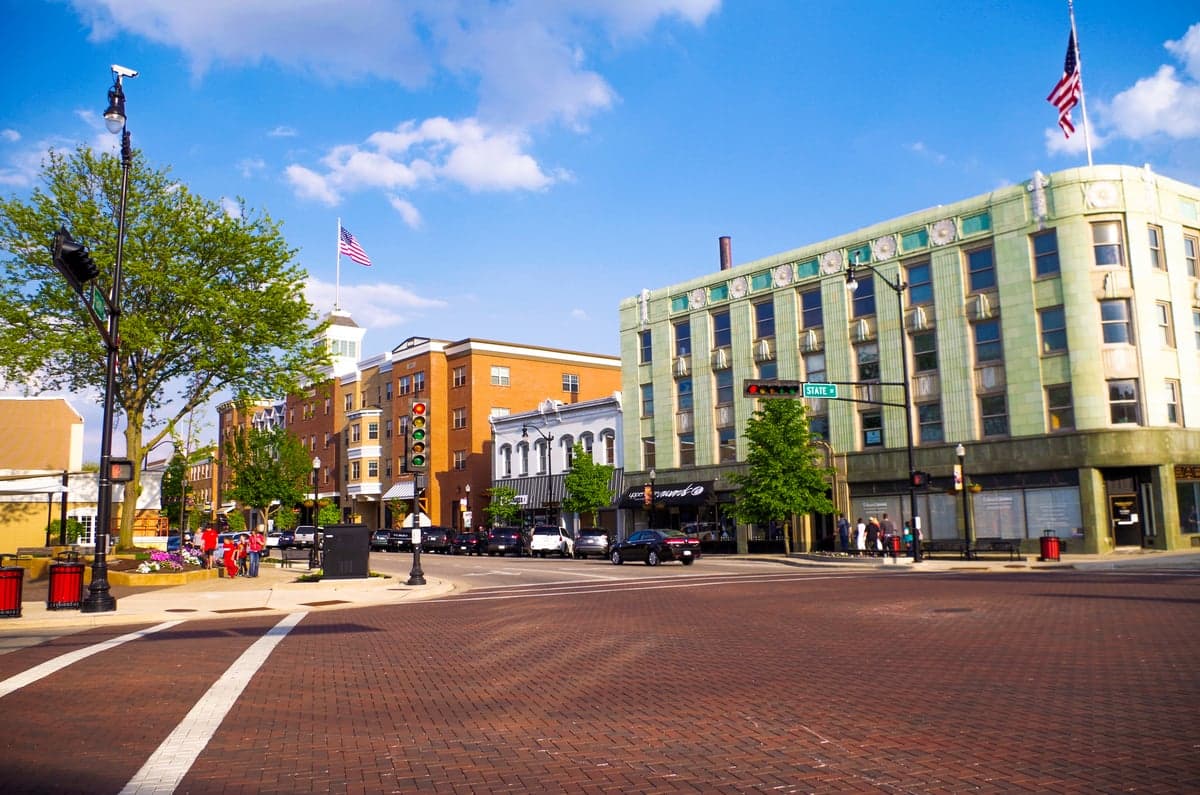
Photo: Wikipedia
Quality of Life in Beloit, WI
A high quality of life with strong walkability, manageable living costs, healthy neighborhood signals, and solid amenity access.
What does Quality of Life tell us?
Quality of Life blends cost of living, nearby amenities, socioeconomic signals, and neighborhood character. City-level scores represent the whole municipality; individual neighborhoods can differ.
What does this tell us?
Quality of Life blends cost of living, nearby amenities, socioeconomic signals, and neighborhood character. City-level scores represent the whole municipality; individual neighborhoods can differ.
Cost of Living
30% below national average
The Real Cost of Living in Beloit, WI for 2026
| Tier | Individual | Family (4) |
|---|---|---|
| Survival | $16k | $30k |
| Comfortable | $26k | $39k |
| Luxury | $97k+ | $151k+ |
| Elite (Top 5%) | $114k+ | $177k+ |
156%
The Area Signal
A metric tracking the socioeconomic signals of the area.
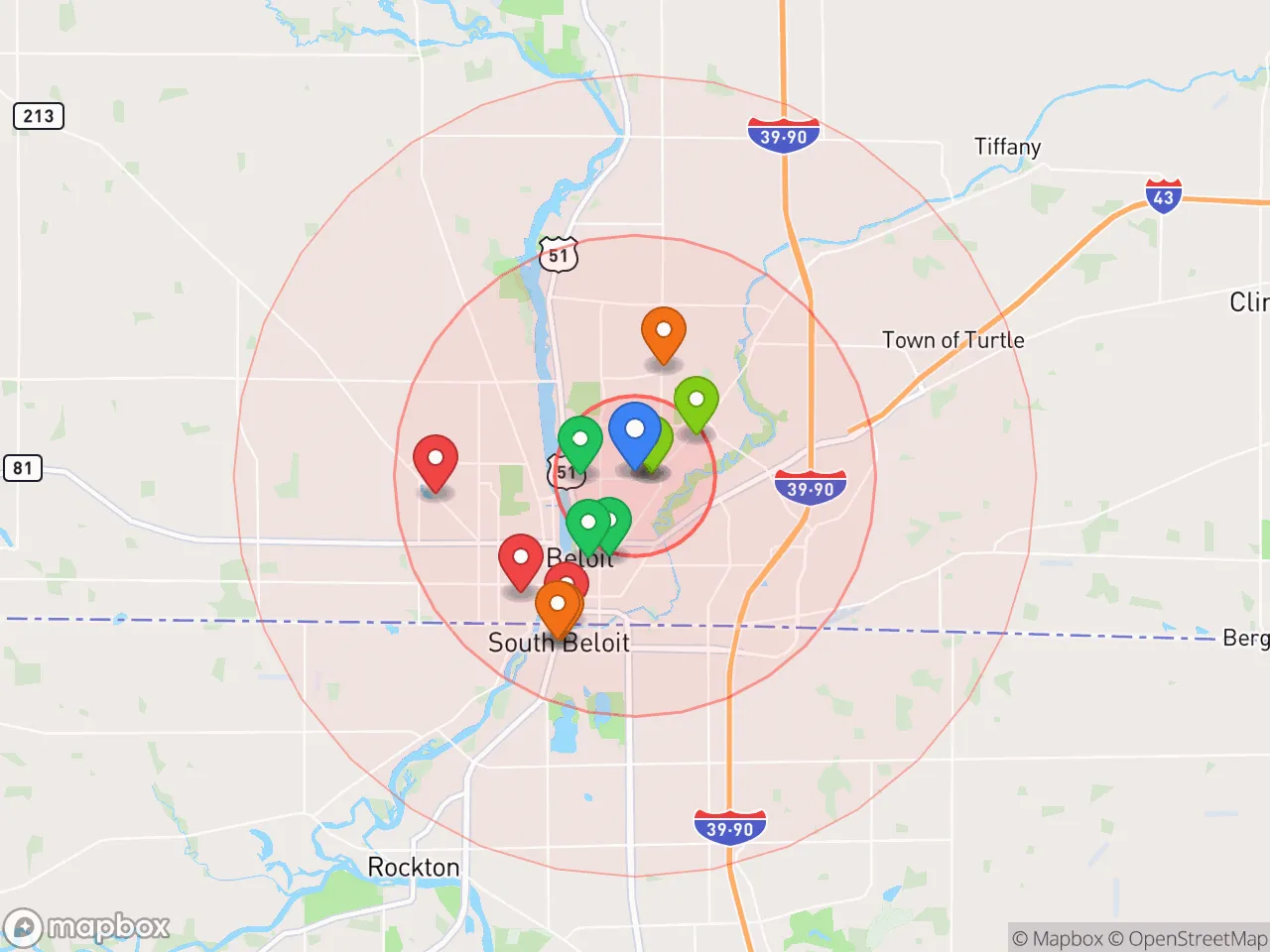
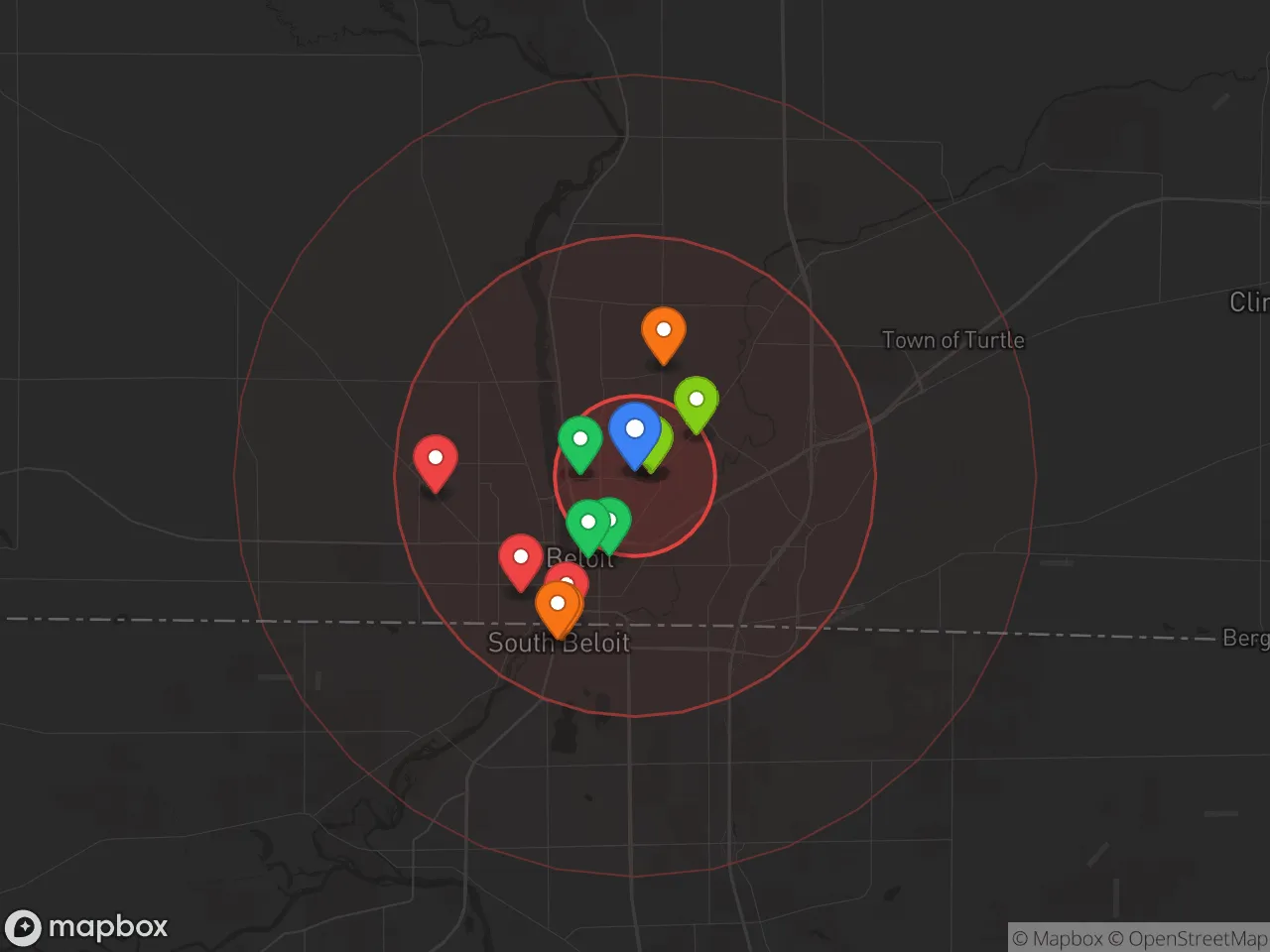
Hobbies
Explore the areaGroceries
4 within 10 miles
Gas
20 within 10 miles
Hospital
15 within 20 miles
Airport
ORD — O'Hare International
Post Office
USPS — Beloit, WI
Critical Amenities
Quality-of-Life Analysis
Beloit, Wisconsin, offers a notably affordable quality of life, with a cost of living index of 70—30% below the national average—making it one of the more budget-friendly communities in southern Wisconsin. The city attracts a mix of working families, retirees on fixed incomes, and young professionals drawn to Rock County’s manufacturing and logistics job base, as well as first-time homebuyers priced out of nearby Janesville or Madison. While Beloit is not an affluent area by regional standards, its low housing costs and stable employment in sectors like automotive parts and food processing create a practical, grounded lifestyle for residents who prioritize financial breathing room over urban amenities.
Cost of living, housing affordability, and how Beloit compares to Janesville and Madison
Beloit’s housing market is a primary driver of its low cost of living. The median home value sits at $133,500, roughly half the Wisconsin state median of around $260,000, while median rent is $989 per month—well below the national median of $1,200. This affordability gap is stark compared to Madison, where the median home value exceeds $400,000, and even Janesville, where values average near $200,000. The average commute in Beloit is 22.98 minutes, slightly shorter than the national average of 26 minutes, reflecting the city’s compact layout and the prevalence of local employers such as Beloit Health System, Kerry Group, and the Beloit Corporation industrial park. For renters and buyers alike, the combination of low entry prices and manageable commutes makes Beloit a practical alternative for those working in Rock County or commuting to northern Illinois, though property taxes in Wisconsin (averaging about 1.6% of home value) should be factored into long-term budgets.
Local amenities, schools, and what daily life feels like in Beloit
Daily life in Beloit centers on a mix of small-city conveniences and outdoor recreation along the Rock River. The Beloit School District serves roughly 5,500 students, with Beloit Memorial High School offering Advanced Placement and technical education tracks, though the district’s overall rating on GreatSchools is 4 out of 10, leading some families to consider private or charter options like the Beloit Learning Academy. For leisure, the city maintains over 20 parks, including the 50-acre Riverside Park with riverfront trails and the Beloit Aquatic Center, while the Beloit International Film Festival and the downtown farmers market provide seasonal cultural touchpoints. Retail and dining are concentrated along Milwaukee Road and the Gateway Business Park, with national chains like Walmart and Target supplemented by local staples such as the Velvet Buffalo coffee shop and Merrill & Houston’s steakhouse. Healthcare access is solid, anchored by Beloit Health System’s hospital and multiple clinics, though specialized care often requires a 20-minute drive to Janesville or a 45-minute trip to Madison. The overall rhythm is unhurried and family-oriented, with a lower crime rate than similarly sized cities in the region—violent crime is about 30% below the national average, according to 2023 FBI data.
Beloit is best suited for budget-conscious individuals and families who value low housing costs and short commutes over high-end dining or nightlife. First-time homebuyers, remote workers seeking a lower-cost base within striking distance of Madison or Chicago (about 90 minutes by car), and retirees on fixed incomes will find the affordability compelling. Those seeking top-tier public schools or a vibrant urban scene may find Beloit limiting, but for residents who prioritize financial stability and a quiet, riverfront lifestyle, the city delivers a solid return on investment.

Crime in Beloit, WI
Crime rates similar to the national median for U.S. locations.
Violent CrimeViolent Crime Analysis
Property CrimeProperty Crime Analysis
Crime Analysis
Beloit, Wisconsin, reports a violent crime rate of 426.1 incidents per 100,000 residents and a property crime rate of 1,879.2 per 100,000, placing it among the higher-risk communities in the state. These figures reflect a city that faces significant public safety challenges, particularly when viewed through the lens of its location within a large metropolitan area influenced by progressive judicial policies. Residents and prospective movers should weigh these statistics carefully against local enforcement efforts and neighborhood-level conditions.
Crime in context
Beloit’s violent crime rate of 426.1 per 100,000 is nearly double the national average of roughly 380 per 100,000 and significantly exceeds the Wisconsin state average of approximately 290 per 100,000. Property crime, at 1,879.2 per 100,000, also runs well above the national benchmark of about 1,950 per 100,000, though it is closer to the state average. As part of the broader Rock County and Janesville-Beloit metro area, the city is subject to the legal and prosecutorial environment of a region where liberal and progressive district attorneys and judges have been known to prioritize diversion programs and reduced sentencing over incarceration. This ideological approach, while intended to reduce recidivism, often results in more offenders remaining on the street, undermining deterrence and leaving victims with a perception of inadequate justice. The elevated crime rates here are consistent with patterns seen in other small cities near large progressive metro areas where similar policies prevail.
What residents experience
For daily life in Beloit, the high property crime rate means residents frequently contend with theft, burglary, and vehicle break-ins, particularly in areas near the downtown corridor and along major thoroughfares like Riverside Drive. Violent crime, while less common, includes aggravated assault and robbery, with incidents concentrated in specific blocks rather than spread uniformly. Neighborhoods west of I-90/39, such as the Town of Beloit and areas near the Beloit College campus, generally report lower crime rates than the central and east-side districts. The city’s police department has implemented community policing initiatives, but the broader judicial climate—marked by lenient bail policies and plea deals for repeat offenders—can erode trust in the system. Residents often report feeling that property crimes are not aggressively prosecuted, leading to a sense of impunity among offenders.
Neighborhood-level variation is notable: the south side near the Rock River and the industrial zones along Highway 51 see higher incident densities, while the newer subdivisions on the far west side near the Stateline Industrial Park experience fewer crimes. Prospective residents should consult block-level crime maps and consider that progressive judicial policies in Rock County may blunt the deterrent effect of arrests, making proactive home security and neighborhood watch participation essential. Overall, Beloit demands a cautious approach from those prioritizing safety, with a clear preference for neighborhoods that benefit from stronger community cohesion and more responsive policing.
* Values derived from national, state, county, city and local statistics and may differ in a specific area. Last updated: 2026-05-03T20:39:25.000Z
Narrative content on this page is AI-generated and may contain mistakes. Verify any details that matter before acting on them.
ReloMaps may earn a commission from affiliate links at no extra cost to you.

