 Popular
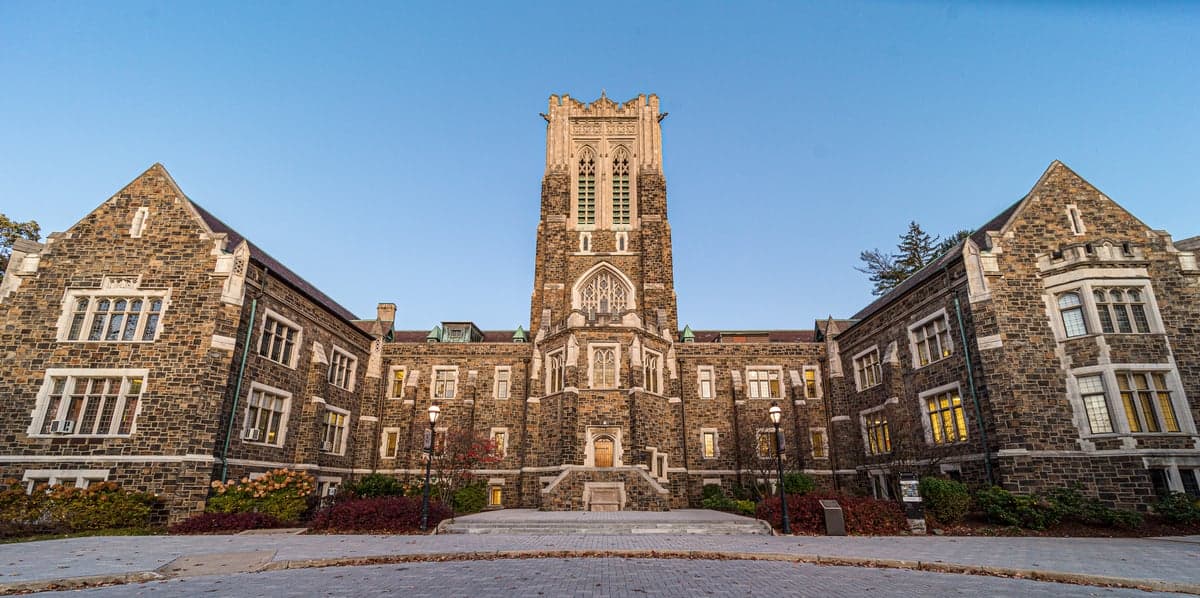
Photo: Wikipedia
Personal Sovereignty in Bethlehem, PA
Strong independent fundamentals that actively favor personal liberty and low regulation.
What does Personal Sovereignty tell us?
Personal Sovereignty measures your capacity for self-reliance and independence with minimal government friction. Higher scores mean fewer barriers between you and the way you want to live... but it assumes you have the space you need and good neighbors.
What does this tell us?
Personal Sovereignty measures your capacity for self-reliance and independence with minimal government friction. Higher scores mean fewer barriers between you and the way you want to live... but it assumes you have the space you need and good neighbors.
State Policy
Energy independence: Net exporter (150% of energy produced in-state)
Personal Liberty
Homesteading

Personal Liberty Analysis
Bethlehem, Pennsylvania, presents a mixed picture for those prioritizing personal sovereignty, where the city’s historical industrial roots clash with modern progressive governance. While the Lehigh Valley offers a relatively affordable cost of living compared to the Northeast corridor, residents face a growing web of state and local regulations that chip away at individual autonomy. For the survivalist or prepper, Bethlehem is a place where you can carve out a degree of self-reliance, but only if you’re willing to navigate a system that increasingly favors collective mandates over personal freedom. The key is understanding where the cracks in the system are—and where the walls are highest.
Tax burden and regulatory posture: How much of your income stays yours
Pennsylvania’s flat state income tax of 3.07% is a relative bright spot, but Bethlehem’s local tax structure quickly eats into that advantage. The city imposes a combined earned income tax of roughly 1% for residents, plus a local services tax of $52 per year for those employed in the city. Property taxes are the real bite: Northampton County, Bethlehem Area School District, and the city itself combine for an effective property tax rate of about 2.5% of assessed value, which on a median home value of $220,000 means over $5,500 annually. For a prepper trying to keep more of what they earn, that’s a significant drain. The regulatory posture is similarly burdensome. Bethlehem has adopted the International Property Maintenance Code with local amendments, meaning strict rules on what you can store on your property—no piles of lumber, no visible scrap metal, no unregistered vehicles. The city’s zoning code is dense, with overlay districts that restrict home-based businesses and limit modifications to historic properties. If you’re looking to run a small-scale repair or fabrication operation from your garage, you’ll likely need a conditional use permit and face neighbor notification requirements. The state’s Uniform Construction Code adds another layer, requiring permits for even minor structural changes. This isn’t a jurisdiction where you can quietly improve your property without paperwork.
Self-defense and gun law specifics: What you can carry and where
Pennsylvania is a shall-issue state for concealed carry, meaning if you’re not a prohibited person, the county sheriff must issue a license. Lehigh and Northampton counties both process applications efficiently, typically within 45 days. Open carry is legal without a permit, but Bethlehem’s city ordinances create a patchwork of restrictions. Carrying in city parks is technically allowed, but the city has posted signs at some municipal buildings and recreation centers that carry the force of law if you’re asked to leave and refuse. The state preempts local firearm ordinances, so Bethlehem cannot ban guns outright, but it can regulate them on city-owned property. For the prepper, the bigger concern is the state’s background check system: Pennsylvania requires a Pennsylvania Instant Check System (PICS) approval for every firearm transfer from a dealer, including long guns. Private sales between individuals are legal without a background check, but only for long guns—handgun private sales must go through a dealer with a PICS check. This creates a paperwork trail that some sovereignty-minded individuals find intrusive. Magazine capacity is not restricted by state law, and there is no assault weapons ban, though some municipalities have attempted their own—Bethlehem has not. Stand-your-ground laws apply in Pennsylvania, with no duty to retreat in any place you have a legal right to be. Castle doctrine is also codified, giving you the legal presumption that force was necessary if someone unlawfully enters your occupied home or vehicle. For daily carry, the biggest practical hurdle is the state’s preemption of local laws—Bethlehem police are generally firearm-friendly, but you’ll want to avoid the city’s courthouse and federal buildings, which are off-limits.
Self-reliance and homesteading viability: Lot sizes, zoning, and off-grid feasibility
Within Bethlehem’s city limits, true homesteading is nearly impossible. The minimum lot size in most residential zones is 5,000 to 6,000 square feet, with many older homes on lots of 3,000 to 4,000 square feet. Zoning prohibits keeping livestock—no chickens, goats, or bees—in any residential district. Even a large vegetable garden is allowed, but the city’s nuisance ordinances can be used against compost piles or rainwater collection systems that create standing water. Off-grid living is effectively illegal: the city requires connection to municipal water and sewer where available, and solar panels must be grid-tied with a permit. Rainwater collection for outdoor use is allowed, but indoor use for potable water is prohibited by state plumbing codes. For the prepper, the practical workaround is to buy land outside the city. Within a 15-minute drive, you can find 1- to 5-acre parcels in Bethlehem Township, Lower Saucon Township, or Hellertown, where zoning allows chickens, small-scale farming, and even a single horse on 2+ acres. These townships have less restrictive building codes, and some allow composting toilets and alternative energy systems with proper permits. The trade-off is that you’ll be commuting into Bethlehem for work or supplies, and you’ll still be subject to Northampton County’s property taxes, which are among the highest in the state. For a serious self-reliance setup, the Lehigh Valley’s rural fringe is viable, but the city core is not.
Personal liberties: Parental rights, medical autonomy, speech, and property
Pennsylvania has a mixed record on parental rights. The state’s compulsory attendance law requires children to be in school from age 6 to 18, but homeschooling is legal with a notarized affidavit and annual evaluation. The requirements are relatively light compared to New York or New Jersey: you need to submit a simple form to the local school district and provide a portfolio review or standardized test results each year. Medical autonomy is more constrained. Pennsylvania has a strict vaccine mandate for school attendance, with only medical exemptions allowed—no religious or philosophical exemptions. This is a major red flag for parents who want to control their children’s medical decisions. For adults, the state has legalized medical marijuana but not recreational, and the program is tightly controlled with a limited list of qualifying conditions. Speech and assembly are protected under the First Amendment, but Bethlehem has enacted time, place, and manner restrictions on protests, requiring permits for gatherings of more than 50 people in public parks. Property rights are the weakest link. The city has an active code enforcement division that responds to complaints about tall grass, unkempt yards, and exterior storage. The city’s rental inspection program requires landlords to register units and pass periodic inspections, which indirectly affects tenants’ ability to modify their living spaces. Eminent domain is a real concern: the Bethlehem Redevelopment Authority has used it for commercial projects, including the SteelStacks campus redevelopment, and property owners have limited recourse beyond fair market value compensation.
Overall, Bethlehem offers a moderate level of personal sovereignty compared to deep-blue cities like Philadelphia or New York, but it falls short of the freedom found in rural Pennsylvania counties like Potter or Tioga. The tax burden is heavy, the regulatory environment is intrusive, and off-grid living is not feasible within city limits. For the survivalist or prepper, the best strategy is to live in the surrounding townships while working in Bethlehem, leveraging the state’s relatively gun-friendly laws and homeschooling options while avoiding the city’s code enforcement and property tax bite. If you’re willing to trade some convenience for autonomy, the Lehigh Valley can work—but only if you’re strategic about where you put down roots. The cracks in the system are there, but you have to know where to look.

* Values derived from national, state, county, city and local statistics and may differ in a specific area. Last updated: 2026-05-01T20:55:24.000Z
Narrative content on this page is AI-generated and may contain mistakes. Verify any details that matter before acting on them.
ReloMaps may earn a commission from affiliate links at no extra cost to you.

