 Popular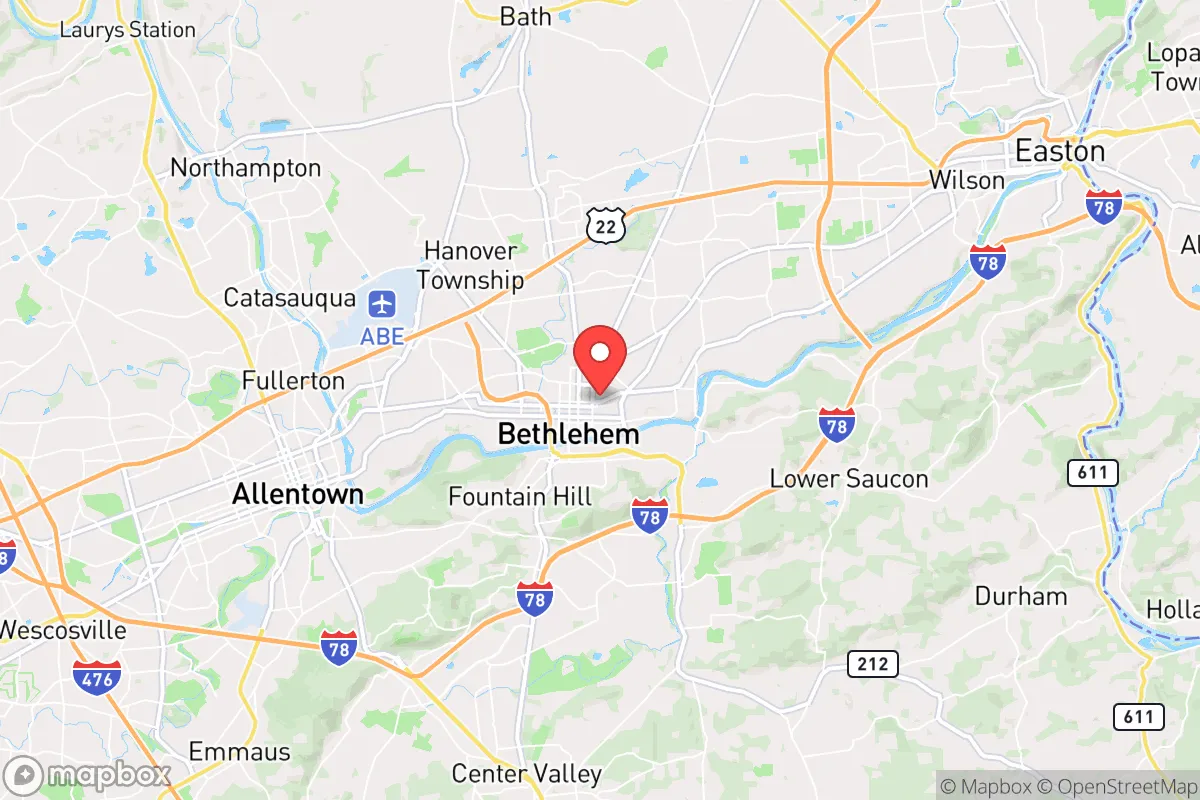
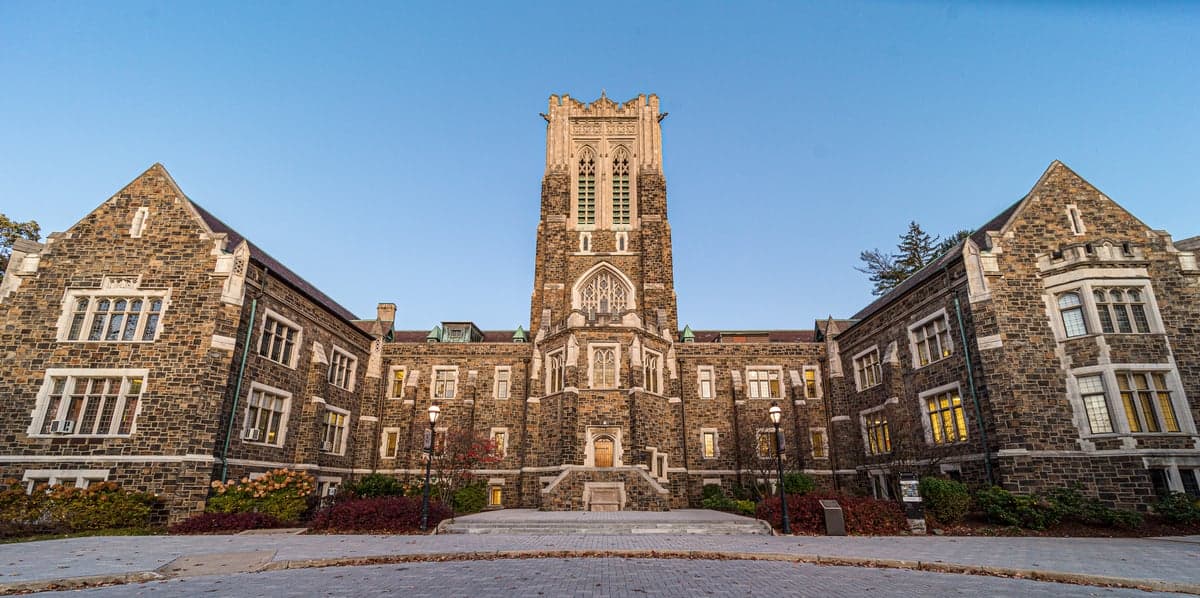
Photo: Wikipedia
Political ClimatePolitical Climate in Bethlehem, PA
District shown is the primary district for this city’s centroid. Cities may span multiple districts.
Local Political AnalysisPolitical Analysis of Bethlehem, PA
Bethlehem, Pennsylvania, sits in a political tug-of-war that’s gotten a lot more tense over the last decade. The Cook PVI rating of R+1 tells you the district is basically a coin flip, but if you’ve lived here as long as I have, you know the real story is that the city itself has been drifting left while the surrounding suburbs and rural areas hold the line. Northampton County as a whole went for Biden in 2020 by a hair, but Trump won it in 2016 and 2024—so the pendulum is still swinging. The concern for folks who value personal freedoms is that Bethlehem’s city council and school board have been pushing progressive policies that feel like they’re creeping into your backyard, from zoning changes that favor dense development to mask and vaccine mandates that went further than state law required.
How it compares
Drive ten minutes west to Allentown, and you’ll find a similar story—blue-leaning city politics with a more conservative Lehigh County surrounding it. But head east to Easton, and you get a slightly more moderate vibe, though it’s still part of the same regional shift. The real contrast is when you go south into Bucks County or north into the Slate Belt. Places like Hellertown, Nazareth, and Bangor are reliably red, and their residents look at Bethlehem like it’s becoming a mini-Philadelphia. In the 2024 election, Bethlehem’s precincts near Lehigh University and the South Side voted heavily Democratic, while the West Side and outlying neighborhoods like Hanover Township leaned Republican. That split means your vote really matters here, but it also means you’re constantly fighting against city-level decisions that feel disconnected from what most families actually want—like higher property taxes to fund programs that don’t seem to improve schools or public safety.
What this means for residents
If you’re someone who values limited government and the right to make your own choices—whether it’s about your kids’ education, your business, or your healthcare—Bethlehem’s political climate is a mixed bag. On the plus side, the R+1 district means your vote for Congress and state legislature actually counts, and you’ve got a real shot at electing representatives who’ll push back on overreach. But locally, the city council has been leaning into progressive pet projects: they’ve debated rent control measures, expanded the city’s anti-discrimination ordinances in ways that some small business owners find burdensome, and kept a tight grip on development permits that make it harder to build single-family homes. The school board has also been a battleground, with fights over curriculum transparency and parental rights that have gotten ugly. For a long-time resident, it feels like the city is trying to outrun its own history—Bethlehem was always a working-class, union town with a strong sense of community, not a laboratory for social experiments.
One cultural distinction that’s worth noting: Bethlehem still has a strong tradition of local festivals and community events, like Musikfest and Christkindlmarkt, that bring everyone together regardless of politics. But the policy direction is worrying. The push for “equity” initiatives in city hiring and contracting, along with a vocal activist presence on the South Side, suggests that the next few years could see more regulations on everything from short-term rentals to energy efficiency standards. If you’re considering a move here, keep an eye on the 2025 city council elections—that’s your best shot at slowing down the progressive momentum before it becomes permanent. For now, Bethlehem is a place where you can still find your people, but you’ll have to work to keep the government out of your life.

State Political ClimatePolitical Climate in Pennsylvania
State Political AnalysisPolitical Environment in the State
Pennsylvania is a classic purple state, but the purple is fading into a deeper blue in the urban cores while the rural red gets redder. Over the last 20 years, the state has shifted from a reliable presidential battleground that went for Obama twice to a state that Biden barely won in 2020 by about 80,000 votes, and where the margins in Philadelphia and its suburbs now decide every statewide race. The dominant coalition is a Democratic stronghold in the southeast (Philly, its collar counties, and the Lehigh Valley) combined with Pittsburgh and a handful of mid-sized cities, while the vast rural expanse from the northern tier down through the central ridges and into the southwest remains deeply Republican. The trajectory is a slow, grinding leftward drift driven by population loss in red areas and growth in blue metros, but the state still has enough conservative firepower to keep things competitive at the legislative level.
Urban vs. rural divide
The political map of Pennsylvania is a tale of two states. Philadelphia alone delivers about 600,000 Democratic votes in a close election, and its suburbs—Bucks, Montgomery, Chester, and Delaware counties—have flipped from Republican-leaning to solidly Democratic over the past decade. Pittsburgh and its immediate suburbs in Allegheny County are another blue anchor, though the surrounding counties like Washington, Westmoreland, and Butler are deeply red. The Lehigh Valley (Allentown, Bethlehem, Easton) has become a Democratic stronghold thanks to Hispanic population growth and suburbanization. Meanwhile, the rural northern tier (counties like Tioga, Bradford, Susquehanna) and the central spine (Centre, Clinton, Lycoming) vote 65-70% Republican. The Lancaster area is a fascinating microcosm: the city itself is blue, but the surrounding Amish and Mennonite country votes heavily red. The Scranton/Wilkes-Barre region in Lackawanna and Luzerne counties is the classic bellwether—it went for Trump twice after backing Obama, and it's where both parties spend the most money. The Erie and Beaver counties are the other key swing areas, both trending redder as union households break for Republicans on cultural issues.
Policy environment
Pennsylvania's policy environment is a mixed bag for conservatives. The state has a flat income tax rate of 3.07%, which is relatively low and hasn't been raised in years—a rare bright spot. Property taxes are high, averaging about 1.5% of home value, and there's no statewide cap on how fast they can rise. The state's regulatory posture is moderate; it's not Texas or Florida, but it's not California either. The education policy landscape is contentious: the state has a massive funding disparity between wealthy suburban districts and poor rural ones, and the courts recently ordered a major funding overhaul that could lead to tax increases. School choice is limited—there's a small tax credit scholarship program for low-income students, but no universal voucher system. Election laws are a sore point: no-excuse mail-in voting was expanded in 2019 under Act 77, and while it's popular with suburban voters, it's deeply mistrusted by rural conservatives. The state has no voter ID requirement for in-person voting (though first-time voters must show ID), and the voter rolls are notoriously bloated. Healthcare is dominated by large systems like UPMC and Penn Medicine, which have near-monopoly power and drive up costs. The state expanded Medicaid under the ACA, and there's no movement to roll it back.
Trajectory & freedom
On personal liberty, Pennsylvania is a mixed picture trending in the wrong direction. Gun rights are relatively strong: the state has preemption laws that prevent local governments from enacting their own gun control, and it's a "shall issue" state for concealed carry. However, in 2023, the Democratic governor signed a bill expanding background checks for long guns purchased at gun shows—a clear infringement that conservatives fought hard against. Parental rights have become a flashpoint: the state's Department of Education under Governor Josh Shapiro has pushed DEI initiatives and LGBTQ+ inclusive curriculum guidelines that many rural districts resist. There's no statewide school choice program, and the teachers' union (PSEA) is one of the most powerful political forces in Harrisburg. Medical autonomy took a hit during COVID: Pennsylvania had some of the longest-lasting school closures in the nation, and the state's emergency powers were used to mandate business shutdowns and mask mandates well into 2022. The legislature passed a bill to limit the governor's emergency powers, but it was vetoed. Property rights are generally respected, though the state's Act 32 (the Clean Streams Law) has been used aggressively to regulate farming and drilling operations. Taxation is a concern: while the income tax is flat, the state's gas tax is the second-highest in the nation, and there's constant pressure to raise the income tax to fund the court-ordered education spending increase.
Civil unrest & political movements
Pennsylvania has seen its share of political turbulence. The 2020 election integrity controversy was centered here: the state's Supreme Court (elected, but with a Democratic majority) extended the mail-in ballot deadline by three days, and the legislature's attempt to audit the 2020 results was blocked by the courts. The January 6th investigations had a Pennsylvania focus, with several state Republican figures facing subpoenas. On the ground, Lancaster County has become a hotspot for election integrity activism, with citizens groups pushing for hand-counting and paper ballots. Philadelphia has seen periodic unrest, including the 2020 looting and property destruction that followed the George Floyd protests, which left many small business owners in the city feeling abandoned by the DA Larry Krasner's progressive policies. Immigration politics are less intense than in border states, but Philadelphia is a sanctuary city, and the state has seen a surge of migrants bused from Texas, creating tension in suburban communities. The fracking debate is a major political fault line: the Marcellus Shale in the western and northern parts of the state has created thousands of jobs, but environmental groups and the Democratic base in Philadelphia want to ban it. The Second Amendment sanctuary movement has spread to over 30 counties, where local sheriffs refuse to enforce state gun laws they deem unconstitutional.
Projection
Over the next 5-10 years, Pennsylvania is likely to continue its slow leftward drift, but not without a fight. The demographic trends are clear: the rural counties are losing population, while the Philadelphia suburbs and the Lehigh Valley are growing. The Hispanic population in the Lehigh Valley and around Reading is growing fast, and these voters lean Democratic. However, there are countervailing forces: the Pittsburgh region is seeing an influx of remote workers from blue states who are culturally conservative, and the northern tier is attracting retirees from New York and New Jersey who are fleeing high taxes. The legislative maps were redrawn in 2022 to be more competitive, which could help Republicans hold the state House and Senate. The governor's race in 2026 will be critical: if a conservative wins, they could veto the worst of the progressive agenda. But if the trend continues, expect higher taxes to fund education, more gun control, and a push for a state-level version of the Green New Deal that would cripple the energy sector. The freedom index is likely to decline, but Pennsylvania will remain a better bet than New York or New Jersey for the foreseeable future.
Bottom line for a new resident: If you're moving to Pennsylvania, pick your county carefully. The rural and exurban areas still offer a high degree of personal freedom, low crime, and a strong sense of community. The urban cores are increasingly hostile to conservative values, with high taxes, progressive prosecutors, and school boards pushing radical curricula. The state's political future is uncertain, but the fight is still alive. If you're willing to engage locally—attend school board meetings, vote in every primary, and support Second Amendment sanctuaries—you can still make a difference. Just don't expect the state government in Harrisburg to have your back anytime soon.
* Values derived from national, state, county, city and local statistics and may differ in a specific area. Last updated: 2026-05-01T20:55:24.000Z
Narrative content on this page is AI-generated and may contain mistakes. Verify any details that matter before acting on them.
ReloMaps may earn a commission from affiliate links at no extra cost to you.

