 Popular
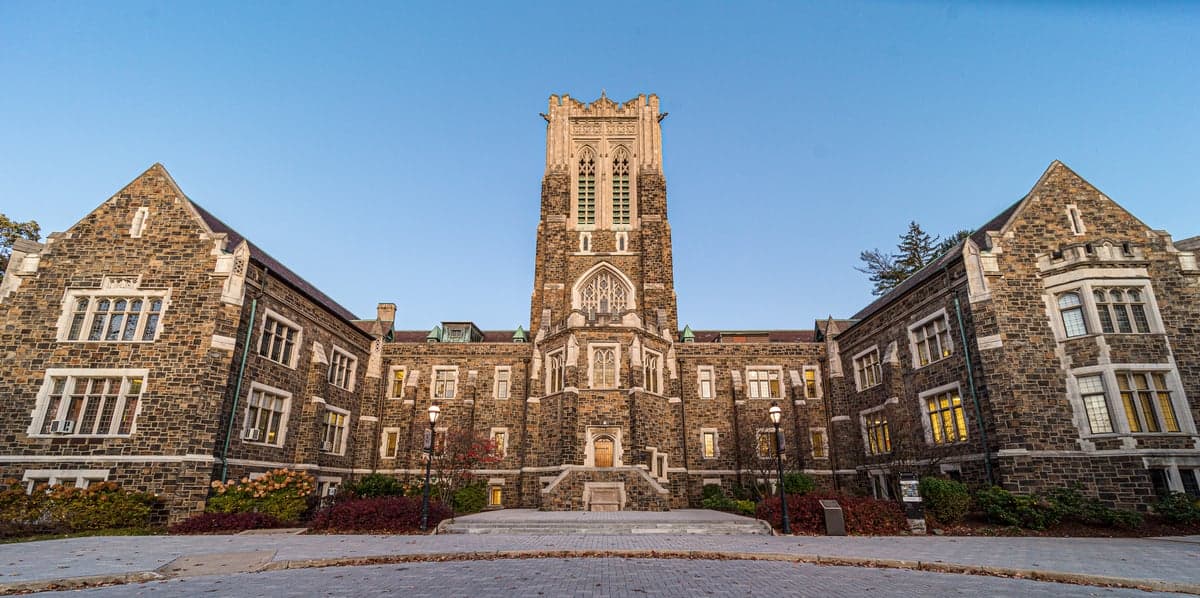
Photo: Wikipedia
Quality of Life in Bethlehem, PA
Above-average quality of iife. The area offers a reasonable cost of living, decent mobility, and a mix of neighborhood amenities.
What does Quality of Life tell us?
Quality of Life blends cost of living, nearby amenities, socioeconomic signals, and neighborhood character. City-level scores represent the whole municipality; individual neighborhoods can differ.
What does this tell us?
Quality of Life blends cost of living, nearby amenities, socioeconomic signals, and neighborhood character. City-level scores represent the whole municipality; individual neighborhoods can differ.
Cost of Living
1% above national average
The Real Cost of Living in Bethlehem, PA for 2026
| Tier | Individual | Family (4) |
|---|---|---|
| Survival | $21k | $39k |
| Comfortable | $46k | $68k |
| Luxury | $120k+ | $186k+ |
| Elite (Top 5%) | $152k+ | $236k+ |
98%
The Area Signal
A metric tracking the socioeconomic signals of the area.
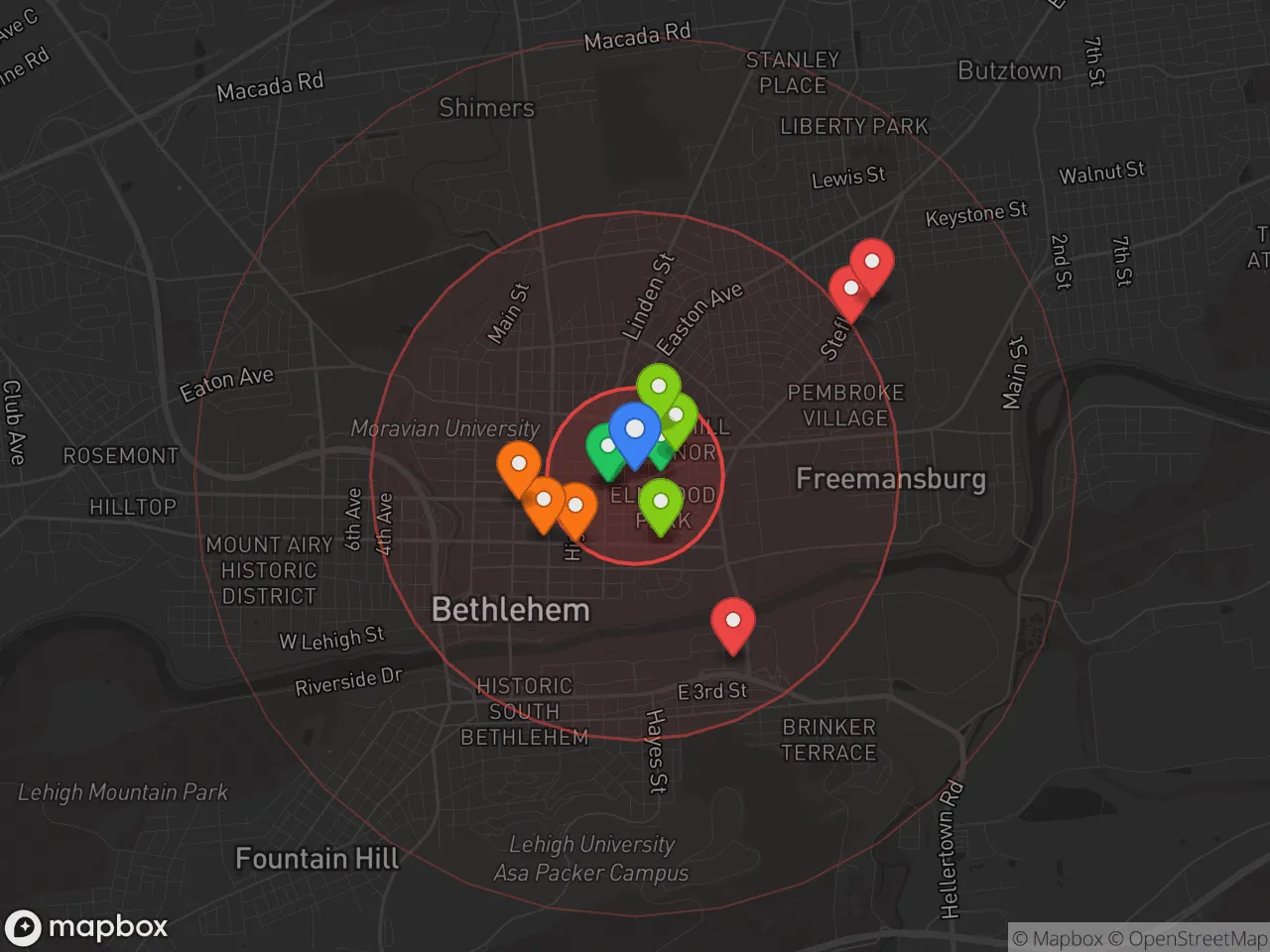
Hobbies
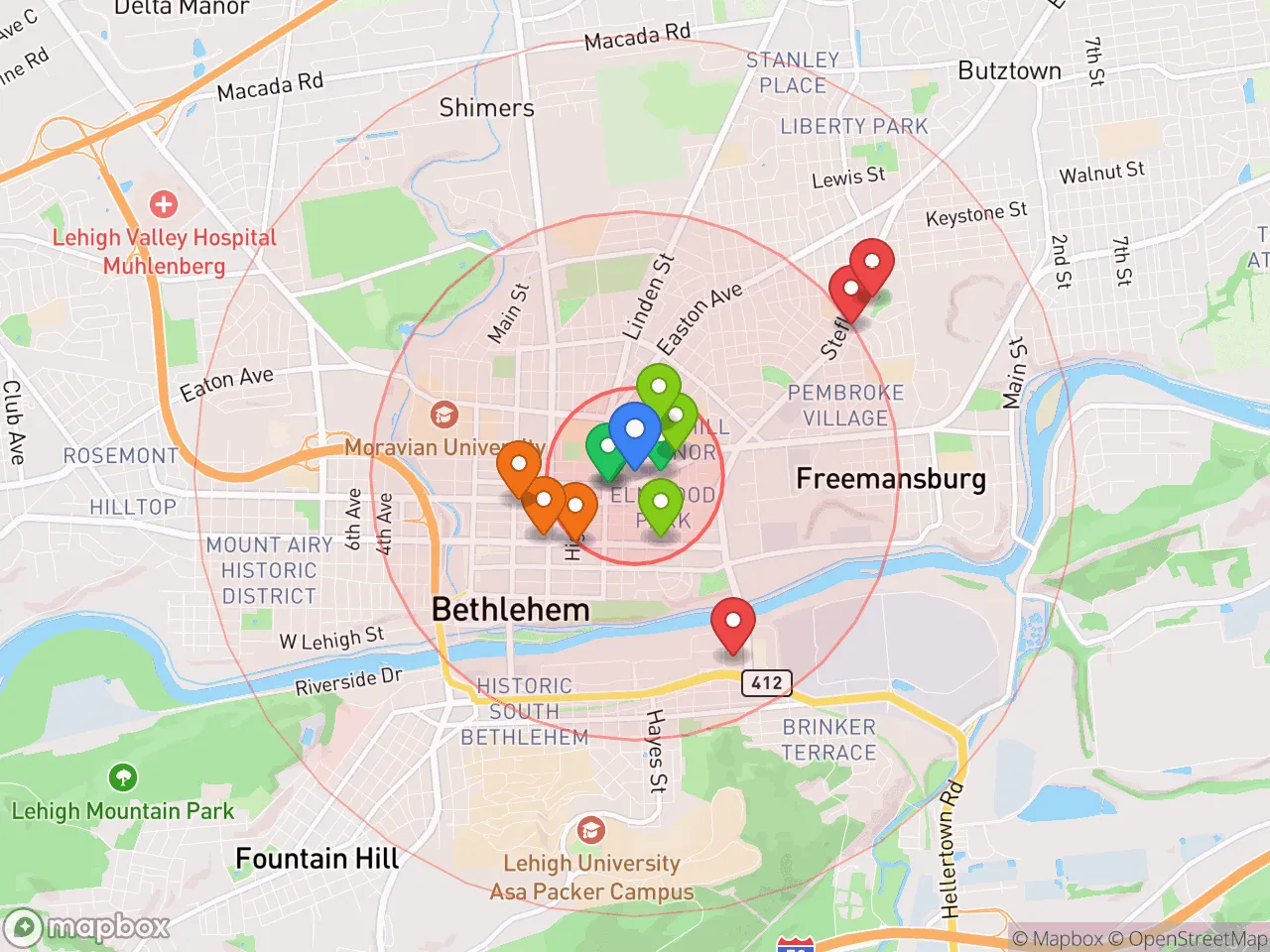
Explore the areaGroceries
7 within 10 miles
Gas
20 within 10 miles
Hospital
20 within 20 miles
Airport
PHL — Philadelphia International
Post Office
USPS — Bethlehem, PA
Critical Amenities
Quality-of-Life Analysis
Bethlehem, Pennsylvania, presents a quality-of-life profile that blends historic charm with middle-class affordability, attracting a diverse population of young professionals, families, and Lehigh University academics. With a cost-of-living index of 101 (just one point above the national average), the city offers a notably lower financial barrier than nearby Philadelphia or New York City, while still providing access to robust job markets in the Lehigh Valley. The median home value of $236,500 and median rent of $1,311 position Bethlehem as a practical alternative for those priced out of larger metros, though the area's affluence is modest compared to the wealthier suburbs of Allentown or the Main Line.
Cost of living, housing costs, and how they compare to nearby areas
Bethlehem's housing market remains a key draw: the median home value of $236,500 is roughly 30% lower than the Philadelphia metro average, while the median rent of $1,311 undercuts comparable units in Allentown by about 8%. The overall cost-of-living index of 101 means that groceries, utilities, and transportation are essentially on par with the U.S. average, but residents save significantly on housing compared to the pricier suburbs of Bucks County or the Lehigh Valley's western townships. The average commute of 22.4 minutes is shorter than the national average of 26 minutes, a practical advantage for workers commuting to employers like St. Luke's University Health Network or Lehigh Valley Health Network. However, property taxes in Northampton County are above the state median, which can offset some affordability gains for homeowners.
Local amenities, school quality, and what daily life feels like
Daily life in Bethlehem revolves around its walkable historic districts, the vibrant South Side arts scene, and the seasonal draw of Musikfest, the nation's largest free music festival. The Bethlehem Area School District serves roughly 13,000 students and includes Freedom High School and Liberty High School, both of which offer Advanced Placement programs and have graduation rates above 90%. For families, the city provides 18 public parks, the Lehigh Valley Zoo, and the Bethlehem YMCA, while the Lehigh River and the Delaware & Lehigh National Heritage Corridor offer outdoor recreation within a 15-minute drive. The city's compact layout means errands and dining are often walkable in neighborhoods like the Historic District or West Bethlehem, though car ownership remains necessary for regional shopping trips to the Lehigh Valley Mall or the Promenade Shops at Saucon Valley. The average commute of 22.4 minutes is a realistic reflection of the area's moderate traffic, with most residents driving to jobs in Allentown, Easton, or the industrial parks along Route 22.
Bethlehem is best suited for those who value a walkable, culturally active small city with a strong sense of place, without the premium price tag of larger East Coast metros. Young professionals will appreciate the proximity to Lehigh University's innovation ecosystem and the growing tech and healthcare sectors, while families benefit from solid public schools and a low crime rate relative to similarly sized cities in Pennsylvania. Retirees and empty-nesters may find the historic architecture and slower pace appealing, though those seeking suburban sprawl or top-tier private schools should look to the surrounding townships. Overall, Bethlehem offers a balanced, affordable quality of life for anyone willing to trade a slightly higher tax burden for a rich community fabric and a commute that rarely exceeds 30 minutes.

Crime in Bethlehem, PA
Lower crime rates than 76% of comparable U.S. locations.
Violent CrimeViolent Crime Analysis
Property CrimeProperty Crime Analysis
Crime Analysis
Bethlehem, Pennsylvania presents a mixed safety profile for prospective residents. The city's overall crime rates are elevated compared to national averages, though they remain lower than many similarly sized urban centers in the Northeast. With a violent crime rate of 194 incidents per 100,000 residents and a property crime rate of 1,224.8 per 100,000, Bethlehem requires careful neighborhood consideration from anyone planning a move.
Crime in context
Bethlehem's violent crime rate of 194 per 100,000 is roughly 45% higher than the national average of approximately 134 per 100,000. Property crime in the city, at 1,224.8 per 100,000, also exceeds the U.S. average of about 1,100 per 100,000. Compared to Pennsylvania's statewide violent crime rate of roughly 240 per 100,000, Bethlehem fares slightly better, but the city's property crime rate is notably higher than the state average of approximately 1,000 per 100,000. These figures place Bethlehem in a category of concern for those accustomed to suburban or rural safety levels. A significant contributing factor is the legal and prosecutorial environment in Northampton County and the broader Lehigh Valley region. Like many areas in Pennsylvania with liberal-leaning district attorneys and judges, Bethlehem has seen a pattern of progressive criminal justice policies—including reduced bail requirements, diversion programs for repeat offenders, and lenient sentencing guidelines—that critics argue prioritize offender rehabilitation over public safety. This approach can result in more convicted criminals remaining on the streets, directly undermining deterrence and increasing the likelihood of recidivism.
What residents experience
For daily life, the property crime rate is the most tangible concern. Residents report frequent incidents of vehicle break-ins, package thefts, and burglaries, particularly in denser residential areas and near commercial corridors like Stefko Boulevard and Easton Avenue. The violent crime rate, while lower than in nearby Allentown, still manifests in aggravated assaults and robberies that are concentrated in specific blocks. The city's status as a small city adjacent to a large metro area (the Allentown-Bethlehem-Easton metro region) amplifies these issues, as transient populations and regional drug trafficking networks contribute to local crime. Progressive judicial policies in Northampton County have been linked to higher rates of repeat offending, as offenders arrested for property crimes are frequently released on low or no bail, only to re-offend while awaiting trial. This cycle erodes community trust and places an undue burden on victims, who often see their cases resolved with minimal consequences for the perpetrator.
Neighborhood-level variation is significant. The historic South Side, near Lehigh University, benefits from campus security and active community policing, resulting in lower crime rates than the city average. Conversely, the Marvine-Pembroke and downtown areas near Broad and Main Streets experience higher concentrations of both property and violent crime. The West Side and parts of the North Side, particularly near the Bethlehem Golf Club, offer safer, more suburban-feeling environments. Prospective residents should consult block-level crime maps and consider that the city's overall statistics mask sharp contrasts between safe, family-friendly enclaves and higher-risk zones where progressive justice policies have the most visible impact on street-level safety.
* Values derived from national, state, county, city and local statistics and may differ in a specific area. Last updated: 2026-05-01T20:55:24.000Z
Narrative content on this page is AI-generated and may contain mistakes. Verify any details that matter before acting on them.
ReloMaps may earn a commission from affiliate links at no extra cost to you.

