 Popular
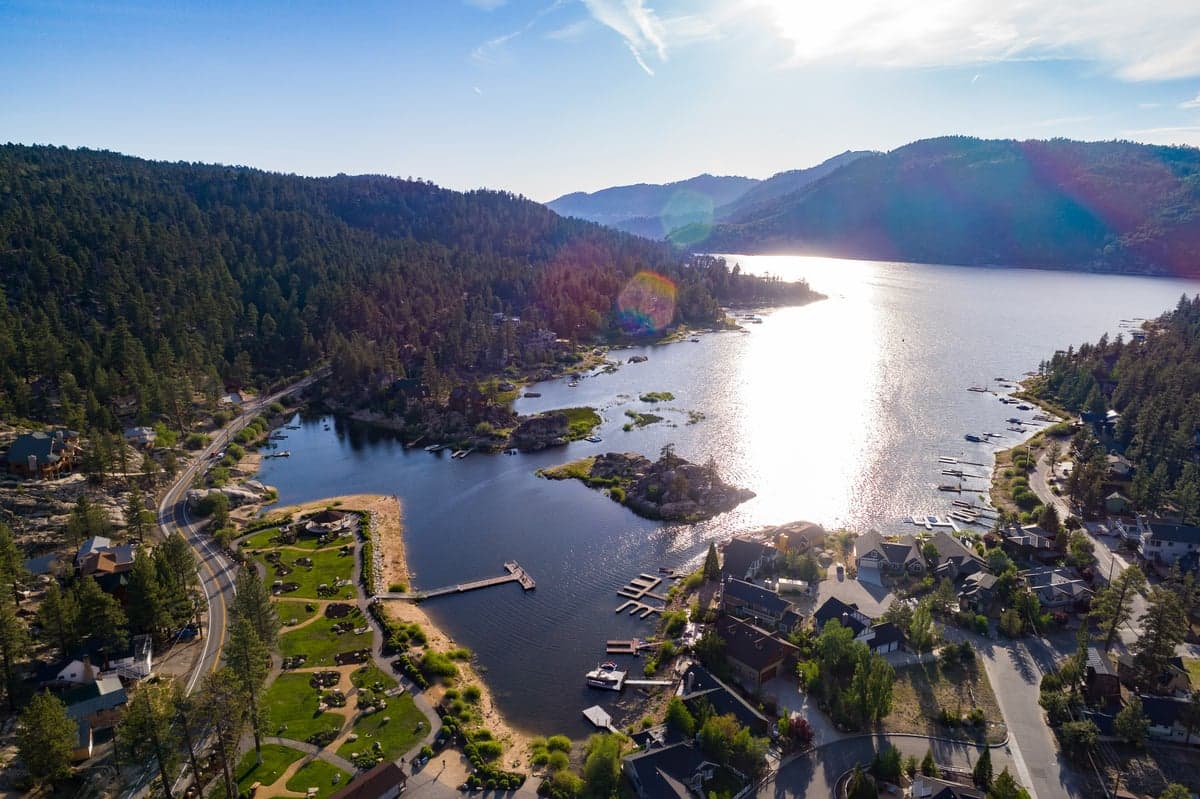
Photo: Wikipedia
Quality of Life in Big Bear Lake, CA
A high quality of life with strong walkability, manageable living costs, healthy neighborhood signals, and solid amenity access.
What does Quality of Life tell us?
Quality of Life blends cost of living, nearby amenities, socioeconomic signals, and neighborhood character. City-level scores represent the whole municipality; individual neighborhoods can differ.
What does this tell us?
Quality of Life blends cost of living, nearby amenities, socioeconomic signals, and neighborhood character. City-level scores represent the whole municipality; individual neighborhoods can differ.
Cost of Living
39% above national average
The Real Cost of Living in Big Bear Lake, CA for 2026
| Tier | Individual | Family (4) |
|---|---|---|
| Survival | $20k | $38k |
| Comfortable | $101k | $148k |
| Luxury | $135k+ | $209k+ |
| Elite (Top 5%) | $196k+ | $304k+ |
51%
The Area Signal
A metric tracking the socioeconomic signals of the area.
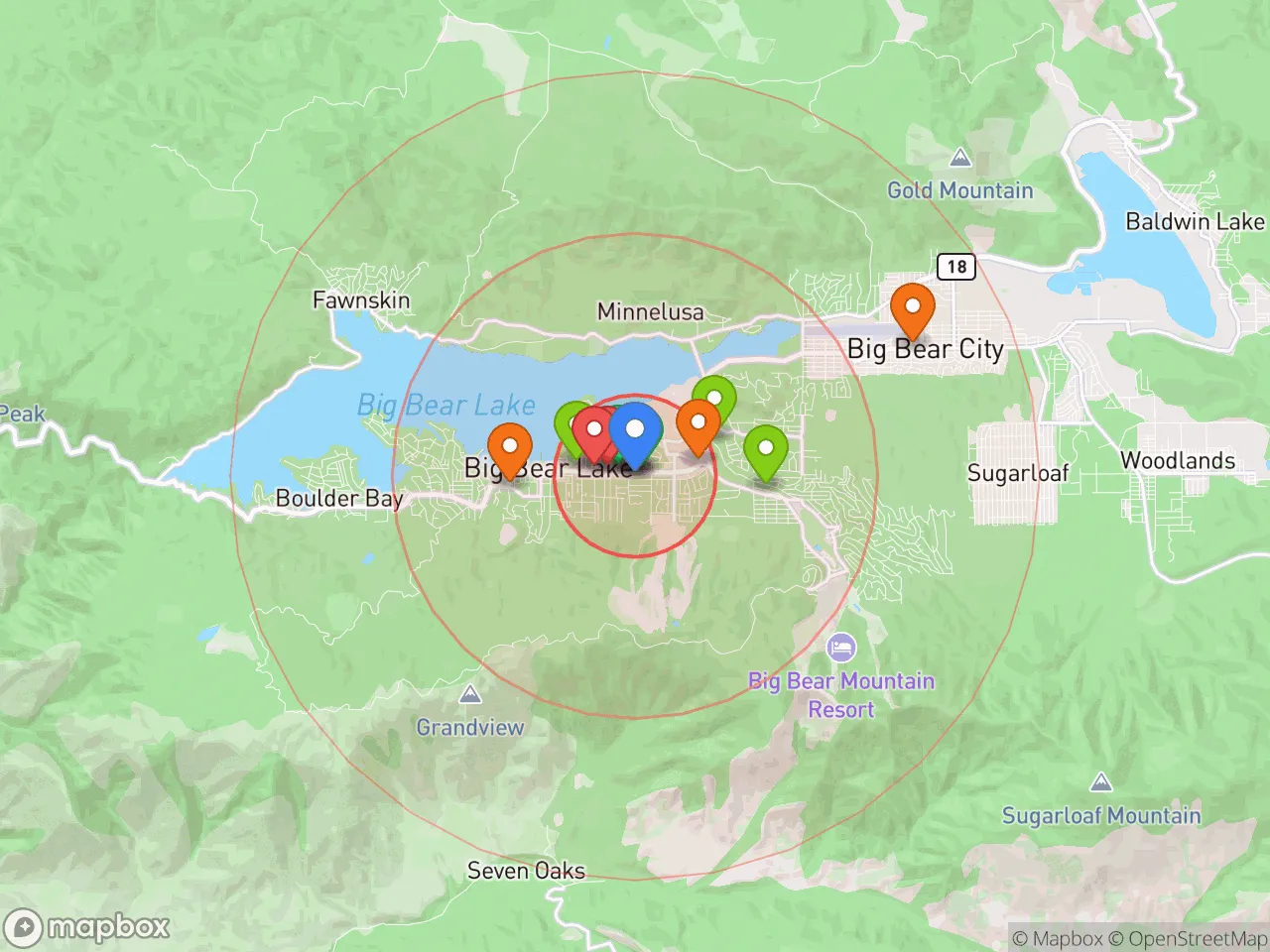
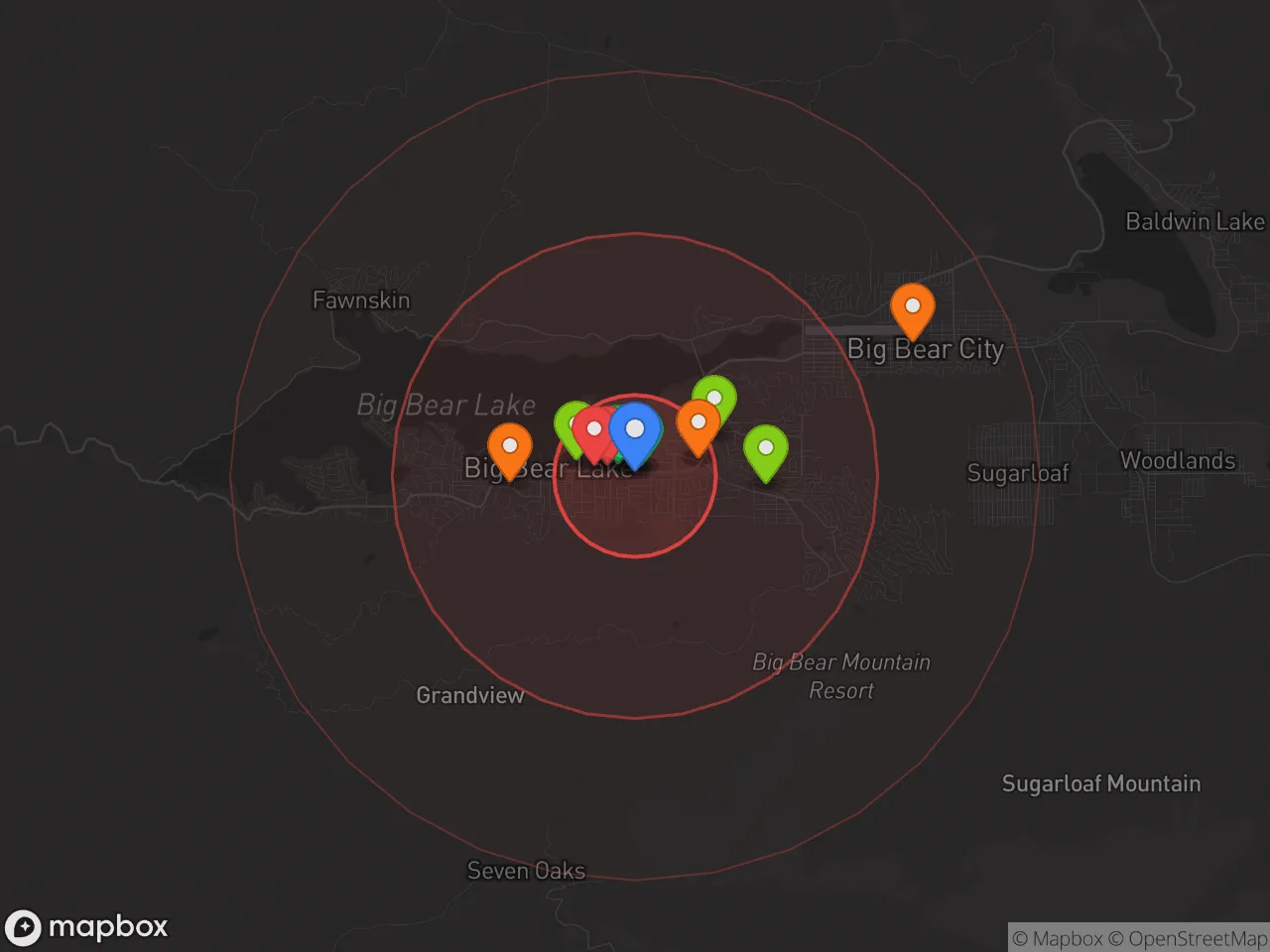
Hobbies
Explore the areaGroceries
2 within 10 miles
Gas
8 within 10 miles
Hospital
3 within 20 miles
Airport
SAN — San Bernardino International
Post Office
USPS — Big Bear Lake, CA
Critical Amenities
Quality-of-Life Analysis
Big Bear Lake is a high-cost mountain resort community where the quality of life is shaped by its recreational economy and seasonal rhythms. The area's affluence is reflected in a cost of living index of 139 (39% above the U.S. average), driven largely by housing demand from second-home owners and short-term rental investors. The permanent population of roughly 5,000 residents is a mix of service-industry workers, remote professionals, and retirees who prioritize outdoor access over urban convenience.
Cost of living, housing affordability, and how Big Bear compares to nearby areas
Housing is the primary cost driver in Big Bear Lake. The median home value sits at $517,900, significantly higher than the national median of roughly $350,000, though still below the California statewide median of about $750,000. Renters face a median monthly rent of $1,278, which is modest by Southern California standards—comparable to inland cities like San Bernardino ($1,400) but far cheaper than coastal Los Angeles ($2,500+). However, the local job market does not support these prices for most workers; many service and hospitality employees commute from lower-cost communities like Lucerne Valley or Victorville, where home values average under $300,000. The average commute time in Big Bear Lake is 28.98 minutes, a figure that masks a bimodal reality: locals working in town have short drives, while those commuting down the mountain to the Inland Empire face 45–60 minute trips each way. For buyers, the combination of high prices and limited inventory (often tied to vacation rentals) makes entry-level homeownership difficult without significant outside income or a remote-work salary.
What daily life is like for families: schools, amenities, and local rhythm
Daily life in Big Bear Lake revolves around the lake and the San Bernardino National Forest. The Bear Valley Unified School District serves the area with three elementary schools, one middle school, and Big Bear High School, which enrolls about 600 students. Test scores are near the state average, and class sizes are small (roughly 20:1 student-teacher ratio). For groceries and errands, residents rely on a single full-service supermarket (Stater Bros.) and a handful of local markets; major shopping requires a 45-minute drive down to the city of San Bernardino. Healthcare is limited to Bear Valley Community Hospital, a critical-access facility with 24 beds; specialists and emergency trauma care are in the Inland Empire. The area's rhythm is dictated by tourism: summer brings boating, fishing, and hiking crowds, while winter transforms the town into a ski destination centered on Snow Summit and Bear Mountain resorts. This seasonal influx strains infrastructure—traffic on Highway 18 can back up for miles on peak weekends—but also supports a higher density of restaurants, gear shops, and entertainment than a town of 5,000 would otherwise sustain.
Who thrives here? Big Bear Lake suits outdoor enthusiasts who can afford the premium for mountain living and tolerate the trade-offs in services and commute. It works well for remote workers with stable incomes, retirees who value recreation over urban amenities, and second-home owners who use the property part-time. It is less suited to young families reliant on local wages, those needing frequent specialist medical care, or anyone seeking diverse employment options outside the tourism and hospitality sectors.

Crime in Big Bear Lake, CA
Crime rates similar to the national median for U.S. locations.
Violent CrimeViolent Crime Analysis
Property CrimeProperty Crime Analysis
Crime Analysis
Big Bear Lake, California, presents a mixed safety profile for prospective residents. The mountain resort community's violent crime rate of 328.5 incidents per 100,000 residents is notably lower than the California state average, while its property crime rate of 1,394.1 per 100,000 exceeds both state and national benchmarks. These figures reflect a community where violent confrontations are relatively rare, but theft and property-related offenses are a more frequent concern for those living in or visiting the area.
Crime in context
When compared to broader trends, Big Bear Lake's violent crime rate sits roughly 15% below the California average and aligns closely with national norms for communities of similar size. However, the property crime rate is approximately 30% higher than the state average and significantly above the national median. This disparity is common in resort towns, where transient populations and seasonal tourism create more opportunities for theft, burglary, and vehicle break-ins. The data suggests that while serious violent incidents are less common here than in many other parts of Southern California, residents face a heightened risk of property crime that requires proactive prevention measures.
What residents experience
Daily life in Big Bear Lake involves navigating a relatively low risk of violent crime, with most incidents occurring between acquaintances rather than as random attacks. Property crime, however, is a tangible concern. Residents commonly report theft from vehicles, especially in areas near ski resorts and lake access points, as well as burglaries of vacation homes that sit vacant for extended periods. The local sheriff's department emphasizes community watch programs and encourages securing homes with alarm systems and outdoor lighting. The presence of progressive judicial policies in San Bernardino County, including district attorneys and judges who prioritize rehabilitation over incarceration, has been cited by some residents as a factor that may contribute to repeat property offenders cycling through the system without meaningful consequences. This approach, while intended to reduce recidivism, can leave victims feeling that justice is incomplete and may embolden some criminals to reoffend.
Neighborhood-level variation is significant in Big Bear Lake. Areas closer to the lakefront and commercial corridors, such as Pine Knot Avenue and the Village, experience higher property crime rates due to tourist foot traffic and easier access for thieves. Residential neighborhoods farther from the lake, particularly those on the north shore and in the Moonridge area, tend to report fewer incidents, though no part of the city is immune. Gated communities and homes with active year-round occupancy generally see lower crime rates than properties that are rented out seasonally or left vacant. Prospective residents should research specific block-level data and consider investing in security measures regardless of the neighborhood they choose.
* Values derived from national, state, county, city and local statistics and may differ in a specific area. Last updated: 2026-05-02T04:58:16.000Z
Narrative content on this page is AI-generated and may contain mistakes. Verify any details that matter before acting on them.
ReloMaps may earn a commission from affiliate links at no extra cost to you.

