 Popular
Photo: Wikipedia
Find The Best Places To Live
in Big Bear Lake
PRO TIP! You can paste a Zillow or Redfin link to get info on that property.
What It's Like Living in Big Bear Lake, CA
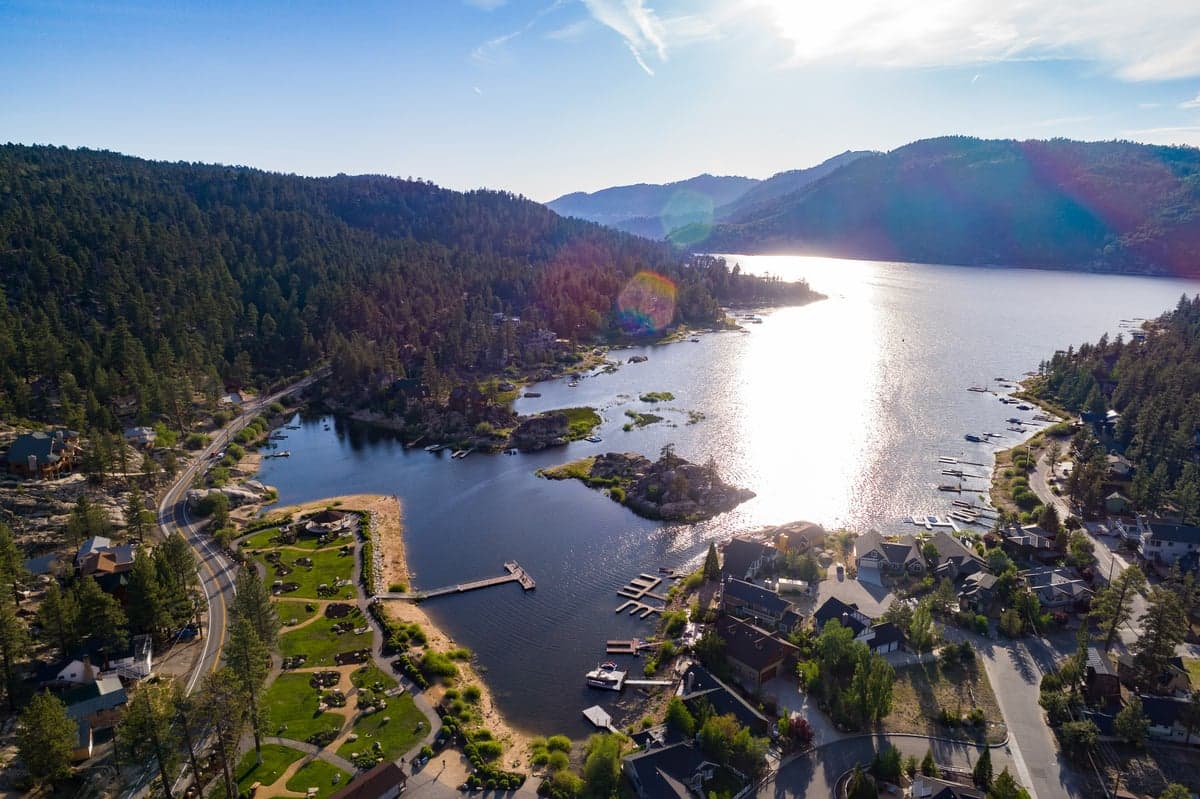
Big Bear Lake feels less like a typical California mountain town and more like a year-round camp for adults who never quite outgrew the pull of pine trees and lake water. With a permanent population just over 5,000, it’s small enough that you’ll recognize the same faces at the grocery store and the local brewery, but busy enough on weekends that you learn to plan your errands around tourist traffic. The vibe is distinctly casual — nobody dresses up here, and the most important decision most days is whether to hit the slopes, the lake, or the trail.
The Daily Rhythm: Slow Mornings, Active Afternoons
Life in Big Bear Lake revolves around the outdoors, but not in an extreme-sports way. Most residents are in their mid-40s (median age 45.5) and have settled here for the quiet pace, not the nightlife. A typical weekday starts with coffee at Honey Bear or Mountain Munchies, followed by a walk along the Alpine Pedal Path or a quick paddleboard session before work. The local economy leans heavily on tourism and hospitality — the ski resorts (Snow Summit and Bear Mountain) are the biggest employers, along with the local school district and a handful of medical offices. Many residents work remotely or commute an average of 29 minutes to jobs in San Bernardino or even further, which is a trade-off for living somewhere this isolated.
Weekends are where the town really shows its personality. Summer Saturdays mean the Big Bear Farmers Market at the convention center, where locals stock up on produce and handmade goods while tourists browse the same stalls. Winter weekends are dominated by skiing and snowboarding, but the locals’ secret is that the slopes are emptiest on weekdays. The social hub shifts with the season: The Cave (a basement bar with live music) and Big Bear Lake Brewing Company are year-round favorites, while Captain John’s fills up for harbor-side lunches in warmer months.
Sports, Community, and the Local Identity
High school sports are a genuine centerpiece here. Big Bear High School (home of the Bears) draws crowds for Friday night football in the fall, and the winter sports teams — especially skiing and snowboarding — are taken seriously. There’s no pro team within two hours, so the community rallies around the local kids. The Big Bear Grizzlies youth hockey program is surprisingly strong for a town this size, and the annual Big Bear Lake Polar Plunge (a New Year’s Day tradition where locals jump into 40-degree water) is less a sporting event and more a rite of passage.
Culturally, Big Bear leans conservative — not in a loud political way, but in the sense that people value self-reliance, quiet weekends, and property rights. The median income of $74,728 is modest for California, but the median home value of $517,900 means many residents bought in years ago and now enjoy a relatively low mortgage. Newcomers often find the housing market frustrating; a cost of living index of 139 (39% above the national average) hits hardest in groceries and utilities, not rent.
What’s There to Do (and What’s Missing)
The list of things to do is short but deep. You can ski or snowboard at Snow Summit or Bear Mountain from November through April, then switch to hiking the Castle Rock Trail or kayaking on the lake in summer. The Big Bear Discovery Center runs guided nature programs for families, and the Oktoberfest at the convention center is the biggest annual event — think lederhosen, bratwurst, and enough beer to make you forget you’re in California. For music, The Cave and Big Bear Lake Brewing Company host local bands, but serious concert-goers drive to San Bernardino or Los Angeles.
What frustrates longtime residents is the lack of variety. There’s one movie theater (the Big Bear Cinema), one Walmart, and a handful of sit-down restaurants that don’t change much year to year. The violent crime rate of 328.5 per 100,000 is higher than the national average, and while most incidents are property-related or tied to transient populations, it’s something locals keep an eye on. Traffic on the 330 and 18 highways can back up for hours on holiday weekends, turning a 30-minute drive to town into a two-hour ordeal.
Pros and Cons of Living Here
- Pro: Four distinct seasons with real snow, real sun, and real fall colors — rare in Southern California.
- Pro: A tight-knit community where neighbors know each other and local businesses remember your name.
- Pro: Unmatched access to outdoor recreation without the crowds of Lake Tahoe or Mammoth.
- Con: Limited job opportunities outside tourism and remote work; the 34.9% college-educated rate reflects a brain drain to bigger cities.
- Con: Tourist influx on weekends and holidays can make the town feel overcrowded and expensive.
- Con: The isolation means fewer healthcare specialists, no major shopping, and a 45-minute drive to the nearest hospital with an ER.
For the right person — someone who values quiet winters, summer lake days, and a community that still waves at passing cars — Big Bear Lake is a genuine find. It’s not for everyone, and that’s exactly how the people who live here like it.

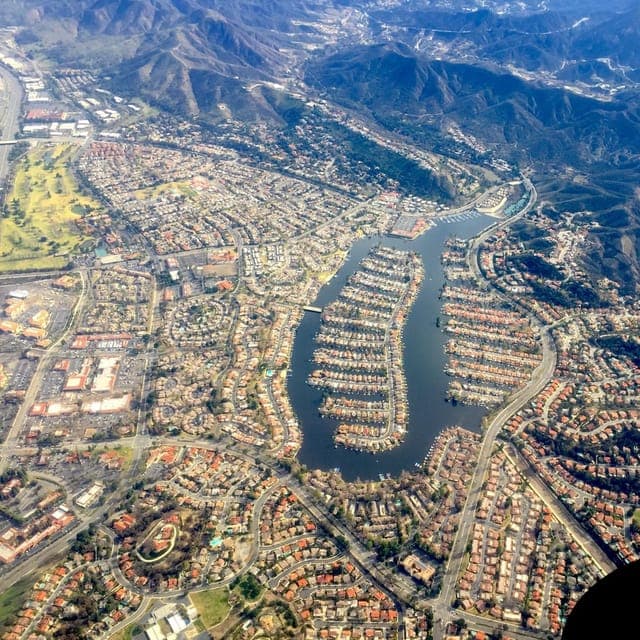
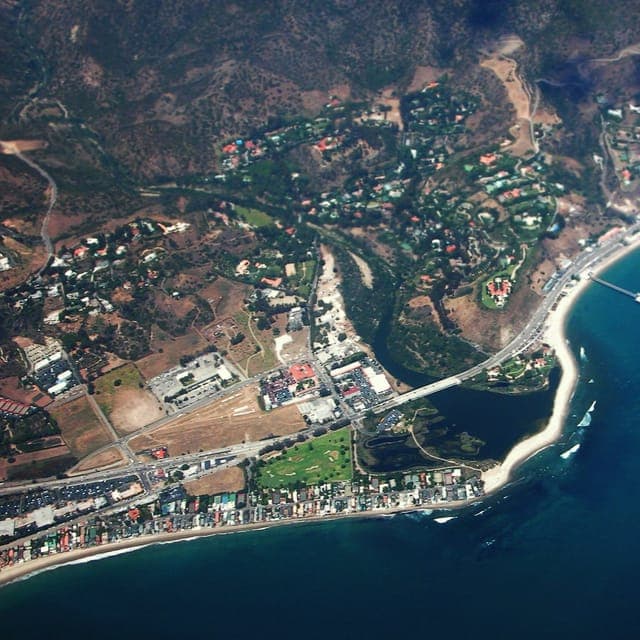
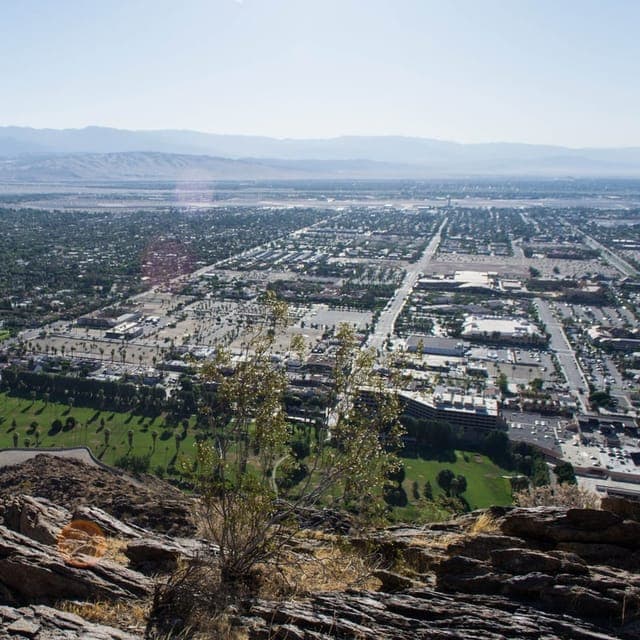
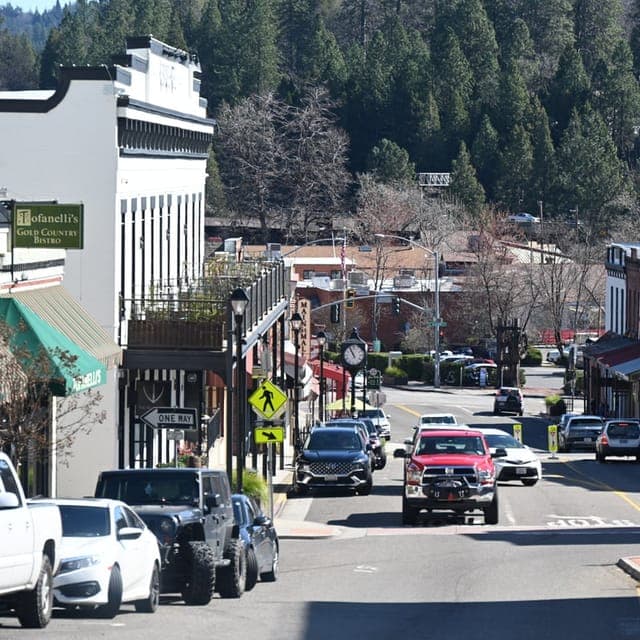
Similar small towns to Big Bear Lake
* Values derived from national, state, county, city and local statistics and may differ in a specific area. Last updated: 2026-05-02T04:58:16.000Z
Narrative content on this page is AI-generated and may contain mistakes. Verify any details that matter before acting on them.
ReloMaps may earn a commission from affiliate links at no extra cost to you.

