Photo: Wikipedia
Quality of Life in Blades, DE
Above-average quality of iife. The area offers a reasonable cost of living, decent mobility, and a mix of neighborhood amenities.
What does Quality of Life tell us?
Quality of Life blends cost of living, nearby amenities, socioeconomic signals, and neighborhood character. City-level scores represent the whole municipality; individual neighborhoods can differ.
What does this tell us?
Quality of Life blends cost of living, nearby amenities, socioeconomic signals, and neighborhood character. City-level scores represent the whole municipality; individual neighborhoods can differ.
Cost of Living
27% below national average
The Real Cost of Living in Blades, DE for 2026
| Tier | Individual | Family (4) |
|---|---|---|
| Survival | $13k | $25k |
| Comfortable | $41k | $60k |
| Luxury | $72k+ | $112k+ |
| Elite (Top 5%) | $85k+ | $132k+ |
105%
The Area Signal
A metric tracking the socioeconomic signals of the area.
Hobbies
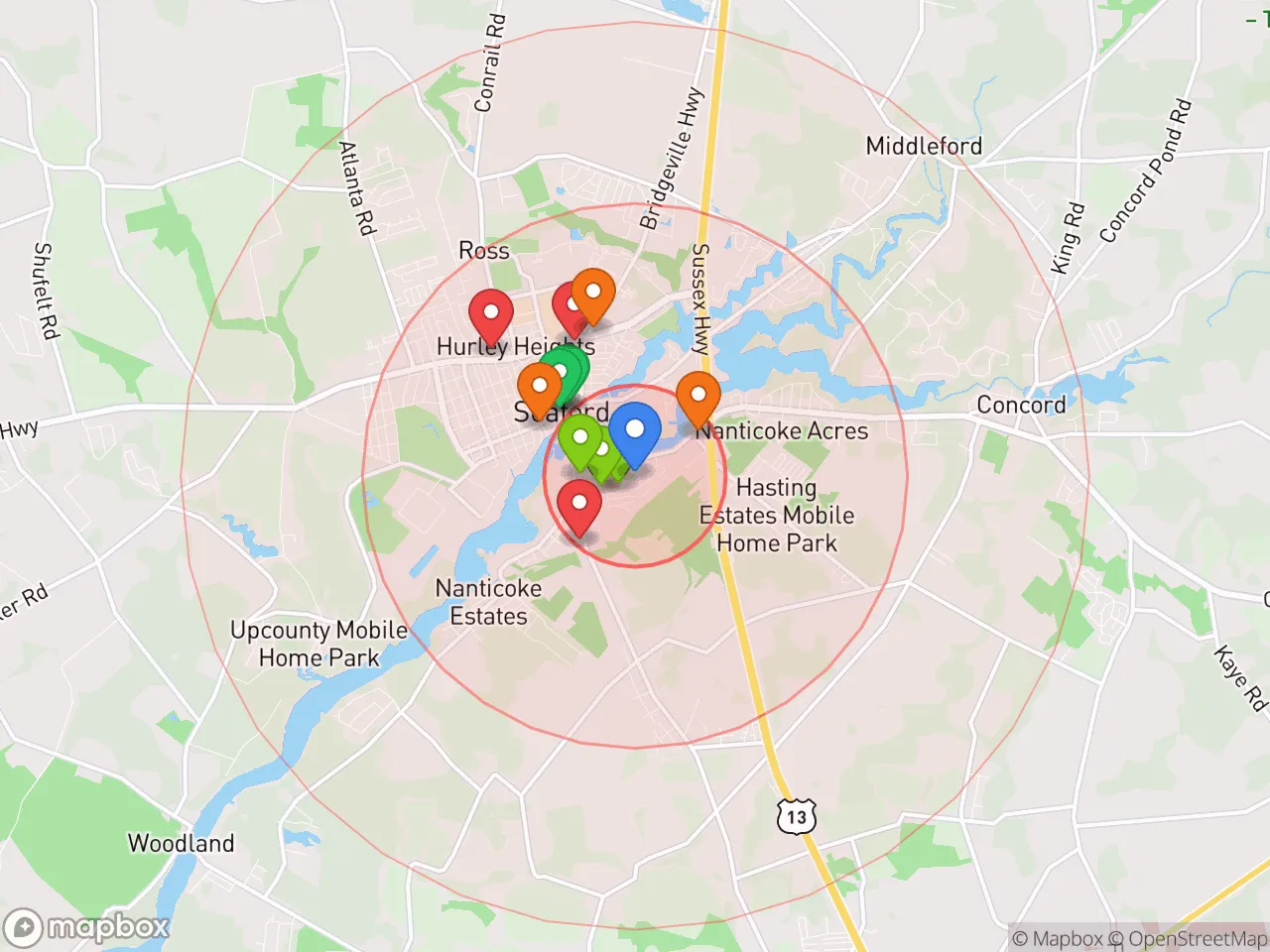
Explore the areaGroceries
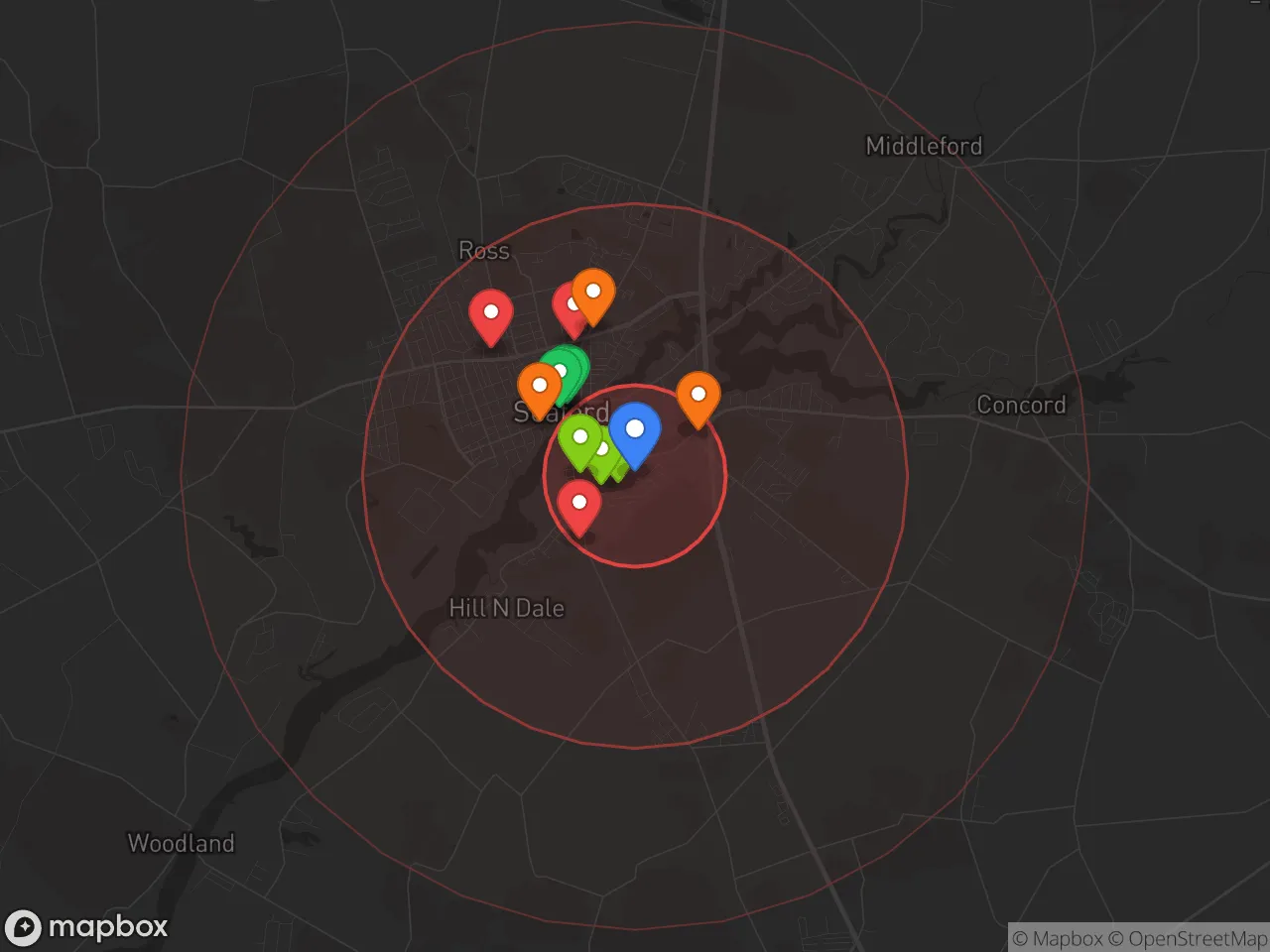
2 within 10 miles
Gas
20 within 10 miles
Hospital
4 within 20 miles
Airport
BWI — Baltimore/Washington International Thurgood Marshall
Post Office
USPS — Seaford, DE
Critical Amenities
Quality-of-Life Analysis
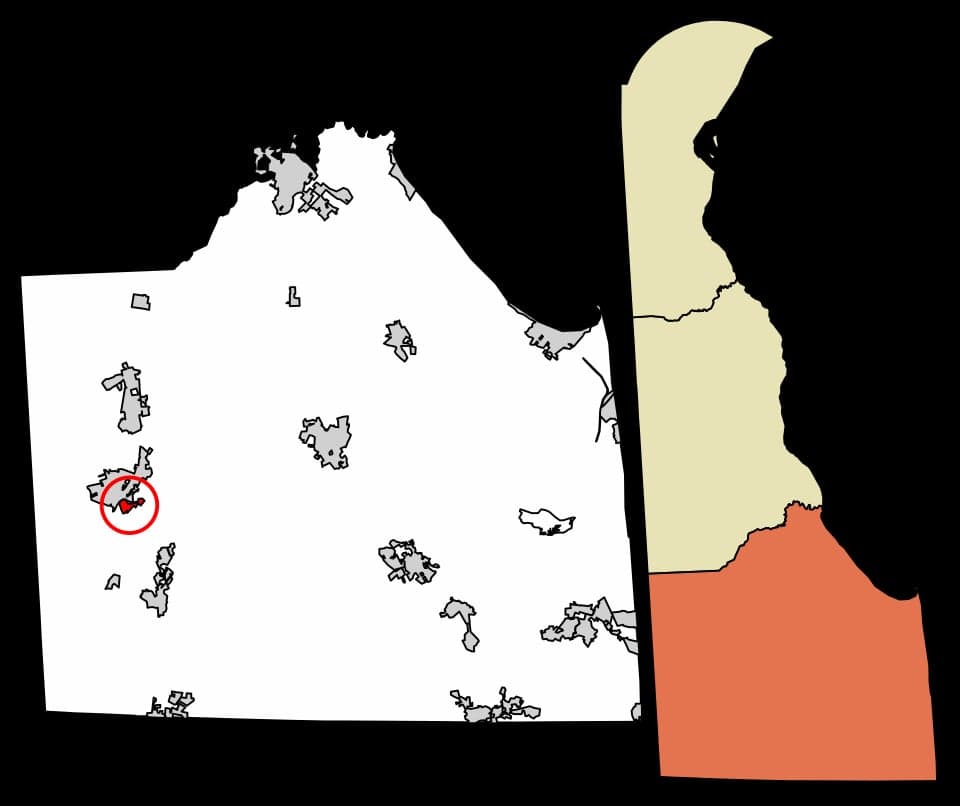
Blades, Delaware, presents a notably affordable entry point into the broader Salisbury, MD-DE metro area, with a cost of living index of 73—well below the national average of 100—and a median home value of $209,600. This small town of roughly 1,200 residents attracts a mix of first-time homebuyers, young families, and retirees seeking lower housing costs while remaining within commuting distance of employment hubs like Seaford, Georgetown, and Salisbury, Maryland. The community is predominantly residential and family-oriented, with a demographic profile that leans toward middle-income households and a significant share of owner-occupied homes.
Cost of living, housing affordability, and how Blades compares to nearby towns
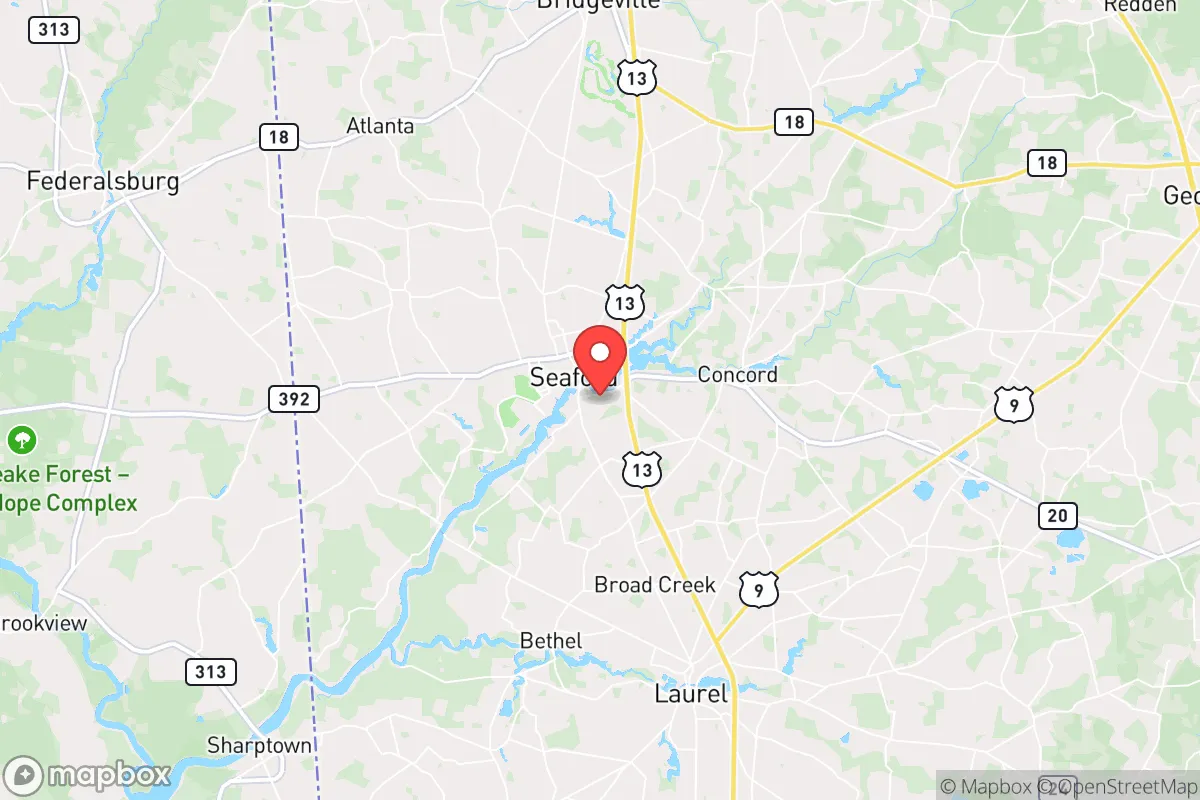
Blades stands out for its housing affordability relative to both the national median and nearby communities. The median home value of $209,600 is roughly 40% below the U.S. median, while median rent of $839 per month is similarly low. For context, neighboring Seaford’s median home value hovers around $230,000, and Salisbury, Maryland’s is closer to $280,000, making Blades one of the most budget-friendly options in the region. The overall cost of living index of 73 means everyday expenses—groceries, utilities, transportation—are significantly cheaper than the national norm. However, the trade-off is a limited local housing stock; most homes are single-family detached houses built before 1980, and new construction is sparse. The average commute of 26.1 minutes is manageable, with most residents driving to jobs in Seaford (about 5 minutes), Georgetown (15 minutes), or Salisbury (20 minutes), though public transit options are virtually nonexistent.
Local amenities, schools, and what daily life feels like in Blades
Daily life in Blades is quiet and car-dependent, centered around a small downtown with a handful of local businesses, a post office, and a few churches. For groceries, dining, and retail, residents typically drive the short distance to Seaford’s shopping corridor along U.S. Route 13, which includes a Walmart Supercenter, chain restaurants, and big-box stores. The town is served by the Seaford School District, with Blades Elementary School (grades K-5) located within town limits; middle and high school students attend Seaford Middle and Seaford High School, both rated average by state standards. Recreational options are modest: Blades Park offers a playground, baseball field, and picnic area, while nearby Trap Pond State Park (about 10 miles south) provides hiking, fishing, and kayaking on a cypress-lined pond. The community’s rhythm is slow-paced, with annual events like the Blades Fire Company carnival and a strong volunteer fire department presence. Healthcare access requires a drive to Seaford’s Nanticoke Memorial Hospital or Salisbury’s TidalHealth Peninsula Regional, both roughly 20 minutes away.
Blades is best suited for budget-conscious buyers and renters who prioritize low housing costs and a quiet, small-town atmosphere over urban amenities or walkability. It works well for commuters employed in Seaford’s manufacturing and healthcare sectors, or for remote workers who can tolerate a limited local service base. Families with young children will find the elementary school convenient, but those seeking top-tier schools, diverse dining, or cultural attractions should look toward larger towns like Newark or Dover. Retirees on fixed incomes may also appreciate the affordability, though the lack of senior-specific services and public transit could be a drawback. In short, Blades offers a low-cost, low-frills lifestyle that rewards those who value financial breathing room over convenience and entertainment.

Crime in Blades, DE
Crime rates similar to the national median for U.S. locations.
Violent CrimeViolent Crime Analysis
Property CrimeProperty Crime Analysis
Crime Analysis
Blades, Delaware, presents a crime profile that warrants serious concern, particularly for those considering relocation. With a violent crime rate of 802.3 incidents per 100,000 residents and a property crime rate of 1,969.4 per 100,000, the town experiences levels of criminal activity that far exceed both state and national averages. These figures place Blades among the higher-risk communities in Sussex County, a reality shaped in part by the broader criminal justice environment in Delaware, where progressive policies and lenient sentencing practices have been linked to elevated recidivism and public safety challenges.
Crime in context
Blades' violent crime rate is more than double the national average of roughly 380 per 100,000 and significantly higher than Delaware's statewide rate of approximately 450 per 100,000. Property crime in Blades also outpaces national benchmarks, which hover around 1,950 per 100,000, though the gap is narrower. These statistics place Blades in the same tier as higher-crime small towns in the Mid-Atlantic, where the combination of proximity to larger metro areas like Salisbury, MD, and a justice system that prioritizes offender rehabilitation over incarceration has contributed to persistent crime issues. The influence of progressive district attorneys in Delaware's courts, who often favor diversion programs and reduced sentences, means that repeat offenders face fewer consequences, directly undermining public safety for residents.
What residents experience
For those living in Blades, the high crime rates translate into tangible daily risks. Violent offenses—including aggravated assault, robbery, and, less frequently, homicide—occur at a frequency that makes personal safety a constant consideration. Property crimes such as burglary, theft, and vehicle break-ins are common, with many incidents going unsolved due to limited local law enforcement resources. Residents report that unlocked cars and unattended outdoor items are routinely targeted, and that police response times can be slow, particularly during peak hours. The town's small size means that criminal activity is often concentrated in specific blocks and near the commercial corridor along Market Street, but no neighborhood is entirely insulated from the spillover effects of regional crime trends.
Neighborhood-level variation
While Blades lacks the distinct, well-defined neighborhoods of larger cities, some variation in safety exists. Areas closer to the town's core and along major roads like DE-20 tend to see higher foot traffic and, consequently, more property crime. Residential streets off the main drag, particularly those with higher homeownership rates and active neighborhood watch participation, report fewer incidents. However, the overall crime density remains high enough that no area can be considered truly low-risk. Prospective residents should prioritize properties with good lighting, secure fencing, and proximity to the small police station, and should budget for comprehensive home security systems. The broader context of Delaware's lenient criminal justice policies means that even "safer" blocks are not immune to the revolving door of repeat offenders released back into the community.
* Values derived from national, state, county, city and local statistics and may differ in a specific area. Last updated: 2026-04-30T05:21:13.000Z
Narrative content on this page is AI-generated and may contain mistakes. Verify any details that matter before acting on them.
ReloMaps may earn a commission from affiliate links at no extra cost to you.

