Photo: Wikipedia
Political ClimatePolitical Climate in Blades, DE
District shown is the primary district for this city’s centroid. Cities may span multiple districts.
Inherited from parent state — no local data available.
Local Political AnalysisPolitical Analysis of Blades, DE
Blades, Delaware, leans reliably Democratic, with a Cook PVI of D+8, meaning it votes about eight points more Democratic than the national average. That’s a pretty solid blue anchor in a state that’s been shifting left for a while now. If you’ve lived here long enough, you remember when things were more balanced—when neighbors didn’t feel the need to tiptoe around their political views. These days, the local elections and policy debates tend to favor progressive candidates, and that trajectory has some of us watching closely, especially as new folks move in from up north and bring different ideas about how things ought to run.
How it compares
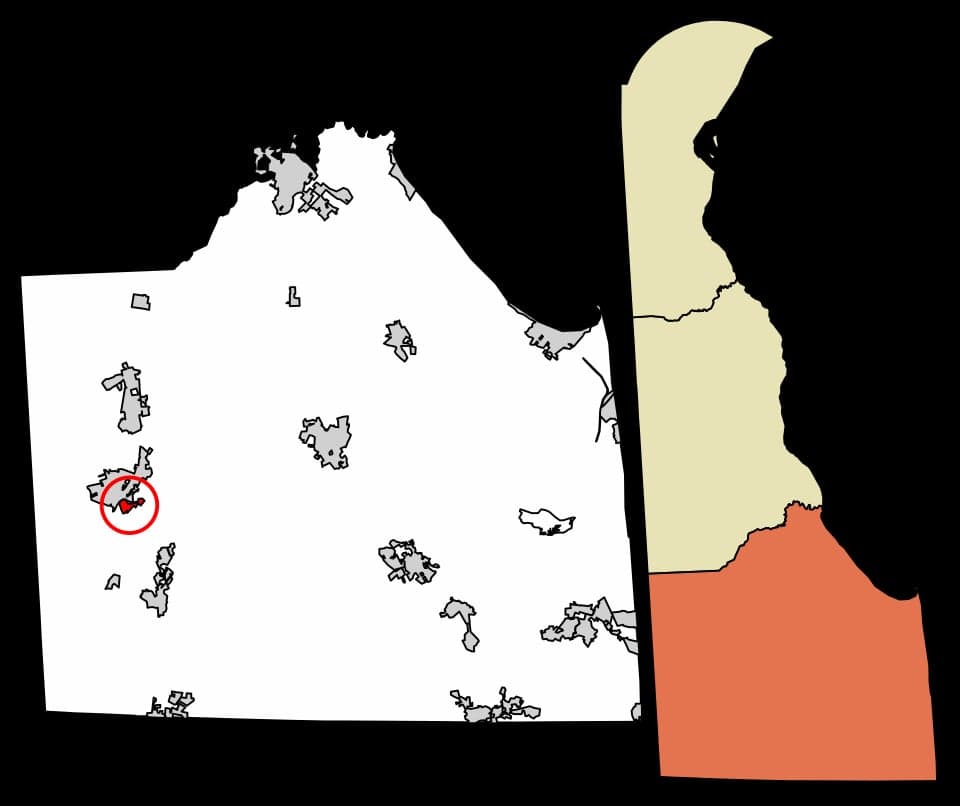
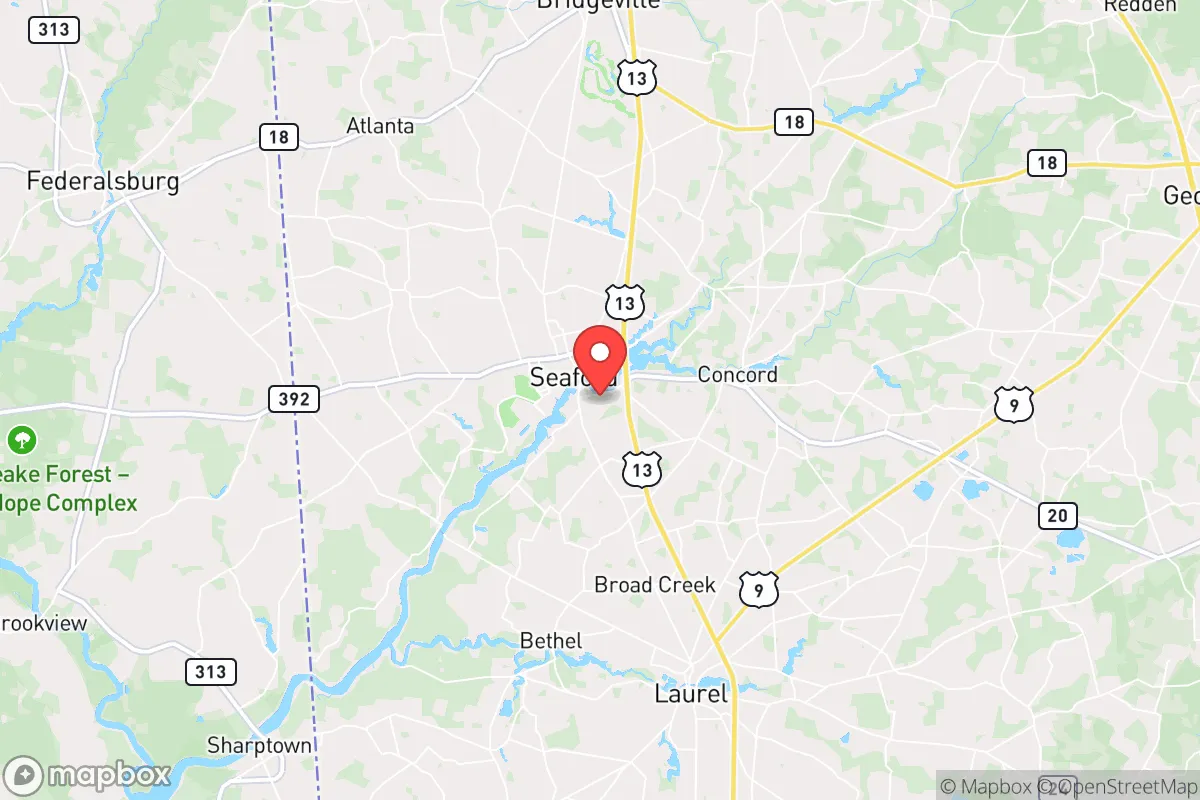
Blades sits in Sussex County, which is actually one of the more conservative parts of Delaware—outside of the coastal resort towns like Rehoboth Beach and Lewes, which lean left themselves. Drive just a few miles west to Seaford or Laurel, and you’ll find a more traditional, small-town mindset: lower taxes, fewer regulations, and a general distrust of government overreach. Blades, by contrast, has been trending in the opposite direction. The contrast is stark when you look at school board meetings or local zoning decisions. In Seaford, you’ll hear folks pushing back on state mandates; in Blades, there’s more willingness to go along with progressive policies, even when they bump up against personal freedoms. It’s a reminder that even within the same county, political climates can feel like different worlds.
What this means for residents
For those of us who value limited government and individual liberty, the D+8 lean in Blades raises real concerns. It means local leaders are more likely to support things like stricter gun laws, higher property taxes to fund expanded social programs, and zoning rules that can feel like the county telling you what you can and can’t do with your own land. If you’re a small business owner, you might find yourself dealing with more red tape—permits that take longer, fees that creep up, and a general attitude that government knows best. For families, it can mean school policies that prioritize ideological agendas over academic basics. The shift isn’t overnight, but it’s steady, and it’s the kind of thing that makes you think twice before planting roots too deep. Long-term, if this trajectory holds, Blades could become a place where conservative voices feel increasingly out of step with the local power structure.
Culturally, Blades still has that small-town Delaware feel—folks wave from their porches, and the diner knows your order—but the policy undercurrent is changing. One notable distinction: the town has been more open to state-level initiatives like renewable energy mandates and affordable housing quotas, which some see as government overreach into private property rights. There’s also been a push for more inclusive public events and signage, which rubs some long-time residents the wrong way, not because they’re unkind, but because they don’t like being told what to celebrate or how to talk. If you’re considering a move here, keep an eye on the local council meetings and school board votes. That’s where the real story of Blades’ future is being written—and it’s a story that, for now, leans left.

State Political ClimatePolitical Climate in Delaware
State Political AnalysisPolitical Environment in the State
Delaware has long been a blue state in presidential elections, but its political climate is far more nuanced than the statewide vote totals suggest. The state has voted Democratic in every presidential election since 1992, but the margin has narrowed in recent cycles, with Joe Biden winning his home state by 19 points in 2020, down from Hillary Clinton’s 11-point margin in 2016. The real story is a growing urban-rural split, with New Castle County (home to Wilmington and most of the state’s population) driving the Democratic majority, while Kent and Sussex counties have become increasingly Republican strongholds. Over the past 20 years, the state has shifted left on social issues and environmental policy, but a strong conservative undercurrent remains in the southern two-thirds of the state, making it a place where your experience of “freedom” depends heavily on which zip code you land in.
Urban vs. rural divide
The political map of Delaware is essentially a three-county story. New Castle County, which contains over 55% of the state’s population, is the Democratic engine. Wilmington, Newark, and the suburbs around the University of Delaware reliably vote blue by 20-30 points. This is where the state’s progressive energy is concentrated, with high voter turnout and a strong union presence. In contrast, Sussex County (the beach and farming region) has become a Republican stronghold, voting +15 for Trump in 2020. Towns like Georgetown, Millsboro, and Seaford are deeply conservative, driven by agriculture, retirees, and a growing population of transplants from more liberal states who are fleeing taxes and regulations. Kent County, the middle county, is a true swing area—Dover leans Democratic due to state government workers and the military base, but the rural areas around Dover Air Force Base and Milford vote Republican. The divide is stark: drive 20 minutes south of Wilmington and you’re in a completely different political universe.
Policy environment
Delaware’s policy environment is a mixed bag for conservatives. On the plus side, there is no state sales tax, which is a major draw for retirees and small business owners. Property taxes are also relatively low compared to neighboring states like Maryland and Pennsylvania. However, the state has a progressive income tax structure with a top marginal rate of 6.6%, and the corporate tax environment is friendly to large corporations (Delaware is the corporate home for over 60% of Fortune 500 companies), but small businesses face significant regulatory hurdles. Education policy is a flashpoint: the state has a strong teachers’ union and has resisted school choice expansion, though charter schools exist in Wilmington and Newark. Healthcare is heavily regulated, with a state-run insurance exchange and Medicaid expansion under the ACA. Election laws are relatively open: no-excuse absentee voting and same-day registration are in place, which conservatives view as a vulnerability. The state also has a strict gun control regime, including a 2022 law banning “assault weapons” and high-capacity magazines, which has drawn legal challenges.
Trajectory & freedom
Over the past five years, Delaware has moved decisively toward more government control in several key areas. Gun rights have been significantly curtailed with the passage of House Bill 450 in 2022, which banned the sale of many semi-automatic rifles and magazines over 17 rounds. This law was passed despite strong opposition from rural counties, and it remains a major point of contention. Parental rights have taken a hit with the state’s expansion of “comprehensive sex education” in public schools, which includes materials some parents find inappropriate for younger students. Medical autonomy was restricted during the pandemic, with Delaware having one of the longest-lasting mask mandates in the region. On the economic freedom front, the state has not passed right-to-work legislation, and union membership remains high in the public sector. However, property rights are relatively strong—there is no statewide rent control, and zoning is largely local. The trajectory is concerning: the state legislature, controlled by Democrats, has shown little appetite for rolling back any of these expansions of government power.
Civil unrest & political movements
Delaware is not a hotbed of civil unrest, but there have been notable flashpoints. Wilmington saw significant protests in 2020 following the George Floyd killing, with some property damage and a heavy police presence. The city has a long history of racial tension, and the protests were followed by calls to defund the police, though the city council ultimately did not make major cuts. Conservative activism is growing in Sussex County, where groups like the Sussex County Republican Committee and local Moms for Liberty chapters have become vocal on school board issues and parental rights. Immigration politics are relatively quiet—Delaware is not a border state, and the immigrant population is small, but there have been debates over sanctuary policies in Wilmington. Election integrity concerns have been raised by conservatives, particularly after the 2020 election saw a surge in mail-in voting, but no major fraud has been proven. The most visible political movement is the “Keep Delaware Free” coalition, which opposes vaccine mandates and gun control, and has held rallies at the state capitol in Dover.
Projection
Looking ahead 5-10 years, Delaware is likely to become more polarized, not less. The population is growing fastest in Sussex County, which is attracting retirees and remote workers from the Northeast who are fleeing high taxes and crime—but many of these newcomers are moderate or liberal, which could shift the county’s politics over time. New Castle County will remain solidly Democratic, and the state legislature will likely stay under Democratic control. The biggest wildcard is the Supreme Court challenge to the assault weapons ban; if it is struck down, it could energize the conservative base. Demographic trends favor the left: the state is becoming more diverse, and younger voters are more progressive. However, the cost of living is rising, and if the state continues to increase taxes and regulations, it could accelerate the exodus of conservatives to more freedom-friendly states like Florida or Texas. For someone moving in now, expect a state where your local government will be increasingly at odds with state-level policies, especially if you settle in Sussex or Kent County.
Bottom line for a new resident: Delaware offers low property taxes and no sales tax, but you’ll pay for it with a progressive income tax and a growing list of government mandates. If you value gun rights, school choice, and limited government, you’ll want to look closely at Sussex County or the rural parts of Kent County, where local politics align more with your values. But be prepared to fight for those freedoms at the state level—the legislature in Dover is not friendly to conservative priorities. If you’re a parent, research your school district carefully, as the state’s education policies are increasingly centralized and progressive. Delaware is a beautiful state with a lot to offer, but it’s not the libertarian haven some might hope for.
* Values derived from national, state, county, city and local statistics and may differ in a specific area. Last updated: 2026-04-30T05:21:13.000Z
Narrative content on this page is AI-generated and may contain mistakes. Verify any details that matter before acting on them.
ReloMaps may earn a commission from affiliate links at no extra cost to you.

