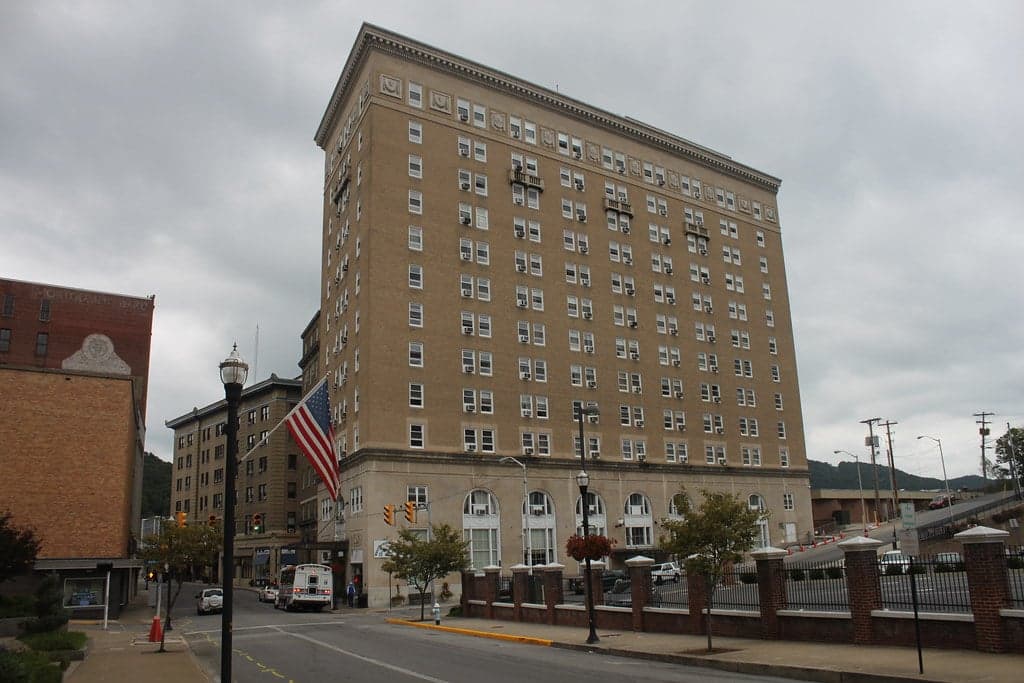
Photo: Wikipedia
Quality of Life in Bluefield, WV
A high quality of life with strong walkability, manageable living costs, healthy neighborhood signals, and solid amenity access.
What does Quality of Life tell us?
Quality of Life blends cost of living, nearby amenities, socioeconomic signals, and neighborhood character. City-level scores represent the whole municipality; individual neighborhoods can differ.
What does this tell us?
Quality of Life blends cost of living, nearby amenities, socioeconomic signals, and neighborhood character. City-level scores represent the whole municipality; individual neighborhoods can differ.
Cost of Living
45% below national average
The Real Cost of Living in Bluefield, WV for 2026
| Tier | Individual | Family (4) |
|---|---|---|
| Survival | $13k | $24k |
| Comfortable | $21k | $31k |
| Luxury | $79k+ | $123k+ |
| Elite (Top 5%) | $95k+ | $147k+ |
141%
The Area Signal
A metric tracking the socioeconomic signals of the area.
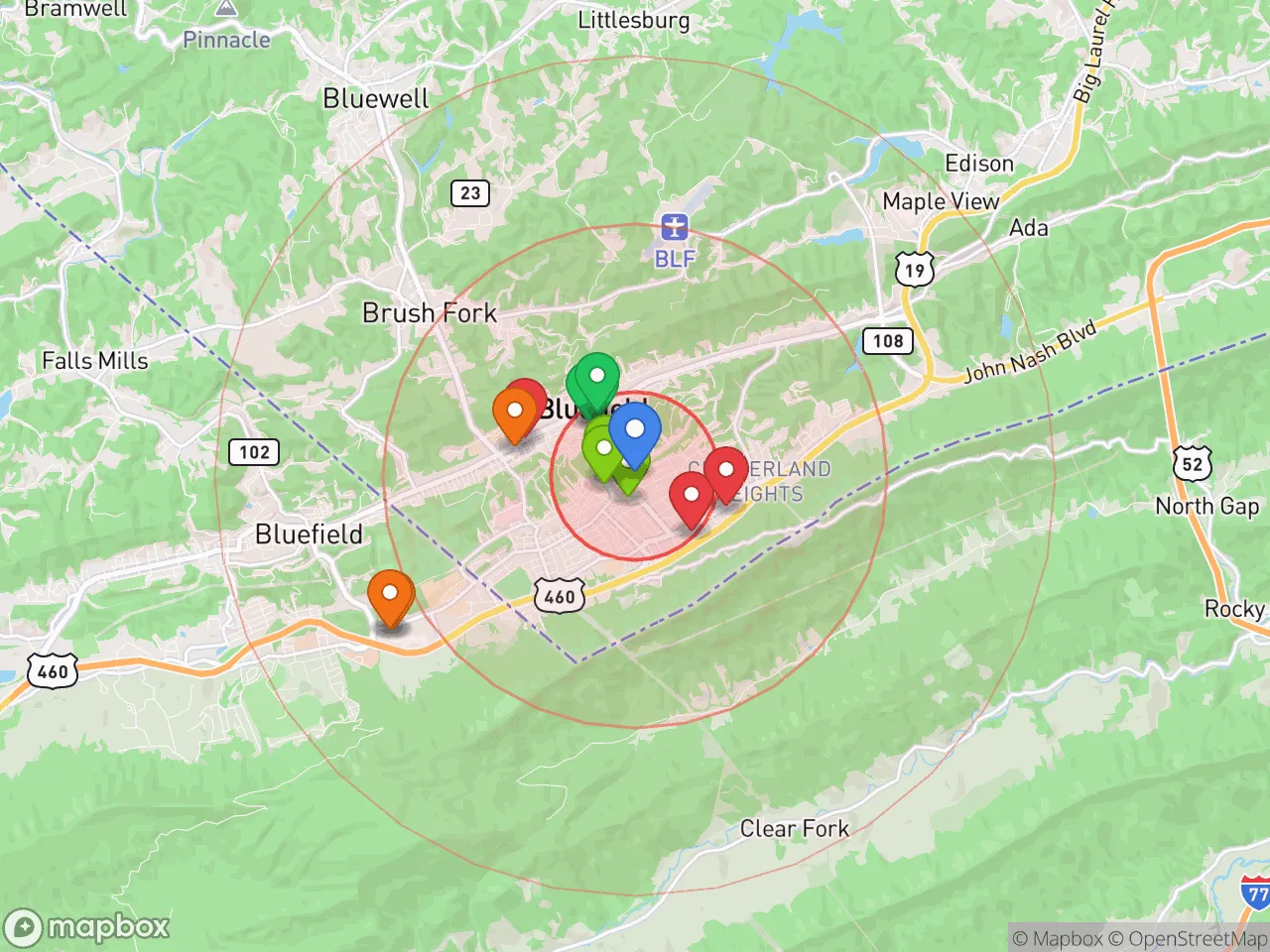
Hobbies
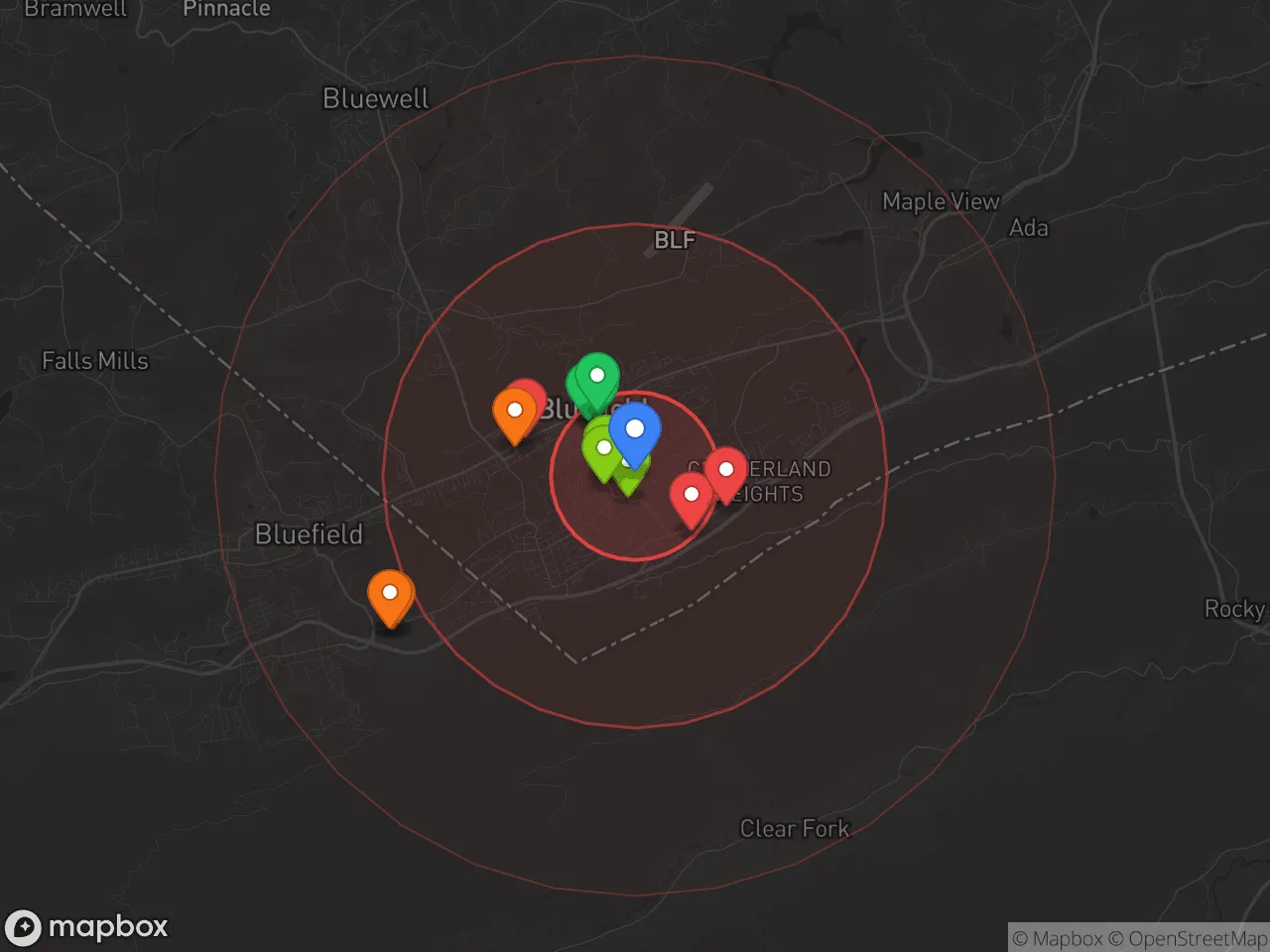
Explore the areaGroceries
4 within 10 miles
Gas
13 within 10 miles
Hospital
3 within 20 miles
Airport
CLT — Charlotte Douglas International
Post Office
USPS — Bluefield, VA
Critical Amenities
Quality-of-Life Analysis
Bluefield, West Virginia, presents a quality of life defined by extreme affordability and a slower, community-oriented pace, attracting a mix of retirees, remote workers, and families seeking to stretch their income further than in most U.S. metro areas. With a cost of living index of 55 (45% below the national average), the city’s economic profile is one of modest means but high purchasing power, where the median household income of roughly $38,000 goes significantly further than in nearby Roanoke, VA, or Charleston, WV. The population of roughly 9,700 is predominantly older and white, with a notable contingent of Appalachian State University alumni and healthcare workers tied to the region’s two major hospitals.
Cost of living, housing affordability, and how Bluefield compares to nearby cities
Bluefield’s housing market is among the most affordable in the Mid-Atlantic, with a median home value of $101,000 and a median rent of $790—roughly half the cost of comparable homes in Princeton, WV (15 miles north) and less than a third of the median in Blacksburg, VA (40 miles east). The average commute of 22 minutes is shorter than the national average of 27 minutes, reflecting the city’s compact layout and limited traffic congestion on US-460 and I-77. Utility costs are slightly below the national average, though winter heating bills can spike due to the region’s elevation (2,600 feet) and reliance on electric or propane heat. Property taxes are low—West Virginia’s effective rate is about 0.55% of home value—meaning a $101,000 home carries roughly $555 in annual taxes, a fraction of what a similar home would cost in Virginia or North Carolina. For renters, the $790 median rent is attainable on a single income at minimum wage, though the rental stock is older and limited, with few new apartment complexes built since 2010.
What daily life is like for families: schools, amenities, and local rhythm
Daily life in Bluefield revolves around a handful of anchor institutions: Bluefield Regional Medical Center and Carilion Clinic are the largest employers, while Bluefield State University provides a small college-town feel with fewer than 1,200 students. The Mercer County School system serves the area, with Bluefield High School graduating about 100 students per year and offering limited Advanced Placement courses; families seeking more options often commute to Princeton’s schools or consider private options like Montessori Academy of Bluefield. Groceries and retail are concentrated along Cumberland Road (US-52), anchored by a Walmart Supercenter and a Food City, but dining and entertainment options are sparse—residents typically drive 30 minutes to Bristol, VA for chain restaurants, movie theaters, or live music. Outdoor amenities include the Bluefield City Park (with a pool, tennis courts, and a disc golf course) and the nearby Pocahontas Trail for hiking, but the city lacks a dedicated recreation center or public transit system. The rhythm is quiet and neighborly, with community events like the Bluefield Blue Jays minor-league baseball games and the annual Bluefield Apple Festival drawing modest crowds.
Bluefield is best suited for those who prioritize low housing costs and a low-stress commute over urban amenities and career diversity. Retirees on fixed incomes, remote workers with stable internet (fiber is available in parts of the city), and healthcare professionals employed at the local hospitals will find the affordability compelling. Families with high academic aspirations or specialized extracurricular needs may struggle with limited school options and the 30-minute drive to Bristol for activities. The city’s economic base is narrow—coal, healthcare, and education—so job seekers outside those fields should secure employment before relocating. For those who value a quiet, walkable downtown with historic architecture and a strong sense of community, Bluefield offers a genuine small-town Appalachian experience at a price point nearly unmatched in the eastern United States.

Crime in Bluefield, WV
Lower crime rates than 75% of comparable U.S. locations.
Violent CrimeViolent Crime Analysis
Property CrimeProperty Crime Analysis
Crime Analysis
Bluefield, West Virginia, presents a mixed safety picture, with its violent crime rate of 364.7 per 100,000 residents sitting notably below the national average but above the state average, while its property crime rate of 762.6 per 100,000 is lower than both state and national benchmarks. The city's location in a conservative, rural region of southern West Virginia means its justice system generally avoids the progressive prosecutorial policies seen in larger metropolitan areas, which can contribute to more predictable law enforcement outcomes. However, like many small Appalachian cities, Bluefield faces challenges tied to economic decline and opioid-related offenses that shape daily safety realities.
Crime in context
Bluefield's violent crime rate of 364.7 per 100,000 is roughly 20% lower than the U.S. average of 380 per 100,000, but it is significantly higher than the West Virginia state average of approximately 280 per 100,000. The property crime rate of 762.6 per 100,000 is well below the national average of 1,954 per 100,000 and also below the state average of roughly 1,200 per 100,000. These figures place Bluefield in a relatively favorable position compared to larger cities in the region, such as Charleston or Huntington, which report higher violent crime rates. The city's low property crime rate is a standout positive, reflecting a community where burglary and theft are less pervasive than in many comparably sized towns.
What residents experience
Residents of Bluefield most commonly encounter property crimes like theft from vehicles and vandalism, though these occur at a lower frequency than in many peer communities. Violent incidents, while less common, tend to be concentrated among individuals known to each other rather than random attacks on strangers. The local police department maintains a visible presence, and community policing efforts are active, particularly in the downtown and residential neighborhoods. Unlike in jurisdictions with progressive district attorneys who may deprioritize certain offenses, Bluefield's Mercer County prosecutorial approach is generally conservative, emphasizing enforcement and accountability. This means that arrests and convictions for both violent and property crimes are pursued consistently, which can act as a deterrent and contribute to the city's below-average crime rates.
Neighborhood-level variation in Bluefield is notable. The area around the Bluefield State University campus and the historic district along Bland Street tend to have lower crime rates, while some peripheral neighborhoods and areas near the Mercer County line experience higher incidences of drug-related activity and break-ins. The city's compact size—roughly 10,000 residents—means that crime patterns are often influenced by specific blocks rather than broad zones. Prospective residents are advised to consult local police reports or speak with a real estate agent familiar with the city's micro-neighborhoods to identify the safest pockets, particularly given the economic disparities that exist between the eastern and western sides of town.
* Values derived from national, state, county, city and local statistics and may differ in a specific area. Last updated: 2026-05-01T13:45:23.000Z
Narrative content on this page is AI-generated and may contain mistakes. Verify any details that matter before acting on them.
ReloMaps may earn a commission from affiliate links at no extra cost to you.

