Photo: Wikipedia
Quality of Life in Boise, ID
Above-average quality of iife. The area offers a reasonable cost of living, decent mobility, and a mix of neighborhood amenities.
What does Quality of Life tell us?
Quality of Life blends cost of living, nearby amenities, socioeconomic signals, and neighborhood character. City-level scores represent the whole municipality; individual neighborhoods can differ.
What does this tell us?
Quality of Life blends cost of living, nearby amenities, socioeconomic signals, and neighborhood character. City-level scores represent the whole municipality; individual neighborhoods can differ.
Cost of Living
35% above national average
The Real Cost of Living in Boise, ID for 2026
| Tier | Individual | Family (4) |
|---|---|---|
| Survival | $22k | $41k |
| Comfortable | $89k | $130k |
| Luxury | $147k+ | $228k+ |
| Elite (Top 5%) | $184k+ | $286k+ |
62%
The Area Signal
A metric tracking the socioeconomic signals of the area.
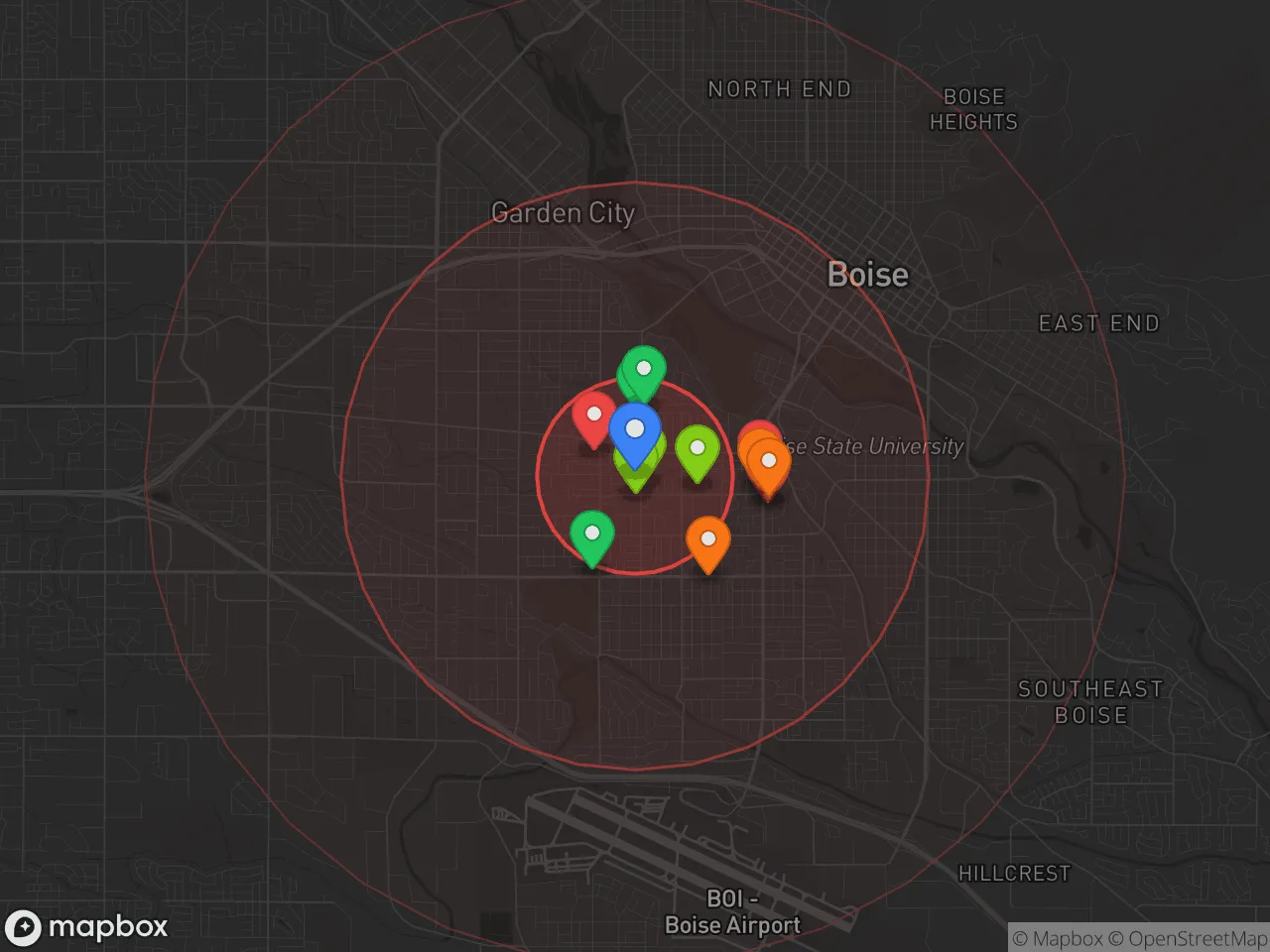
Hobbies
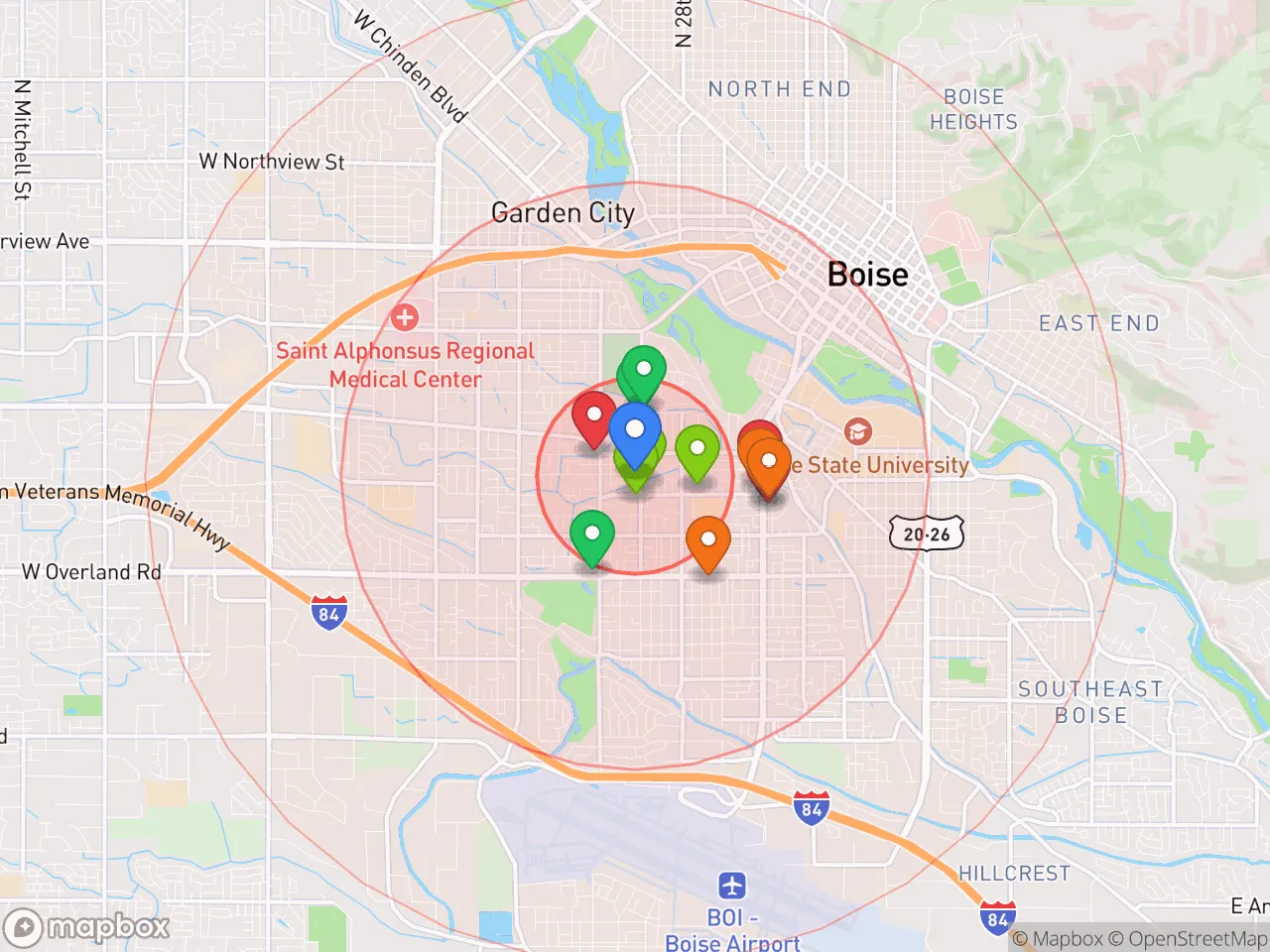
Explore the areaGroceries
5 within 10 miles
Gas
0 within 10 miles
Hospital
3 within 20 miles
Airport
SLC — Salt Lake City International
Post Office
USPS — Meridian, ID
Critical Amenities
Quality-of-Life Analysis
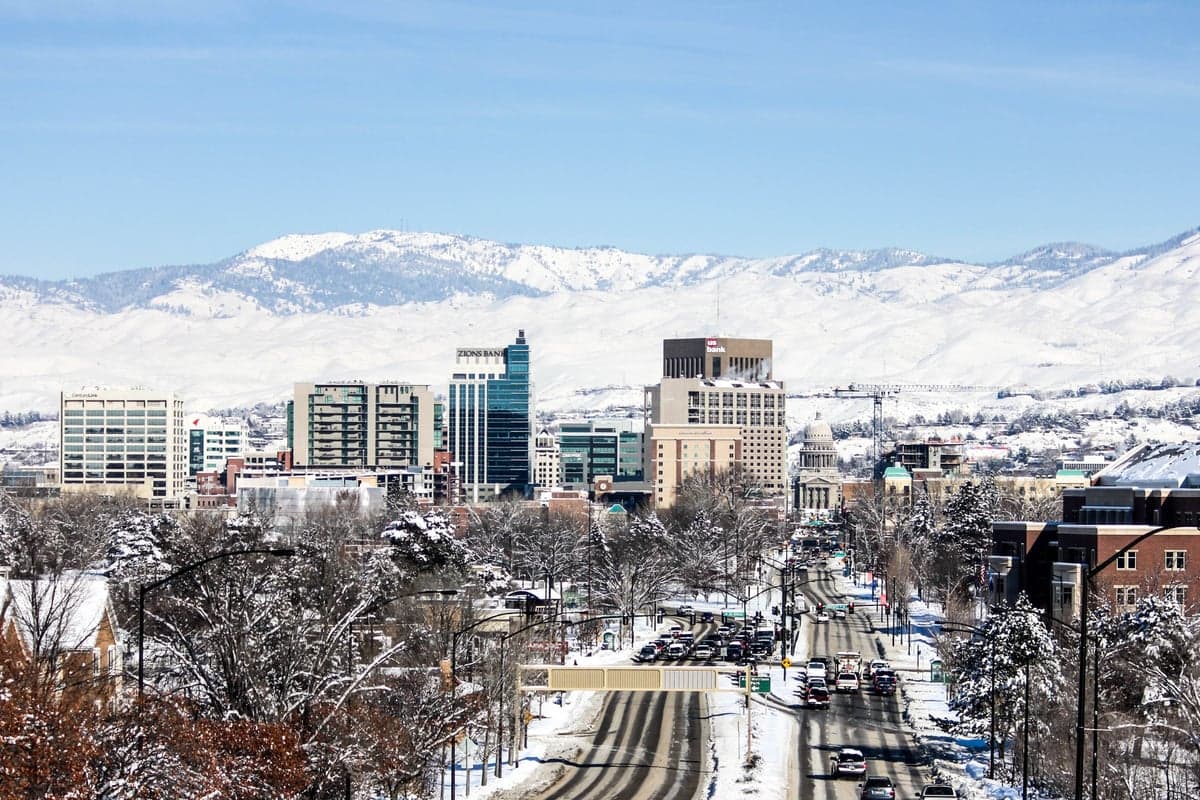
Boise, Idaho, has transformed from a quiet state capital into one of the fastest-growing metro areas in the Pacific Northwest, drawing a mix of remote tech workers, outdoor enthusiasts, and families seeking a lower-tax alternative to Portland or Seattle. The city’s affluence is reflected in its cost of living index of 135 (100 = U.S. average), meaning everyday expenses run roughly 35% above the national norm, yet the area remains a relative bargain compared to coastal hubs. The typical resident is college-educated, politically moderate, and values a lifestyle that balances a 19-minute average commute with immediate access to world-class river recreation and mountain trails.
Cost of living, housing affordability, and how Boise compares to nearby areas
Boise’s housing market has cooled from its 2021–2022 peak but remains expensive by inland Northwest standards. The median home value sits at $456,000, roughly 2.5 times the national median, while the median rent of $1,359 is more accessible but still above the U.S. average of $1,200. For context, a comparable home in nearby Meridian or Eagle runs 5–10% higher, while Nampa (20 miles west) offers median values around $380,000. The 19-minute average commute is a standout advantage — shorter than Boise’s peer cities like Spokane (24 minutes) or Bend (22 minutes) — and reflects the city’s compact urban footprint and limited sprawl. However, wages have not kept pace with housing: the median household income of $72,000 covers a mortgage on a median-priced home only with a 20% down payment, pushing many first-time buyers toward Ada County’s outer edges or Canyon County.
What daily life is like for families: schools, amenities, and outdoor access
Daily life in Boise revolves around a strong sense of community anchored by the Boise School District, which consistently ranks among Idaho’s top performers — Timberline High School and Boise High School both hold GreatSchools ratings of 8/10 or higher. The city’s 200+ miles of paved greenbelt trails along the Boise River provide a car-free corridor connecting downtown to parks, breweries, and the foothills. Families fill weekends at the Boise Farmers Market (April–October) or at Bogus Basin, a nonprofit ski resort 16 miles north that offers night skiing and summer mountain biking. The downtown core, anchored by the Basque Block and the Boise Centre convention space, supports a walkable restaurant scene that punches above the city’s size. For healthcare, St. Luke’s Health System operates the region’s only Level I trauma center and is a major employer, alongside Micron Technology and the state government.
Boise is best suited for professionals and families who prioritize outdoor recreation, short commutes, and a slower pace than the West Coast’s major metros, but who can absorb the elevated housing costs. Remote workers earning coastal salaries will find the tax advantage compelling — Idaho’s flat 5.8% income tax is lower than Oregon’s 9.9% top rate — while those on local wages may need to stretch budgets or look to neighboring towns like Kuna or Star. The city’s rapid growth has strained infrastructure and pushed some longtime residents outward, but for newcomers seeking a clean, safe, and active environment with four distinct seasons, Boise remains one of the most balanced mid-sized cities in the Mountain West.

Crime in Boise, ID
Generally safer than 72% of comparable U.S. locations.
Violent CrimeViolent Crime Analysis
Property CrimeProperty Crime Analysis
Crime Analysis
Boise, Idaho, maintains a crime rate significantly below the national average, but its safety profile is increasingly shaped by local justice policies that residents should examine closely. The city's violent crime rate stands at 279.3 incidents per 100,000 residents, while property crime occurs at a rate of 833.7 per 100,000. These figures place Boise in a moderate safety tier among U.S. cities, though the trend lines and prosecutorial environment warrant careful attention for anyone considering relocation.
Crime in context
Boise's violent crime rate is roughly 24% lower than the national average of approximately 370 per 100,000, while its property crime rate sits about 15% below the U.S. median of roughly 1,950 per 100,000. Compared to Idaho's statewide violent crime rate of roughly 240 per 100,000, Boise is slightly elevated—a common pattern for the state's largest urban center. However, these raw numbers do not tell the full story. Ada County, which encompasses Boise, has seen a noticeable uptick in property crimes such as vehicle theft and burglary since 2020, a trend local law enforcement attributes partly to repeat offender releases under progressive bail reform policies championed by the county's elected officials. The presence of liberal-leaning judges and a district attorney's office that emphasizes diversion programs over incarceration has, in practice, resulted in shorter sentences for property crimes and a higher recidivism rate among offenders convicted of theft and drug possession.
What residents experience
For daily life in Boise, the practical impact of these policies is most visible in downtown and the Bench neighborhoods, where residents report increased instances of car break-ins, package theft, and aggressive panhandling. Violent crime remains relatively rare and is largely concentrated in specific areas near the airport and along the Wye corridor, but property crime has become a persistent nuisance. The Boise Police Department's clearance rate for property crimes has dropped to roughly 12%, meaning the vast majority of thefts go unsolved. This low clearance rate is a direct consequence of the district attorney's office deprioritizing prosecution of non-violent property offenses, a policy that critics argue effectively incentivizes criminal activity by removing meaningful consequences. Residents who value strong public safety enforcement should be aware that the local justice system's progressive orientation—while sympathetic to offenders—has created an environment where property crime is a low-risk, high-reward activity.
Neighborhood-level variation is significant. The North End and East Boise areas experience roughly 40% fewer property crimes per capita than the central core and the Vista neighborhood. Gated communities and newer subdivisions in Meridian and Eagle, just west of Boise, report even lower incident rates, though they remain within the same prosecutorial jurisdiction. For those prioritizing safety, choosing a neighborhood with active homeowners' associations and private security patrols can mitigate some of the systemic risks posed by the county's lenient justice policies.
* Values derived from national, state, county, city and local statistics and may differ in a specific area. Last updated: 2026-04-15T23:29:25.000Z
Narrative content on this page is AI-generated and may contain mistakes. Verify any details that matter before acting on them.
ReloMaps may earn a commission from affiliate links at no extra cost to you.

