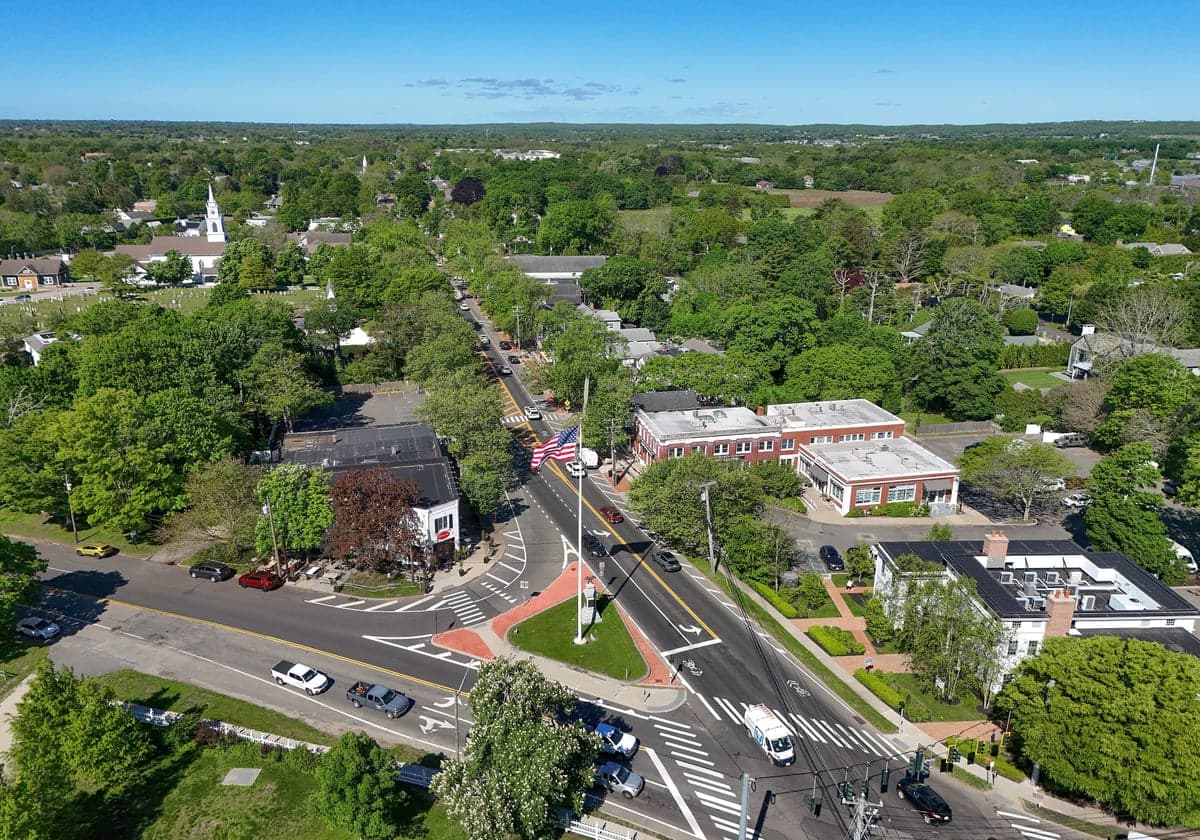
Photo: Wikipedia
Quality of Life in Bridgehampton, NY
A high quality of life with strong walkability, manageable living costs, healthy neighborhood signals, and solid amenity access.
What does Quality of Life tell us?
Quality of Life blends cost of living, nearby amenities, socioeconomic signals, and neighborhood character. City-level scores represent the whole municipality; individual neighborhoods can differ.
What does this tell us?
Quality of Life blends cost of living, nearby amenities, socioeconomic signals, and neighborhood character. City-level scores represent the whole municipality; individual neighborhoods can differ.
Cost of Living
600% above national average
The Real Cost of Living in Bridgehampton, NY for 2026
| Tier | Individual | Family (4) |
|---|---|---|
| Survival | $45k | $84k |
| Comfortable | $384k | $564k |
| Luxury | $398k+ | $616k+ |
30%
The Area Signal
A metric tracking the socioeconomic signals of the area.
Hobbies
Explore the areaGroceries
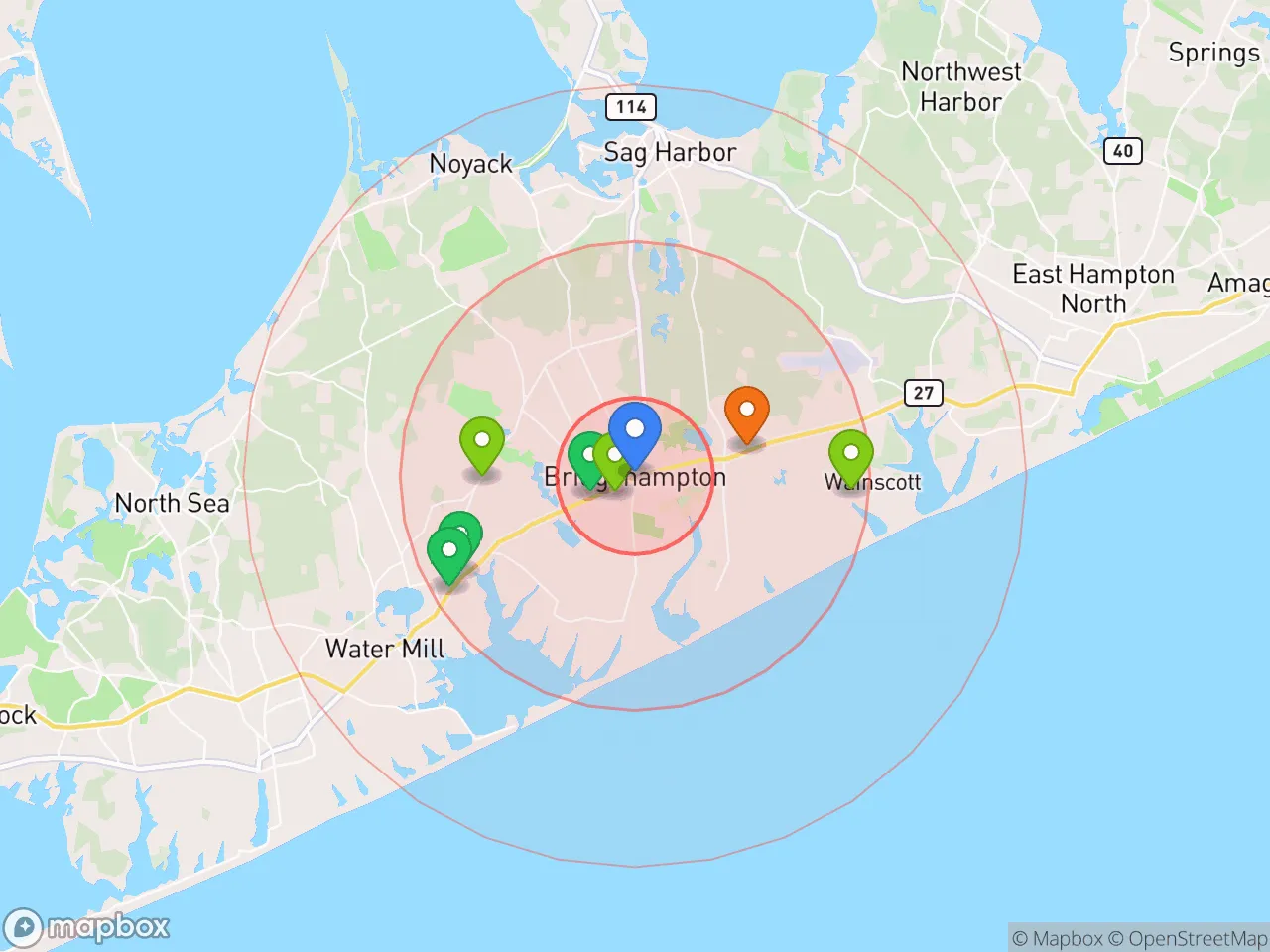
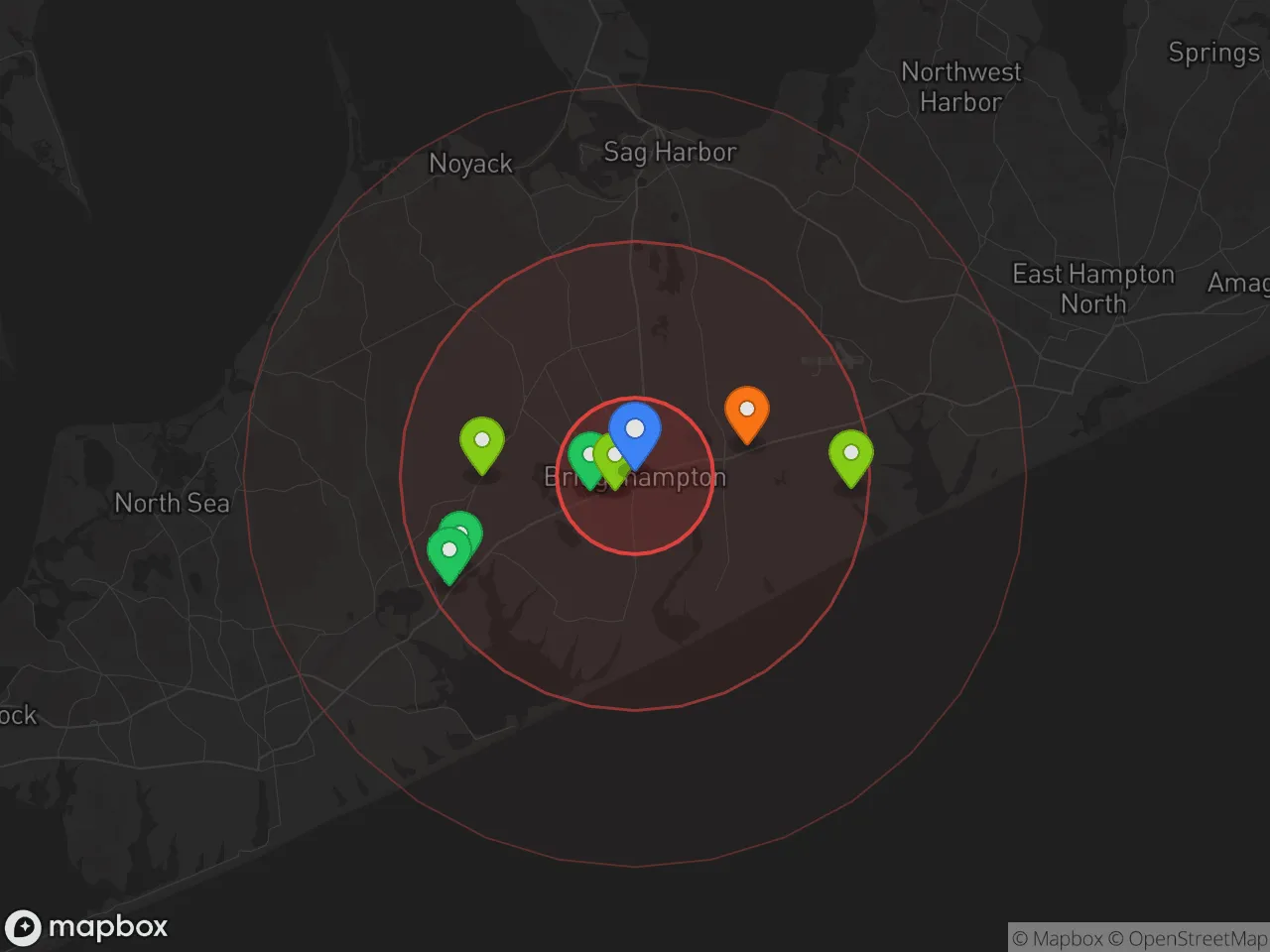
4 within 10 miles
Gas
10 within 10 miles
Hospital
3 within 20 miles
Airport
JFK — John F. Kennedy International
Post Office
USPS — Bridgehampton, NY
Critical Amenities
Quality-of-Life Analysis
Bridgehampton, New York, represents the apex of East End affluence, where a population of roughly 2,500 residents—many of them second-home owners, creative professionals, and retirees—enjoys a quality of life defined by pristine beaches, world-class dining, and a deeply seasonal rhythm. The hamlet’s character shifts dramatically between the quiet, foggy winters and the celebrity-studded summers, when property values and social energy peak. For those who can afford its steep entry costs, Bridgehampton offers a rare blend of rural tranquility and luxury convenience, though the trade-off is a cost of living that is among the highest in the nation.
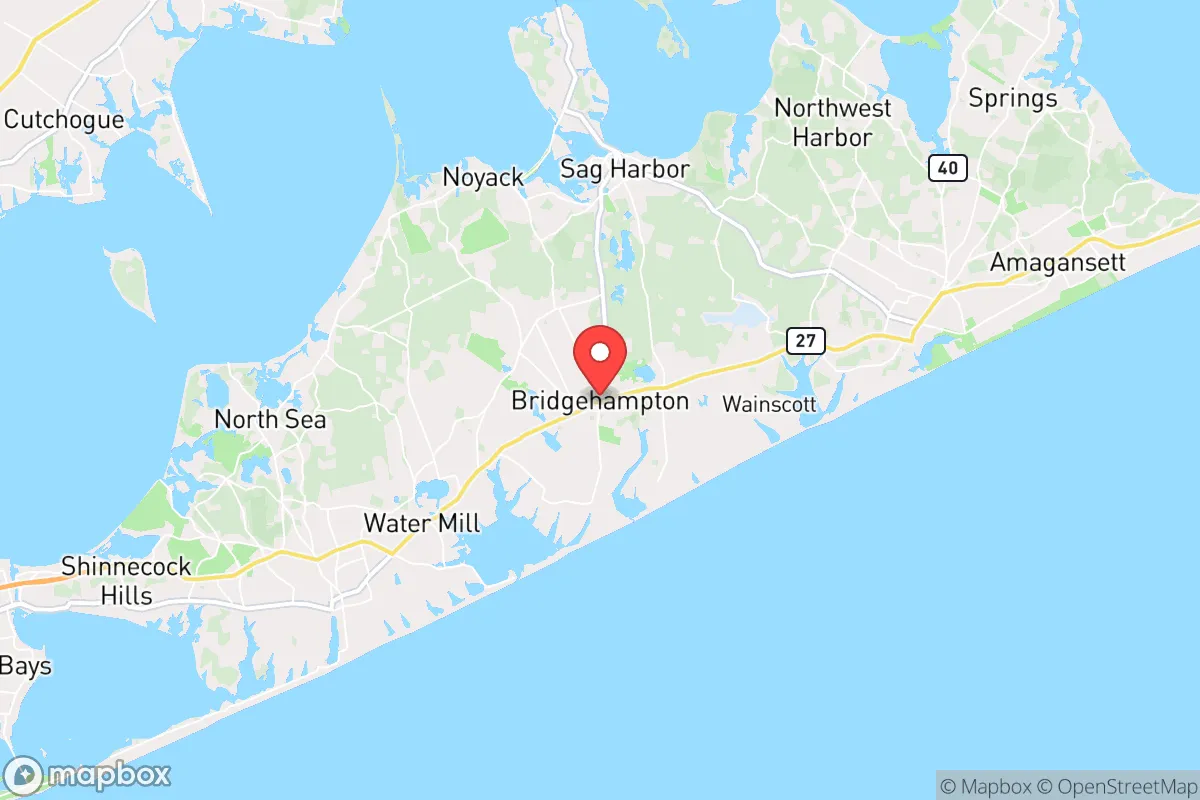
Cost of living, housing affordability, and how Bridgehampton compares to nearby Hamptons villages
With a cost of living index of 700—seven times the U.S. average—Bridgehampton is one of the most expensive places to live in New York State. The median home value sits at $1,974,400, placing it above Sag Harbor (approx. $1.5M) but below the ultra-premium enclaves of Southampton Village and Water Mill, where median values often exceed $2.5M. Renters face a more accessible median rent of $1,576, though this figure reflects a mix of year-round apartments and seasonal rentals; summer-only leases can triple that amount. The average one-way commute of 32.8 minutes is longer than the national average (26 minutes), driven by residents traveling to jobs in Southampton, East Hampton, or Manhattan via the Long Island Rail Road or the Hamptons Jitney. Property taxes in Bridgehampton are high—typically 1.5% to 2% of assessed value—but the hamlet offers a Star exemption for primary residences, which can reduce the burden for full-time homeowners.
What daily life is like for families: schools, amenities, and seasonal rhythms
Daily life in Bridgehampton revolves around the Bridgehampton Union Free School District, a small K-12 system with roughly 300 students and a 10:1 student-teacher ratio. The district consistently earns top ratings from Niche and GreatSchools, with strong programs in the arts and STEM. For groceries and errands, residents rely on the Bridgehampton Commons shopping center, anchored by King Kullen and a popular Citarella market, while the nearby Bridgehampton Historical Society and the South Fork Museum of Natural History provide cultural anchors. The hamlet’s beaches—including the private Bridgehampton Ocean Beach Association—are a major draw, though non-residents must purchase seasonal passes. Summer brings the Bridgehampton Chamber Music Festival and the Hampton Classic Horse Show, which transform the quiet village into a social hub. Winters are markedly slower, with many restaurants and shops closing or reducing hours, making it a haven for those seeking solitude.
Bridgehampton is best suited for high-income households, retirees, and remote workers who value proximity to the ocean, top-tier schools, and a tight-knit community over urban convenience. Families with children will find excellent public education and a safe, low-crime environment, while second-home owners benefit from strong property appreciation—home values in the Hamptons rose roughly 12% year-over-year as of 2025. However, the high cost of living and seasonal isolation may deter younger professionals or those on fixed incomes. For those who can absorb the financial demands, Bridgehampton offers a quality of life that is both exclusive and deeply rooted in the natural beauty of the South Fork.

Crime in Bridgehampton, NY
Generally safer than 56% of comparable U.S. locations.
Violent CrimeViolent Crime Analysis
Property CrimeProperty Crime Analysis
Crime Analysis
Bridgehampton, New York, presents a complex safety picture for prospective residents. While the hamlet is often perceived as a tranquil, affluent enclave on the South Fork of Long Island, its crime rates are notably higher than the national average, a reality that demands careful consideration. The violent crime rate stands at 331.5 incidents per 100,000 residents, and the property crime rate is 1,323.4 per 100,000, figures that place it in a more concerning category than many of its East End neighbors.
Crime in context
Bridgehampton’s crime statistics diverge sharply from both New York State and national benchmarks. The violent crime rate of 331.5 per 100,000 is roughly 15% higher than the national average and significantly exceeds the already elevated rates found in many parts of Suffolk County. Property crime, at 1,323.4 per 100,000, is also above the national average. These numbers are particularly striking given the hamlet’s small year-round population and high property values. A key factor driving these figures is the influence of the broader Suffolk County justice system, which operates under progressive district attorneys and judges. This ideological approach, while prioritizing offender rehabilitation, has been linked to reduced consequences for repeat offenders and a higher likelihood of criminals returning to the streets, directly impacting public safety and undermining justice for victims. The result is a statistical profile that warns of a higher risk environment than the hamlet’s bucolic reputation suggests.
What residents experience
For those living in Bridgehampton, the statistical risk translates into tangible concerns. Property crime, including burglaries, thefts from vehicles, and package thefts, is the most common issue, particularly during the off-season when many homes are vacant. The seasonal influx of tourists and transient workers also strains local law enforcement resources. Violent crime, while less frequent, is a serious worry, with incidents often tied to disputes, domestic situations, or the drug trade that flows through the region. Residents frequently report a sense of unease after dark in isolated areas, and the presence of a progressive justice system means that even when arrests are made, the likelihood of swift, meaningful consequences for offenders is diminished. This creates a cycle where criminal behavior is less deterred, and the community bears the burden of increased risk.
Neighborhood-level variation in Bridgehampton is significant, though not always obvious. The core village area, with its mix of high-end shops and restaurants, sees higher foot traffic and a corresponding uptick in petty theft and disorder. The more secluded, multi-acre estates along the ocean and in the agricultural reserve experience a different threat profile: a higher risk of targeted burglaries by organized crews who know these properties are often unoccupied. Conversely, the more modest residential streets near the Bridgehampton School and the Sag Harbor Turnpike tend to report fewer major incidents, though they are not immune to the broader county-wide trends. Prospective residents should prioritize properties with modern security systems and consider the specific block-level history, as the hamlet’s safety is far from uniform.
* Values derived from national, state, county, city and local statistics and may differ in a specific area. Last updated: 2026-04-24T01:49:11.000Z
Narrative content on this page is AI-generated and may contain mistakes. Verify any details that matter before acting on them.
ReloMaps may earn a commission from affiliate links at no extra cost to you.

