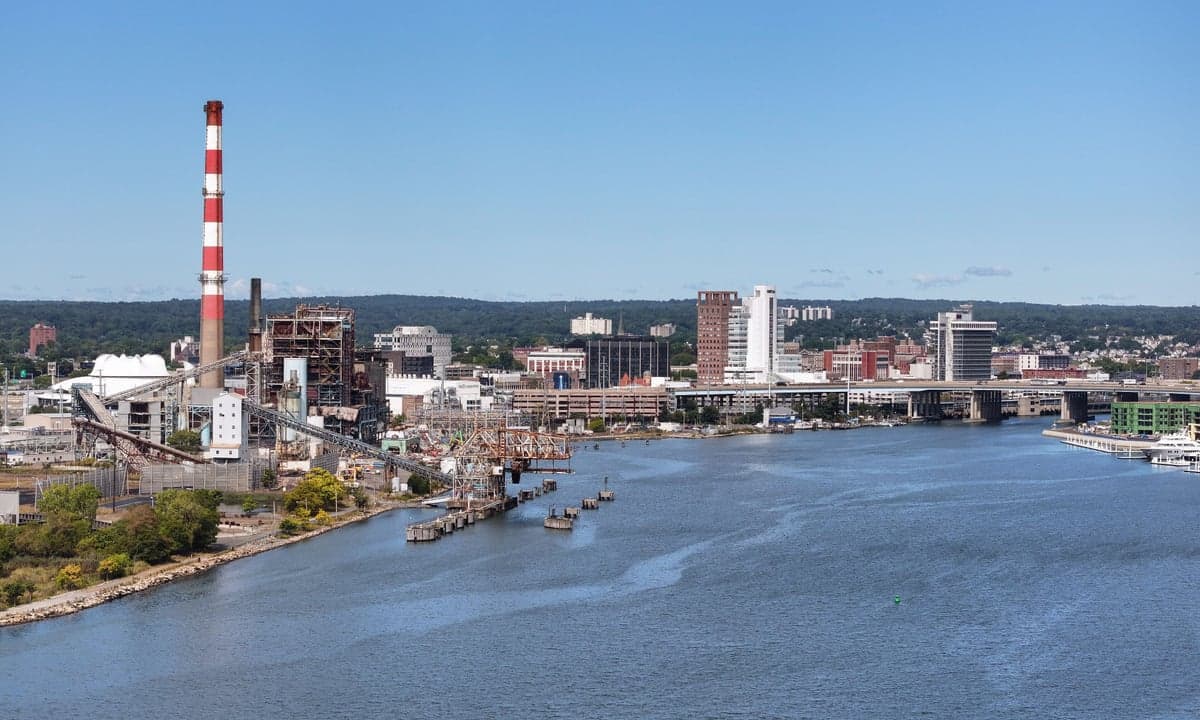
Photo: Wikipedia
Quality of Life in Bridgeport, CT
Above-average quality of iife. The area offers a reasonable cost of living, decent mobility, and a mix of neighborhood amenities.
What does Quality of Life tell us?
Quality of Life blends cost of living, nearby amenities, socioeconomic signals, and neighborhood character. City-level scores represent the whole municipality; individual neighborhoods can differ.
What does this tell us?
Quality of Life blends cost of living, nearby amenities, socioeconomic signals, and neighborhood character. City-level scores represent the whole municipality; individual neighborhoods can differ.
Cost of Living
8% above national average
The Real Cost of Living in Bridgeport, CT for 2026
| Tier | Individual | Family (4) |
|---|---|---|
| Survival | $22k | $42k |
| Comfortable | $49k | $72k |
| Luxury | $102k+ | $158k+ |
| Elite (Top 5%) | $129k+ | $200k+ |
78%
The Area Signal
A metric tracking the socioeconomic signals of the area.
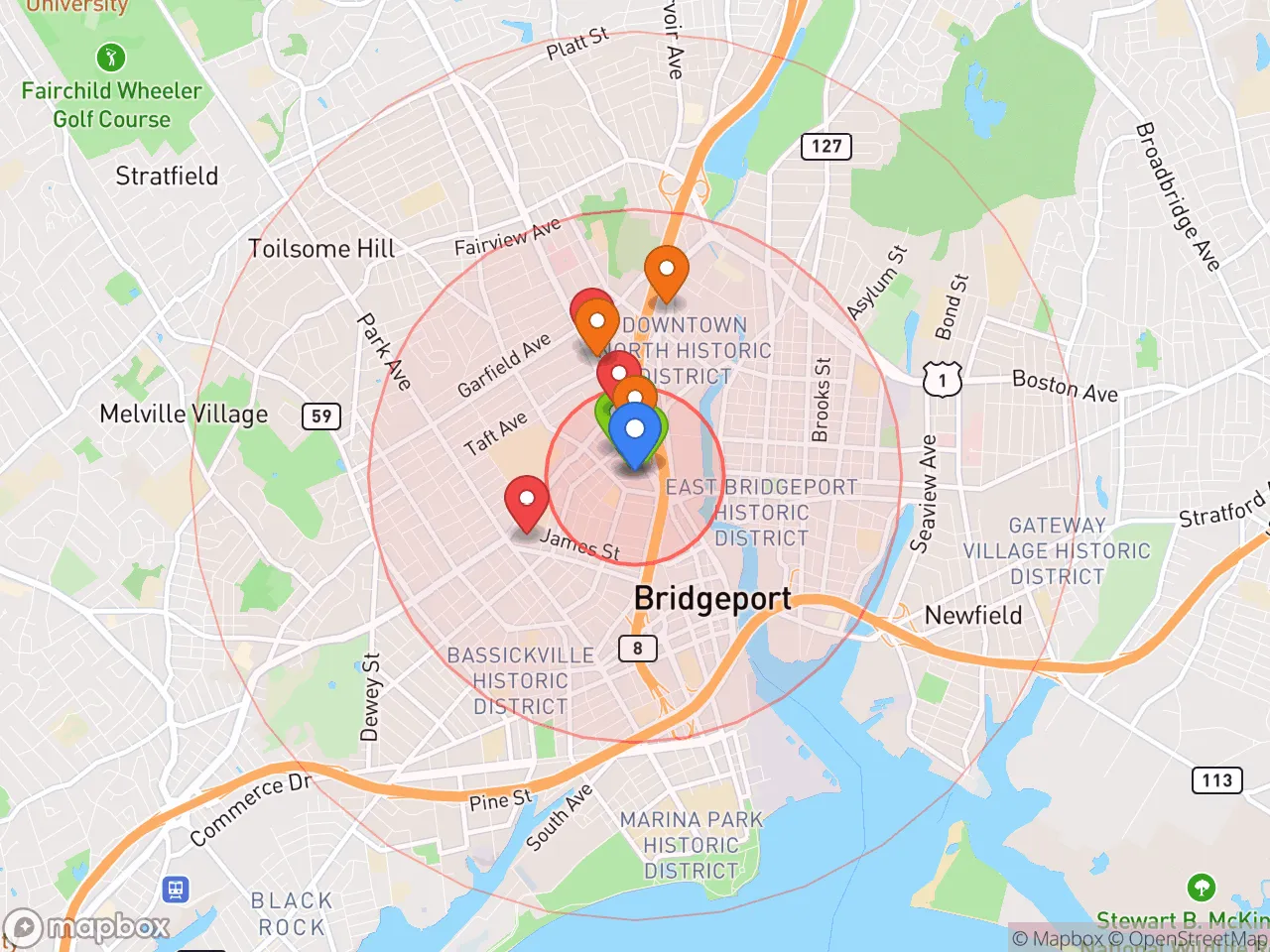
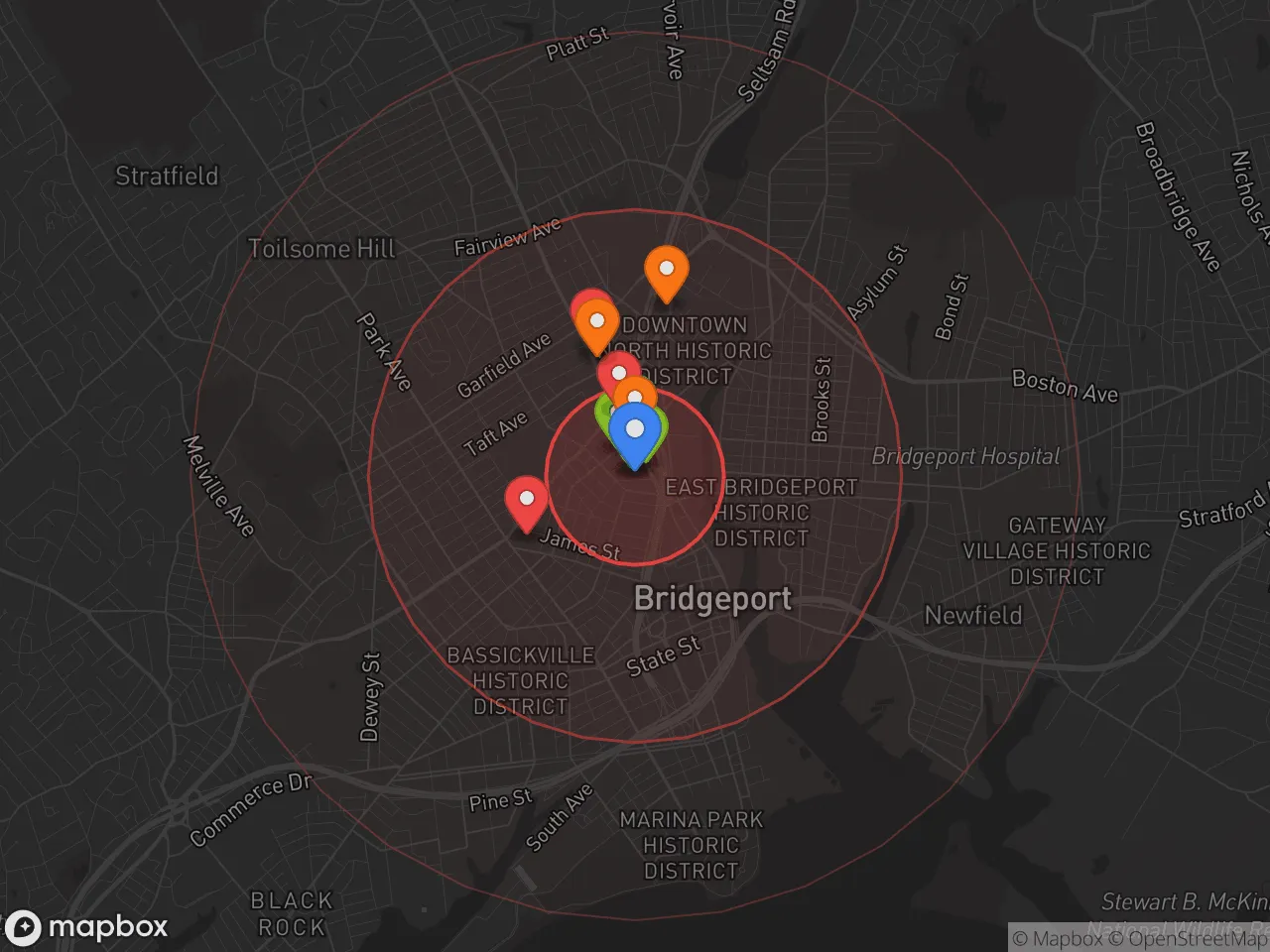
Hobbies
Explore the areaGroceries
7 within 10 miles
Gas
20 within 10 miles
Hospital
20 within 20 miles
Airport
JFK — John F. Kennedy International
Post Office
USPS — Bridgeport, CT
Critical Amenities
Quality-of-Life Analysis
Bridgeport, Connecticut, presents a complex quality-of-life picture that blends urban affordability with the challenges of a post-industrial city. With a cost-of-living index of 108 (just 8% above the national average), it stands as one of the more budget-friendly options along the Gold Coast of Fairfield County, attracting a mix of young professionals, long-term residents, and commuters who prioritize lower housing costs over suburban tranquility. The city's population of roughly 148,000 is notably diverse, with a median age of 34.6, reflecting a younger, more transient demographic than surrounding bedroom communities like Fairfield or Trumbull.
Cost of living, housing affordability, and how Bridgeport compares to Fairfield County
Bridgeport's housing market is the primary draw for cost-conscious buyers and renters. The median home value sits at $252,400, a stark contrast to the Fairfield County median of roughly $550,000, making it one of the most accessible entry points for homeownership in the region. Median rent is $1,405, which is approximately 30% lower than in neighboring Stamford or Norwalk. However, this affordability comes with trade-offs: the city's property tax rate is among the highest in the state, and the average commute of 29.9 minutes is slightly longer than the national average, reflecting the many residents who travel to jobs in Stamford, Danbury, or New York City. While the overall cost index is manageable, utility and transportation costs in Bridgeport run above the national average, partially offsetting housing savings.
What daily life is like: amenities, schools, and neighborhood character
Daily life in Bridgeport is defined by its urban density and access to cultural assets that are rare for a city of its size. The city is home to the Barnum Museum, the Housatonic Museum of Art, and the Bridgeport Sound Tigers minor league hockey team, providing entertainment options that rival larger metros. The public school system, Bridgeport Public Schools, serves roughly 20,000 students and has faced persistent challenges with funding and performance, though magnet schools like the Bridgeport International Academy and the Fairchild Wheeler Interdistrict Magnet School offer specialized programs. For families, the city's 28 parks—including the 260-acre Beardsley Park and the seaside Seaside Park—provide green space, but the overall walkability score of 63 is moderate, with many errands requiring a car. The downtown area has seen revitalization efforts, including new apartment developments and the Steelpointe Harbor mixed-use project, but vacant storefronts and pockets of blight remain visible.
Who thrives in Bridgeport? The city best suits budget-focused homebuyers and renters who work in Fairfield County or New York City and are willing to accept a longer commute and urban grit in exchange for significantly lower housing costs. It is also a fit for artists, students at the University of Bridgeport, and those who value cultural diversity and proximity to the Long Island Sound over suburban school rankings. Conversely, families seeking top-tier public schools or a low-crime suburban environment will likely find neighboring towns like Trumbull or Monroe more aligned with their priorities. For those who can navigate its challenges, Bridgeport offers a rare combination of affordability and urban amenities within one of the nation's most expensive regions.

Crime in Bridgeport, CT
Generally safer than 56% of comparable U.S. locations.
Violent CrimeViolent Crime Analysis
Property CrimeProperty Crime Analysis
Crime Analysis
Bridgeport, Connecticut, faces a serious public safety challenge, with crime rates significantly exceeding both state and national averages. The city's violent crime rate stands at 241.2 incidents per 100,000 residents, while property crime occurs at a rate of 1,264.8 per 100,000. These figures place Bridgeport among the most dangerous cities in Connecticut, a reality shaped not only by socioeconomic factors but also by the progressive judicial policies prevalent in Fairfield County and the broader New York metropolitan area. Readers considering relocation should weigh these statistics carefully, as the local justice system's emphasis on offender rehabilitation over incarceration contributes directly to higher recidivism and more criminals on the street.
Crime in context
Bridgeport's violent crime rate is roughly 40% higher than the Connecticut state average and nearly double the national median for cities of its size. Property crime is even more pronounced, with the 1,264.8 per 100,000 rate exceeding the state average by approximately 60%. These numbers reflect a broader regional trend: large metro areas in the Northeast, particularly those with liberal district attorneys and progressive judges, consistently report elevated crime levels. In Bridgeport, the combination of a high poverty rate (over 20%) and a justice system that prioritizes diversion programs and reduced sentencing for nonviolent offenders has created an environment where property crimes like theft, burglary, and motor vehicle theft are routine concerns for residents and business owners alike.
What residents experience
For those living in Bridgeport, the daily reality involves navigating a city where property crime is the most frequent threat. Car break-ins, package thefts, and home burglaries are common, particularly in neighborhoods near Interstate 95 and the downtown core. Violent crime, while less frequent, is concentrated in specific areas and often linked to gang activity and drug trafficking. Residents report feeling safest in the North End and Black Rock sections, where community policing efforts have had some effect, but even these areas see periodic spikes in theft and vandalism. The progressive policies of the Bridgeport State's Attorney's office—which has championed bail reform and alternative sentencing—mean that many offenders cycle quickly back into the community, undermining the deterrent effect of arrest and prosecution. This directly impacts victims, who often see their cases resolved with minimal consequences for perpetrators.
Neighborhood-level variation is stark. The East Side and South End experience the highest violent crime rates, while the West Side and Brooklawn areas see more property crime but lower rates of assault and robbery. Prospective residents should prioritize the Black Rock and North End neighborhoods for their relatively lower crime statistics and stronger community watch programs. However, even in these safer pockets, the overarching reality is that Bridgeport's crime problem is systemic, driven by a judicial philosophy that prioritizes the rights of offenders over the safety of law-abiding citizens. Anyone moving to the area should invest in home security systems, participate in neighborhood watch groups, and remain vigilant, particularly after dark.
* Values derived from national, state, county, city and local statistics and may differ in a specific area. Last updated: 2026-04-24T12:22:16.000Z
Narrative content on this page is AI-generated and may contain mistakes. Verify any details that matter before acting on them.
ReloMaps may earn a commission from affiliate links at no extra cost to you.

