 Popular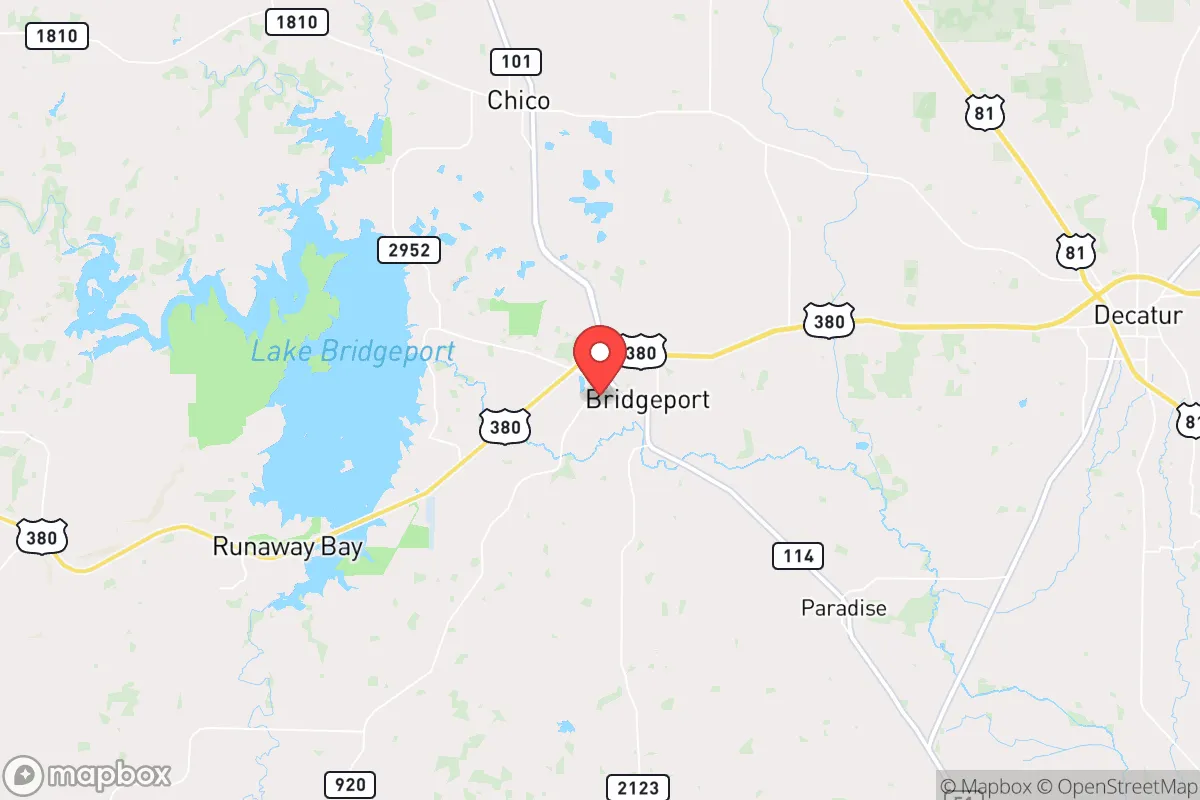
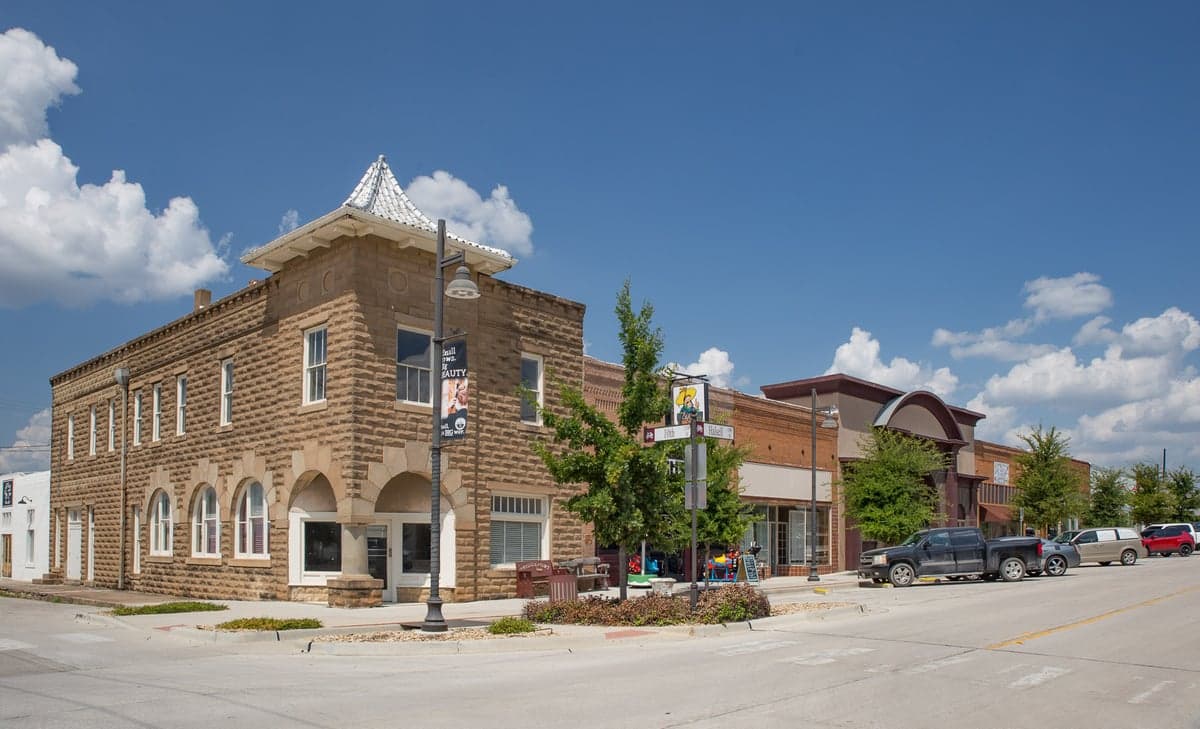
Photo: Wikipedia
Find The Best Places To Live
in Bridgeport
PRO TIP! You can paste a Zillow or Redfin link to get info on that property.
What It's Like Living in Bridgeport, TX
Bridgeport, Texas, feels like one of those places where everybody knows your name—or at least your truck. It’s a small town of just over 6,000 people, tucked along the edge of the Dallas-Fort Worth metroplex, but with an identity that’s stubbornly its own. You won’t find chain-store sprawl or a rush-hour commute that eats your morning; instead, you get a community that still gathers for Friday night lights and where the biggest decision of the week might be whether to grab a burger at the local diner or head to the lake.
Daily Rhythm and Who Fits In
Life here moves at a pace that suits people who want space to breathe without giving up access to the city. The median age is 34.1, and the median household income sits at $93,914—a number that goes further here than in most places, thanks to a cost of living index of 96 (slightly below the national average). That means a family can afford a median home value of $241,100 and still have room in the budget for a boat or an ATV. The kind of person who fits in is someone who values a slower rhythm: maybe a tradesperson, a remote worker, or a young family who wants a yard and good schools without the six-figure mortgage of a Dallas suburb. You’ll see a lot of pickup trucks, a lot of kids in sports jerseys, and a lot of folks who wave at strangers on the street.
Daily life revolves around practical things. People shop at the local Brookshire’s or drive to Decatur for bigger errands. Weekends often mean time on the water—Bridgeport is right next to Lake Bridgeport, a popular spot for fishing, boating, and jet skiing. The weather follows a classic North Texas pattern: hot, dry summers that push everyone toward the lake or the shade, and mild winters that occasionally throw an ice storm to remind you who’s in charge. Spring and fall are short but gorgeous, and the whole town seems to come outside for them.
Sports, Community, and What There Is to Do
If you want to understand Bridgeport, start with the high school. Bridgeport High School football is the closest thing the town has to a professional sports team, and on Friday nights in the fall, the stands are packed. The Bulls are a big deal—not just for the game, but because it’s where everyone catches up. Parents, grandparents, and even folks without kids in school show up. It’s the social calendar’s anchor. Beyond football, there’s baseball, softball, and volleyball, and the school system itself is a central part of community identity. With only 21.9% of adults holding a college degree, many locals value the trades and vocational paths, and the schools reflect that practical bent.
For entertainment, you’re not looking at a concert venue or a nightclub scene. Instead, the big draw is the Bridgeport Rodeo, held every summer, which brings in bull riding, barrel racing, and a carnival atmosphere. There’s also the annual Wise County Fair in nearby Decatur, and the Lake Bridgeport Music Festival that pulls regional acts. Bars and restaurants are low-key: think The Feed Lot for steak and cold beer, El Sombrero for reliable Tex-Mex, and Bridgeport Coffee Company for a morning pick-me-up. If you want a louder night, you drive 20 minutes to Decatur or 45 to Fort Worth. The trade-off is that you trade nightlife for quiet skies and a sense of safety—the violent crime rate is 143.1 per 100,000, well below the national average, and property crime is similarly low.
Pros and Cons of Living Here
Let’s be honest about what works and what doesn’t. On the upside, the cost of living is a genuine advantage: a median home value of $241,100 gets you a solid three-bedroom house with a yard, something that would cost double in many DFW suburbs. The community is tight-knit in a way that’s rare—neighbors help neighbors, and the schools are small enough that teachers know your kid’s name. Outdoor access is excellent: Lake Bridgeport offers fishing, camping, and water sports, and the nearby LBJ National Grasslands provide hiking and horseback riding. Traffic is essentially a non-issue; you can cross town in ten minutes.
On the downside, job opportunities within town are limited. Most people commute to Decatur, Fort Worth, or even Dallas for work, and that drive can stretch to an hour each way if you’re heading into the metroplex. The restaurant and shopping options are sparse—you’ll drive for a mall, a movie theater, or any chain beyond fast food. And while the low crime rate is a plus, the town’s small size means everyone knows everyone’s business, which can feel suffocating if you value anonymity. The summer heat is relentless, and the lack of public transit means a car is mandatory. For single people in their twenties, the dating pool is shallow, and the social scene can feel limited to church groups, sports, or the lake. For parents, though, it’s a different story: the schools are safe, the community watches out for kids, and the pace of life leaves room for family time.
Bridgeport isn’t for everyone. It’s for people who want a low-key, affordable life where community matters more than convenience, and where the biggest excitement might be a Friday night football game or a Saturday on the lake. If that sounds like a trade you can live with, you’ll find a place that feels like home.

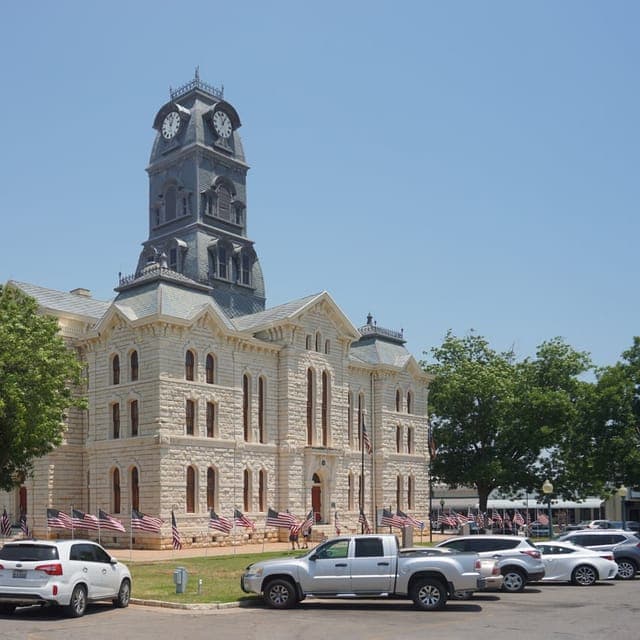
Similar small towns to Bridgeport
* Values derived from national, state, county, city and local statistics and may differ in a specific area. Last updated: 2026-05-08T21:12:31.000Z
Narrative content on this page is AI-generated and may contain mistakes. Verify any details that matter before acting on them.
ReloMaps may earn a commission from affiliate links at no extra cost to you.

