Photo: Wikipedia
Find The Best Places To Live
in Gainesville
PRO TIP! You can paste a Zillow or Redfin link to get info on that property.
What It's Like Living in Gainesville, TX
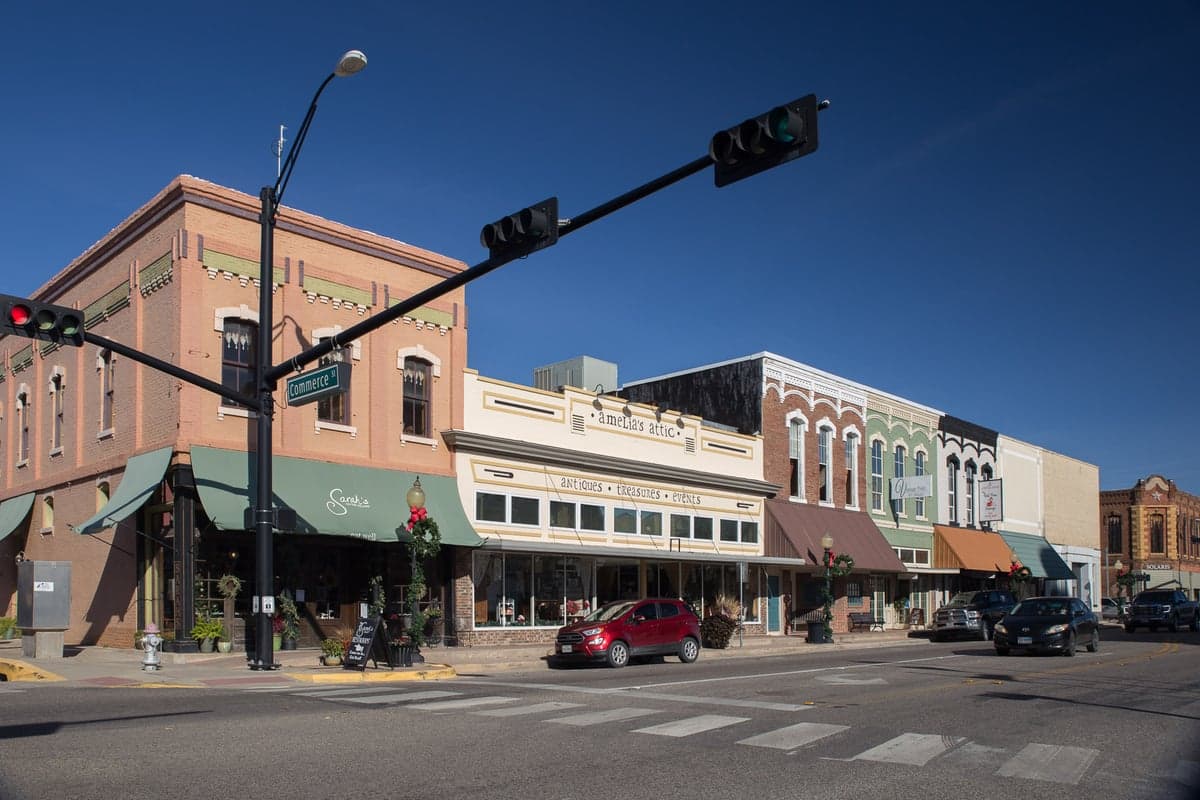
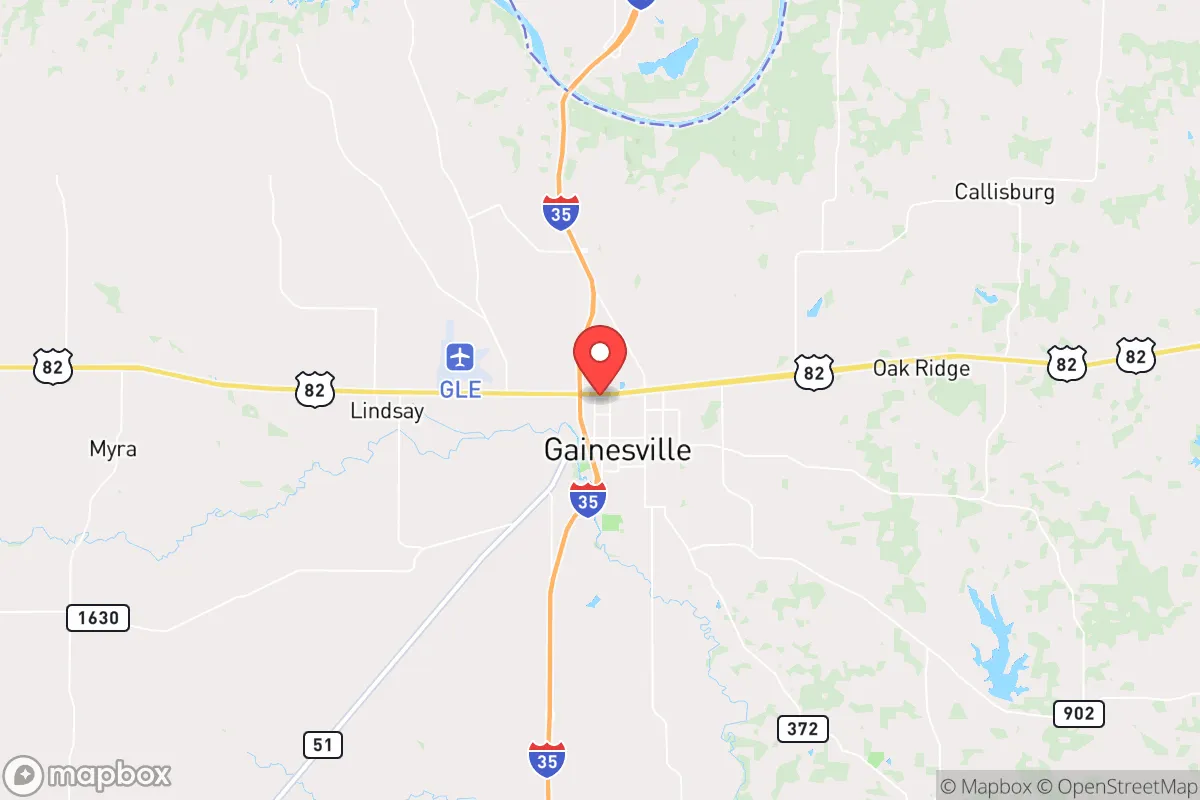
If you picture a classic North Texas town where Friday night lights still matter and folks know your name at the local diner, Gainesville fits the bill. It’s a community of roughly 17,700 people, sitting right on the Oklahoma border, with a slower pace that feels a world away from the DFW sprawl—yet it’s close enough that a commute to the metroplex is doable for those who need it. Life here revolves around family, work, and a genuine sense of neighborliness, but it’s not without its trade-offs, especially for younger singles or those used to more urban amenities.
Daily Rhythm: What Life Actually Looks Like
A typical weekday in Gainesville starts early. Many residents work in manufacturing, healthcare, or retail, with major employers like the Tyson Foods plant and the Gainesville State School providing a solid base of jobs. The average commute clocks in at just under 23 minutes—short enough that you’re not burning half your morning in traffic, but long enough to reflect that work options within city limits aren’t endless. For families, the school day sets the schedule, and the Gainesville Independent School District is a central hub of activity, with the high school’s football and basketball games drawing big crowds on fall and winter evenings.
Weekends are low-key. You’ll see people grabbing breakfast at Luby’s or a local spot like Jumbo’s, hitting the Gainesville Outlet Shoppes for bargain shopping, or spending time at Leonard Park—a sprawling green space with a lake, walking trails, and a disc golf course that gets steady use. The Cooke County Fair in September is a highlight, bringing carnival rides, livestock shows, and a sense of small-town pride. For a night out, the Downtown Square has a few bars and restaurants, like Roma’s Italian Bistro and The Pour House, but don’t expect a club scene—this is a place where a quiet beer with friends is the standard.
Who Fits In—and Who Might Struggle
Gainesville leans heavily toward families and people in their 30s and 40s—the median age is 35.4, which is right in line with the national average. The median household income sits at $56,341, and with a cost of living index of 79 (21% below the U.S. average), that money goes further than it would in most places. A median home value of $162,900 means a young couple or a single parent can realistically buy a house without being house-poor. That said, only about 19.6% of adults hold a college degree, so the professional white-collar job market is thin. If you work remotely or commute to Denton or Frisco (about 45 minutes south), you’ll find more opportunity, but the daily drive can wear on you.
Singles under 30 often find the social scene limited. There’s no major university here (the closest is North Central Texas College in nearby Corinth), and the dating pool is small. The kind of person who thrives in Gainesville is someone who values quiet, community ties, and outdoor recreation over nightlife and cultural variety. If you’re a parent who wants a safe, affordable place to raise kids where neighbors look out for each other, this town delivers.
Sports, Community, and the Things That Bring People Together
High school sports are the undisputed king here. The Gainesville Leopards football games at Leopard Stadium are the biggest weekly events in the fall, drawing crowds that pack the bleachers and fill the air with the smell of popcorn and hot dogs. Basketball and baseball also have strong followings, and the local youth leagues are well-supported. There are no pro or major college teams in town, but many residents are die-hard Dallas Cowboys or Texas Rangers fans, and you’ll see plenty of burnt orange on Saturdays for the University of Texas.
Beyond sports, the community gathers for the Gainesville Christmas Parade and the Annual Hot Air Balloon Festival at the airport, which draws visitors from across the region. The Frank Buck Zoo in Leonard Park is a small but beloved attraction, especially for families with young kids. For outdoor enthusiasts, Lake Ray Roberts is a 20-minute drive south, offering fishing, boating, and camping that fills many a summer weekend.
Pros and Cons: The Honest Trade-Offs
- Pro: Affordability. Housing is genuinely cheap—you can buy a decent three-bedroom home for under $200,000, and rent is similarly reasonable. Your dollar stretches much further than in DFW.
- Pro: Low crime for a small city. The violent crime rate is 210.5 per 100,000, which is below the Texas average and feels safe day-to-day, though property crime can be an issue in certain pockets.
- Pro: Community feel. People know each other, and it’s easy to get involved—whether through church, the Chamber of Commerce, or volunteer fire departments.
- Con: Limited job diversity. If you’re not in manufacturing, healthcare, or retail, you’ll likely need to commute or work remotely. The 22-minute average commute hides the fact that many drive 45+ minutes to Denton or beyond.
- Con: Few entertainment options. Restaurants are mostly chains or mom-and-pops with limited variety. For concerts, museums, or a diverse food scene, you’re driving at least 45 minutes south.
- Con: Weather extremes. Summers are hot and humid (90s with high humidity), and winters can bring ice storms that shut down the town. Tornado warnings are a seasonal reality.
Gainesville isn’t trying to be the next Austin or Frisco. It’s a place where people trade urban convenience for space, affordability, and a slower rhythm. If that trade-off sounds right, it might just feel like home.

Similar towns to Gainesville



* Values derived from national, state, county, city and local statistics and may differ in a specific area. Last updated: 2026-05-11T00:45:15.000Z
Narrative content on this page is AI-generated and may contain mistakes. Verify any details that matter before acting on them.
ReloMaps may earn a commission from affiliate links at no extra cost to you.

