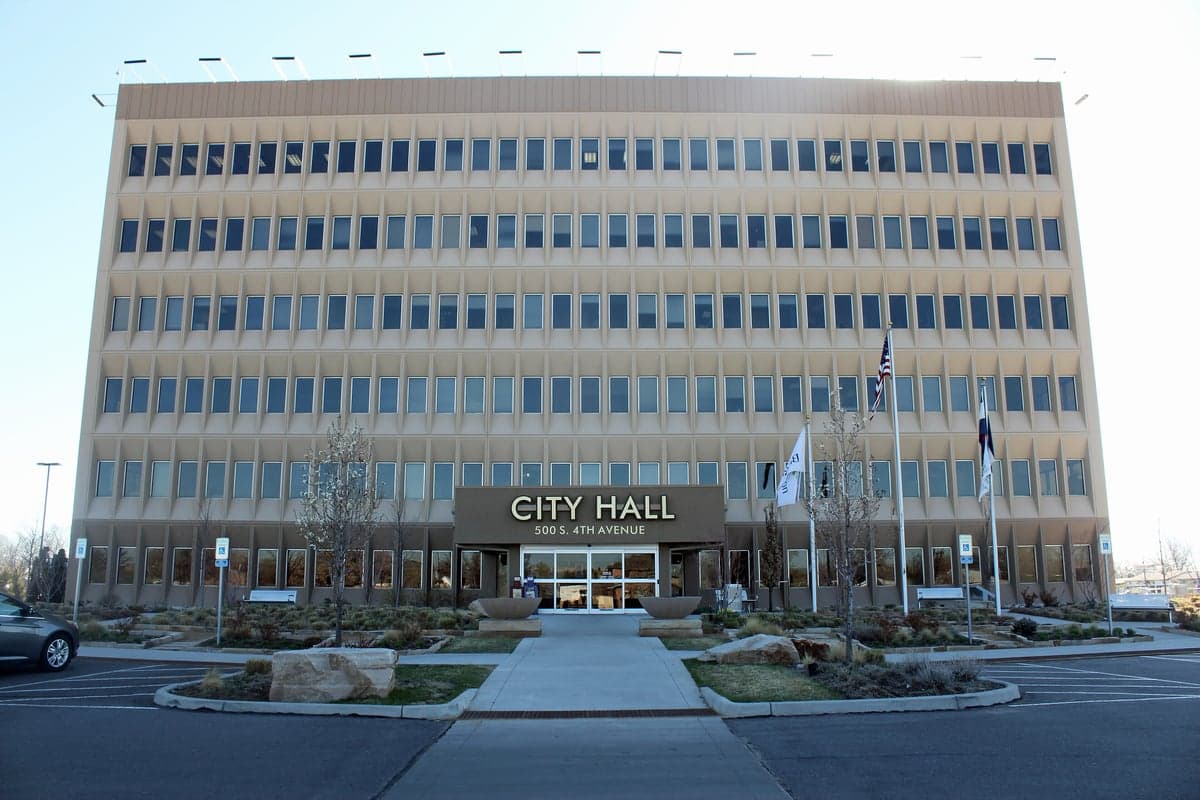
Photo: Wikipedia
Strategic Assessment of Brighton, CO
Multiple tactical vulnerabilities. Population density, target proximity, or disaster risk are likely compounding. A retreat property and exit planning is required.
What does the Strategic Assessment tell us?
Our Strategic Assessment grades tactical survivability of an area. Major population centers, military targets, fallout zones, natural disasters, and border exposure all drive risk — lower exposure means a more defensible position in a crisis.
This is heavily inspired by Joel Skousen's Strategic Relocation book. Highly recommended you checkout the book ($)What does this tell us?
Our Strategic Assessment grades tactical survivability of an area. Major population centers, military targets, fallout zones, natural disasters, and border exposure all drive risk — lower exposure means a more defensible position in a crisis.
This is heavily inspired by Joel Skousen's Strategic Relocation book. Highly recommended you checkout the book ($)Strategic Pillars

Key Distances
Regional Safe Places
Below is our recommended "safe zones" in Colorado and the surrounding area based on our strategic heuristics. For most people, it's unrealistic to live in a “safe zone” full-time due to work, family or other personal reasons. They tend to be more rural. However, many of these areas are perfect for second homes and retreat properties that double as a vacation home or even a short-term rental.
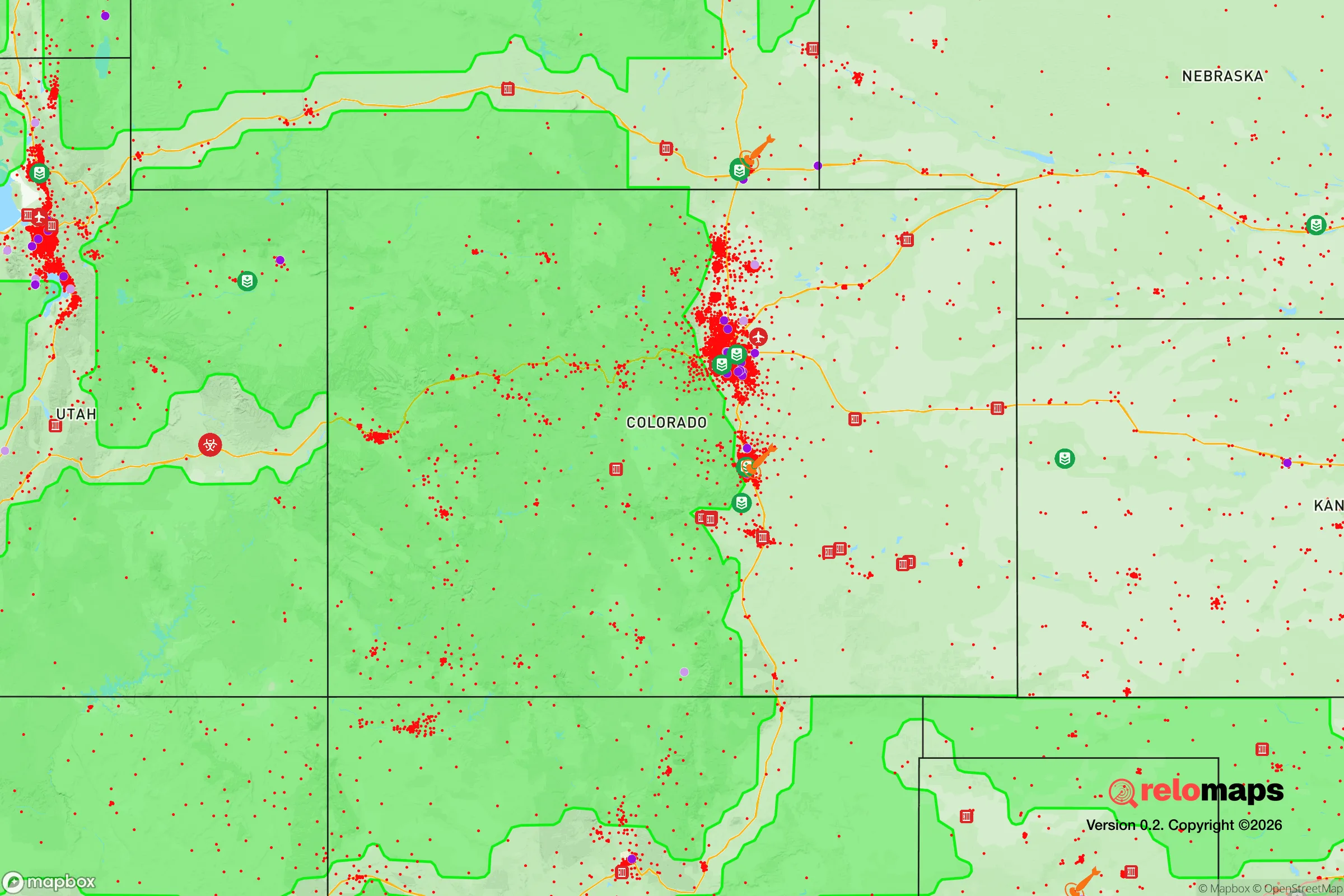
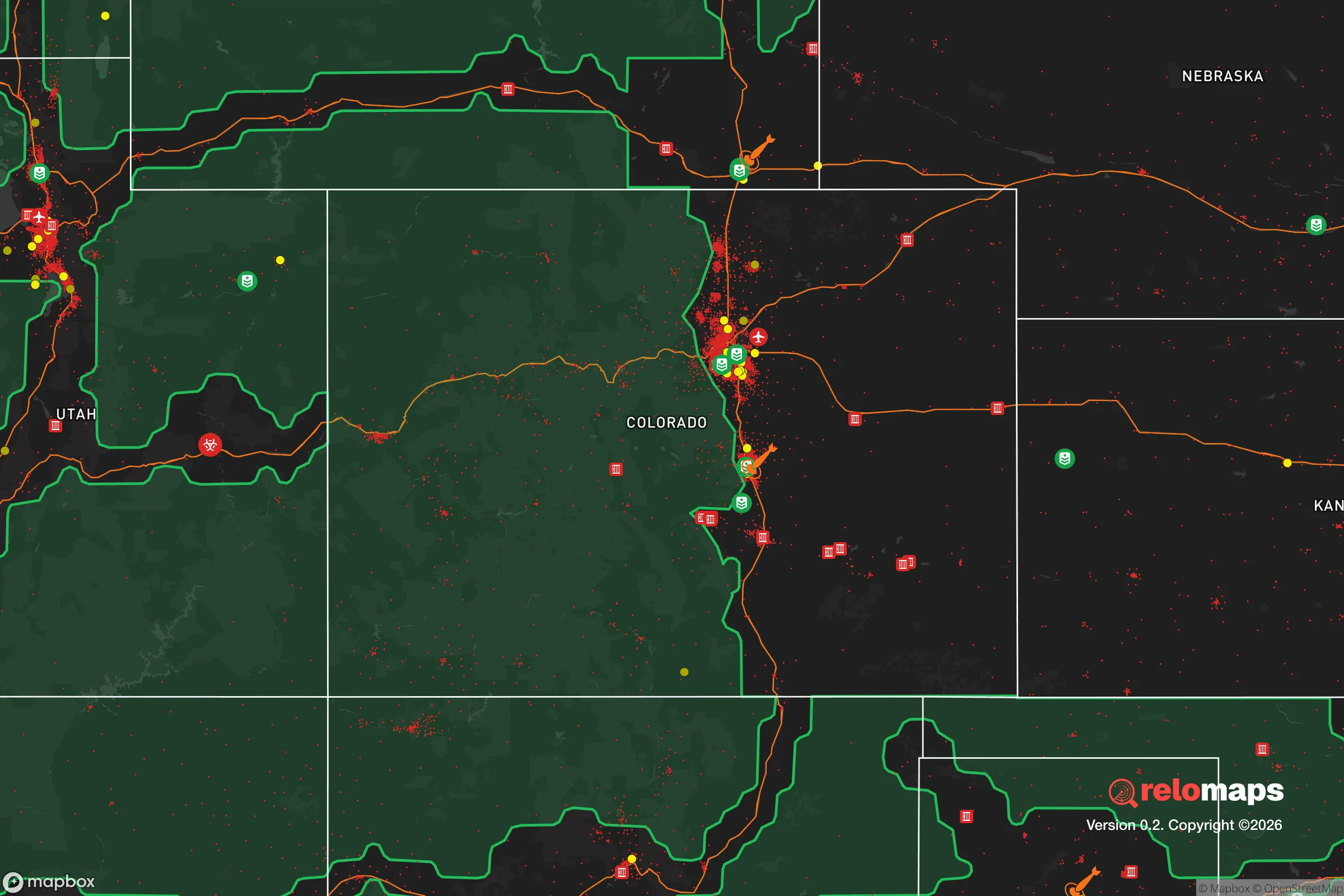


Important Note: For informational purposes only. This does not mean nothing bad ever happens in the green zones. Please use common sense. This is based on public data and modeled with AI. We tried to take a conservative approach but mistakes happen. We update this regularly as new information becomes available.
Solar Generator Recommendations
Backup power matters more here than in safer locations. We've picked three solar generators across budgets and capacity tiers — start with the budget unit if you only need a few essentials, or step up if you want to run a fridge and HVAC for days at a time.

Jackery Portable Power Station Explorer 300
Budget OptionPower on the Go: Weighing only 11 lbs, it's convenient to set up and store with book-sized foldable solar panels

BLUETTI Portable Power Station AC180
Designed for both indoor and outdoor scenarios, AC180 is highly capable as it has a robost capacity and continuous output power.

EF ECOFLOW DELTA Pro Ultra Power Station
Upgraded PickEcoFlow DELTA Pro Ultra is a whole-home energy system designed to grow with your family. Integrated with the Smart Home Panel 2, it scales to meet your evolving energy needs — keeping your home powered, intelligent, and secure through every stage of life.
We earn a commission, at no additional cost to you.
Strategic Assessment Analysis
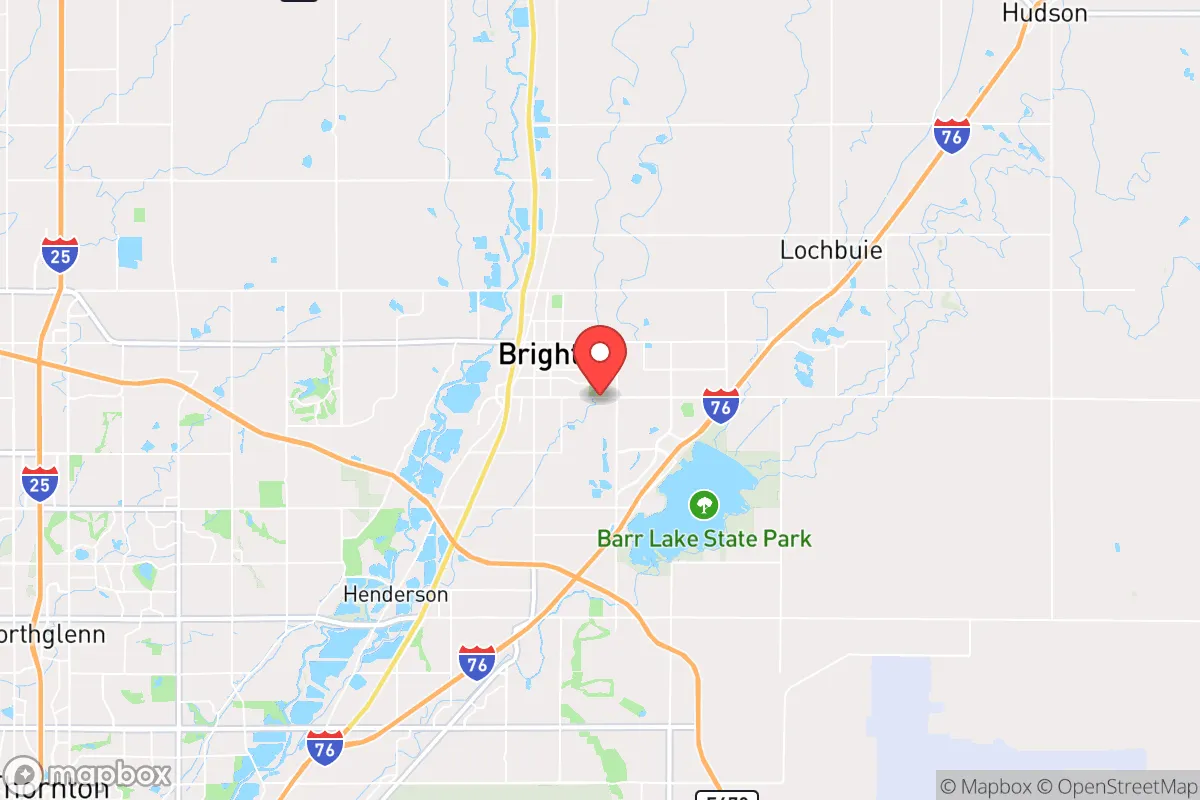
Brighton, Colorado, sits in a precarious but potentially advantageous position for those serious about strategic relocation. Located roughly 25 miles northeast of Denver, it offers a buffer from the immediate chaos of a major urban center while still being close enough to monitor threats and access resources—if you move fast. The area’s agricultural roots, access to the South Platte River, and position along the I-76 corridor give it a mix of resilience and exposure that demands careful consideration. For a prepper or survivalist with a conservative mindset, Brighton is not a fortress, but it could be a viable forward operating base if you understand its risks and plan accordingly.
Geographic position and natural advantages for long-term stability
Brighton’s location is a double-edged sword, but the natural advantages are real. The city sits on the high plains at about 5,000 feet elevation, which means cooler summers and less wildfire risk than the foothills—though not zero. The South Platte River runs through the area, providing a surface water source that could be critical in a grid-down scenario, though it’s heavily managed and not pristine. The surrounding farmland is some of the most productive in the state, with irrigation from the river and groundwater. In a prolonged disruption, this agricultural base could be a lifeline for food, but it also makes the area a target for those fleeing Denver. The terrain is mostly flat to gently rolling, which limits defensible positions but offers good visibility for miles—useful for spotting trouble from a distance. Brighton’s position along the I-76 and E-470 corridors gives you quick access to the Front Range, but those same roads will be clogged with evacuees during any major event. The key advantage here is that Brighton is not a major population hub itself—around 40,000 people—so it avoids the worst of the urban density that makes Denver a disaster magnet. You’re close enough to know what’s happening, far enough to have a fighting chance to react.
Risks, exposures, and proximity to fallout-relevant landmarks
The biggest risk for Brighton is its proximity to Denver and the Rocky Mountain Arsenal National Wildlife Refuge, a former chemical weapons and pesticide production site that still has ongoing cleanup. In a mass casualty event or societal collapse, that arsenal area could become a contamination zone if infrastructure fails. More immediately, Brighton sits near the intersection of major rail lines and highways that move hazardous materials—think ammonia, chlorine, and petroleum. A derailment or attack on those lines could turn the area into a no-go zone for weeks. The city is also within the 50-mile radius of the Rocky Flats National Wildlife Refuge, a former nuclear weapons plant with lingering plutonium contamination. While the site is supposedly stable, any major disaster—earthquake, sabotage, or civil unrest—could disturb that soil and create a long-term health hazard. On the plus side, Brighton is far enough from the Denver International Airport (about 20 miles) that a plane crash or terrorist strike there won’t directly impact you, but the fallout from a major event at DIA—like a cargo plane carrying hazardous goods—could drift eastward. The area is also in tornado alley, with a moderate risk of severe storms, but that’s a manageable threat compared to the man-made ones. For a prepper, the main takeaway is that Brighton’s risks are mostly external—what comes from Denver or the industrial corridors—rather than internal. You’re not living on a fault line or in a floodplain, but you are living in the shadow of a major city that could collapse inward.
Practical resilience for a relocator: food, water, energy, and defensibility
For a single individual or family looking to hunker down, Brighton offers a mixed bag. Water is the biggest concern: the city draws from the South Platte and groundwater, but in a grid-down scenario, municipal pumps will fail. You’ll need a well or a plan to haul water from the river, which is not exactly clean—expect to filter and boil. The agricultural land around Brighton means there are working farms and ranches, so bartering for fresh produce and meat is possible if you build relationships early. But don’t count on it in a crisis; locals will prioritize their own. Energy is a bright spot: Colorado has decent solar potential, and Brighton gets over 250 sunny days a year. A solar array with battery storage could keep your essentials running, though winter storms can knock out panels for days. Natural gas is common here, but the grid is tied to the same infrastructure that serves Denver, so a major disruption could cut supply. Defensibility is the weak link. Brighton is flat, with few natural choke points. Your best bet is a property on the outskirts with good sightlines and a perimeter you can secure—think rural acreage rather than a subdivision. The city itself has a police force, but in a mass casualty event, they’ll be overwhelmed. The local sheriff’s office and nearby Adams County resources are stretched thin even now. For a prepper, the strategy is to be self-sufficient and low-profile. Don’t advertise your supplies. Join a local church or gun club to build a network of like-minded people—there’s a strong conservative and rural culture here that aligns with preparedness values. The Brighton area also has several shooting ranges and outdoor stores, which is a practical plus for training and resupply.
The overall strategic picture for Brighton is one of calculated risk. It’s not a remote bunker location—you’re still within striking distance of Denver’s problems, from civil unrest to infrastructure collapse. But it’s also not a dead-end trap. The agricultural base, water access, and relatively low population density give you a foundation to work with. The key is to treat Brighton as a staging area, not a final redoubt. Have a bug-out plan for the mountains or the plains further east if things get hot. Build your supplies, secure your water, and keep your vehicle fueled and ready. If you’re willing to put in the work and stay alert, Brighton can be a viable option for a conservative-minded relocator who wants to be prepared without going completely off-grid. Just don’t get comfortable—the Front Range is a powder keg, and Brighton is on the edge of the blast zone.

* Values derived from national, state, county, city and local statistics and may differ in a specific area. Last updated: 2026-05-01T10:55:43.000Z
Narrative content on this page is AI-generated and may contain mistakes. Verify any details that matter before acting on them.
ReloMaps may earn a commission from affiliate links at no extra cost to you.

