 Popular
Photo: Wikipedia
Find The Best Places To Live
in Bristol
PRO TIP! You can paste a Zillow or Redfin link to get info on that property.
What It's Like Living in Bristol, PA
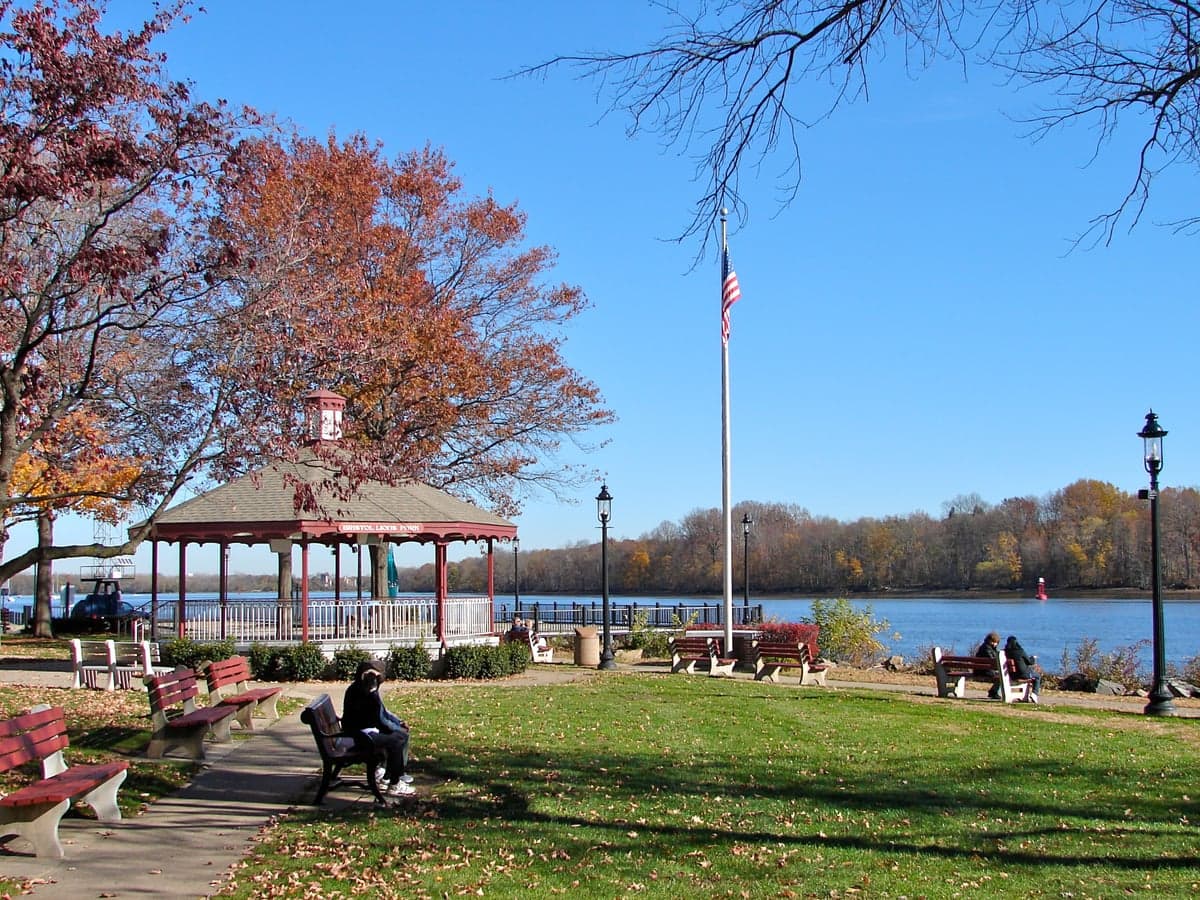
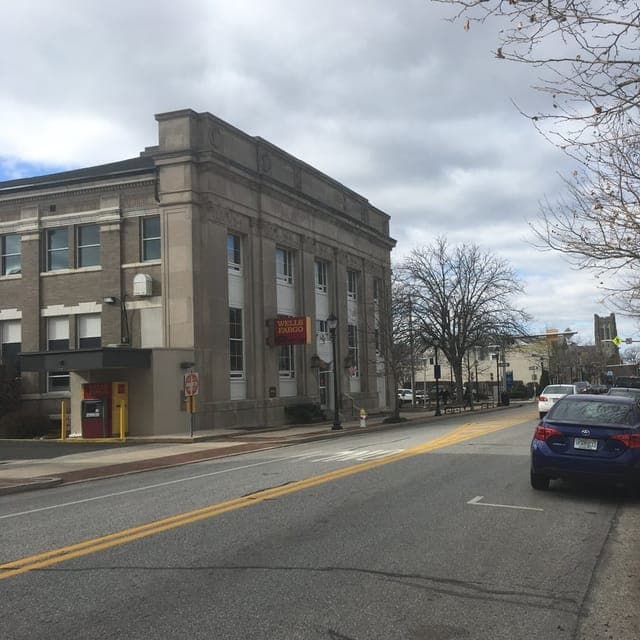
Bristol, Pennsylvania, is the kind of town where you can still buy a solid row home for under $250,000, grab a beer at a bar that’s been pouring since the 1800s, and watch the Delaware River roll by without a tourist crowd. It’s a working-class borough with a proud, slightly gritty edge—think old brick mills, a historic waterfront, and a main street that feels more like a time capsule than a shopping district. If you’re looking for a place with genuine character and a slower pace, but still within striking distance of Philadelphia and Trenton, Bristol deserves a serious look.
The Daily Rhythm: What Life Actually Feels Like
Most mornings here start with a short commute—the average is about 32 minutes, which is manageable for the region—and a stop at a local diner like the Bristol House Restaurant for eggs and scrapple. People shop at the Acme on Route 13 or the Giant in nearby Levittown, and weekends often involve a trip to the Bristol Riverside Theatre for a play or a walk along the Delaware Canal towpath. The median age of 39.4 means you’ve got a mix of young families and empty-nesters, but not a ton of college kids. With only 23.2% of adults holding a bachelor’s degree, the workforce leans heavily toward trades, manufacturing, and logistics—places like Veolia Water Technologies and the nearby Amazon fulfillment center in Falls Township are major employers. The median household income of $70,595 is slightly below the national average, but the cost of living index sits at exactly 100, meaning your dollar goes about as far here as anywhere else in the country. That $236,400 median home value is a steal compared to much of the Northeast, and it’s the main reason people move here: you can actually afford a house.
Sports, Community, and the Local Identity
High school sports are a genuine rallying point. Bristol High School’s football games on Friday nights draw a real crowd, and the rivalry with Morrisville is the kind of thing locals still talk about decades later. There’s no pro team in town, but you’re a 40-minute drive from the Eagles, Phillies, and Flyers, so most people just pick a Philly team and stick with it. The town’s identity is wrapped up in its history as a river port and mill town—the Bristol Wharf is a quiet spot to fish or watch the barges go by, and the annual Bristol Fourth of July celebration is a big deal, with a parade, fireworks over the river, and a carnival that takes over the waterfront. The Bristol Borough Day festival in September is another highlight, with craft vendors, live music, and enough funnel cake to keep the kids happy. What you won’t find is a big nightlife scene—there are a few solid bars like The King George II Inn (one of the oldest continuously operating inns in the country) and The Steam Pub on Mill Street, but things wind down early. The vibe is more “let’s grab a drink after work” than “let’s party until 2 a.m.”
What’s There to Do (and What’s Missing)
Outdoor life centers on the Delaware Canal State Park, which runs right through town and offers miles of flat, easy walking and biking trails. Silver Lake Park in nearby Bristol Township has a small lake, playgrounds, and ball fields. For a bigger outing, Sesame Place in Langhorne is 15 minutes away, and Philadelphia’s Old City is a 40-minute drive. The restaurant scene is modest but solid—locals swear by Rocco’s Pizza for a classic slice, Bristol Bar & Grill for burgers and wings, and El Taco Loco for authentic Mexican. The biggest frustration for residents is the lack of shopping and dining variety—you’ll find yourself driving to Oxford Valley Mall or Princeton for anything beyond the basics. Traffic on Route 13 can be a slog during rush hour, and the SEPTA train station (Bristol Station) offers service to Philadelphia, but the schedule is limited, so most people drive. The violent crime rate of 89.9 per 100,000 is low for a borough this size—well below the national average—and most residents feel safe walking downtown at night. Property crime is more of an annoyance, with occasional car break-ins and package thefts, but nothing that feels out of control for a small city.
Pros and Cons of Living Here
- Pro: Affordable housing that’s still within commuting distance of two major metro areas (Philadelphia and Trenton).
- Pro: A genuine sense of history and community—the Fourth of July celebration and Borough Day are the real deal, not corporate events.
- Pro: Low violent crime and a slower, more neighborly pace than the suburbs further out.
- Con: Limited job opportunities within the borough itself—most people commute to Philadelphia, Trenton, or the Route 1 corridor.
- Con: The restaurant and entertainment scene is thin; you’ll drive 20-30 minutes for anything beyond a diner or a dive bar.
- Con: The schools are average—Bristol Borough School District serves about 1,200 students and gets mixed reviews, so families often look at private options or move to nearby Pennsbury or Neshaminy districts.
Weather-wise, you get four distinct seasons: hot, humid summers (think 90°F with thunderstorms), crisp falls, cold winters with occasional snow (about 20 inches a year), and a muddy, gray spring. The river keeps things a few degrees cooler in summer and can make winter winds bite harder. The seasonal rhythm is real—summer means riverfront festivals and baseball games, winter means hunkering down and hitting the local bar for warmth. If you’re the kind of person who likes a town with a story, where you can buy a house without a six-figure salary and still be an hour from Center City, Bristol fits. It’s not flashy, it’s not trendy, and it’s not for anyone who needs a Whole Foods on every corner. But for someone who values affordability, history, and a community that actually knows its neighbors, it’s a solid bet.

Similar small towns to Bristol
* Values derived from national, state, county, city and local statistics and may differ in a specific area. Last updated: 2026-08-25T10:51:30.000Z
Narrative content on this page is AI-generated and may contain mistakes. Verify any details that matter before acting on them.
ReloMaps may earn a commission from affiliate links at no extra cost to you.

