 Popular
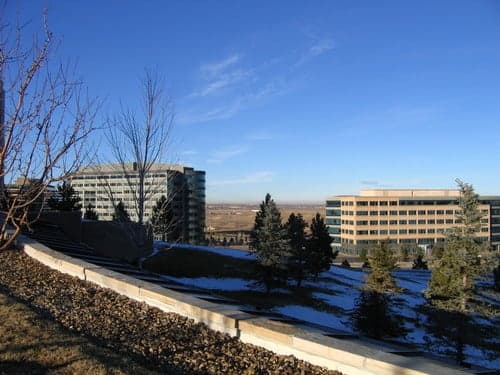
Photo: Wikipedia
Quality of Life in Broomfield, CO
Above-average quality of iife. The area offers a reasonable cost of living, decent mobility, and a mix of neighborhood amenities.
What does Quality of Life tell us?
Quality of Life blends cost of living, nearby amenities, socioeconomic signals, and neighborhood character. City-level scores represent the whole municipality; individual neighborhoods can differ.
What does this tell us?
Quality of Life blends cost of living, nearby amenities, socioeconomic signals, and neighborhood character. City-level scores represent the whole municipality; individual neighborhoods can differ.
Cost of Living
97% above national average
The Real Cost of Living in Broomfield, CO for 2026
| Tier | Individual | Family (4) |
|---|---|---|
| Survival | $33k | $62k |
| Comfortable | $123k | $180k |
| Luxury | $186k+ | $288k+ |
| Elite (Top 5%) | $219k+ | $339k+ |
67%
The Area Signal
A metric tracking the socioeconomic signals of the area.
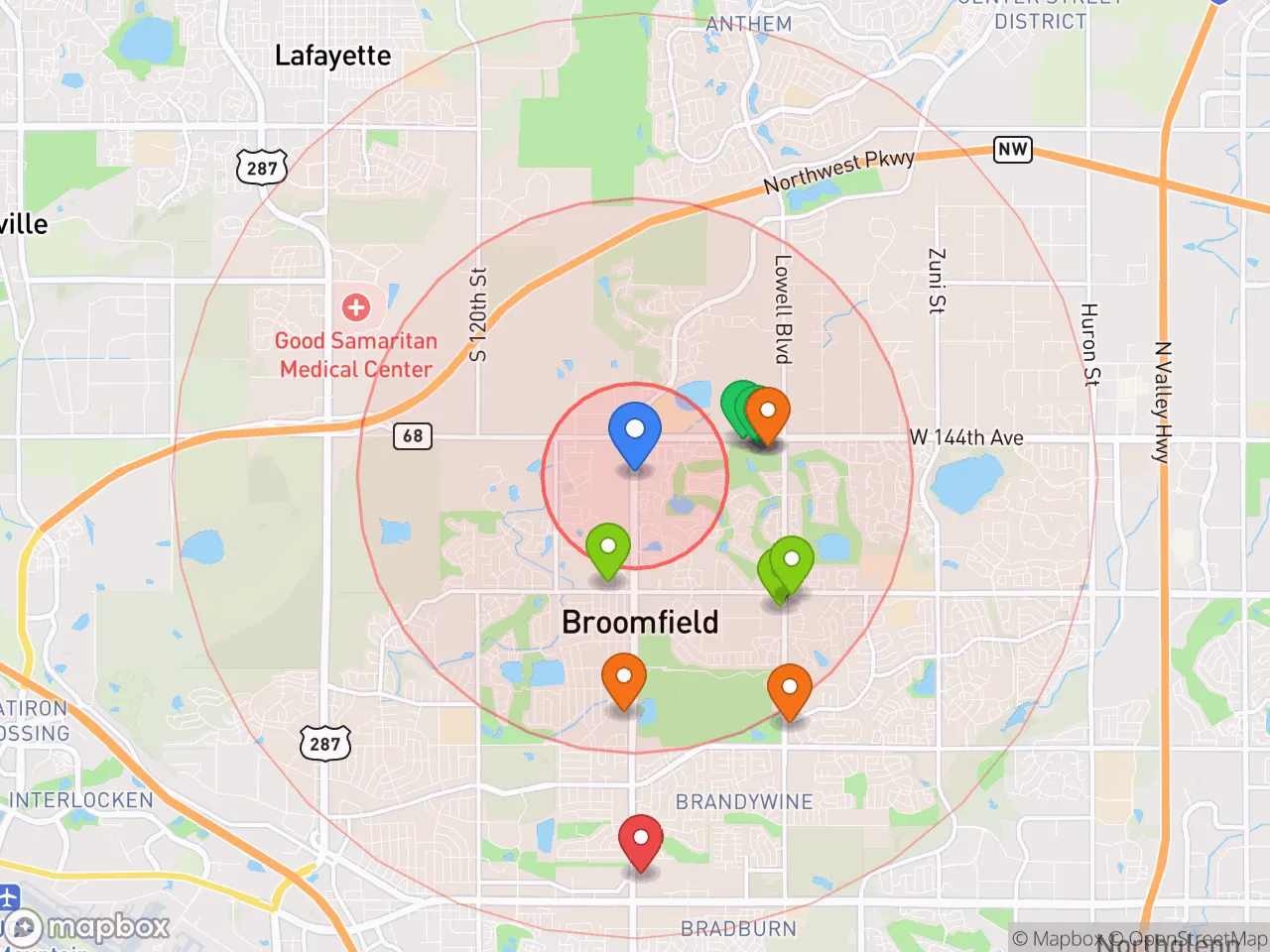
Hobbies
Explore the areaGroceries
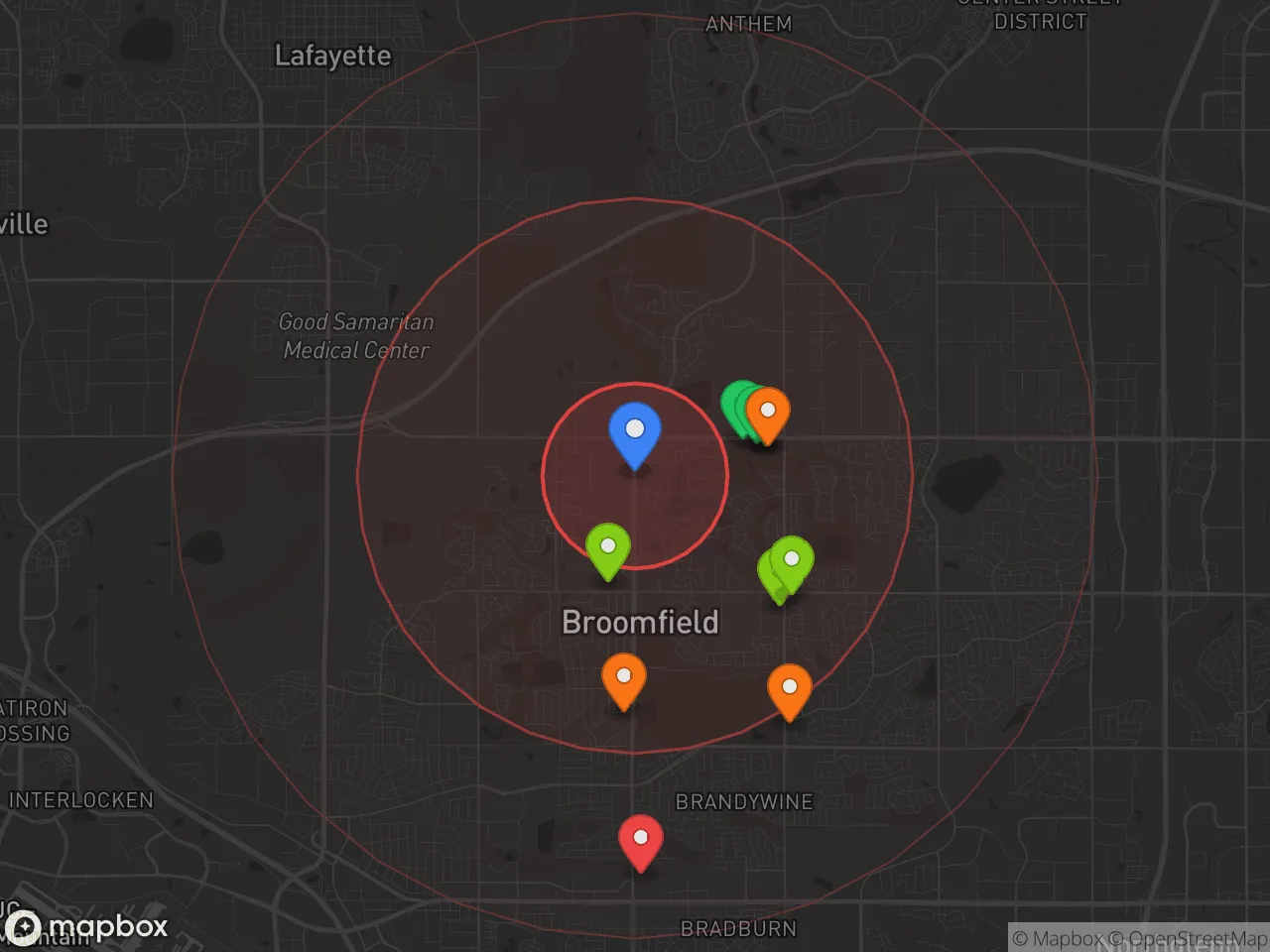
6 within 10 miles
Gas
20 within 10 miles
Hospital
20 within 20 miles
Airport
DEN — Denver International
Post Office
USPS — Broomfield, CO
Critical Amenities
Quality-of-Life Analysis
Broomfield, Colorado, is an affluent, family-oriented suburb situated roughly halfway between Denver and Boulder, drawing a population of professionals, tech workers, and outdoor enthusiasts who value high-quality schools, low crime rates, and immediate access to the Rocky Mountain foothills. With a cost-of-living index of 197 (nearly double the U.S. average), Broomfield commands a premium lifestyle that attracts dual-income households and remote workers willing to pay for space, safety, and convenience. The city’s 2024 median household income exceeds $110,000, reflecting a well-educated workforce anchored by employers like Vail Resorts, Ball Aerospace, and Level 3 Communications.
Cost of living, housing affordability, and how Broomfield compares to Boulder and Denver
Broomfield’s cost of living is 97% above the national baseline, driven primarily by housing. The median home value sits at $631,600, which is roughly $100,000 less than Boulder’s median but about $80,000 more than the Denver metro average. Renters face a median monthly rent of $2,074, placing Broomfield among the priciest rental markets in the Front Range outside of downtown Denver. For context, a household earning the area median income of $110,000 would spend about 28% of gross income on a mortgage at current rates — within the traditional affordability threshold but leaving little room for other major expenses. Utility costs and grocery prices also run 15–20% above national averages, though property taxes remain relatively low at roughly 0.55% of assessed value, a benefit of Colorado’s Taxpayer’s Bill of Rights (TABOR). Compared to Boulder, Broomfield offers more square footage per dollar and newer housing stock; compared to Denver, it trades urban density for larger lots and quieter neighborhoods.
Schools, parks, and what daily life feels like for families and professionals
Daily life in Broomfield revolves around its highly rated Boulder Valley School District (BVSD) and Adams 12 Five Star Schools, both of which consistently earn GreatSchools ratings of 8–10 for elementary and middle schools. The city operates over 30 parks, 70 miles of multi-use trails, and the popular Broomfield Community Center, making it a hub for youth sports, running clubs, and dog owners. The average commute of 26.3 minutes is manageable by metro Denver standards, with most residents driving to jobs in the Denver Tech Center, Boulder, or along the US 36 corridor. The 1stBank Center hosts concerts and events, while the nearby FlatIron Crossing mall provides retail and dining. For outdoor recreation, residents are 20 minutes from Boulder’s Chautauqua Park hiking trails and 40 minutes from Rocky Mountain National Park. The city’s “21st Century” master plan emphasizes mixed-use development around the Broomfield County Commons, creating walkable pockets near the new RTD Flatiron Flyer bus rapid transit stations.
Broomfield is best suited for families and mid-to-senior-level professionals who prioritize school quality, low crime (violent crime rates are roughly 60% below the national average), and a suburban lifestyle with quick access to both urban jobs and mountain recreation. Singles and young renters on a tight budget may find the housing costs prohibitive, while retirees on fixed incomes should weigh the high cost of living against the city’s excellent healthcare access via UCHealth Broomfield Hospital. For those who can afford the premium, Broomfield delivers a stable, amenity-rich environment that consistently ranks among Colorado’s most desirable suburbs.

Crime in Broomfield, CO
Lower crime rates than 77% of comparable U.S. locations.
Violent CrimeViolent Crime Analysis
Property CrimeProperty Crime Analysis
Crime Analysis
Broomfield, Colorado, presents a mixed safety profile for potential residents. The city’s violent crime rate of 148.5 incidents per 100,000 residents is notably lower than both the Colorado state average and the national median, placing it among the safer suburbs of the Denver-Boulder metroplex. However, its property crime rate of 1,492.7 per 100,000 exceeds the national average, a common trade-off in fast-growing, affluent communities near a major urban core.
Crime in context
When compared to the broader Denver-Aurora-Lakewood metropolitan statistical area, Broomfield’s violent crime rate is roughly half the metro average, making it a relative outlier for safety in a region where progressive district attorneys in Denver and Boulder Counties have been criticized for lenient sentencing and reduced prosecution of non-violent offenses. The city’s property crime rate, while elevated, is consistent with other high-value suburban targets like Superior and Louisville. The theft and vehicle break-in categories drive the property number, reflecting the transient nature of crime along the US-36 corridor. Residents should note that Broomfield operates its own police department and municipal court, which has historically taken a more enforcement-oriented approach than neighboring jurisdictions, though the broader regional judicial climate—where progressive policies prioritize diversion programs over incarceration—can still affect recidivism rates as offenders move between cities.
What residents experience
Day-to-day, most Broomfield residents report feeling safe in their neighborhoods and commercial districts. The city’s low violent crime rate means incidents like robbery, aggravated assault, and homicide are rare events that rarely impact the general public. The primary nuisance is property crime, particularly theft from vehicles and package theft, which is concentrated near retail hubs like the FlatIron Crossing mall and along the US-36 park-and-ride lots. Residents in the newer developments around Anthem and the Broadlands tend to see fewer incidents than those in older, denser areas closer to the highway. The presence of the Broomfield Police Department’s community resource officers and a robust neighborhood watch program helps mitigate these issues, but the underlying risk remains higher than in rural Colorado towns.
Neighborhood-level variation is modest but worth noting. The area south of 120th Avenue, near the Westminster border, sees slightly higher property crime due to its proximity to transit corridors. In contrast, the gated communities and newer subdivisions north of 144th Avenue report near-zero violent crime and property crime rates comparable to the city’s lowest quartile. For families and professionals, Broomfield offers a strong safety baseline, but the property crime reality demands standard urban precautions—locking vehicles, securing packages, and using home security systems—to avoid becoming a statistic in a region where progressive judicial philosophies can reduce the consequences for repeat property offenders.
* Values derived from national, state, county, city and local statistics and may differ in a specific area. Last updated: 2026-04-25T04:19:47.000Z
Narrative content on this page is AI-generated and may contain mistakes. Verify any details that matter before acting on them.
ReloMaps may earn a commission from affiliate links at no extra cost to you.

